House passes bill to make daylight saving time permanent
The measure also allows states to opt out if they take action before the federal law is enacted.
Watch CBS News
The measure also allows states to opt out if they take action before the federal law is enacted.
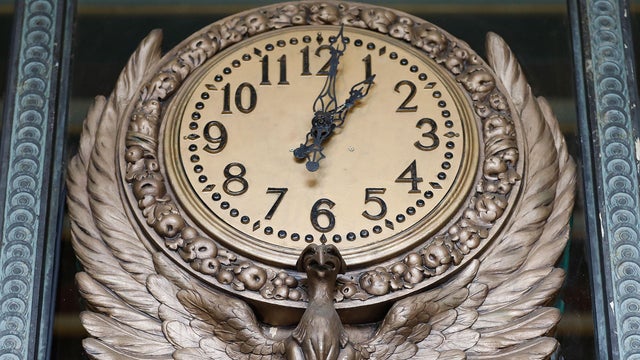
The time change known as daylight savings starts Sunday, March 8, 2026. Most Americans lose an hour of sleep when clocks "spring forward."
Longer and lighter days were supposed to save energy, reduce traffic accidents and help people become more active. Governments thought daylight saving time would save money.

The switch to Daylight Saving Time increases the risk for heart attacks and car crashes. Some doctors say it's mainly due to disrupted sleep and thats a growing issue for children. Stephanie Stahl reports.
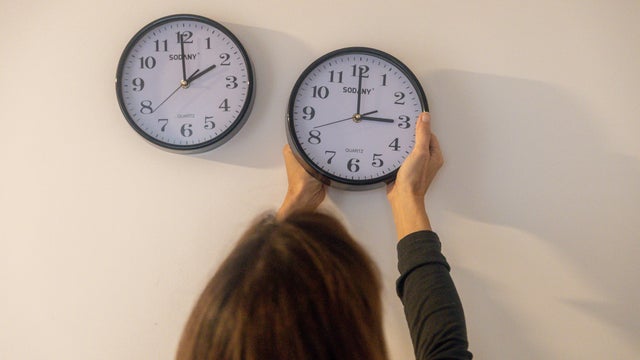
Daylight saving time ended on Sunday, Nov. 2, 2025, when the clocks fell back and we gained an hour.

Daylight saving time ends on Sunday, Nov. 2, 2025, at 2 a.m., when the clocks "fall back" and we gain an hour. Stephanie Stahl reports.

State Rep. Russ Diamond (R-Lebanon) is proposing House Bill 119 to end daylight saving time in Pennsylvania.

Daylight saving time in 2025, when clocks change by an hour, has started. Here's a look at when exactly we "spring forward."

Researchers are discovering that "springing ahead" each March for daylight saving time is connected with serious negative health effects.

Sunday is the coldest day of the week with temperatures in the upper 50s but feeling like the mid-50s.

The cold front that brought those few sprinkles will also bring considerably cooler temps to the region over the weekend.

CBS Philadelphia photojournalist Brad Nau had some time on his hands and traveled to the National Watch and Clock Museum in Columbia, Lancaster County, to find out ahead of daylight saving time ends.

After a Halloween for the record books, temperatures will remain on the warm side as November begins.

It will feel more like summer than the last day of October this Halloween in the Philadelphia region.
Gaining an extra hour of sleep as daylight saving time ends might sound like a win, but experts say "falling back" can have some health consequences. Here's some advice to help you cope.
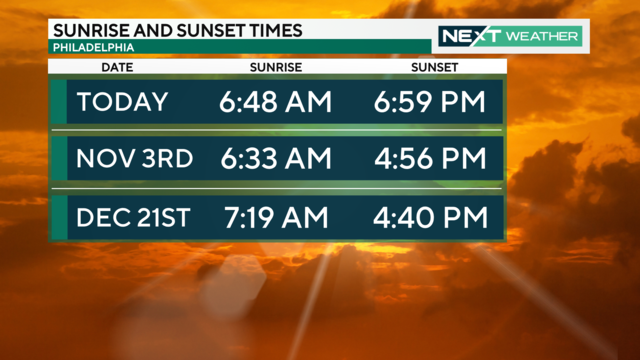
Goodbye 7 p.m. sunsets! That is until spring starts in March. If you've noticed the hours of daylight are shrinking faster as we transition from summer to fall, it's because they are.
Daylight saving time for 2024 is here, which means we lost an hour of sleep as we "spring forward." Here's how to deal with the time change, according to experts.
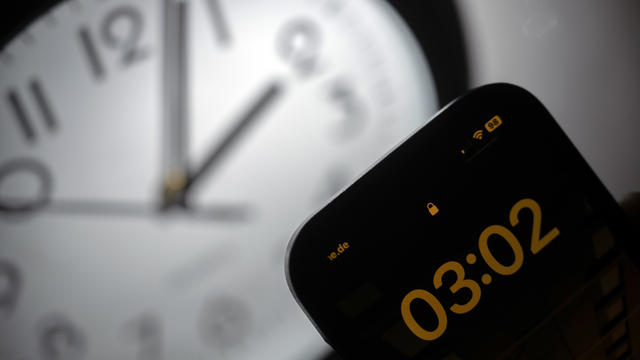
Clocks "spring forward" when daylight saving time begins on Sunday, March 10, 2024.
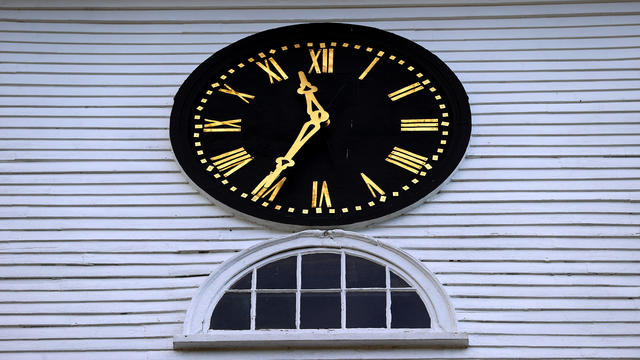
Daylight saving time begins this year in the early hours of Sunday, March 10, giving us longer, sunnier evenings until Nov. 3, 2024. Here's what to know about how the time change works.

Frequent outdoor exercise and taking breaks to experience the daylight are some of the ways you can ward off those winter blues.

Frequent outdoor exercise and taking breaks to experience the daylight are some of the ways you can ward off those winter blues.
CBS News Philadelphia went to Love Park to get people's opinion on daylight saving time.
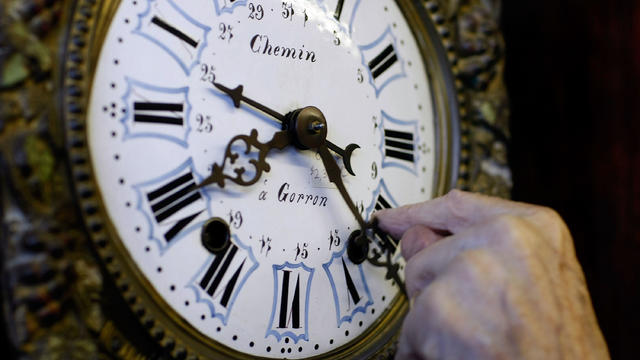
Daylight saving time for 2023 will end in early November with most Americans having to "fall back" for the biannual time change and turn their clocks back an hour.

1 in 5 Americans say they are negatively impacted by the change that comes with moving the clocks back an hour, Jasmine Payoute reports.

The clock was moved an hour ahead on Sunday morning.