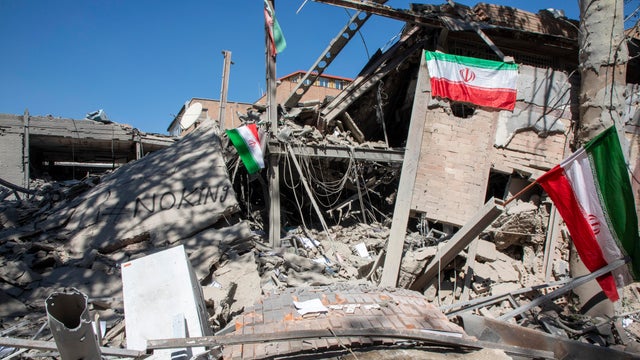
U.S. and Iran reach ceasefire deal, launching 2-week diplomatic push
President Trump announced that the U.S. and Iran had agreed to a two-week ceasefire that was contingent on the reopening of the Strait of Hormuz.
Watch CBS News
President Trump announced that the U.S. and Iran had agreed to a two-week ceasefire that was contingent on the reopening of the Strait of Hormuz.
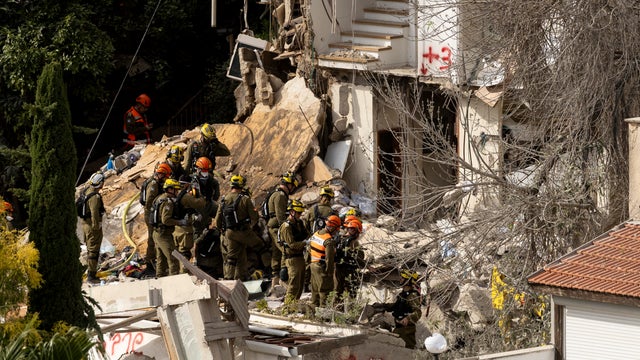
President Trump's deadline for Iran to reach a deal to end the war or face punishing strikes on its bridges and power plants is less than 24 hours away.
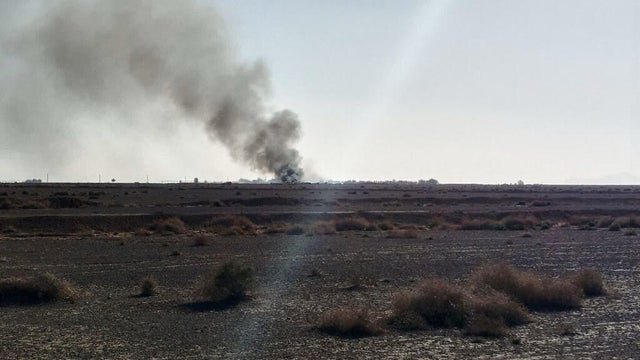
President Trump hailed the rescue of a U.S. airman who was missing almost two days inside Iran — and threatened to hit power plants if Iran doesn't reopen the Strait of Hormuz.
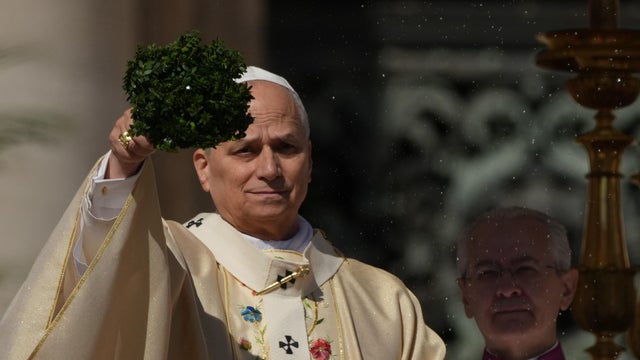
Pope Leo XIV celebrated his first Easter Mass as pontiff, urging hope against the violence of war.
President Trump said that Tuesday "will be Power Plant Day, and Bridge Day, all wrapped up in one, in Iran" — as he threatens to hit Iranian electrical facilities and bridges.
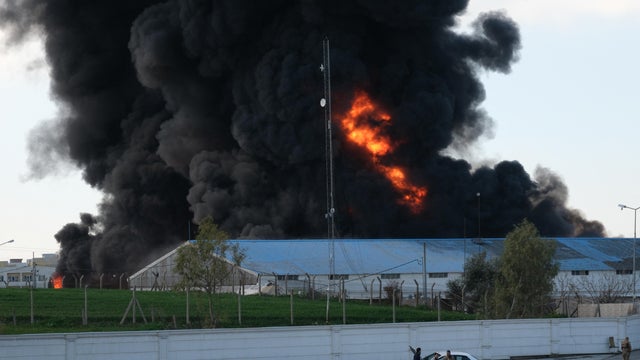
President Trump warned the U.S. "hasn't even started destroying what's left in Iran," and previewed that strikes on bridges and power plants could be next.
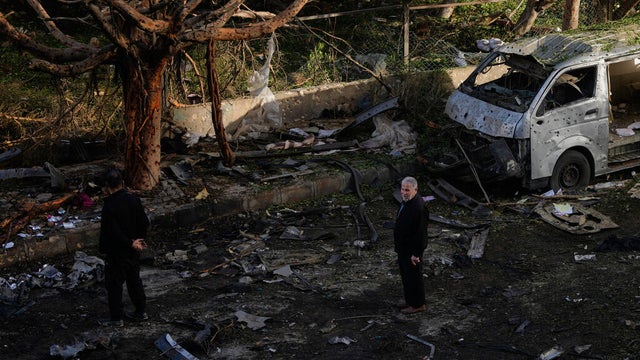
Trump says he expects the U.S. war with Iran to end within several weeks despite unrelenting attacks from both sides and Iran's iron grip on the Strait of Hormuz.
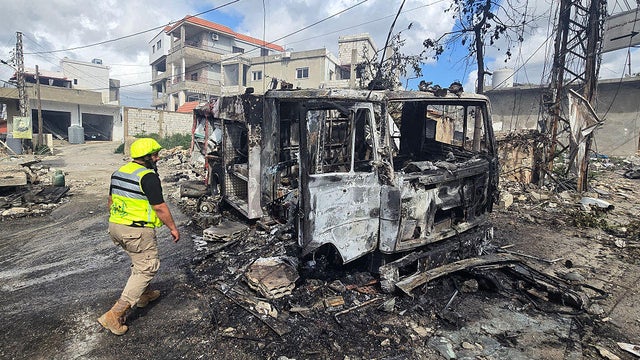
Energy markets remain volatile as President Trump threatens Iran with an invasion to seize its oil while also suggesting a deal could soon end the war.
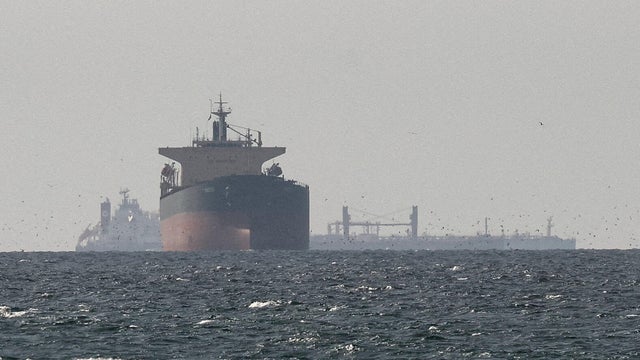
The president threatened to "obliterate" Iranian power plants if Iran didn't reopen the Strait of Hormuz by late Monday night Eastern Daylight Time.
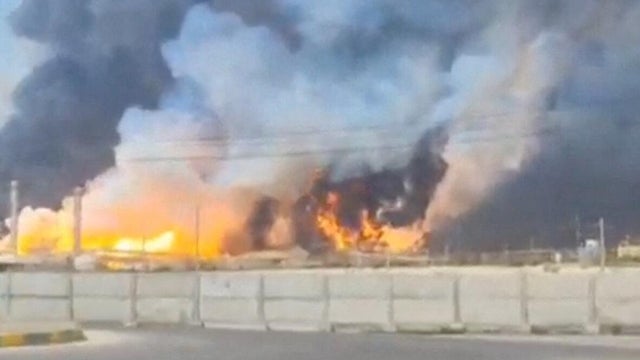
As Iran retaliates for an Israeli strike on the South Pars gas field, one analyst warns the war is "now hitting the plumbing of the global energy system."
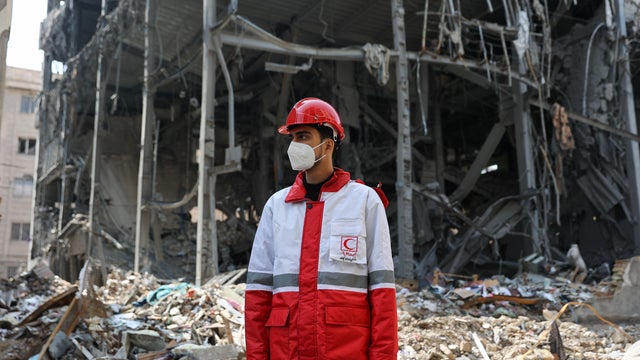
Trump says the U.S. will destroy a vast Iranian gas field if Tehran retaliates for an Israeli strike on the facility by attacking Qatar's infrastructure.
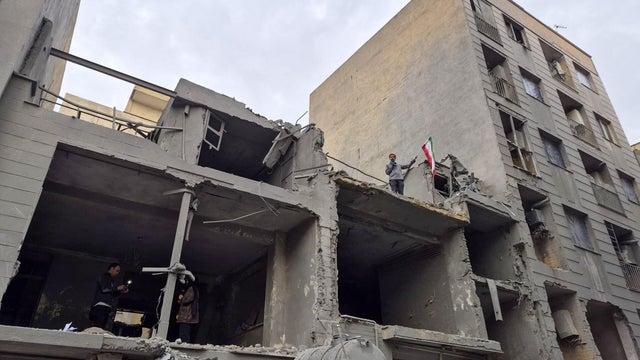
Israel says it killed Iran's top security official Ali Larijani, as America's European allies reject President Trump's demands for help in the Strait of Hormuz.
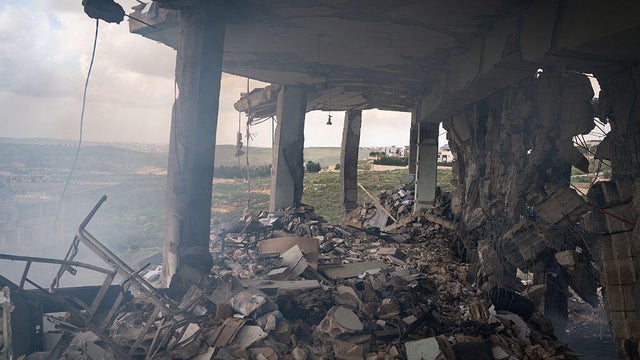
The war, which shows no signs of ending soon, has disrupted oil exports from the region, driven fuel prices far higher worldwide and upended global air travel.
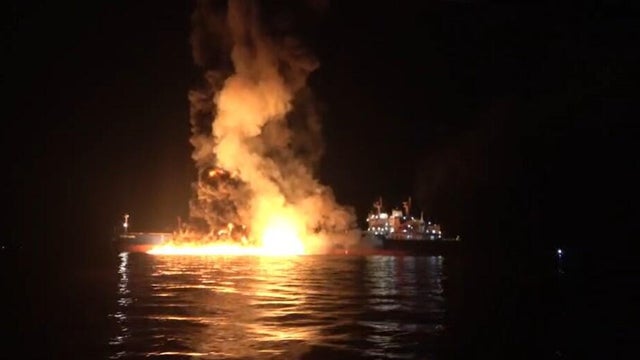
Iran's relentless attacks on Gulf states and infrastructure appear to be overshadowing interventions by the U.S. and its allies aimed at easing energy prices.

President Trump says he'll end the war soon, when he wants to, as Iran hits ships in and near the Strait of Hormuz and warns U.S.-linked banks will be next.
High gas prices and travel uncertainty are on the minds of many travelers as they try to book their vacations locally and overseas.

The war with Iran is causing the price of crude oil to jump, and in return creating a domino effect on gasoline, diesel and jet fuel.
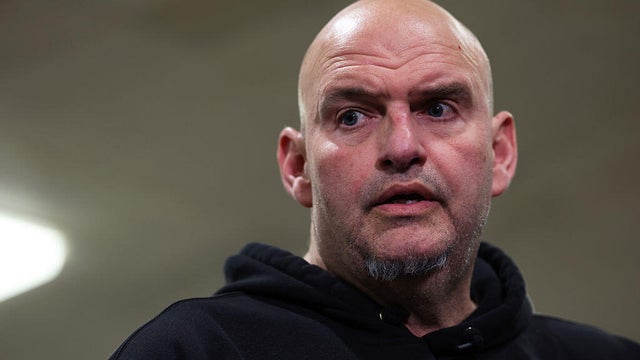
"I think, overall, what's accomplished is remarkable," Sen. John Fetterman told CBS News chief White House correspondent Major Garrett in an interview Wednesday.
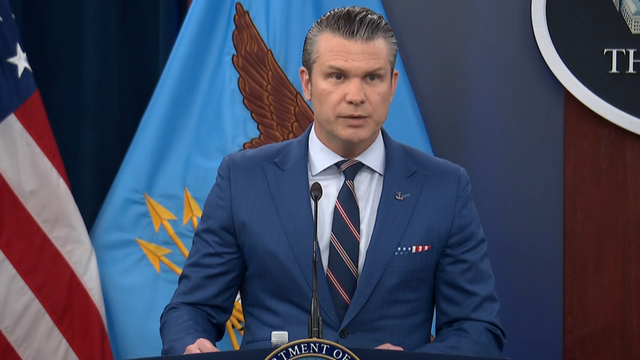
Defense Secretary Pete Hegseth said Tuesday that it would be the "most intense day" of strikes against Iran so far.
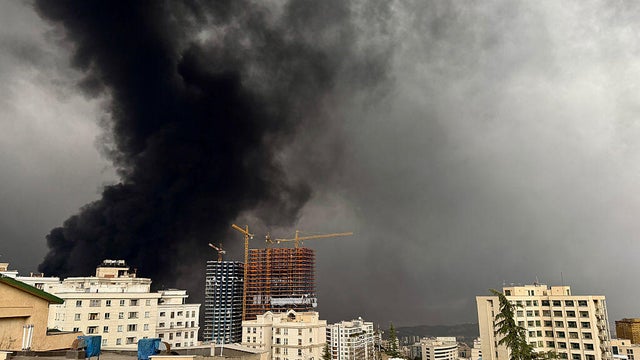
President Trump says the U.S. has diminished Iran's military and regime and will continue to expand its targets inside Iran.
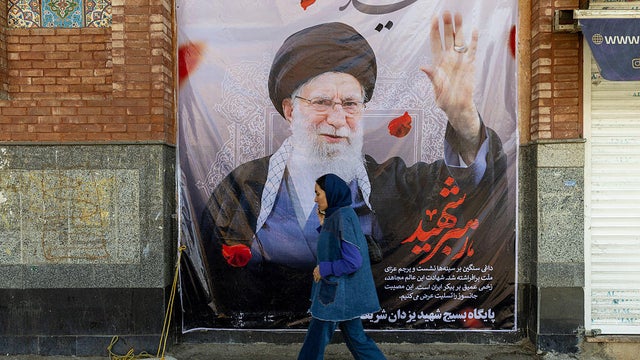
President Trump said he must have a role in choosing Iran's next leader and called the son of the late Ayatollah Ali Khamenei "unacceptable."
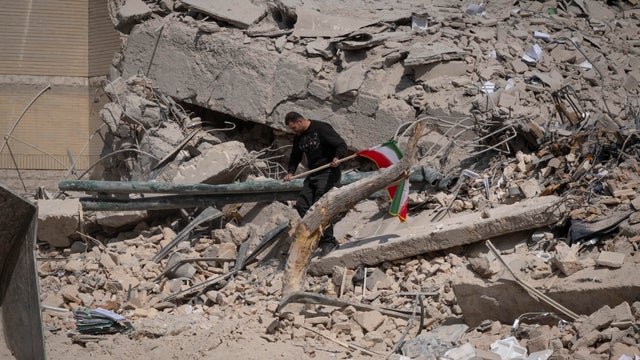
The U.S. is "accelerating, not decelerating" war on Iran, Hegseth says, as strikes intensify in the region and reach 1,000 miles away.
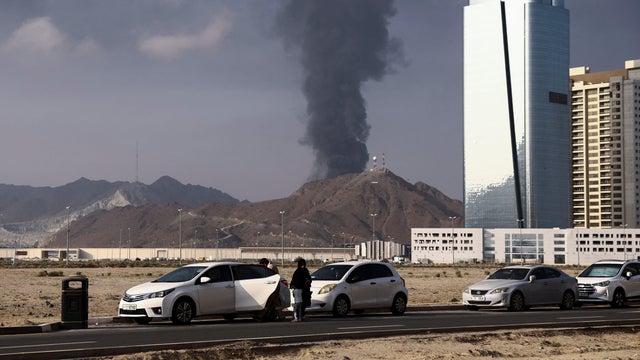
Israel sent troops into Lebanon as the U.S.-Israeli war with Iran widened, and some of Iran's Gulf neighbors warned that Iran's retaliatory fire could draw them into the spreading conflict.
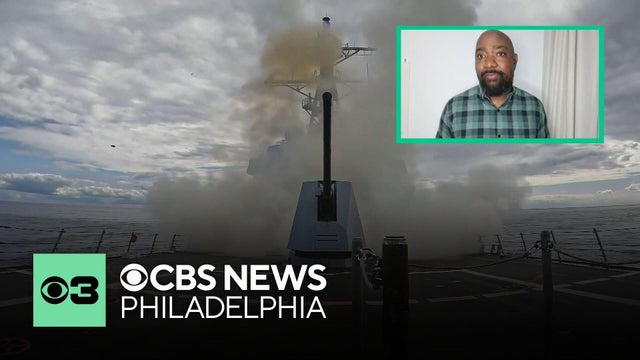
Nate Bowling, an American veteran and previous Teacher of the Year finalist who now lives in Abu Dhabi, said he's unable to get out of the country because of the United States' conflict with Iran.
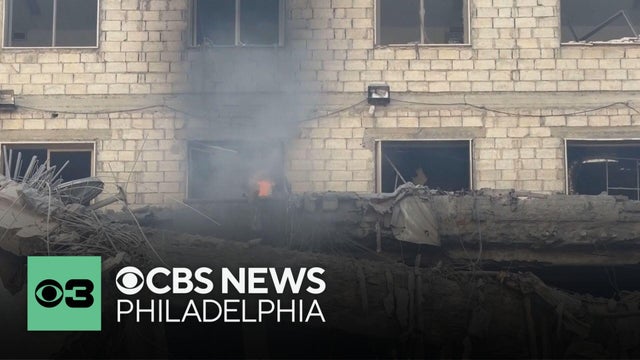
Israeli military officials say they conducted targeted strikes on specific buildings in Beirut, Lebanon on Tuesday morning. The buildings were Hezbollah-controlled command centers that were storing weapons, officials say. Josh Sanders has the latest from the Pulse Desk.