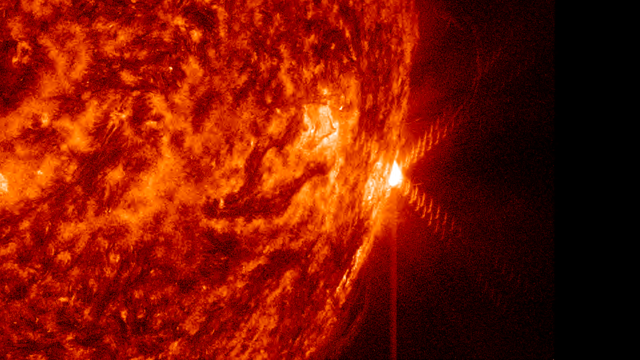
Radio communications on earth knocked out by powerful solar flare
Scientists say one of the largest solar flares in recorded scientific history was strong enough to block radio communications on planet Earth, Thursday evening.
Watch CBS News
Scientists say one of the largest solar flares in recorded scientific history was strong enough to block radio communications on planet Earth, Thursday evening.
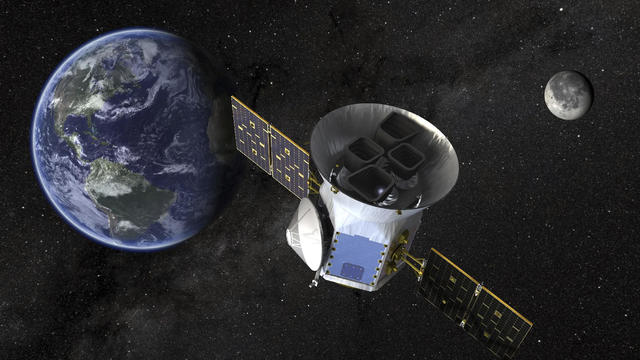
Astronomers have discovered six planets orbiting a bright, nearby star in perfect synchrony like a grand cosmic orchestra.
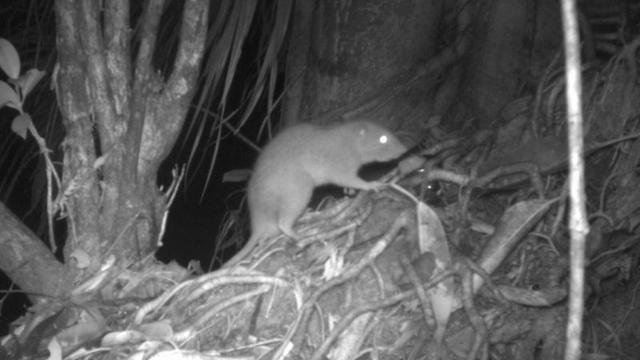
Researchers were able to attract "one of the world's rarest rodents" in their endangered habitat using glass oil lamps filled with sesame oil.
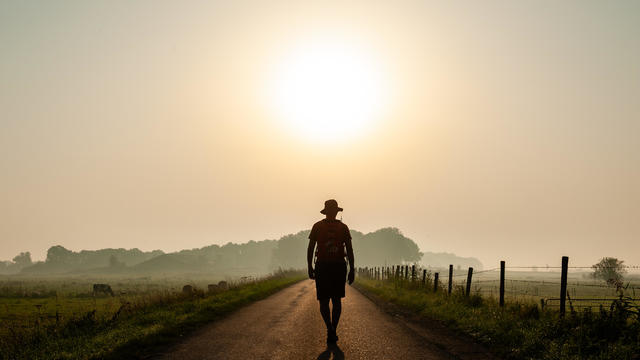
Average temperatures across Earth in 2023 have been dangerously close to the 1.5 degree Celsius warming threshold scientists have long warned would bring significant challenges to people worldwide.

Historians are racing to locate Great Lakes shipwrecks before a seemingly unstoppable invasive mussel destroys them and erases part of the region's heritage.

Scientists have confirmed that a captive deer at a northwestern Wisconsin shooting preserve has tested positive for chronic wasting disease.

The settlement was finalized on what would have been Lacks' 103rd birthday.

The National Park Service says a bison severely injured a Minnesota woman on Saturday in Theodore Roosevelt National Park.

A robot fish named Belle could be the "spy on the marine life" that researchers have been looking for.

Kitchen Pantry Scientist Liz Heinecke shares some fun summer snacks for kids.

They can be creepy, crawly and give you the heebie-jeebies. But bugs and insects can also be beautiful and fascinating. That's exactly what an artist wants us to experience in a new exhibit at the Science Museum of Minnesota.

A new study says Earth has pushed past seven out of eight scientifically established safety limits and into "the danger zone," not just for an overheating planet that's losing its natural areas, but for well-being of people living on it.

The Pallas's cat, a small wild cat native to central Asia, is facing growing challenges but information uncovered in the study may help with conservation efforts.

Researchers at the University of Minnesota recently created the world's first genetic map for the "world's grumpiest cat." The Pallas's cat is facing growing challenges from climate change and poaching, but information uncovered in the study may help with conservation efforts. Doctoral candidate Nicole Flack, who led the study, spoke to WCCO about the importance of this discovery.

Climate Central assessed mosquito weather trends from 1979-2022 and found that 173 locations saw annual mosquito days increase by 16 day average.

According to Nelson, Aerostar manufactures and launches up to 100 stratospheric balloons each year. The latest balloon being launched in nearby Hurley, S.D., is a research and development prototype that engineers think can travel for up to five months at 70,000 feet.

"We get closer to figuring out who was buried in that cemetery and when," said forensic anthropologist Phoebe Stubblefield.

Minnesota's moose population has dropped in the past year but wildlife managers say it remains relatively stable overall.

The "alarming pace" of increasing greenhouse gas emissions was observed the same year that the planet had one of its warmest years on record.

An Australian company specializing in “cultivated meat” says it will reduce the impact of climate change.

The Kitchen Pantry Scientist is showing us three fun ways to use science to dye your Easter eggs.

CBS’ Tina Kraus shows us what researchers uncovered about one of the world’s most famous composers.

The monumental finding suggests the Earth has five major layers instead of four, and offered new details scientists could use to help unlock some of the oldest mysteries about our planet and how it was formed.

The study helped two stroke patients regain control of a disabled hand and arm through targeted electrical pulses.

The birth control renders lab mice "temporarily infertile" via a single injectable dose, according to a study published in the medical journal Nature.