Good Question: How did the U.S. debt get so high?
The national debt now tops more than $34 trillion. That's a new record difficult to comprehend — and there are no signs of slowing it down.
Watch CBS News
The national debt now tops more than $34 trillion. That's a new record difficult to comprehend — and there are no signs of slowing it down.
After 10 straight interest-rate hikes, borrowers face sharply higher costs for credit cards, mortgages and other loans.

Sen. Amy Klobuchar had a leadership role in securing the deal. She spoke with Esme Murphy Sunday morning.
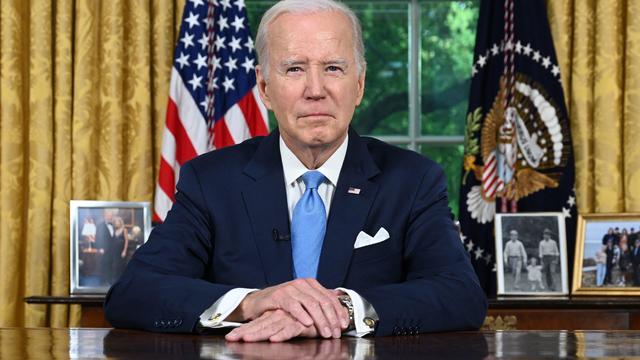
The president spoke less than 24 hours after the Senate approved the agreement in a bipartisan vote.
Biden will speak to the nation for the first time from the Oval Office.
The debt ceiling deal has cleared both chambers of Congress and is headed to the president's desk.

The legislation now goes to President Biden's desk, pulling the nation back from the brink of a financial crisis.
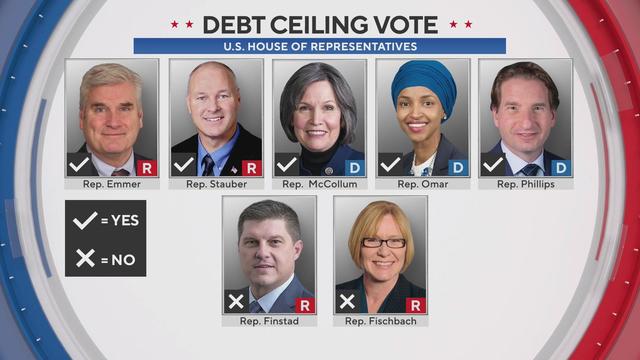
Ultimately, the vote passed with a strong bipartisan majority of both Democrats as well as Republicans, 314-117 in the end. Among Republicans, 149 voted in favor of the bill while 71 voted against it. Among Democrats, 165 voted yes while 46 voted no.
The House passed the bill to raise the debt ceiling Wednesday. Now, the Senate will take it up.
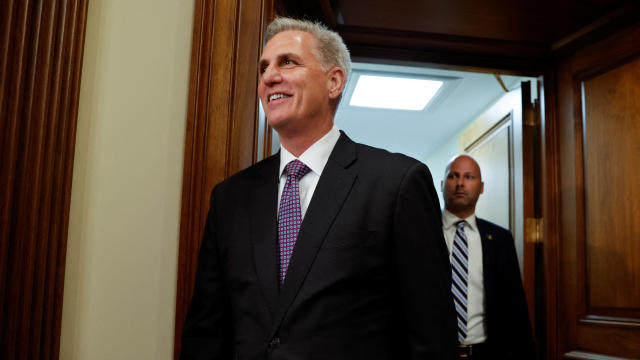
A majority of Democrats and a majority of Republicans voted in favor of the Fiscal Responsibility Act.
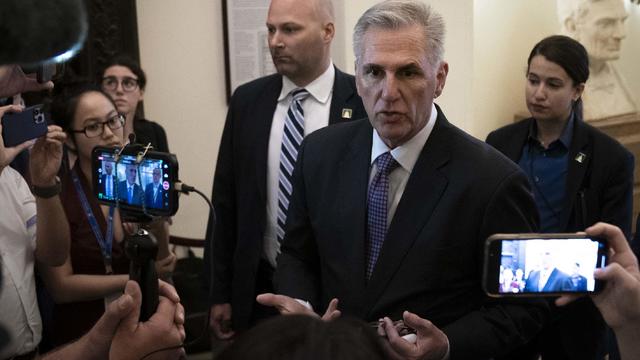
House Freedom Caucus members are unhappy with the debt ceiling deal between House Speaker Kevin McCarthy and President Biden.

The debt ceiling deal includes a provision to end the pandemic-related federal student loan payment pause

Both the U.S. House and Senate are expected to vote as soon as Wednesday on a deal reached over the weekend to raise the U.S. debt ceiling.
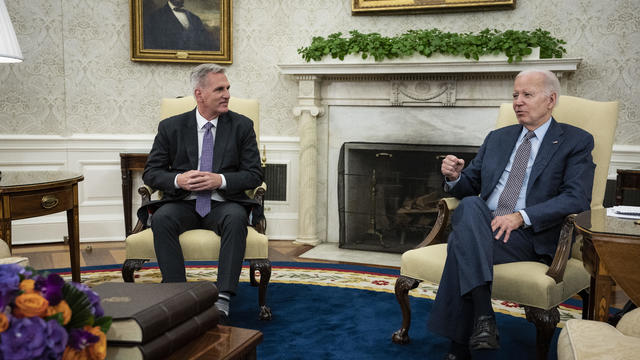
The deal was reportedly worked out over the weekend by House Speaker Kevin McCarthy and the White House. It includes restarting student loan debt payments, which have been on hold since the pandemic and will start up again in August.
After days of intense negotiations and weeks of talks, an agreement in principle has been reached to raise the debt ceiling.
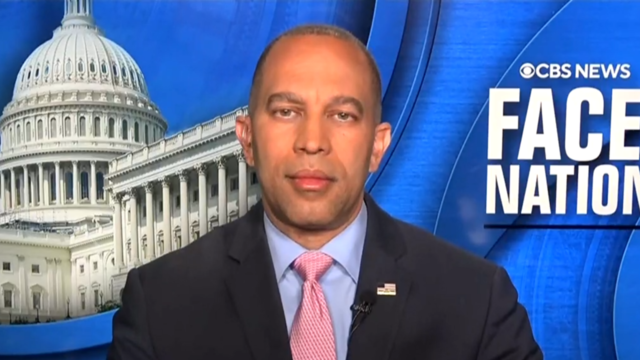
The House Democratic leader said he can guarantee the U.S. will not default on its debt.

A deal has been reached to raise the nation's debt limit and avoid a potential economic catastrophe, but there are real questions about whether the speaker has the votes to get this deal passed.
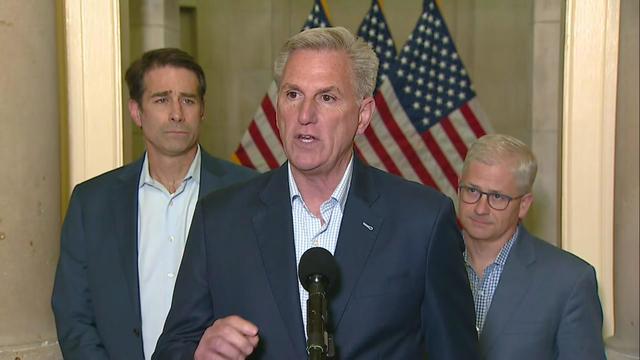
Republican lawmakers and the White House reached a deal Saturday evening on raising the nation's debt ceiling.
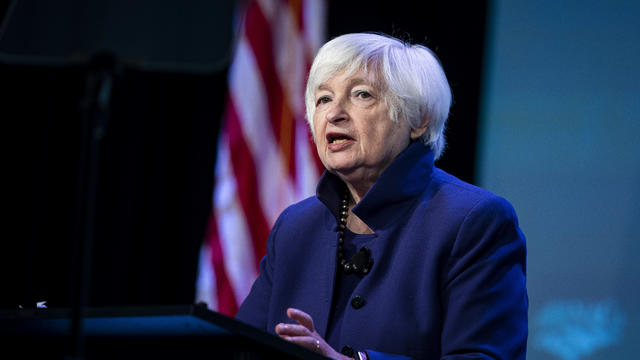
Time is running short for House Republicans and the White House to reach an agreement on the debt ceiling to avoid default.
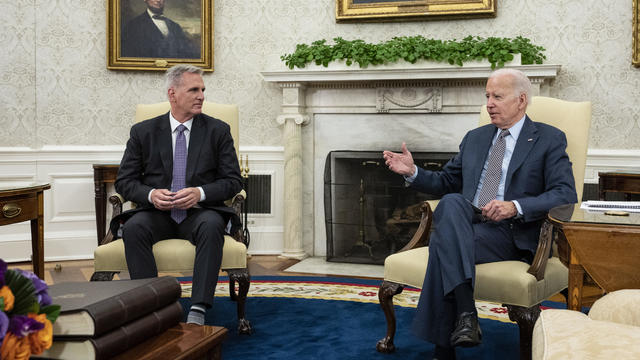
President Biden and House Speaker Kevin McCarthy huddled yet again as the debt ceiling "X" date nears.
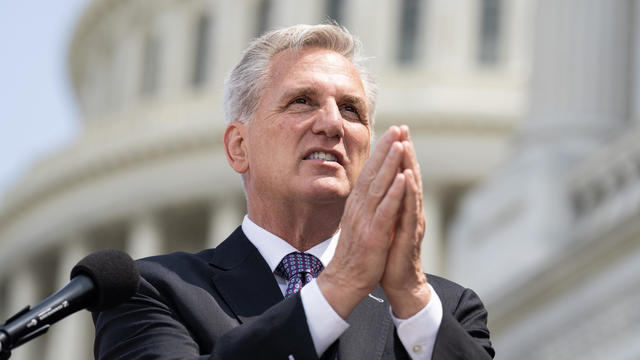
Without a deal, Treasury Secretary Janet Yellen has said the U.S. could be unable to pay its bills and might default on its debt as soon as June 1.
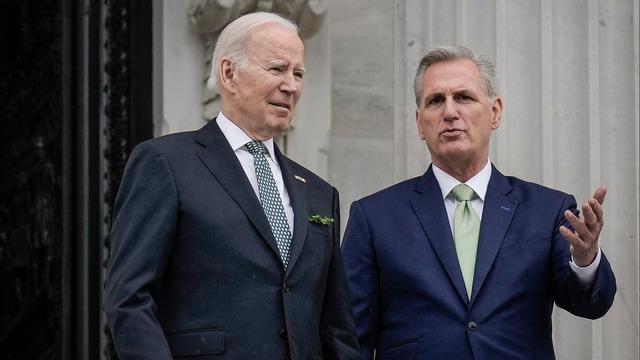
"It's hard to overstate how bad it would be," one expert said. Everything from Social Security payments to your retirement fund could get hit.
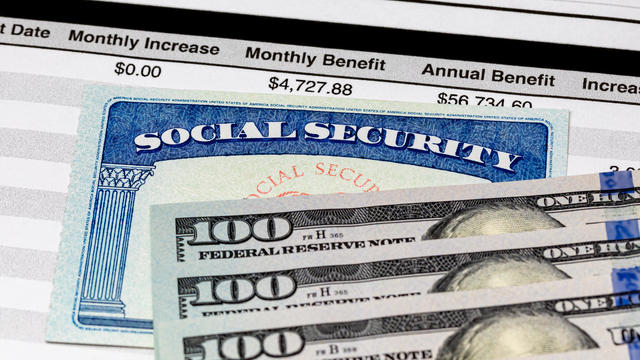
Millions of Social Security recipients "need to be very careful" about spending because payments could be delayed, one expert said.

Former President Donald Trump said in a CNN town hall that Carroll's story was "fake" and "made up," despite the swift and unanimous verdict.
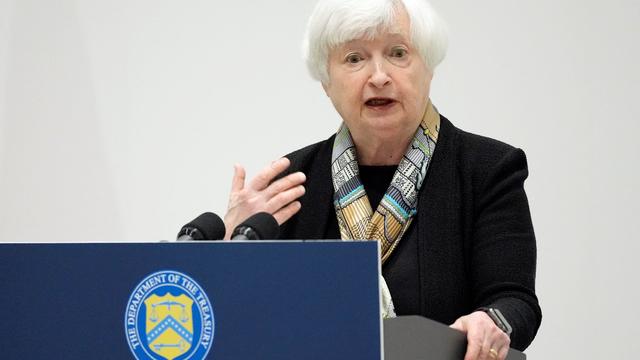
The treasury secretary also told G-7 finance ministers and central bank chiefs meeting in Japan that a first-ever U.S. default on its debts is "unthinkable."