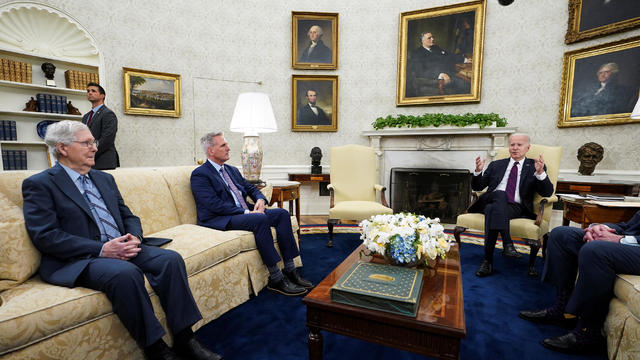
Biden, Republicans still far apart on raising debt ceiling
Republicans and Democrats still appear far apart on raising or suspending the debt ceiling. The five leaders are expected to meet again Friday.
Watch CBS News
Republicans and Democrats still appear far apart on raising or suspending the debt ceiling. The five leaders are expected to meet again Friday.
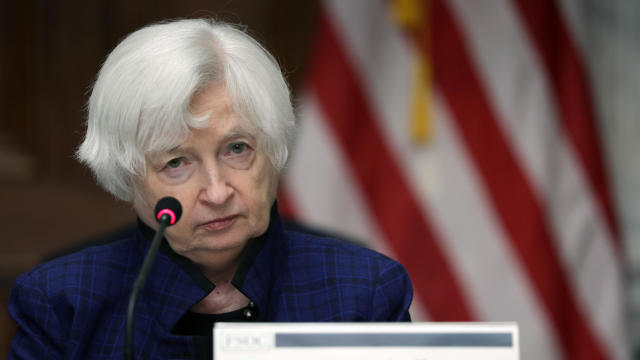
The treasury secretary moved up her estimate of when the U.S. risks defaulting on its debt.
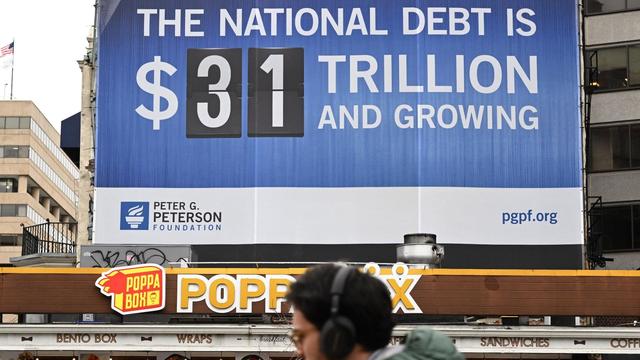
With revenues down 35% so far this year, banks have started moving up their estimates of when the U.S. could hit the so-called X-date
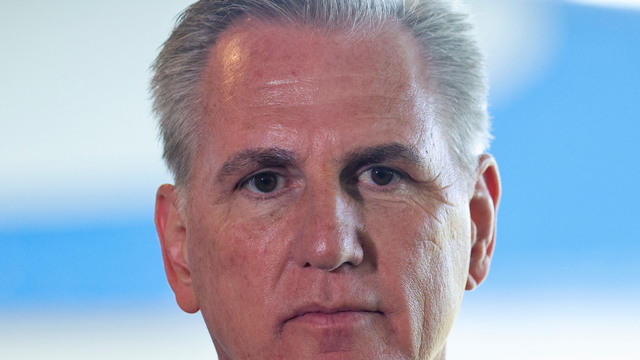
House Speaker Kevin McCarthy unveiled on Wednesday the Republican plan to raise the nation's debt ceiling by $1.5 trillion, but it's tied to massive federal spending cuts. CBS News congressional correspondent Nikole Killion joined Anne-Marie Green to discuss the GOP proposal.
Views of economy remain negative, with a mixed outlook at best, as possible debt limit crisis looms.
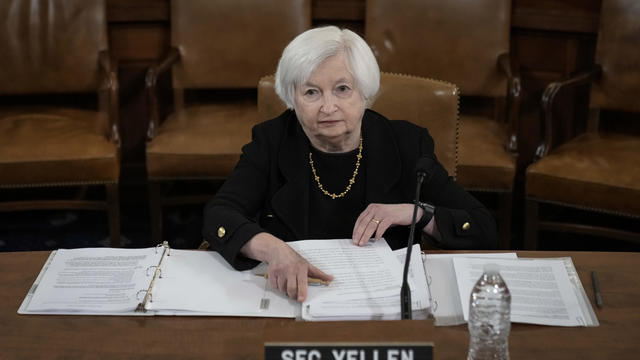
The Treasury Department has been using so-called extraordinary measures to keep paying the bills since the government hit the debt limit in January.
In January, Treasury Secretary Janet Yellen sent a letter to congressional leaders telling them the U.S. had hit the $31.4 trillion debt limit.
Here are the options Congress has to avert a first-time U.S. credit default and the severe economic consequences that could follow.
The federal government caps the amount of money it can borrow. But what are the risks if Congress fails to lift the debt limit?

Without congressional action, the U.S. could default as soon as June, she wrote in a letter Friday.
After weeks of partisan wrangling, U.S. lawmakers reached a last-minute deal to avoid a financial crisis, for now, agreeing to pay off America's credit card through early December.

The government shutdown may have ended but there is already concern that another shutdown could happen in just a few months. Congress now faces deadline starting in January to achieve budget and debt ceiling deals.
As the stare down over the government shutdown ends its eighth night in Washington, lawmakers are readying for another fight.
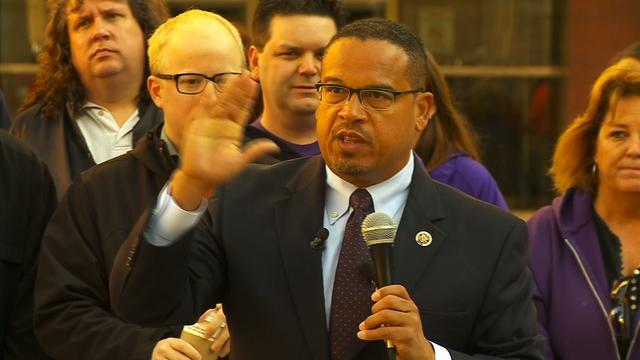
The federal government shutdown is now affecting Minnesota jobs. The state will lay off 105 health department workers immediately, and thousands of other federal workers in the state will face the same fate. And Congress appears to be standing still. According to Congressman Erik Paulsen's office, he skipped out on his own event Monday to head back to Washington to work on ending the shutdown. Some disappointed constituents, like Michael Waring of Edina, said they wanted to talk with him about ending the shutdown - even if it means joining with Democrats to do it.
If you think this past week's fiscal cliff deal puts an end to the partisan grid lock in Washington, guess again.

Pell Grant funding for undergraduate students was preserved in the law to raise the federal debt ceiling, but it was financed by curbs to student loan subsidies that helped graduate students.
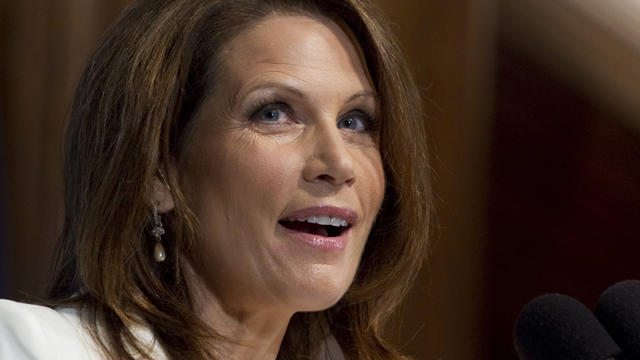
President Obama signed into law Tuesday the controversial bill raising the nation's debt ceiling. It didn't come without a bruising political fight, and a few exaggerations.
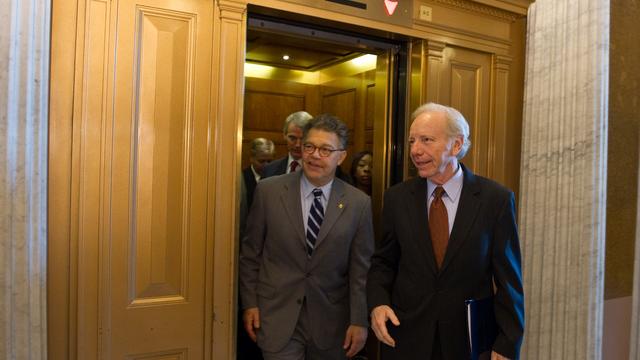
Minnesota Sens. Amy Klobuchar and Al Franken have voted for emergency legislation allowing the government to borrow more money and avoid a U.S. government default.

A deficit-reduction deal approved by the U.S. House on Monday split Minnesota's representatives, with the plan losing support from the left and right ends of the state's congressional delegation.
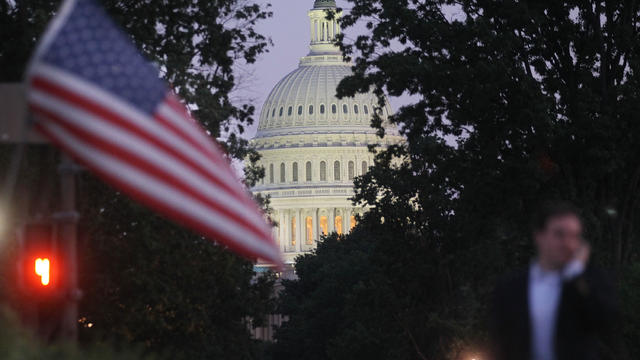
To avert a future debt ceiling and budget crisis, Congress has appointed a commission; a group of 12 to hammer out a deal the other 523 members of the House and Senate could not, and did not.
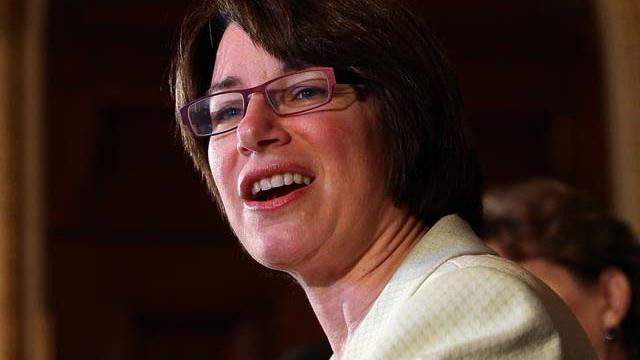
The U.S. Senate and House of Representatives are expected to vote Monday on a deal to raise the debt ceiling and cut the deficit.
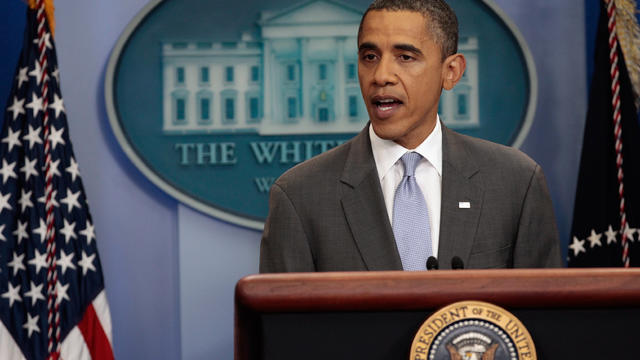
Racing the clock to avoid a government default, President Barack Obama and Republican congressional leaders reached historic agreement Sunday night on a compromise to permit vital U.S. borrowing by the Treasury in exchange for more than $2 trillion in long-term spending cuts.
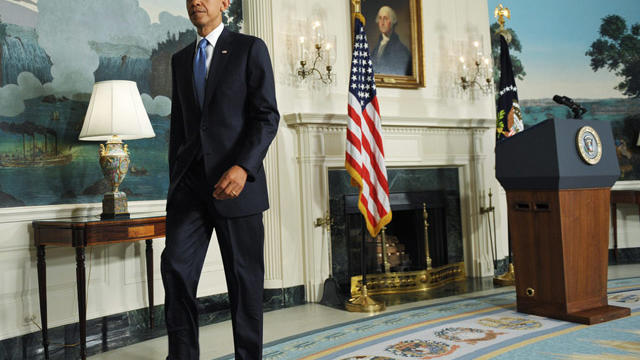
As politicians in Washington D.C. fight like children in a sandbox that is too small, the nation waits for a deal that will avoid a national default.
By now, most Americans have probably heard the worst-case scenarios with hitting the debt ceiling: a dipping dollar, loan difficulties, a jump in interest rates. So, how likely is a worst-case scenario?
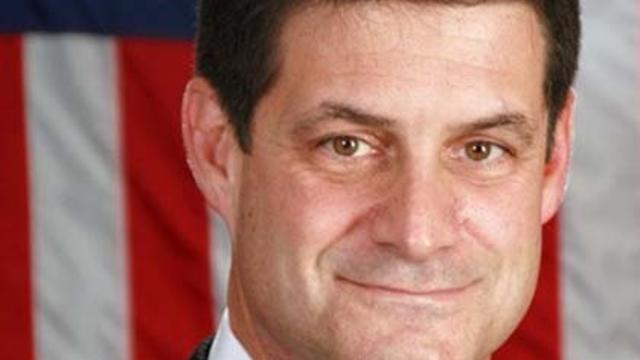
Minnesota Congressman Chip Cravaack has bucked Republican leaders and voted against a House bill to raise the debt ceiling and avoid a government default.