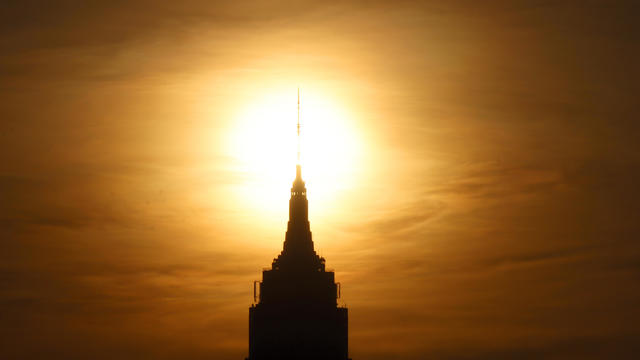
U.S. cities are "heat islands." Experts say it's going to get worse.
The urban heat island effect can make the country's most populated cities 20 degrees Fahrenheit warmer than nearby areas. Climate change will only make it more suffocating.
Watch CBS News
The urban heat island effect can make the country's most populated cities 20 degrees Fahrenheit warmer than nearby areas. Climate change will only make it more suffocating.

It's important to quench your thirst this week as temperatures soar. But no matter how hot it is outside, our bodies need to stay hydrated.
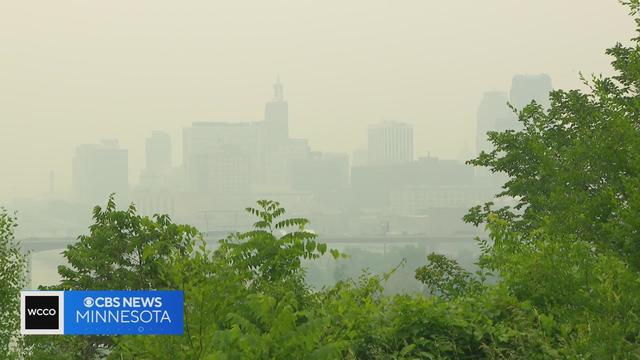
Summer heat is nothing new in Minnesota, but first responders are urging people to be extra cautious this week as temperatures could feel like triple digits.

As millions across America battle heat waves, Minnesota is bracing for its own week-long streak of temperatures, which can be dangerous if people don't take precautions.

Hennepin EMS first responders are always ready for an emergency. But dangerous heat in the next few days could mean more calls for help.

Big River Farms says the lack of moisture has also hurt cover crop soil, which will be used for next year's growing season.

All it takes is a few minutes for the temperature in cars to hit triple digits, even when it's 80 degrees Fahrenheit outside.

"During periods of extreme heat, urban areas experience hotter temperatures due to the UHI effect. But, also, there's more population in these areas, and more people potentially vulnerable to the effects of heat," WCCO meteorologist Mike Augustyniak said.
Heat waves and fine particulate pollution combine to raise heart attack risk, according to a new study published in American Heart Association's journal Circulation.

It's imperative for Minnesotans to be mindful of the warning signs of heat exhaustion and heat stroke during streaks of hot temperatures. Here's what to know.
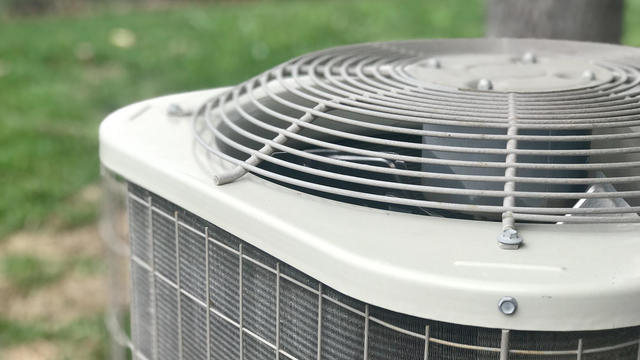
With extreme heat on the way this week, many Minnesotans are expected to crank up their air conditioners. But there are ways to save while you cool down.

Our hot and dry summer is putting a majority of Minnesota in It's providing a challenge to area golf course managers, who are looking to keep the greens just that.
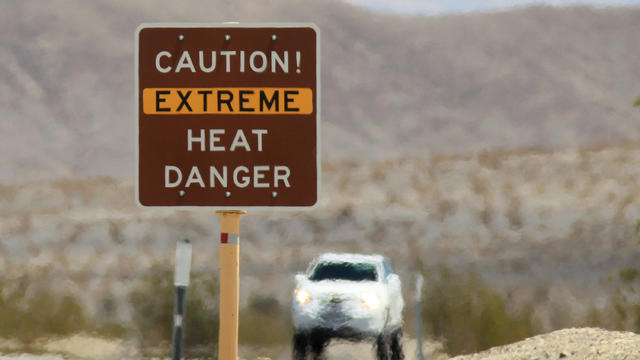
The National Park Service said park rangers suspect heat may have been a factor in the 71-year-old's death.

Researchers are testing how much heat the human body can adapt to — as temperatures around the world push the limits.
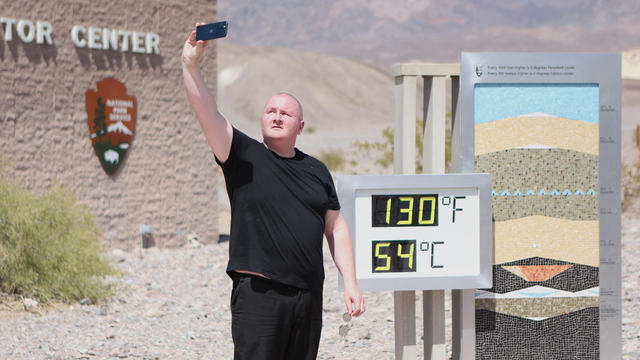
The National Weather Service says there's no immediate end in sight to the heat wave gripping much of the U.S.
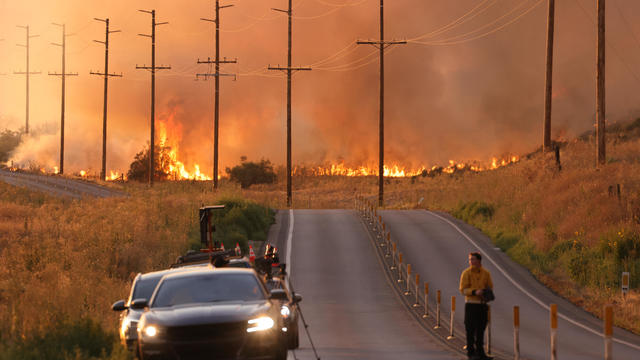
Phoenix on Saturday saw the city's 16th consecutive day of 110 degrees Fahrenheit or higher temperatures
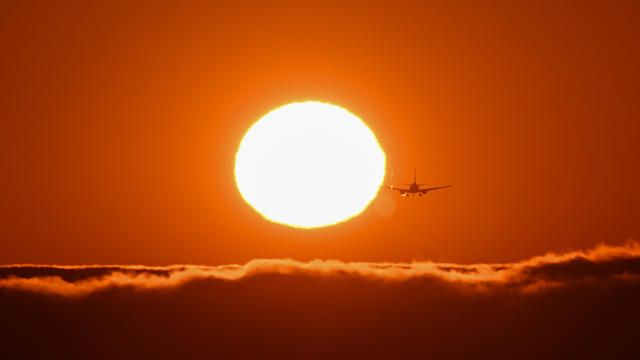
A massive heat wave is putting nearly 100 million people under intense triple-digit heat in the coming days. Here's how El Niño is contributing to the high temperatures.
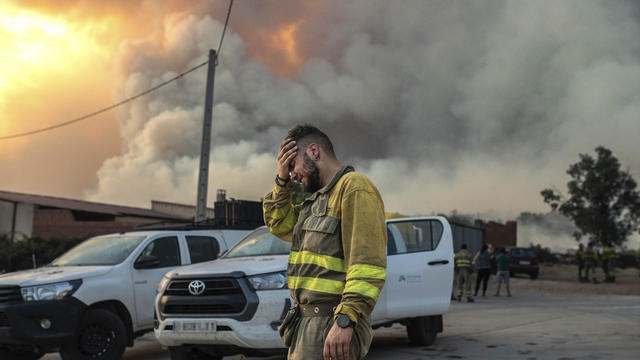
Researchers estimate that 61,672 people died due to the heat between June and September, with 11,600 deaths in one particularly intense week alone.
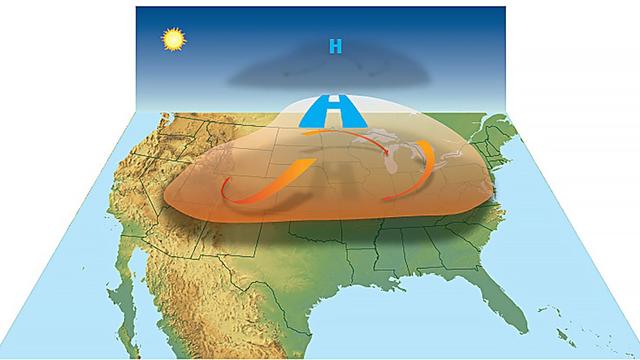
Heat domes normally persist for several days in any one location, but they can last longer.

If the heat has been too much for you already, there are easy things you can do to stay cool without breaking the bank.

Europe is a leader in climate mitigation. That couldn't save it from also becoming a leader in temperature increases.
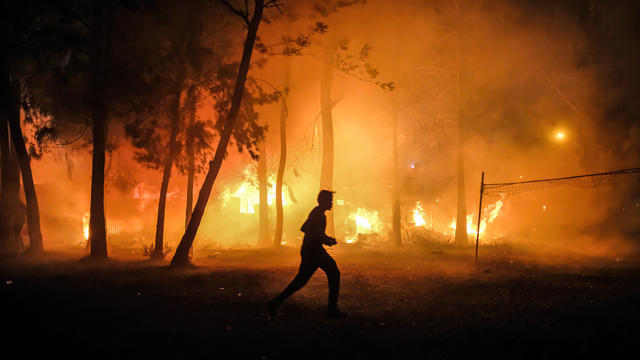
Nations pledged to limit global warming to 1.5 degrees Celsius, but three new U.N. reports show that the world is on track to hit nearly double that in less than 80 years.
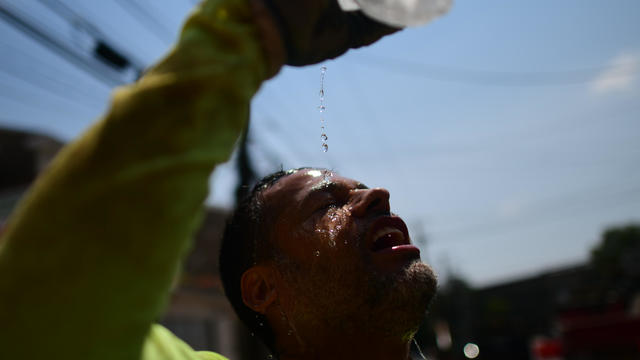
Researchers project that more than 100 million people will soon live in regions where the heat index reaches 125 degrees.

Minnesota state climatologists wouldn't consider this week an extreme heat wave -- but there is a trend they're noticing when those heat waves do pop up.
Emergency managers around the state are working to protect families from the extreme heat.