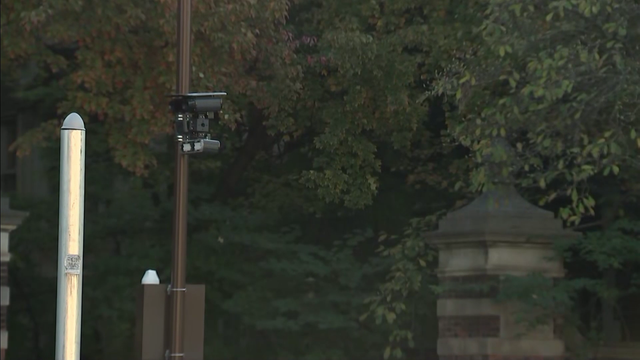
Philadelphia Councilman Wants To Eliminate $50 Annual Fee For Home Alarm Systems
Homeowners in Philadelphia who have security systems have to pay a $50 annual fee to the city. Now, a councilman says that fee is unfair and he wants it eliminated.
Watch CBS News
Homeowners in Philadelphia who have security systems have to pay a $50 annual fee to the city. Now, a councilman says that fee is unfair and he wants it eliminated.

Sugarhouse next year hopes to begin construction of its second phase, says 1st District councilman Frank DiCiccio, "to expand their facility, create a multi-level parking garage, and more public space."

This bill, approved by a 15-2 vote, applies only to companies that win large contracts with the city. Mayor Nutter vetoed an earlier version.

The vote came despite objections from the ACLU, which called the bill unconstitutional.

After he sparred with a representative from the Chamber of Commerce, a City Council committee has approved Councilman Wilson Goode's scaled-back version that would require paid sick leave only at large firms that have large city government contracts.

Councilman Jim Kenney says an open-door policy of the city's Records Department is prompting the misuse of accident report information and he says some accident victims are getting scammed.

City Council two weeks ago overrode a veto by the mayor and gave final approval to a series of changes to DROP. The union representing city blue-collar workers says changes must be negotiated.
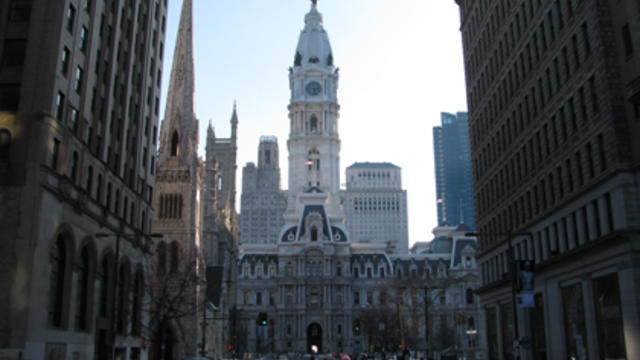
Vernetta Burger told the City Council committee that after she denied her estranged husband a visit, he broke down the door and beat her to a point where she feared for her life. When she later decided to move, the landlord held her to terms of her lease.

It was originally supposed to go into effect last July, but has yet to be implemented as city officials try to make adjustments to it.

Some dramatic testimony dominated the hearing. Several women who have been abused by their husbands or ex-husbands testified that they couldn't get out of leases when they tried to move.
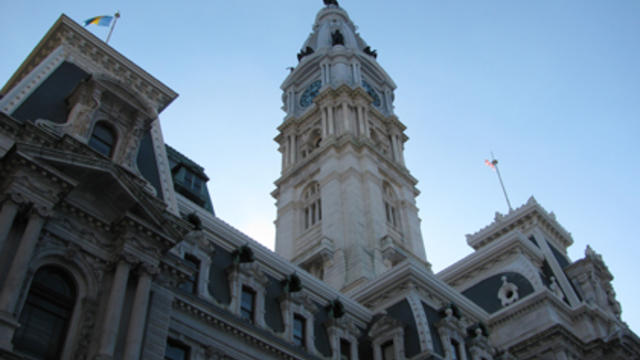
Philadelphia is inching closer to a sweeping overhaul of its woefully out-of-date zoning code.

Community groups concerned about losing their voice in the process dominated the second City Council hearing on the plan to rewrite, top to bottom, the city's antiquated zoning laws.

On Thursday, the Nutter Administration unveiled its plan to permanently tighten the city's curfew law with earlier hours. Several changes are in store, including different curfew hours for different ages.

A Philadelphia City Council member is continuing his effort to reign in what he says are unsightly satellite TV dishes on row home roofs, much to the industry's chagrin.
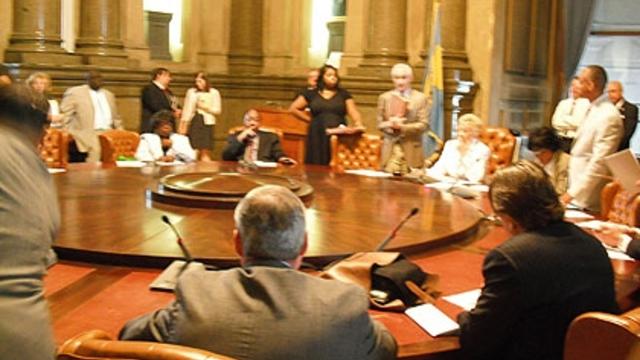
After weeks of closed door wrangling, Council approved a map that will take effect for elections in four years.
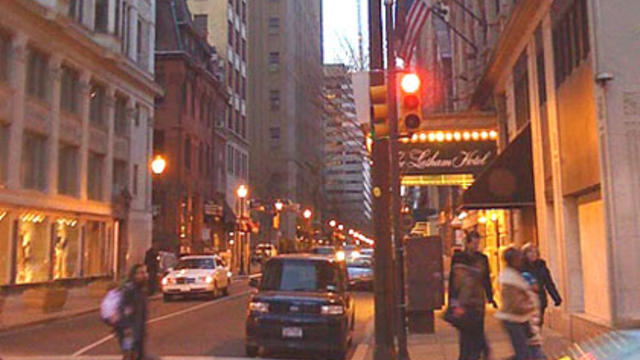
The plan before City Council's Streets Committee would have reserved a single parking space for a hotel-owned car near every hotel to give complimentary local trips to guests.

Council members last week couldn't reach agreement on a new map and ended up approving two slightly different maps.

"I've seen where bouncers could have taken a deep breath, taken a little more time and maybe calm the situation, instead of laying their hands on people and making situations worse," Bill Greenlee says.

Mayor Nutter is warning of dire consequences to the city's budget after Philadelphia City Council -- ignoring his pleas -- voted to roll back the tax on fees at parking garages and parking lots.

Meanwhile, Mayor Nutter vows to keep fighting to abolish DROP outright.
The current zoning code was written in the 1930's and was last revised back in the early 1960's.

On the agenda in Philadelphia City Council this fall: at least two new plans to ease the tax burden for businesses in the city.

When City Council opens its fall session today, the members may decide to override the mayor's veto of a bill that scales back the controversial pension perk known as DROP.

The Nutter administration has extended its new weekend curfew for teens, even as it works with City Council to tweak the permanent curfew law.

The issue is "redistricting" -- the mandate that every ten years City Council redraw its boundaries to reflect population shifts.