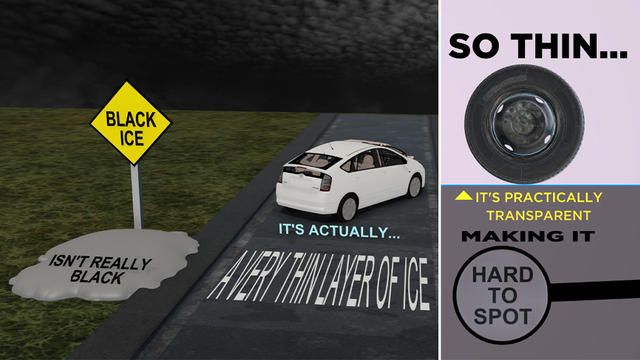
Hey Ray! How To Watch Out For Black Ice
Meteorologst Ray Petelin finds out how to spot black ice, how to more safely drive on it, and what to do if you start to slide.
Watch CBS News
Meteorologst Ray Petelin finds out how to spot black ice, how to more safely drive on it, and what to do if you start to slide.
Candles are neat, calming to some and full of science.
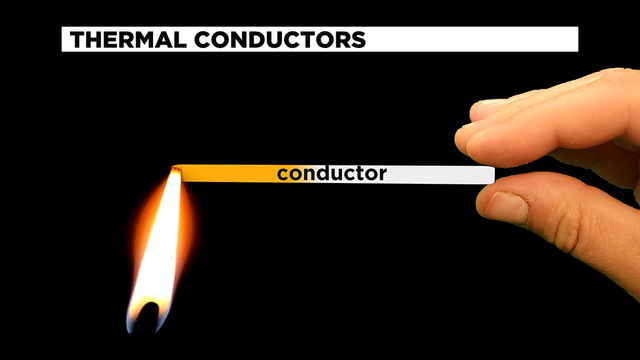
Train conductors and orchestra conductors are great, but we are going to learn more about heat conductors.
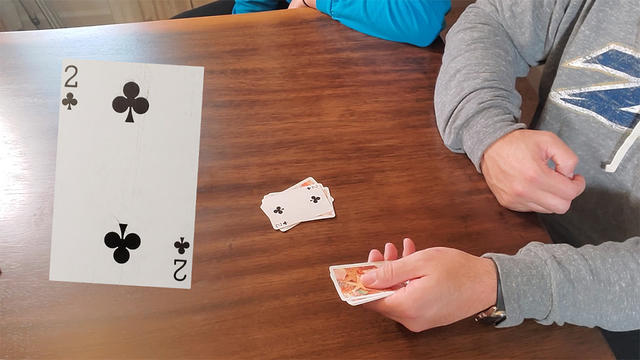
Math is a great prediction tool. You can even used grids disguised as card tricks to predict where a card will be. This week, Meteorologist Ray Petelin shows us what he calls a "Raymix" of a math-based card magic trick he showed us in one of the first Hey Ray segments.
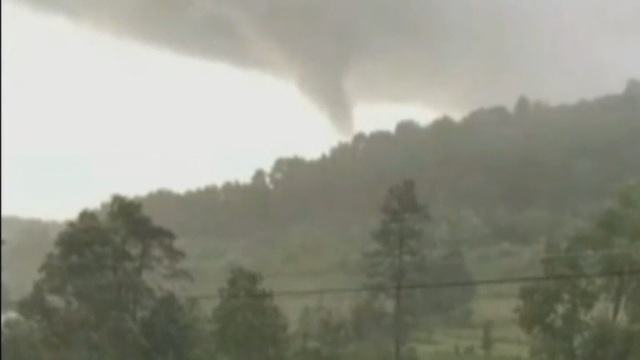
After tornadoes hit our area, I get some very good questions, and hear some untrue myths. One of them is the misconception that tornadoes don't form near mountains, valleys or lakes.
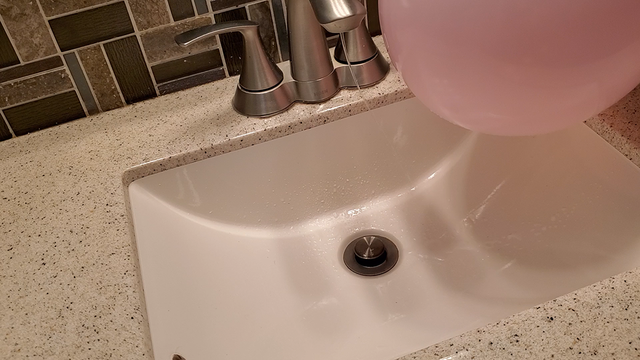
Water and electricity should never mix. I think everyone knows that. In this experiment, though, we are going to do an experiment with static electricity and water. All we need is a balloon, a gentle stream of water, and some hair.
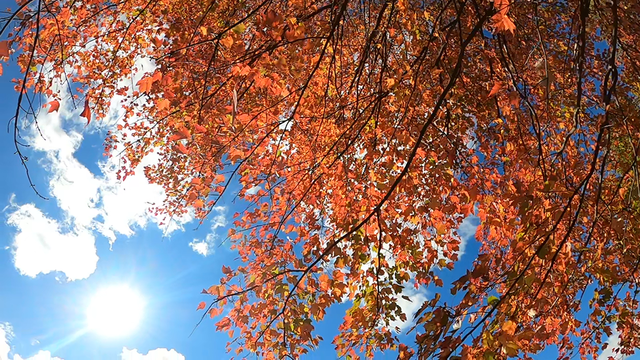
Many people love the fall because of the colors foliage becomes before they drop their leaves.
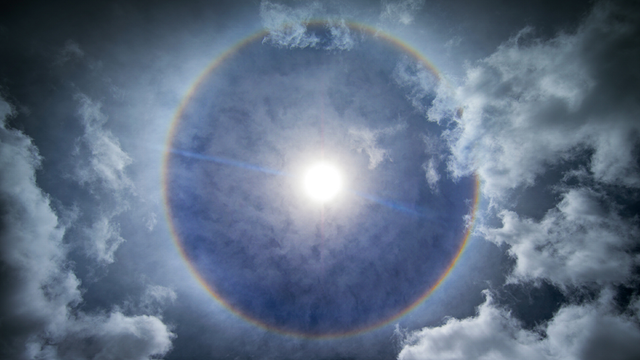
When you hear the word halo, you may think of an angel. The topic here is halos, but these ones are in the sky, and something I get asked about a lot.
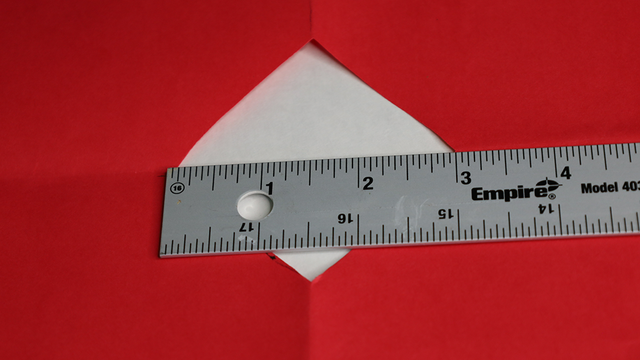
I have a new problem this week. I need to get a round coaster through a square hole without ripping the paper.
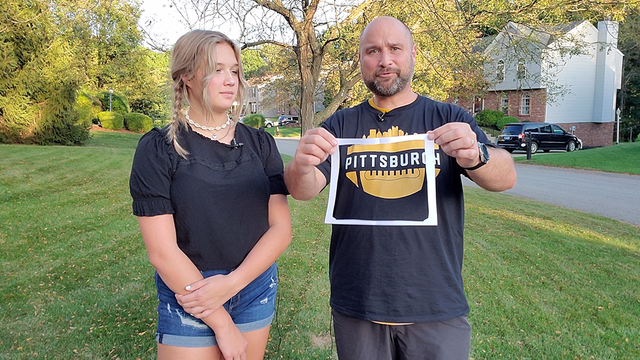
I had a bit of a problem. I needed to fit my entire body through a hole in a standard piece of printer paper. While this isn't a real problem, it is a fun way to show how the perimeter and area of something is related.
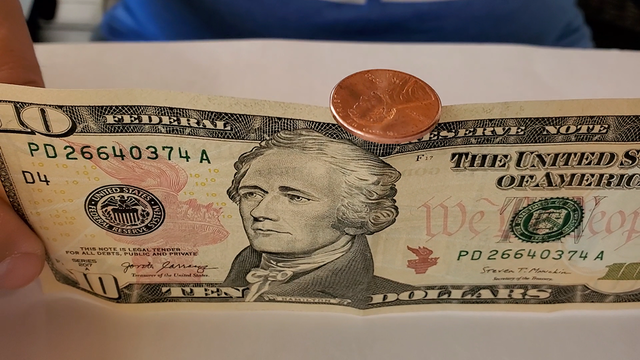
Sometimes, seemingly real things on the internet turn out to be fake, and sometimes seemingly fake things on the internet turn out to be true.
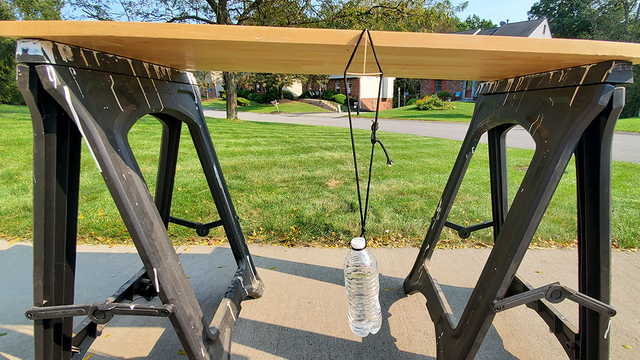
We have discussed gravity in a couple different experiments. This time, I am going to show you something that may seem almost impossible to do.
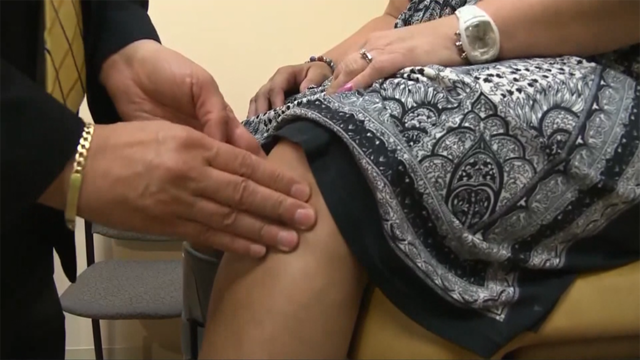
The atmosphere has weight. The near average weight is 14.7 pounds per square inch. That means every square inch of your body, on average, has 14.7 pounds of atmosphere pushing on it.
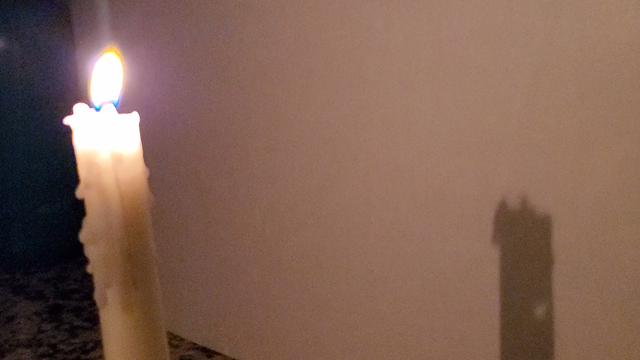
Shadows are pretty much an everyday or every night occurrence. Since light travels in a straight line, when something gets in the way of that path, it creates an absence of light, or a shadow.
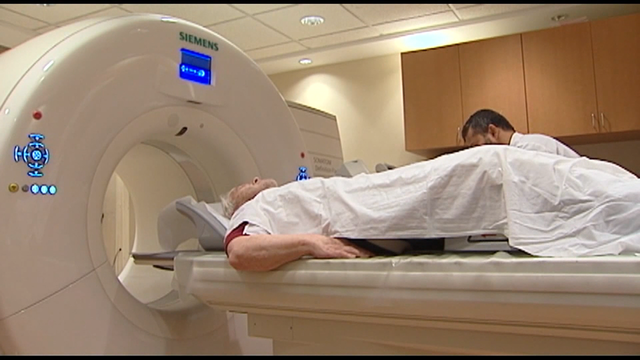
Have you ever had to get an MRI? That is the loud machine with a very powerful magnet that can make images of the inside of your body.
Ever since people looked for ways to predict the weather, one of those ways has been using caterpillars to determine the severity of an impending winter. Ray Petelin explains the theories in a new Hey Ray!
This time of year, it's a common weather question: What is the difference between hurricanes and nor'easters? Ray Petelin is here to explain!
Have you ever noticed that thunder sounds louder at night? Ray Petelin explains why in a new Hey Ray!
With summer heading to its conclusion, hummingbirds are about to migrate south. Ray Petelin shows you how you can prepare to say goodbye to your friends in a new Hey Ray.
It used to be said that video games were bad for you, but they have become the building blocks of some pretty cool things, including KDKA-TV's new studio! Ray Petelin explains in a new Hey Ray!
A viewer noticed a "hole" in the clouds in the sky, and in this edition of Hey Ray, Ray Petelin explains how these form!
When it's hot, you're always looking for a way to cool off, but did you know you can give your heat to other objects? Ray Petelin explains in a new Hey Ray!
Security cameras can pick up some interesting things, and there is one thing that shows up on cameras that Meteorologist Ray Petelin gets asked about a lot, and today he has the answer.
Summer officially begins on Sunday morning in Pittsburgh, and Ray Petelin is here to break down the "summer stats" for you!
You may know that Ray Petelin considers himself a "Bird Nerd." Today, he is going to show you how to get hummingbirds to come over for a close-up visit!