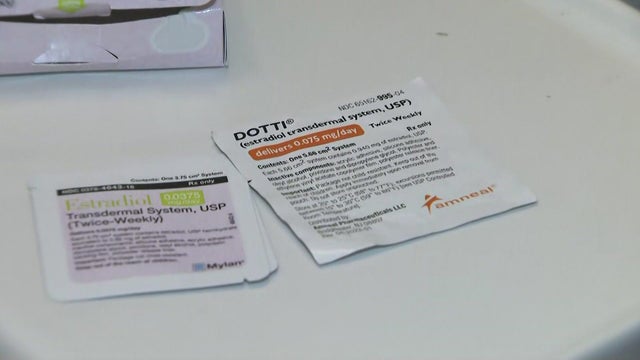
Senate passes climate, health and tax bill in major win for Democrats
The bill's passage is a significant achievement for Democrats as they look to maintain their hold on Congress in the November midterm elections.
Watch CBS News
The bill's passage is a significant achievement for Democrats as they look to maintain their hold on Congress in the November midterm elections.
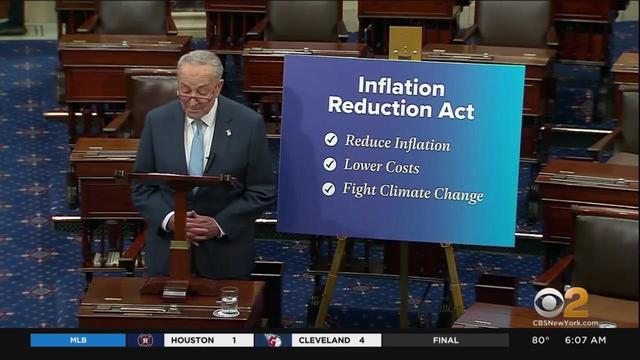
Senators debated amendments to the economic bill, which contains many of President Biden's climate, energy, health and tax goals.
The Senate's nonpartisan rules arbiter has dealt a blow to Democrats' plan for curbing drug prices.
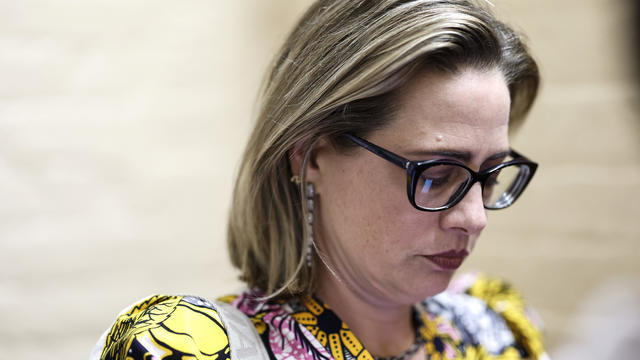
Sen. Kyrsten Sinema, a centrist who was seen as the pivotal vote, said in a statement that she had agreed to changes in the measure's tax and energy provisions.
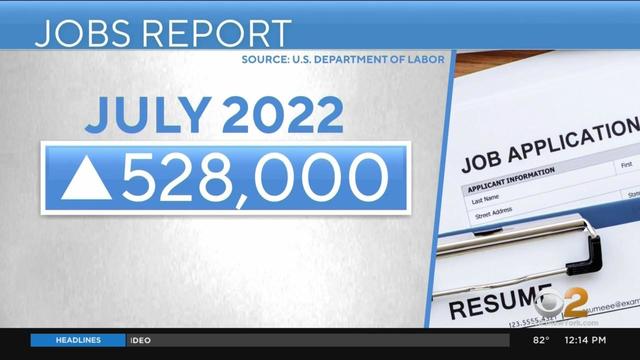
The Labor Department said practically all jobs lost during the pandemic have been restored.
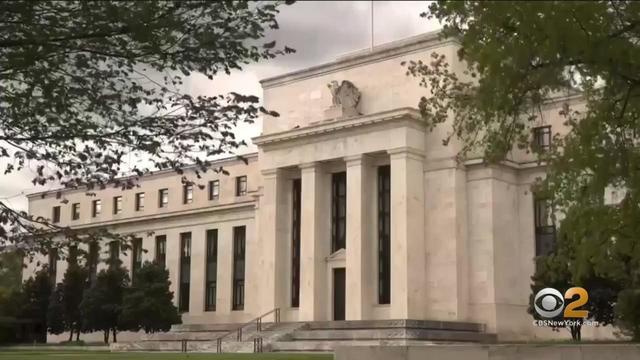
The economy shrank again in the second quarter, fueling debate about whether or not the country is in a recession. CBS News reports.
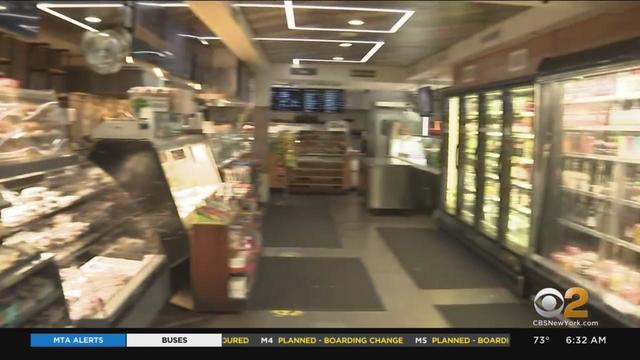
Depending on what the report says, we could be officially in a recession. CBS2's Zinnia Maldonado has more.
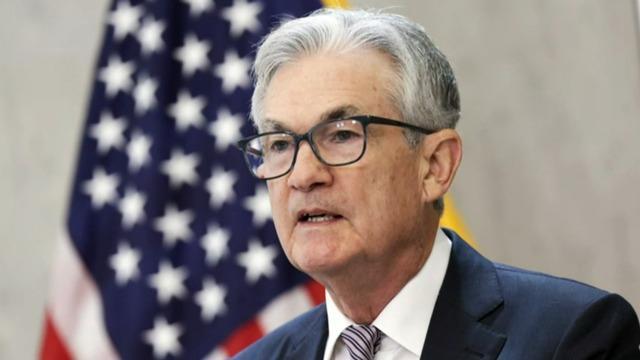
The Federal Reserve, as expected, announced it is raising interest rates by three-quarters of a percentage point to help tamp down inflation. CBS News' Tanya Rivero and Christina Ruffini get analysis of the economic and political impact from Ted Rossman, senior industry analyst at Bankrate.com; CBS News political correspondent Caitlin Huey-Burns; and Michelle Singletary, Washington Post personal finance columnist.
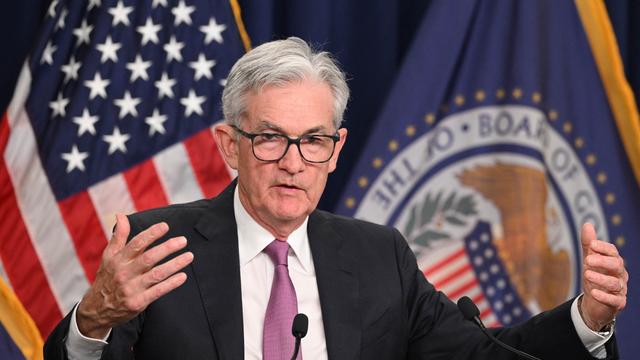
The rise in the federal funds rate, which is what banks charge each other for overnight loans, comes as several significant pieces of economic data are released this week.

Prices for just about everything are at a 40-year high, and as CBS2's Dave Carlin reports, even the least expensive items at bodegas and shops around New York City are getting hit.
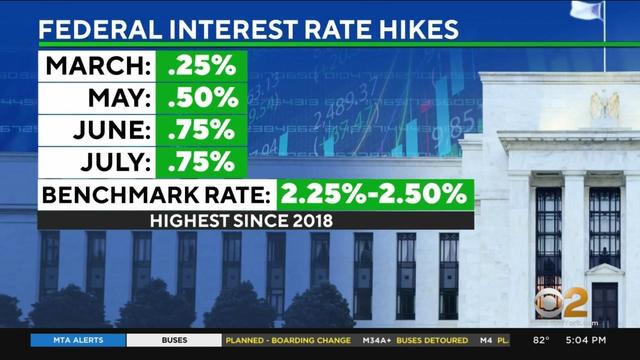
Inflation continues to squeeze consumers, so Wednesday, the Federal Reserve raised interest rates 0.75 percent, meaning it will cost more to borrow money. The economic trouble is leaving families more worried about their bottom lines. CBS2's Dick Brennan has more on the reason why we keep seeing rate hikes.
The move is meant to curb historically high inflation.
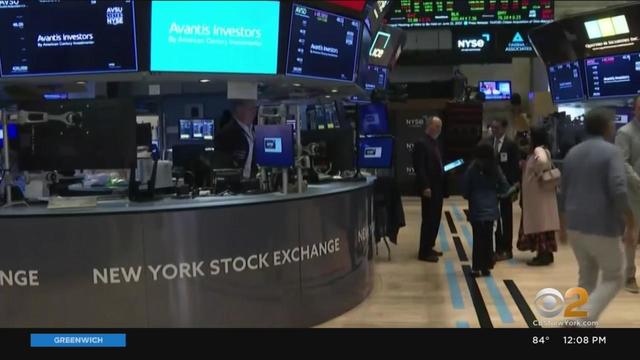
As CBS2's John Dias reports, there are a number of factors contributing to this key week for the state of the economy.
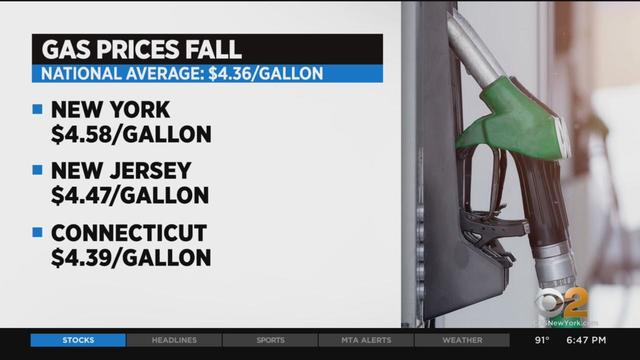
The nationwide average for a gallon of regular plunged to $4.36.
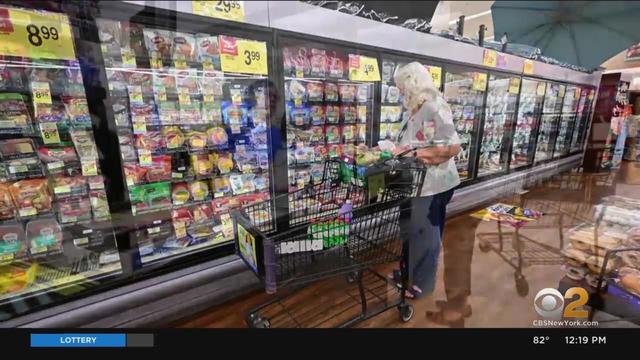
The newest figures are raising some serious concerns about our economy.
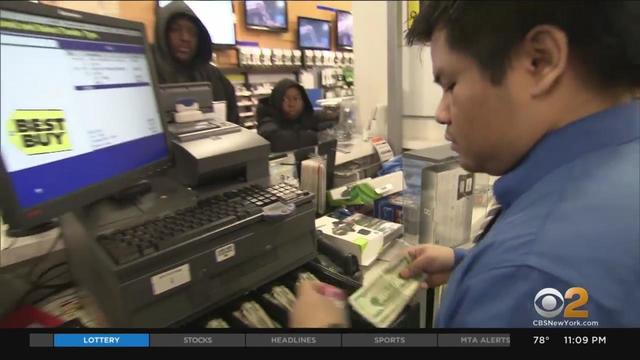
Inflation is hitting nearly every part of the economy and there is no quick end in sight, but as CBS2's Dick Brennan reports, many consumers continue to spend as the job market remains strong.
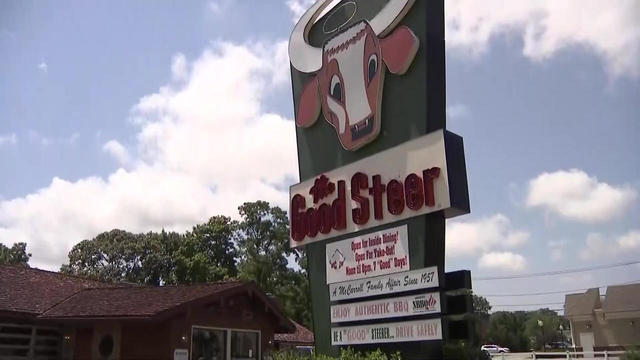
Many owners say they are making drastic changes to how they operate or closing down for good.
Inflation has flown past 9 percent, and we're all feeling the squeeze. Some restaurant owners told CBS2's Jenna DeAngelis they are either making changes or shutting down.

Prices continue to climb for everything from gas, to food and rent. CBS2's Lisa Rozner reports.
This comes as Americans see consumer prices skyrocket on everything from groceries to gas. CBS2's Elijah Westbrook reports.
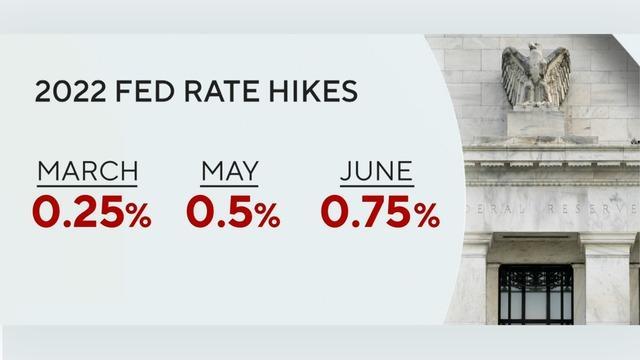
Move comes in an effort to put the breaks on rising costs, but it means loans and credit cards will cost more.
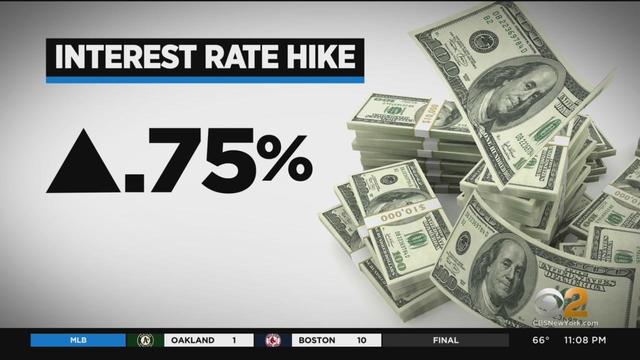
CBS2's Nick Caloway has more on what this could mean for your wallet and investments.
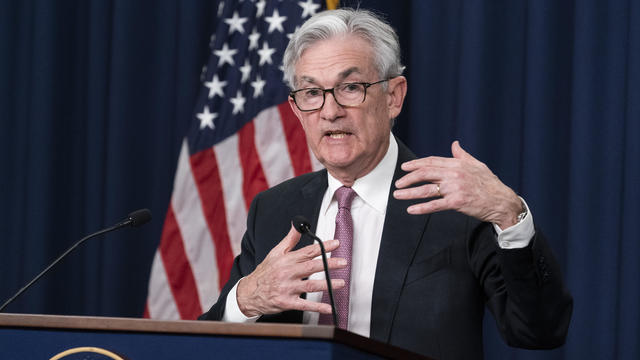
"Inflation is much too high," Fed Chair Jay Powell said of the U.S. central bank's largest rate hike since 1994.
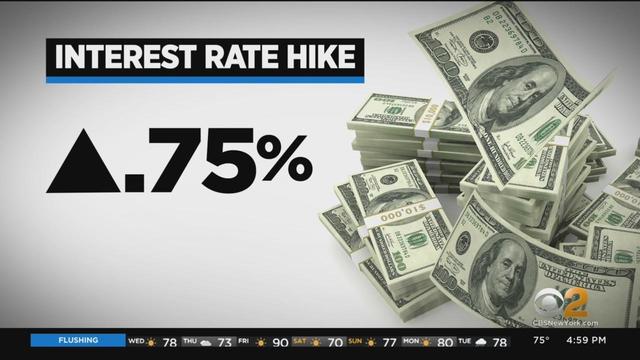
The Federal Reserve announced an aggressive interest rate hike. The move comes as a way to combat inflation. CBS2's Aundrea Cline-Thomas has a look at what this means for your wallet.
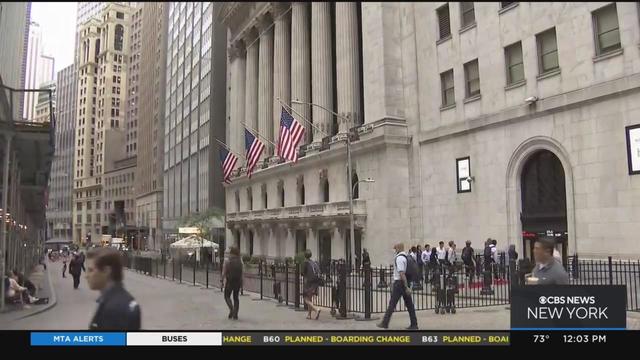
Many Americans are worrying about their retirement funds as stocks dropped drastically yesterday. CBS2's Elijah Westbrook has more on what this means.