Unemployment In Minnesota Falls To Lowest Level Since 1999
Minnesota's unemployment rate has fallen to its lowest level in more than 20 years as more people return to work.
Watch CBS News
Minnesota's unemployment rate has fallen to its lowest level in more than 20 years as more people return to work.

Employers across Minnesota are getting bills for higher unemployment insurance taxes after legislative leaders failed to reach a deal by a Tuesday deadline to avert an automatic hike.
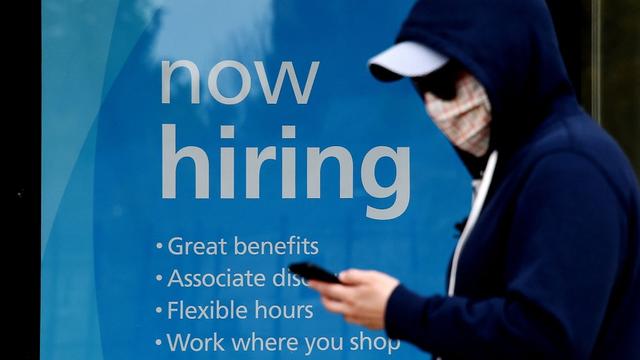
Minnesota's unemployment rate dropped to pre-pandemic levels in December, hitting 3.1% for the first time since 2019.
More Minnesotans are returning to work as the state's unemployment rates decreased, according to numbers released today by the Minnesota Department of Employment and Economic Development.
The nationwide unemployment rate in August was 5.2%. A year ago, in August 2020, the Wisconsin unemployment rate was 6.1%. Wisconsin lost 8,200 private sector jobs in August. Compared to a year ago, 70,300 more people were working in the private sector.

Thousands of Minnesotans are losing their federal unemployment benefits Sunday.

Minnesota's unemployment rate held steady at 4% in June as the state recorded its first month of job losses since December.

From a Minneapolis post office to a pizza staple in Grand Marais, the plea for workers is plastered nearly everywhere you look.

Minnesota's unemployment rate continued to decline in April, dropping to 4.1%. That's down from 4.2% in March as more Minnesotans find work or return to jobs lost during the COVID-19 pandemic.

Employers in Minnesota reported more than 127,000 job vacancies in the last quarter of 2020, according to the Department of Employment and Economic Development.
State officials say Minnesota's unemployment rate dipped to 4.2% in March, down from a revised 4.4% in February, though people of color continue to feel the deepest impact of job loss due to the pandemic.

Minnesota's unemployment rate dropped to 4.3% last month from 4.5% in January, state officials said Thursday, but the state still needs to make up ground on the road to economic recovery.
State officials announced Thursday that Minnesota's unemployment rate dropped to 4.3% last month, down from 4.5% in January.

It's no secret the pandemic is tough on parents. But, Minnesota parents -- specifically mothers -- are taking an extra hard hit.

Gov. Tony Evers signed a bipartisan tax cut bill into law Thursday and signaled support for another bipartisan measure to help update the state's unemployment insurance system, rare compromises that come as Republicans have roundly denounced much of his state budget proposal as a liberal wish list.

The Wisconsin Senate is poised Thursday to approve a bipartisan bill designed to begin updating the state's antiquated unemployment insurance system that Gov. Tony Evers has blamed for causing delays in the processing of claims filed during the coronavirus pandemic.
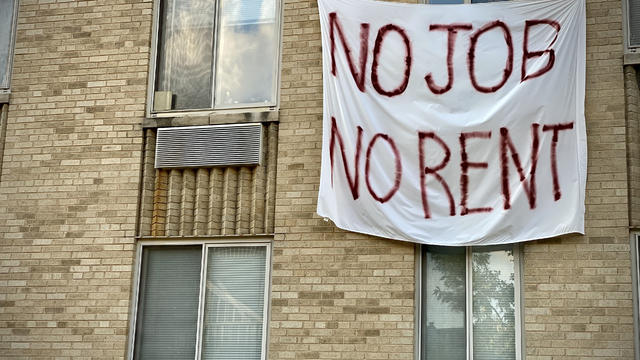
State officials say Minnesota's unemployment rate dropped slightly last month as more Minnesotans left the workforce and the state shed nearly 50,000 jobs amid the tightened COVID-19 restrictions.

The proposed $908 billion coronavirus relief package is gaining traction in Congress. But will it be enough, and will it come in time?

The decision will make $14 million to $28 million available to teens across the state. A local group of students brought forward this issue to make a change.
State officials say Minnesota's unemployment rate dropped significantly in October. However, they noted that the main reason for the drop is that more Minnesotans are leaving the workforce.
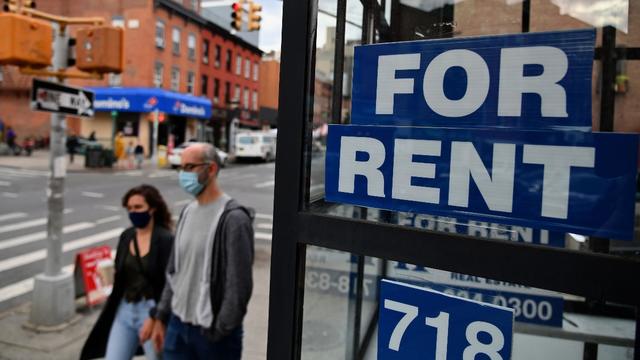
In an economy beset by pandemic-induced hardship, why is Wall Street thriving while Main Street is struggling?
Wisconsin's unemployment rate dropped from 6.3% in August to 5.4% in September, below the national rate but 2 points higher than a year ago as the state deals with a surge in coronavirus cases.

Spending from the first round of stimulus propped up the economy. But that money is gone, and a more stimulus is unlikely in the coming weeks.

More stimulus checks would help suffering Americans and prop up the sagging U.S. economy, but Democrats and Republicans haven't yet agreed on a deal.

The revised HEROES Act, passed by Democrats in the House, would still include stimulus payments and enhanced unemployment benefits.