Stimulus Check Update: What's The Latest On A Second Payment Package?
Stimulus discussions are back on the table in Washington, but time is growing short to deliver a second round of stimulus payments before the election.
Watch CBS News
Stimulus discussions are back on the table in Washington, but time is growing short to deliver a second round of stimulus payments before the election.

Time is running out on a stimulus package passing before the election, even as the need for another stimulus check and additional unemployment payments remains strong.

Unemployed individuals who qualify for an additional $300 under Trump's Lost Wages Assistance program may receive up to six weeks worth of benefits.

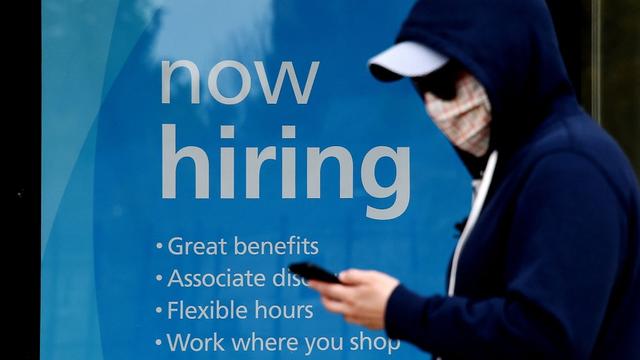
Instead of promoting doorbuster deals and sales, the company will advertise job openings. They will be transforming their stores across the country - over 525 of them - into job centers.

President Trump's Lost Wages Assistance program is intended to increase weekly unemployment benefits, but implementation has been slow.
Gov. Tim Walz has announced an extra $300 in new weekly unemployment benefits, to be funded by money from the CARES Act.
While Minnesota's unemployment rate dropped to 7.7% last month, down from 8.6% in June, there's still a long road ahead to economic recovery as many remain jobless amid the COVID-19 pandemic.

With the city's bustle all but gone, hotel guests are missing too. It's evident by the recent layoffs of 51 workers at the Crown Plaza Northstar Downtown hotel.

States react to President Trump's executive order extending additional weekly unemployment insurance payments in the amount of $400.

Whether President Donald Trump has the constitutional authority to extend federal unemployment benefits by executive order remains unclear. Equally up in the air is whether states, which are necessary partners in Trump's plan to bypass Congress, will sign on.

President Trump signed several executive orders pertaining to unemployment relief on Saturday, including extending enhanced unemployment relief benefits, but at $400 a week instead of $600.

Unemployment's sizable decline in July still reflects a slowing economic recovery in the face of the unchecked coronavirus pandemic.

With the first round of economic stimulus running out, millions of Americans are about to take a massive hit to their household budget.

To get through the pandemic, hundreds of thousands of Minnesotans are relying on unemployment benefits, plus an extra $600 from the federal government. But that extra boost will end this weekend, because congress hasn't come up with a plan to extend it.

Organizations are calling on lawmakers to extend unemployment benefits to high school students before Minnesota's special session ends.

Minnesota's unemployment numbers have receded from their May peak of 9.9%, as reported by Minnesota DEED, to 8.6% in June.
Minnesota state officials are reminding those receiving unemployment insurance benefits to plan ahead with the additional weekly $600 federal payment expected to end later this month.

In all, the private sector added 27,500 jobs in May, for a gain of 1.3%. However, that was offset by job losses in government, information and manufacturing, totaling 17,700.
The unemployment rate took a surprising drop, but while hope exists the road to recovery remains uncertain.

The unemployment rate in Wisconsin more than quadrupled from 3.1% in March, a level not seen since the Great Depression.

The Minnesota Department of Employment and Economic Development says 359,800 jobs were shed in the first month since the state implemented its stay-at-home order.

Wisconsin's unemployment rate hit 14.1% in April, a level not seen since the Great Depression, the state Department of Workforce Development reported Thursday.

Jill Schlesinger, certified financial planner and CBS News business analyst, looks at how to devise a game plan for paying bills when money is tight.

Gov. Walz has loosened some of the COVID-19 restrictions that have shut down businesses for months. That's some good news -- but it may not be enough to ease massive unemployment around the state.

A staggering 29 million Americans lost their jobs in April as the spreading coronavius shuttered stores, factories and offices, canceled events, and brought transit around the country to a sudden stop.