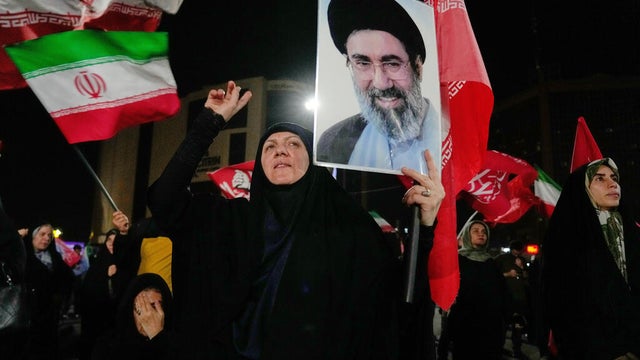
Iran calls U.S. response "insufficient" amid stalled talks to end the war
After Saudi Arabia said Iran's Houthi allies carried out another strike at Riyadh's airport, Iran called the U.S. effort to negotiate toward ending the war "insufficient."
Watch CBS News
After Saudi Arabia said Iran's Houthi allies carried out another strike at Riyadh's airport, Iran called the U.S. effort to negotiate toward ending the war "insufficient."

As Iran responds to Trump's threat of annihilation with its own warning of a possible "new front" in the war, global oil prices are rising again.
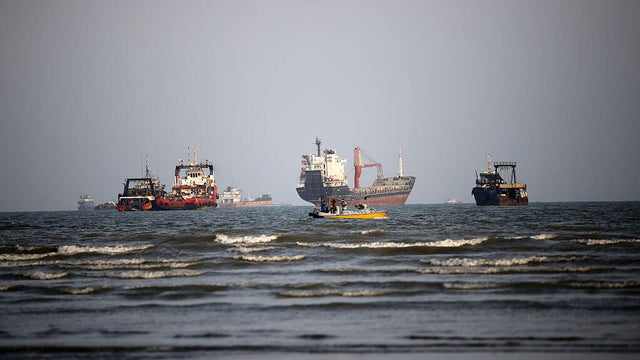
The alerts did not cite a specific threat, but called for Americans to "exercise heightened vigilance."
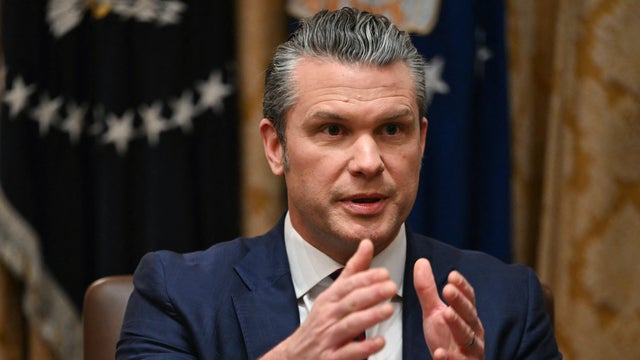
The Pentagon watchdog released its report on Defense Secretary Pete Hegseth's use of Signal to share details about operations in Yemen.
A favored advisor pushed to get Hegseth an extra desktop computer in his office that he could use Signal on, ostensibly for personal communications so he could more easily text friends and family from the Pentagon, the sources said.

The messages were sent the same day Hegseth shared similar details in a separate Signal chat that inadvertently included The Atlantic's editor-in-chief.
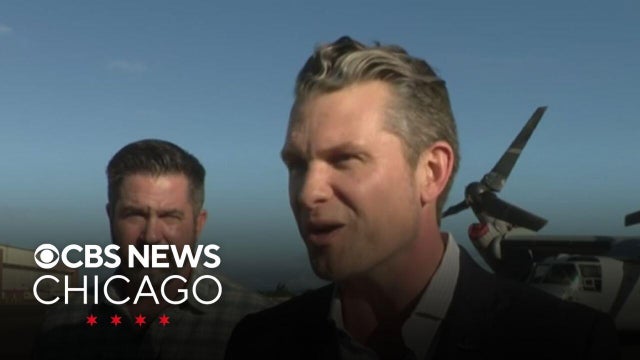
The thread reportedly included Defense Secretary Pete Hegseth's wife, brother, and personal attorney, as well as about a dozen top Pentagon aides.
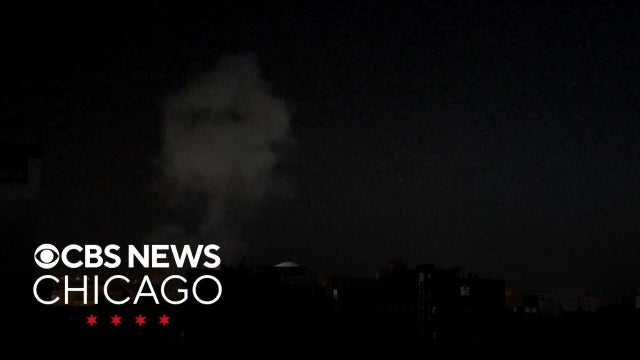
The attacks reportedly targeted the capital city of Sanaa and an island off the coast where rebels operate.
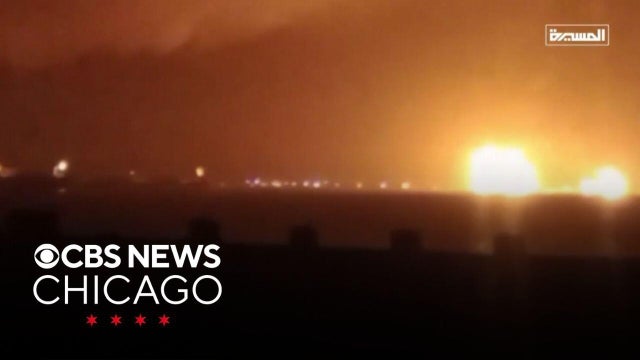
The Associated Press reported the airstrikes killed 20 and wounded dozens of others. U.S. officials said the purpose was to eliminate a source of fuel used by the Iran-backed Houthi terrorists.

A bombing video posted by the Trump administration suggests causalities in the campaign may be higher than that. A black and white drone footage released by the administration shows a group of several dozen people gathered in a circle.
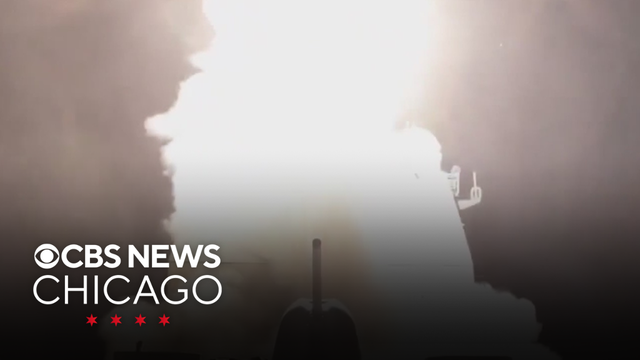
There are reports of at least one person being killed. The attacks followed a night of airstrikes Friday night.
The Trump administration is facing questions and criticism as they deny adding the editor-in-chief of The Atlantic Magazine to a group chat about military strikes in the Middle East. Sara Machi reports on what local lawmakers have had to say about it.
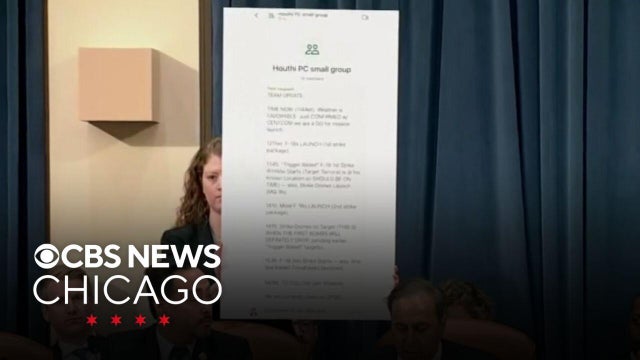
The Atlantic published additional messages Wednesday showing Hegseth provided detailed information to the group of senior Trump officials about the strikes targeting Houthi rebels earlier this month, including a timeline of when fighter jets would take off and what kind of weapons would be used.
Both U.S. senators and two members of Congress from Illinois on Wednesday took the Trump administration to task over a group chat on the encrypted messaging app Signal that included sensitive details about military strikes in Yemen.
Defense Secretary Pete Hegseth said Wednesday that nobody was texting war plans in the group chat.
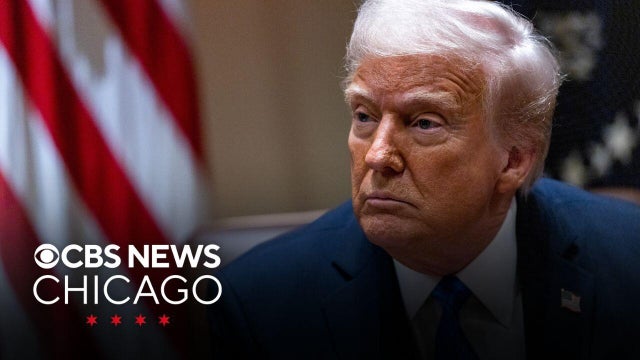
President Trump is backing his national security team, after a reporter was mistakenly added to a group chat detailing highly sensitive plans to bomb Houthi targets in Yemen. Lawmakers are demanding to know how it happened.
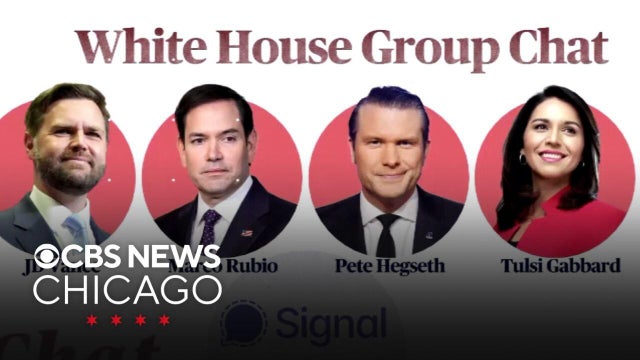
It's the group text heard around the world. Congress wants to know how a journalist ended up in a Trump administration text thread about highly sensitive military operations. Leaders of U.S. intelligence agencies were testifying Tuesday before the Senate Intelligence Committee about global security threats, one day after it was revealed that top Trump officials inadvertently included a journalist in a group chat about the United States' highly sensitive plans to bomb Houthi targets in Yemen.
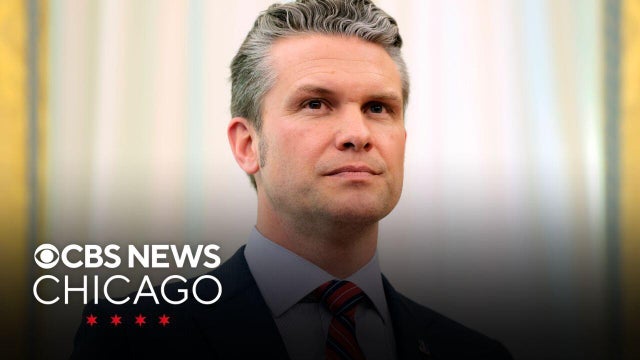
Members of Congress are demanding answers after a journalist reported he was accidentally added to a group chat with top U.S. officials who were discussing highly sensitive military plans. The National Security Council said the messages seem to be authentic. Defense Secretary Pete Hegseth is now slamming the Atlantic magazine article.
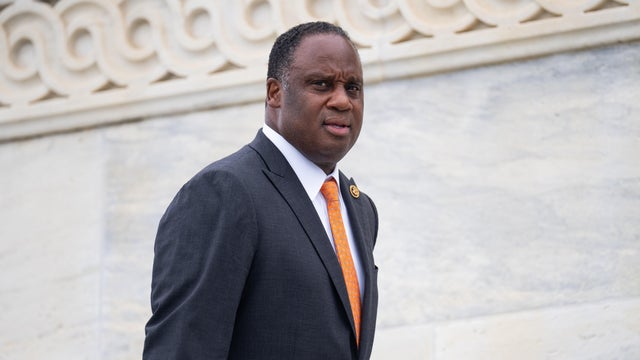
A group chat about military strikes in Yemen inadvertently included Jeffrey Goldberg, the editor in chief of The Atlantic, Goldberg wrote on Monday.
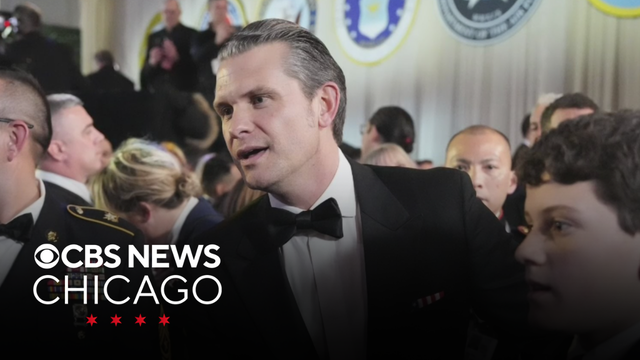
It was revealed Monday that Secretary Pete Hegseth and several other Trump administration figures discussed military strikes in Yemen on the encrypted messaging app Signal, and Jeffrey Goldberg, editor-in-chief of The Atlantic, was accidentally included.

President Trump has repeatedly said he wants to take control of the world’s largest island. Shanelle Kaul has more ion that, Waltz’s comment that the U.S. is making progress against Iran-backed Houthis in Yemen, and new signals that Columbia University’s efforts to satisfy the Trump administration’s demands could restore federal funding to the school.
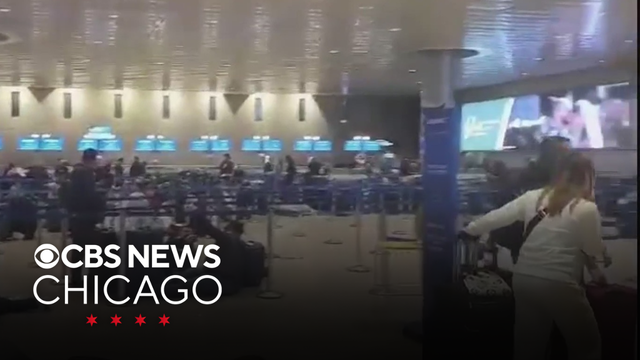
Israel's military says it intercepted a missile early this morning targeting the country's main international airport in Tel Aviv. The Houthi rebel group that runs most of Yemen claimed responsibility.
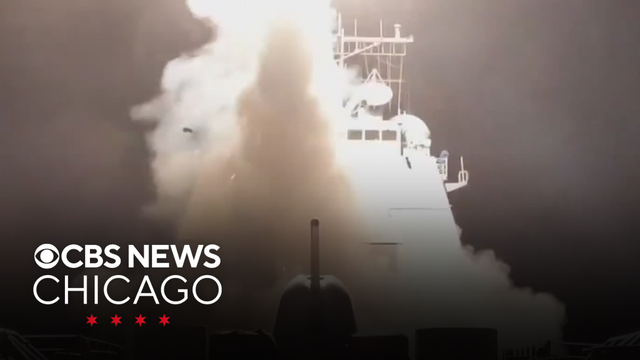
The U.S. wants the Iran-backed rebels to stop their attacks on shipping along a vital maritime corridor.
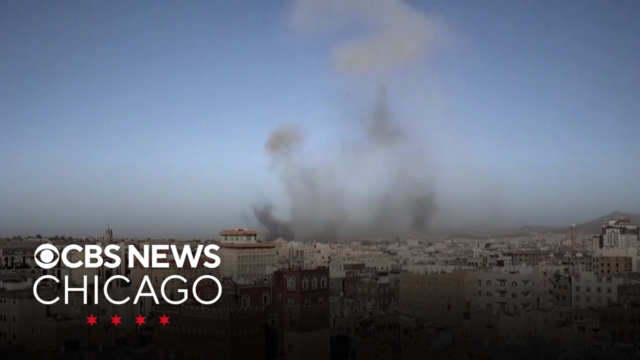
In June, the Houthi's detained 11 employees from Yemen as the rebels kept cracking down on areas under their control.
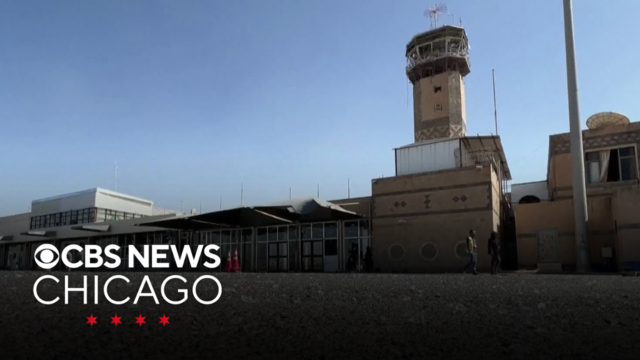
Because the strike damaged the airport's infrastructure, including its control tower, the un says its delegation now has to wait for repairs to be made before they can leave the country.