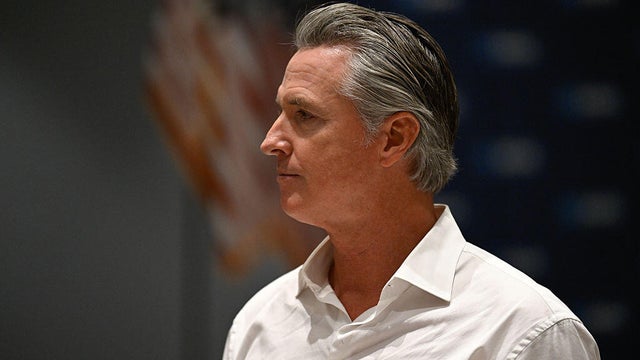
California declares state of emergency ahead of potentially historic El Niño
The order speeds up flood preparations and directs agencies to stage equipment and supplies before winter storms arrive.
Watch CBS News
The order speeds up flood preparations and directs agencies to stage equipment and supplies before winter storms arrive.
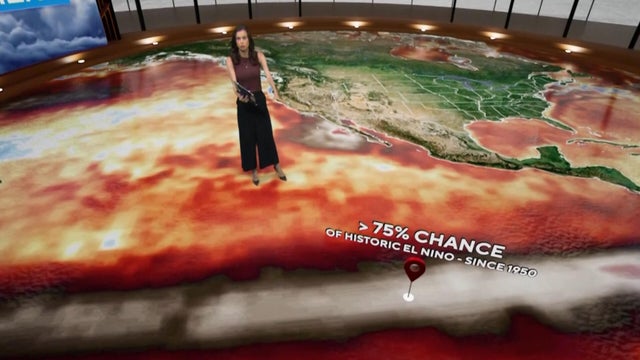
When scientists talk about El Niño, it's in terms of probabilities.

For San Francisco and Oakland, it was a record warm start to the last day of the month.
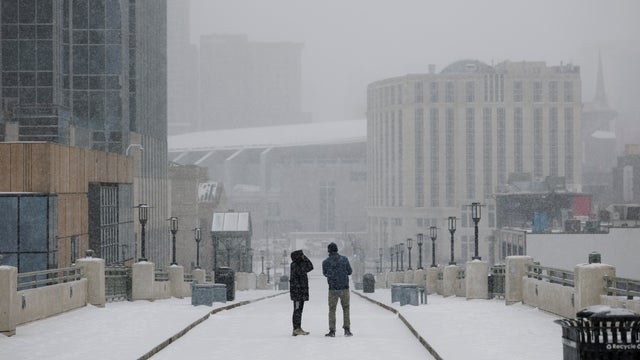
More than 230 million people are under winter storm threats as officials brace for power outages and travel difficulties.
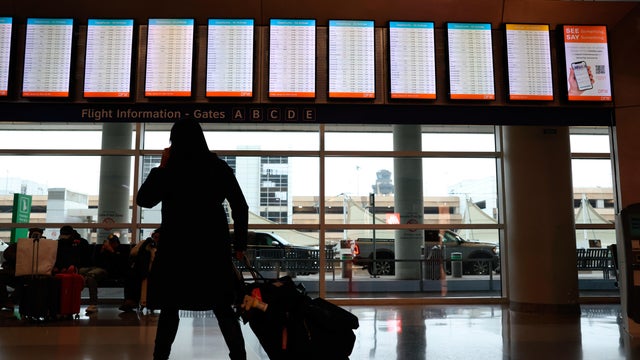
Sunday is seeing the most cancellations for a single day since the start of the COVID-19 pandemic.
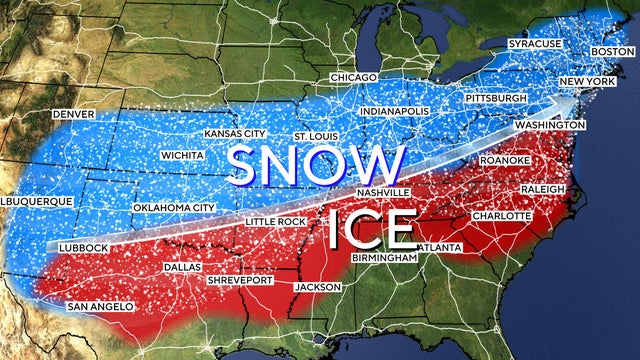
Heavy snow, ice and brutal cold are expected to make this winter storm a potentially life-threatening weather event, stretching across two-thirds of the U.S.
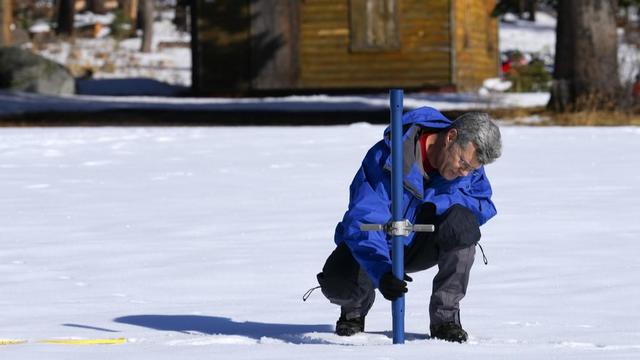
California is beginning 2025 with a solid start to the winter snowpack, but more storms are needed to keep the state's water supplies on track.
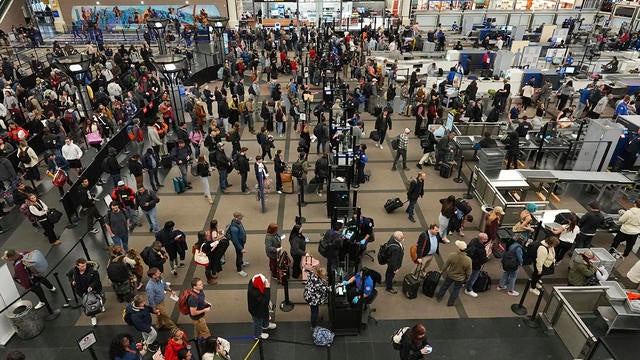
Record holiday travel is expected in the U.S. this year, with the weekend before Christmas projected to be one of the busiest times for transit.
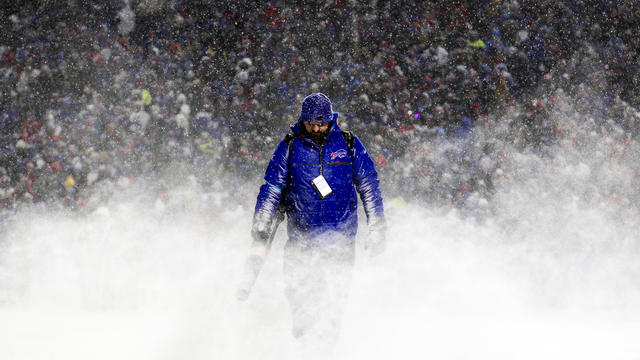
The National Weather Service said "travel could be difficult to impossible" in places where snowfall is forecast to continue into the beginning of the week.

CBS New York meteorologist John Elliott said "very intense snow" will hit communities along the Great Lakes, Plans and Midwest regions as upwards of 6 feet of snow is forecast.
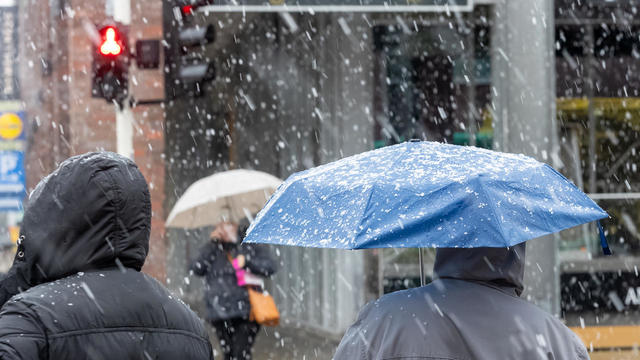
The hazards of a bomb cyclone can be multifaceted and vary based on the location and speed of the storm. Here's what to know.
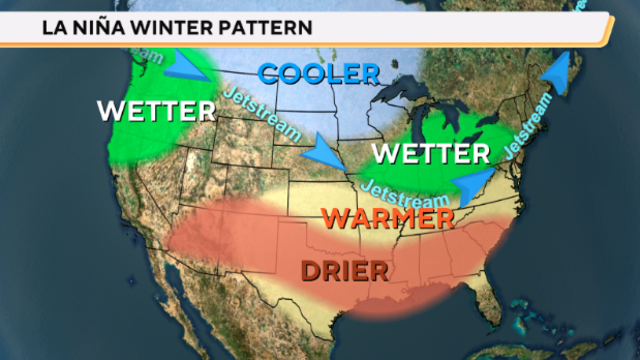
NOAA has released its seasonal outlook for the 2024-25 winter months, which predicts the U.S. will slowly transition into a La Niña pattern.
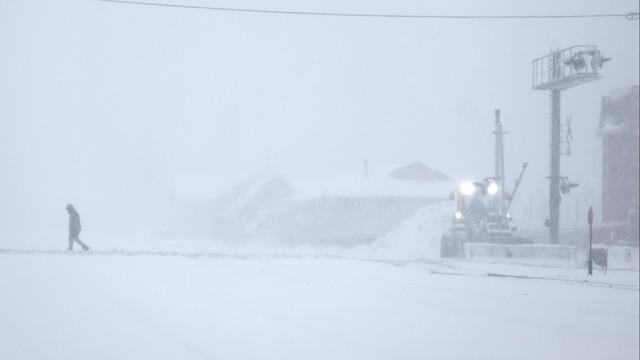
A blizzard that brought this season's biggest snowfall to California's Sierra Nevada eased slightly on Sunday, but more unstable weather was expected.
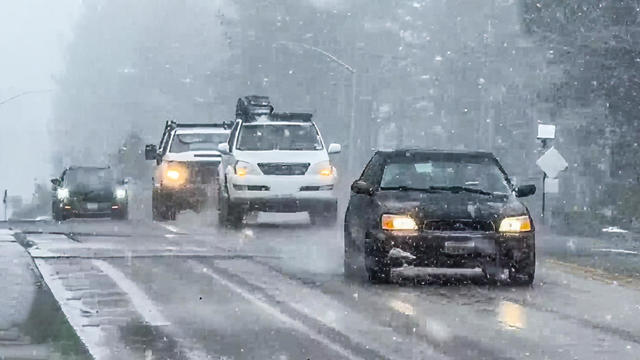
The most powerful Pacific storm of the season has started barreling into the Sierra Nevada. Team coverage from Madisen Keavy, Paul Heggen and Kelsi Thorud. (2-29-24) Website: http://kpix.com YouTube: http://www.youtube.com/CBSSanFrancisco Facebook: http://www.facebook.com/CBSSanFrancisco Instagram: http://www.instagram.com/KPIXtv Twitter: http://twitter.com/KPIXtv
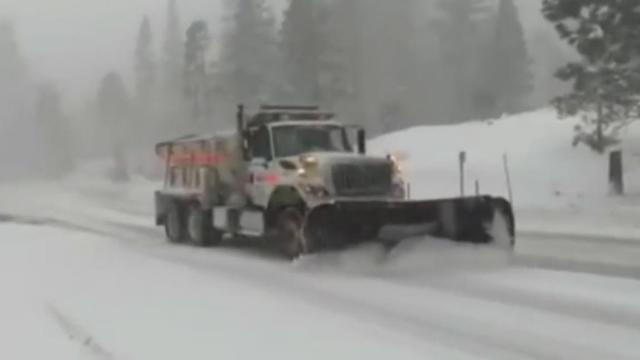
Officer Jeremy Linder with Caltrans in Placer, Nevada, and Sierra counties on the blizzard warnings and what people experiencing this climate for the first time can be prepared for. (02-29-2024) Website: http://kpix.com/ YouTube: http://www.youtube.com/CBSSanFrancisco Facebook: https://www.facebook.com/CBSSanFrancisco Instagram: https://www.instagram.com/kpixtv/ Twitter: https://twitter.com/KPIXtv
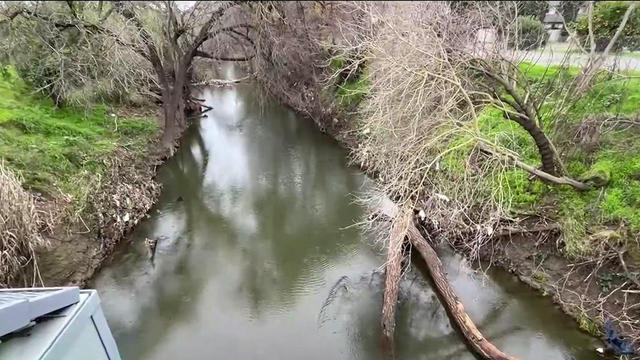
Saturday's rainfall was relatively light but heavier rain was predicted for Sunday and officials are keeping a close watch on the Guadalupe River in San Jose.
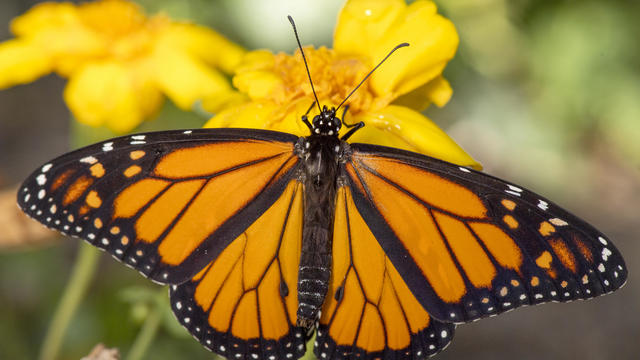
Researchers say the number of western monarch butterflies overwintering in California dropped by 30% last year, likely due to how wet it was.
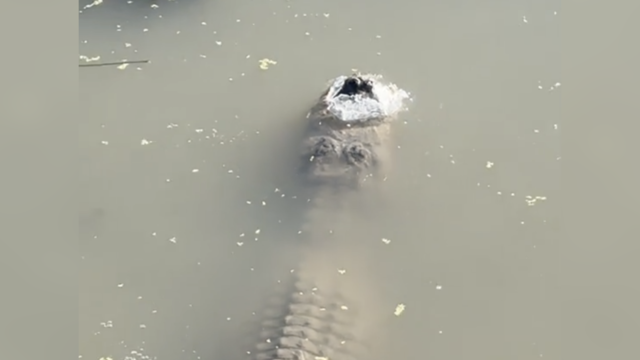
The gator was found with his heart "beating three beats per minute."
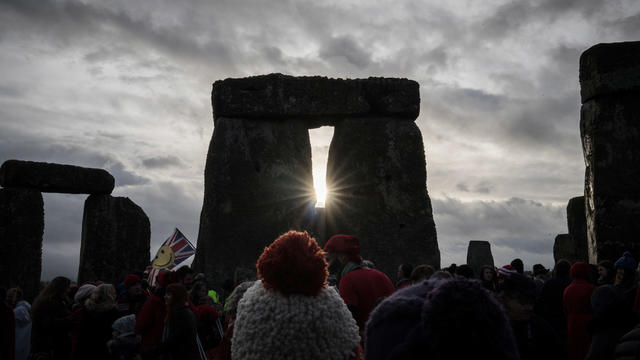
December 21 marks the winter solstice, the shortest day of the year, but soon, more sun will fill the skies.
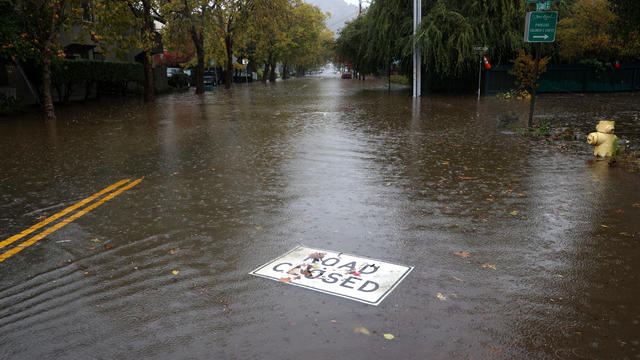
The National Oceanic and Atmospheric Administration (NOAA) is predicting above average ocean temperatures this winter due to strong El Niño conditions, meaning there is a potential for stronger winter storms in the Bay Area as well.
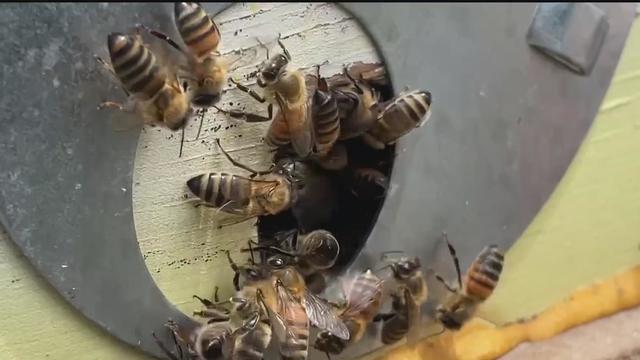
Local beekeepers say the prolonged wet winter reduced honey production, making it difficult for bees to get enough food or pollen, as well as increasing the number of opportunistic viruses impacting hives.
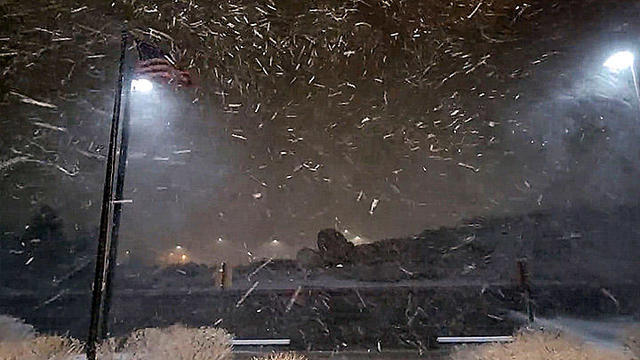
The calendar may show spring is halfway to summer, but it's still snowing in California.
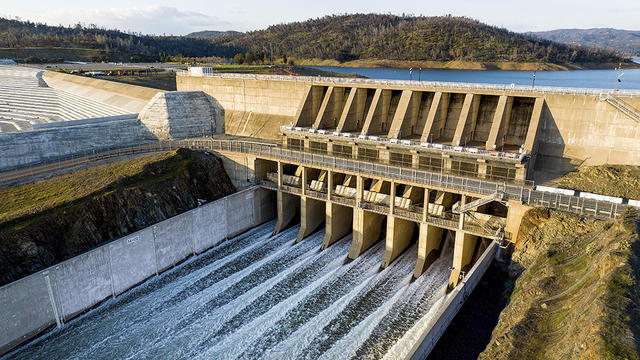
California will provide 100 percent of the water requested by cities and farms for the first time in years thanks to winter storms that filled reservoirs and runoff from a record snowpack

Portions of Vermont, Utah and California have seen record snowfall this year. The extended snow season makes for more skiing opportunities, but increases the risk of avalanches. Elise Preston has more.
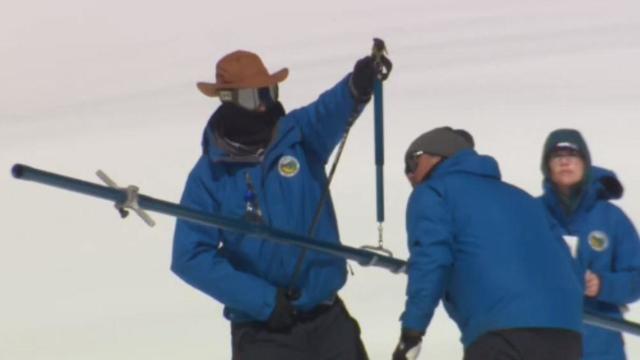
The latest statewide snowpack measurement from the California Department of Water Resources is another indication that the tremendously wet winter might have been too much of a good thing.