Coronavirus In Minnesota: What To Do If You're Furloughed From Your Job
When workers are furloughed, it means their jobs will be there when the business reopens. But it typically excludes things like severance pay.
Watch CBS News
When workers are furloughed, it means their jobs will be there when the business reopens. But it typically excludes things like severance pay.

More than 450,000 Minnesotans have applied for unemployment benefits, and the state has said that 90% of those cases have been processed smoothly. But there are others who tell WCCO their benefits applications have not been processed smoothly.

A Twin Cities says he has never seen a market like this -- but there is some opportunity amid the uncertainty.
The process for filing for unemployment hasn't been easy for everyone. WCCO talked to families who are still waiting to hear when, and if, help will arrive.
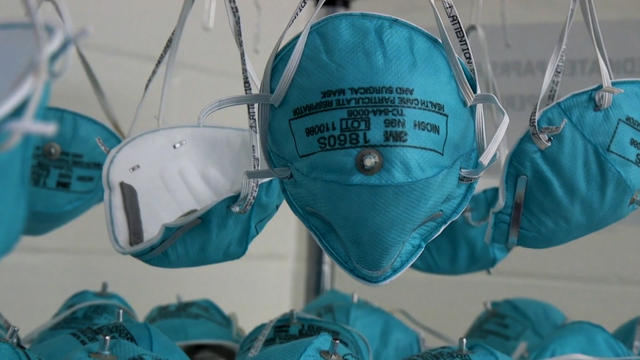
Gov. Tim Walz responded Monday to a COVID-19 critical care nurse who is worried about her hospital's supplies and equipment.

The Federal Reserve Bank in St. Louis predicts by June, the U.S. unemployment rate could be 30%. That would be three times higher than the worst of the 2009 recession, which was 9.9% in Minnesota.

According to the Minnesota Department of Employment and Economic Development (DEED), the amount of unemployment applications has skyrocketed to 149,443 claims since March 16.
The state says it's stepping in to help hundreds of thousands of Minnesotans who will likely be out of work due to the outbreak.

Minnesota's 3.3% unemployment rate brings a new set of opportunities and challenges to the workforce. Companies need to fill positions so badly that some are reevaluating eligibility requirements or benefits offered.

Minnesota's unemployment rate increased slightly in February for the second consecutive month as brutal winter weather idled more than 6,000 construction workers.

State officials say that more than 1,000 furloughed government workers in Minnesota have applied for unemployment benefits.
Prior to last year, Wisconsin's unemployment rate never dropped below 3 percent.

Minnesota's unemployment rate is at historic lows, but the number of people using public health insurance for the poor is still at historic highs.
The state gained 9,900 private-sector jobs between October and November.

The website says it looked at 11 Minnesota cities and found that St. Cloud had the highest poverty rate and highest annual unemployment rate.

State employment officials say Minnesota gained 6,600 jobs last month, helping to break a state record for the total number of jobs currently held in Minnesota.

According to a new report from the U.S. Bureau of Labor Statistics, employers were advertising openings for 6.55 million positions in March. The May 8 release adds that 6.59 million Americans were unemployed at that time

Commissioner Shawntera Hardy says it's a sign that job prospects have improved for people who've struggled to find work in the past.

State officials say Minnesota added 8,700 private sector jobs last month and the unemployment rate dropped to 3.1 percent. Meanwhile, there was also a drop in unemployment for the state's black population.

The Census' American Community Survey shows three in 10 black residents in Minnesota live in poverty.

Job growth in leisure and hospitality led the way while manufacturing and government industries also added jobs in June.

State employment officials say Minnesota gained more than 15,000 jobs in April, marking the largest monthly jobs gain the state has seen in nearly four years.

State employment officials say Minnesota gained nearly 4,000 jobs last month.

Unemployment rates rose across all of Wisconsin's largest cities between December and January.

The Department of Employment and Economic Development (DEED) announced Thursday that state employers cut 8,300 jobs in the first month of 2017 while unemployment remained steady at 4 percent. The national unemployment rate is 4.8 percent.