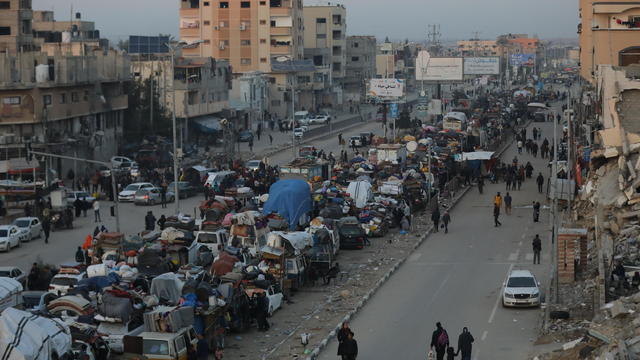
Israel completes withdrawal from Netzarim corridor
Israel had used the Netzarim corridor as a military zone over the last 15 months.
Watch CBS News
Israel had used the Netzarim corridor as a military zone over the last 15 months.
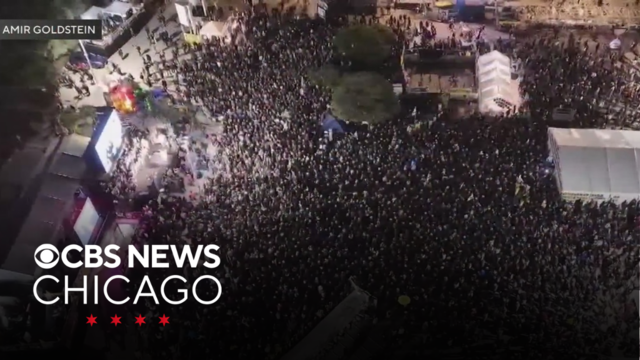
The protests follow Saturday's release of three more Israeli hostages in exchange for dozens of Palestinian prisoners.
The protests follow Saturday's release of three more Israeli hostages in exchange for dozens of Palestinian prisoners.
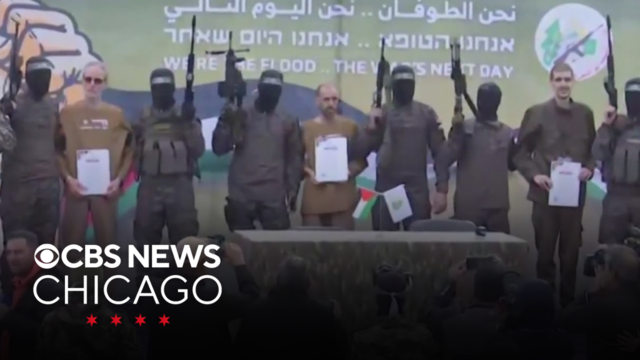
Israel released dozens of Palestinian prisoners after they received three men who were held hostage in Gaza. The hostages, Eli Sharabi, Ohad Ben Ami, and Or Levy, looked gaunt and frail as Hamas militants paraded them before hundreds of people in the Gaza strip before their release.
Many Palestinian American families were angry, or simply in shock that Mr. Trump would suggest a U.S. takeover of the Gaza strip, but either way they opposed his plan.

Hamas says negotiations are under way for the second phase of a ceasefire deal with Israel, but President Trump has previously warned there is no guarantee it will hold. Erica Brown reports.
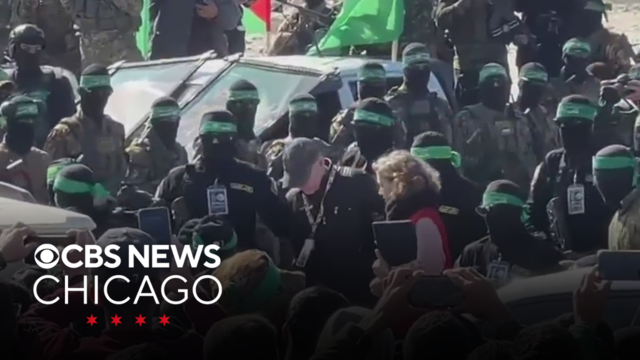
Among those released today, is dual American Israeli citizen, Keith Siegel.
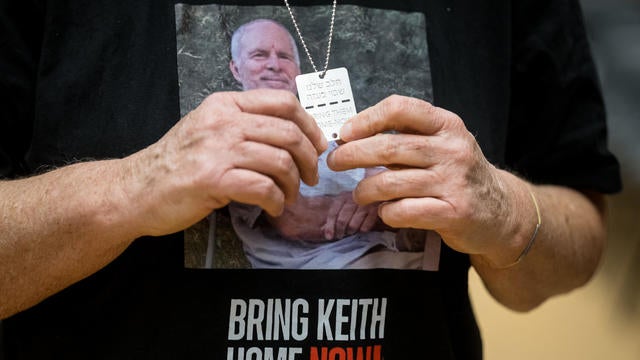
Dual U.S.-Israeli national Keith Siegel is among the 3 hostages expected to be released by Hamas in the fourth swap with Israel.
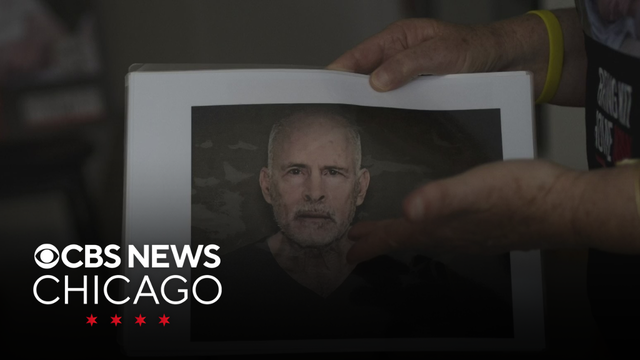
Keith Seigel, 65, from North Carolina, has lived in Israel for the past four decades. He was one of the 251 hostages taken in the Oct. 7 terrorist attack.
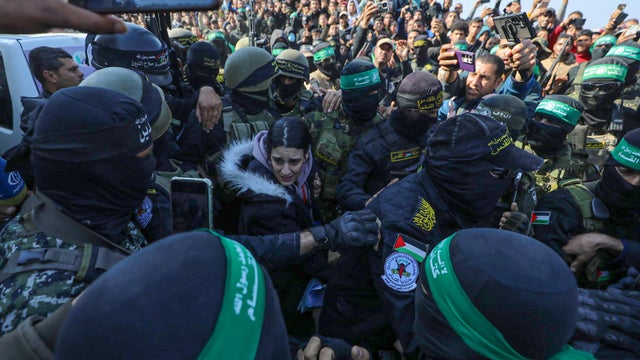
2 Israeli women and an 80-year-old male hostage, along with 5 Thai nationals, were released in Gaza, but Israel delayed its part of the exchange, accusing Hamas of "shocking scenes" at one handover.

Three of the hostages were Israeli women, and the other five are Thai nationals.
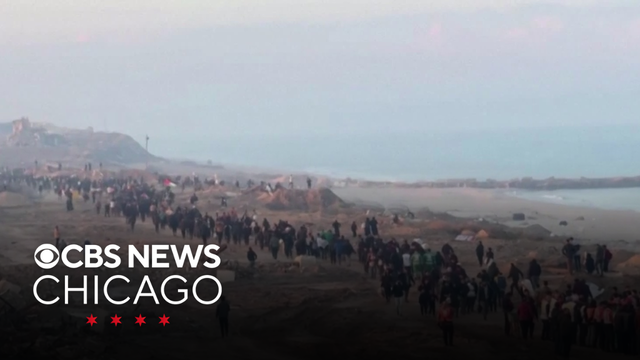
This comes after Israel lifted its closure of the region for the first time since the start of the war.
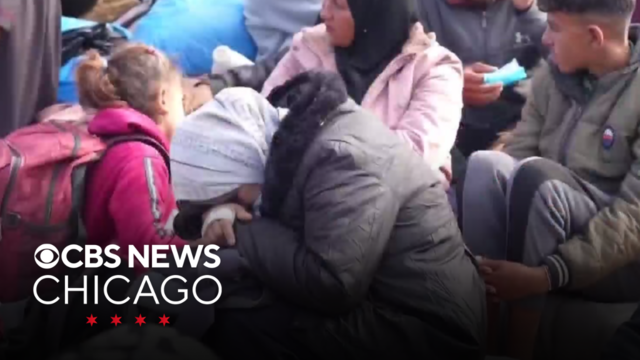
Earlier Sunday, Israel blocked thousands of Palestinians from returning to their homes in the Gaza Strip.
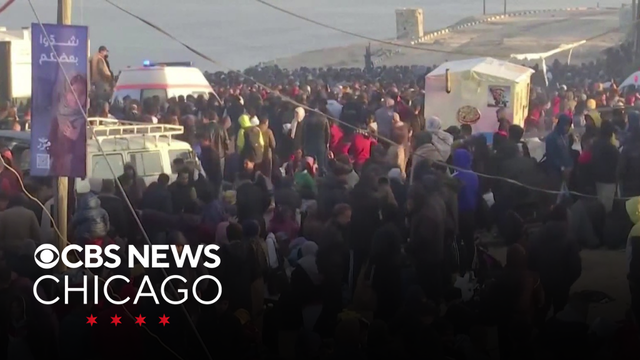
Israel blocked access to the territory yesterday after they say Hamas failed to free a hostage, a female Israeli citizen.

After the release of four female Israeli soldiers, Israeli authorities released 200 Palestinian prisoners.

They are all female soldiers, 19 or 20 years old and are expected to be exchanged for 200 Palestinian detainees held in Israeli prisons. 89 hostages are still left in Gaza.

Israel and some of its allies is accusing UNRWA that some of its employees may have participated in the Oct. 7 attacks.

The hostages are all female soldiers, aged either 19 or 20, and in keeping with a statement given by a Hamas official earlier this week. The next step, which is expected to be Saturday, is the exchange of these four hostages for 200 Palestinian detainees held in Israeli prisons.

Drone footage shows Palestinians in preparing rows of white and blue tent encampments. The families are expected to return north as soon as Saturday.
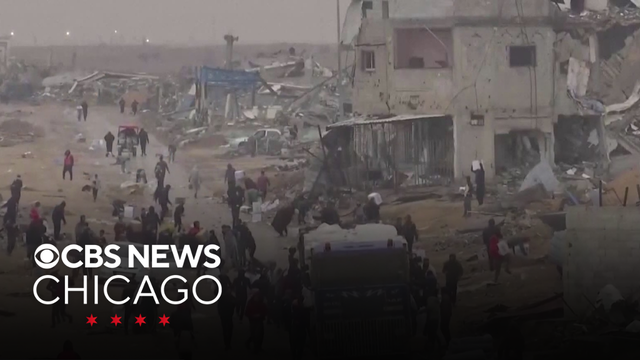
Many people were seen taking packages off the aid trucks as they slowly rolled into Rafah. The ceasefire deal calls for 600 trucks of aid to reach Gaza each day.
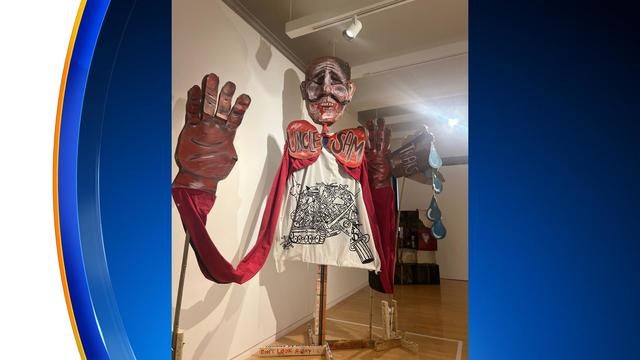
The display, titled U.S-Israel War Machine, is part of an exhibit on puppets.

The release of the hostages was the first hurdle in the fragile ceasefire between Israel and Hamas.

Israeli Prime Minister Benjamin Netanyahu said he delayed the truce because Hamas did not send the names of the hostages it will release. Hamas blamed the delay on a technical reason.

Following several hours of intense talks, Israel's government approved the long-awaited ceasefire and hostage agreement with the militant group Hamas early Saturday.
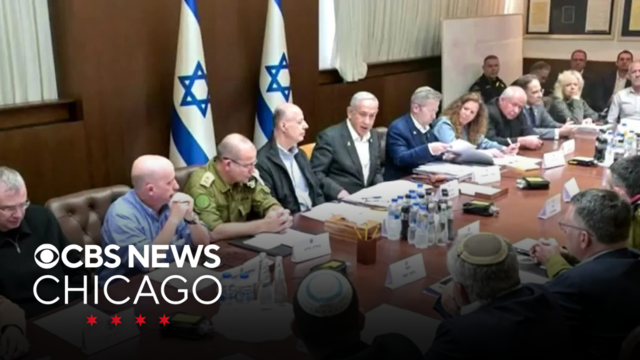
The full cabinet meeting comes after the security cabinet approved the plan, calling for a pause in fighting and the release of 33 hostages held by Hamas and hundreds of Palestinians imprisoned by Israel.