Alito temporarily restores FDA rule allowing abortion pill to be sent by mail
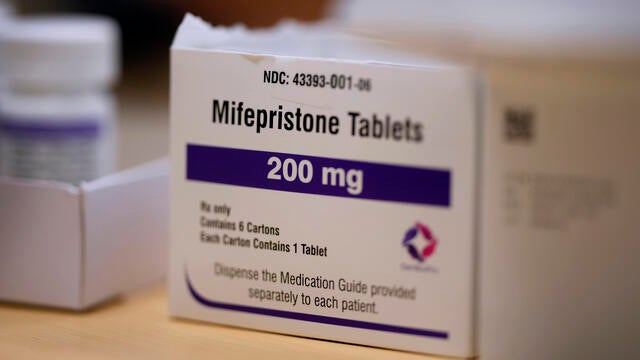
A federal appeals court blocked a FDA rule that allowed the abortion pill mifepristone to be dispensed through the mail.
Watch CBS News
A federal appeals court blocked a FDA rule that allowed the abortion pill mifepristone to be dispensed through the mail.
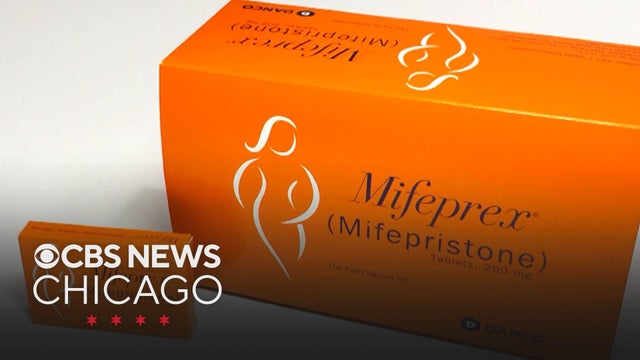
The Supreme Court on Monday restored broad access to the abortion pill mifepristone, blocking a ruling that had threatened to upend one of the main ways abortion is provided across the nation.
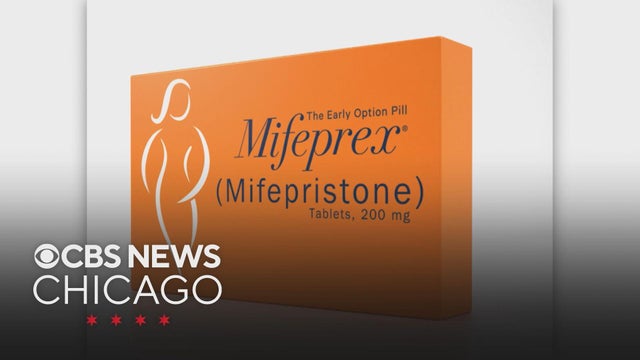
The US Food and Drug Administration will review evidence about the safety and efficacy of mifepristone, a drug used in medication abortion, on orders from Health and Human Services Secretary Robert F. Kennedy, Jr.
Patients can use the PPDirect app to get birth control, emergency contraception, treatment for UTIs, at-home testing for STIs, and medication abortion.
The goal is to help people who travel to Illinois from states where access to reproductive services has been limited since the Supreme Court overturned Roe v. Wade.
Thursday's supreme court ruling preserves access to the medication, the first abortion decision the court has made since overturning Roe v. Wade two years ago.
The Supreme Court on Thursday tossed out a challenge targeting the availability of a widely used abortion pill, preserving access to the drug.
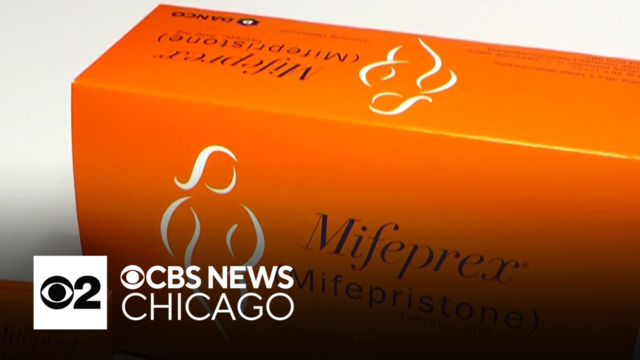
The unanimous ruling from the justices was on procedural grounds. They determined that a group of anti-abortion rights doctors and medical associations who brought the lawsuit against the Food and Drug Administration did not have the legal right to do so.
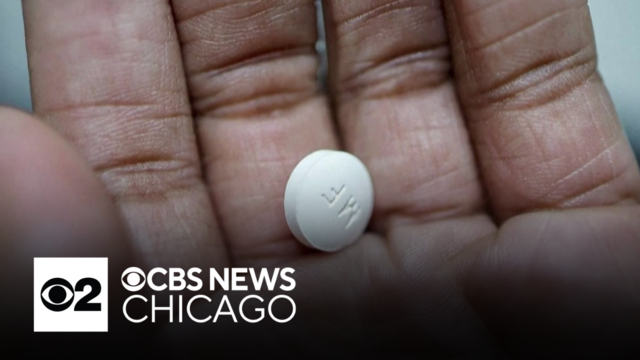
The Supreme Court on Thursday tossed out a challenge targeting the availability of a widely used abortion pill, preserving access to the drug.
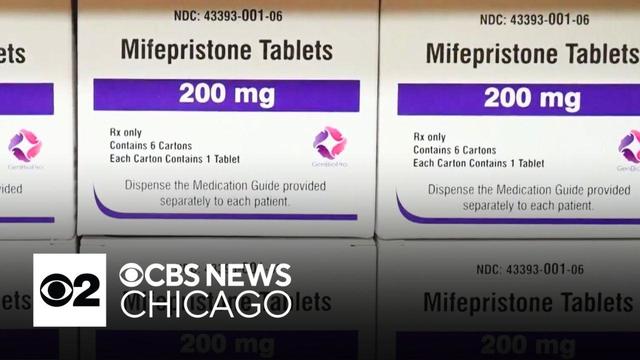
The court said the plaintiffs lacked standing to bring the case. A group of doctors opposed to abortions sued the FDA after it eased restrictions on the pill, mifepristone, making it more readily accessible.
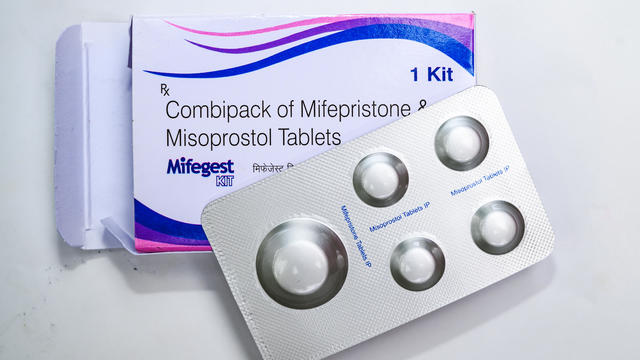
The abortion pill legislation could be a template for other states to take aim at the medication commonly used in early-stage pregnancies.
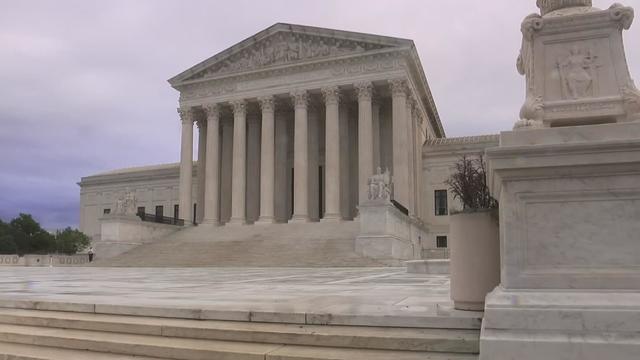
Supreme Court justices heard arguments on Tuesday about access to abortion medication. At issue is whether the Food and Drug Administration properly considered safety when it expanded access to a pill commonly used for the procedure.
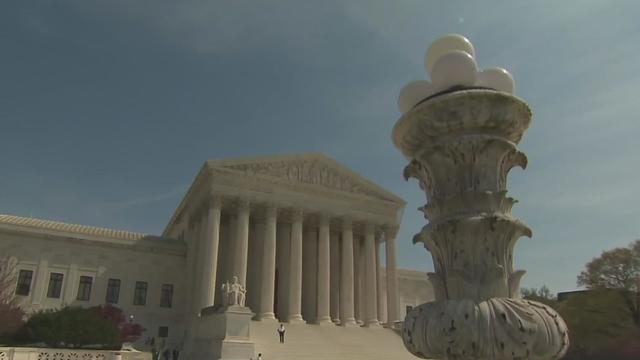
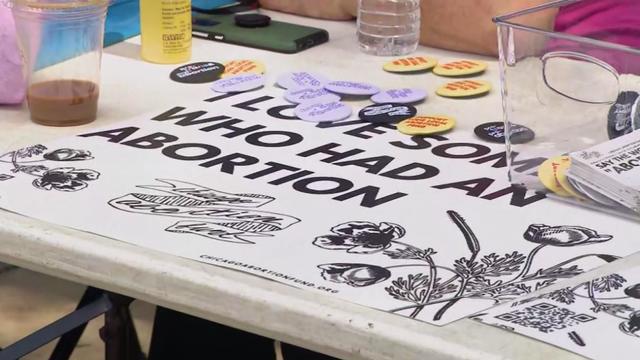
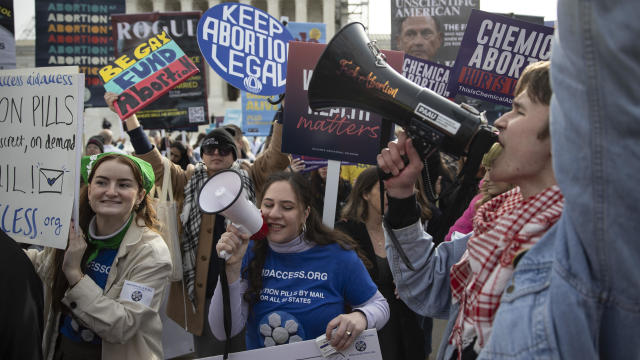
Reproductive rights groups in Chicago planned to picket outside the Dirksen Federal Courthouse downtown on Tuesday, as the battle over abortion returns to the U.S. Supreme Court, where justices heard arguments on a case involving the FDA's approval and regulations for the use of mifepristone.
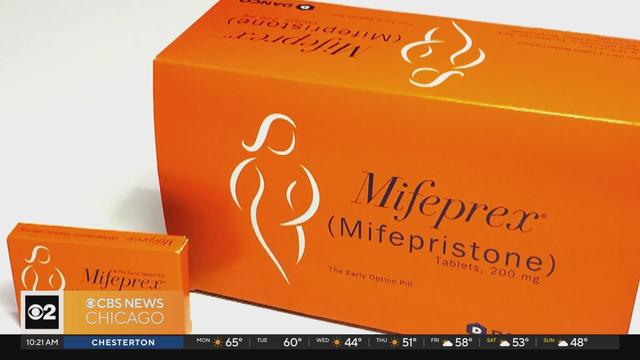
This week, abortion access returns to the U.S. Supreme Court, nearly two years after the nation's highest court overturned the landmark Roe v Wade decision. This time access to the abortion pill mifepristone hangs in the balance in a case from Wisconsin.
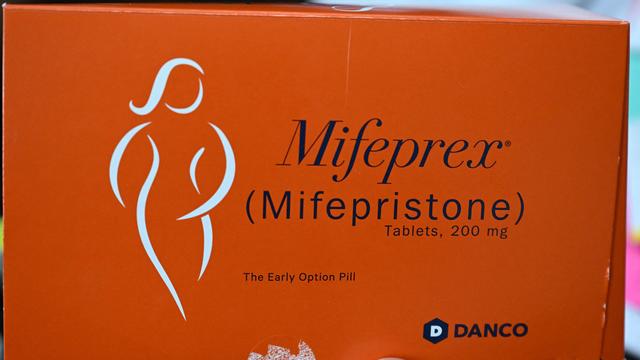
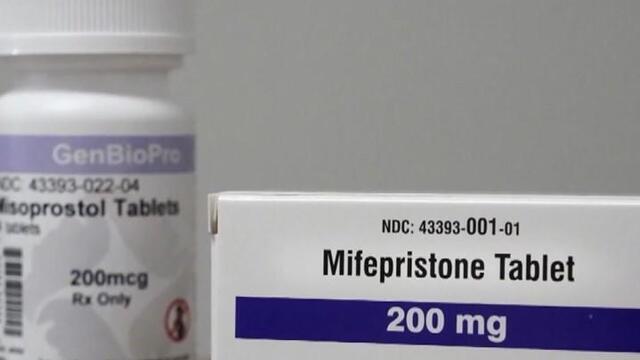
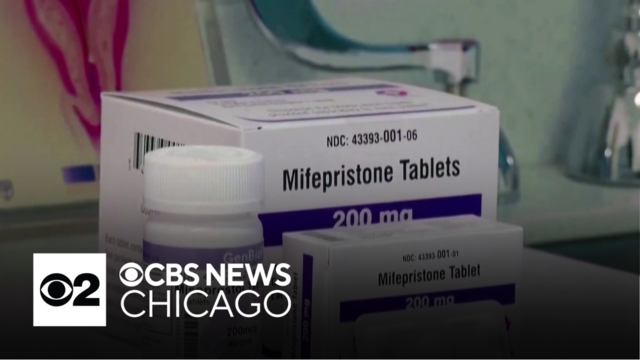
In January, the FDA changed regulations to allow retail pharmacies to sell the drug mifepristone.

CVS and Walgreens announced Friday that they will start selling abortion pills as soon as this month.
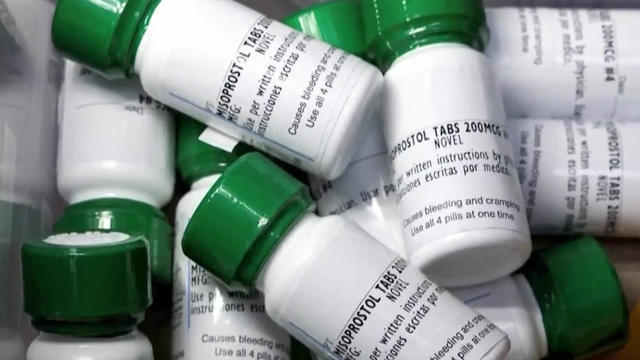
Planned Parenthood of Illinois called the move a win for health equity. CBS 2’s Tara Molina reports.
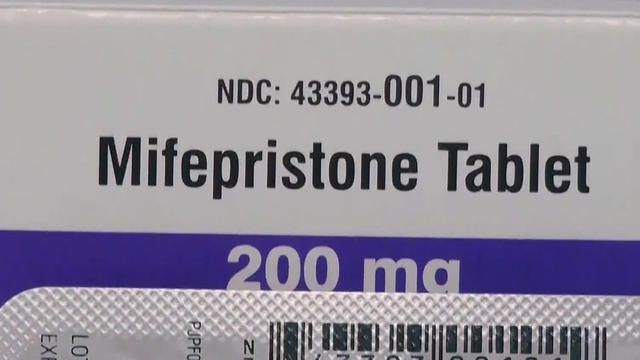
Walgreens will be selling mifepristone in Illinois, among other states. CBS 2's Tara Molina reports.
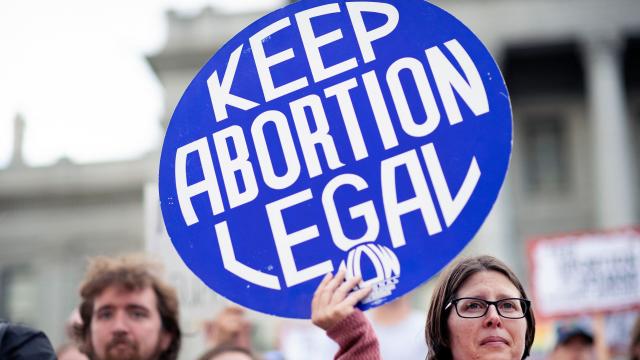
The decision from the Supreme Court blocks lower court orders that would have restricted the availability of the abortion pill mifepristone nationwide.
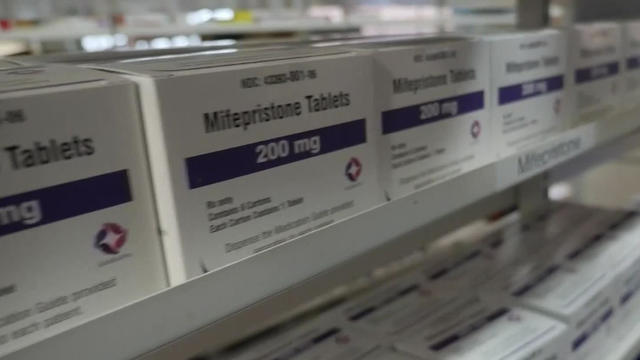
The ruling preserves access to the drug and reinstates a number of steps by the agency that made it easier to obtain while legal proceedings continue.

The ruling preserves access to the drug and reinstates a number of steps by the agency that made it easier to obtain while legal proceedings continue.
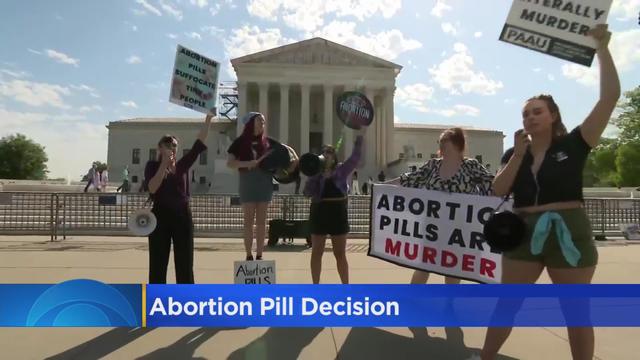
This will be the first major question on the abortion issue since the overturning of Roe v. Wade last year. CBS News' Willie James Inman reports.
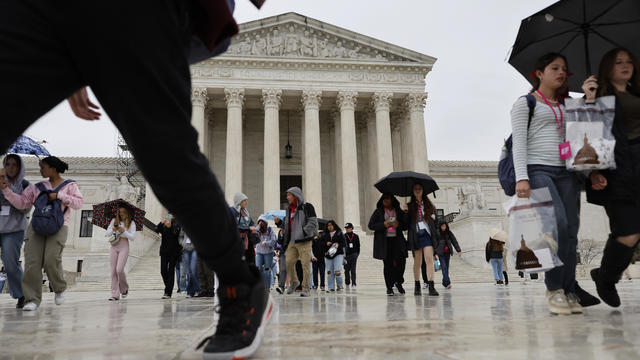
Limits on how late into a pregnancy the drug can be taken, who can prescribe it and how it can be dispensed were set to take effect Saturday at 1 a.m.
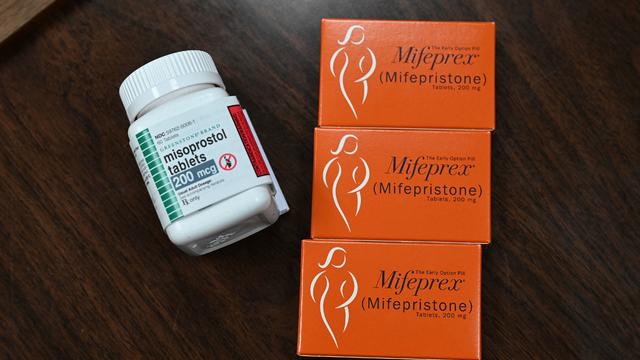
The court maintained access to mifepristone for the time being but is only letting it be dispensed after a doctor's office visit, not by mail, and up to seven weeks into a pregnancy, not 10.