Americans are paying 62% more for water than a decade ago, study finds
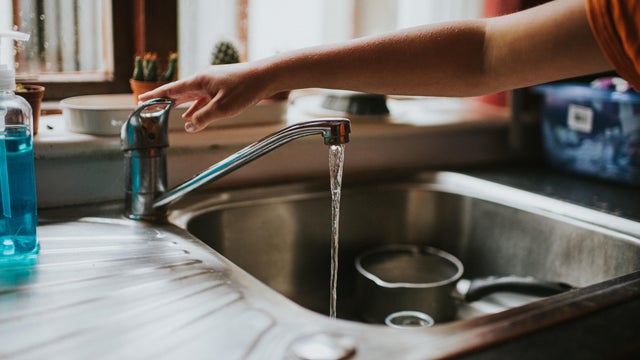
Americans paid an average of $531 per year for household water in 2025, although people in some states pay far more, according to a new study.
Watch CBS News
Americans paid an average of $531 per year for household water in 2025, although people in some states pay far more, according to a new study.
The heaviest demand on America's water supply isn't data centers or AI. It's from everyday uses such as growing food, watering lawns and flushing toilets.
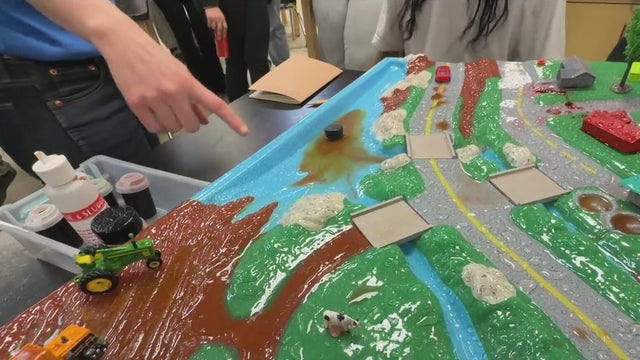
A pilot program is providing Bay Area high school students with lessons on the importance of where their local water comes from, the systems that bring it to their homes, and the threats to the supply.
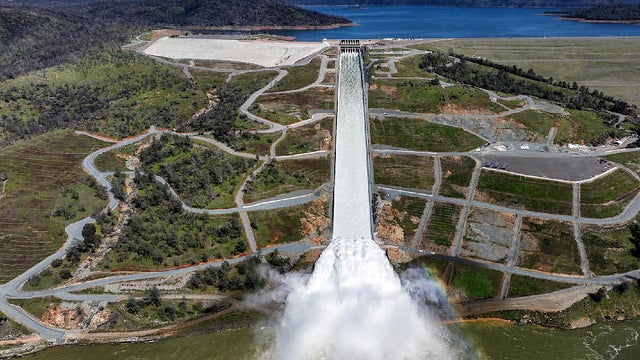
California is beginning the annual water planning process for the upcoming year with a conservative estimate of the water it will deliver across the state, while noting that the recent wet weather is helping out, authorities said Monday.
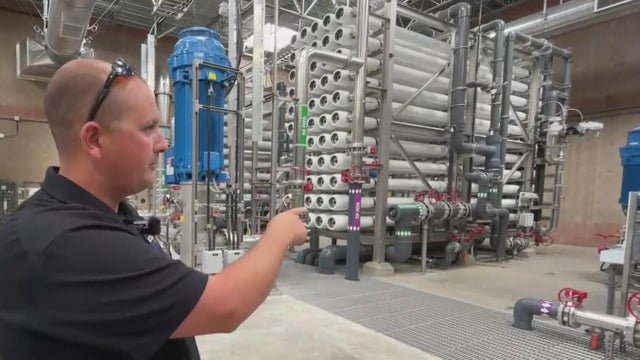
The city of Antioch has just employed a new desalination plant that promises a secure water future, one of the first operating desalination plants in the Bay Area, all thanks to the city's past.
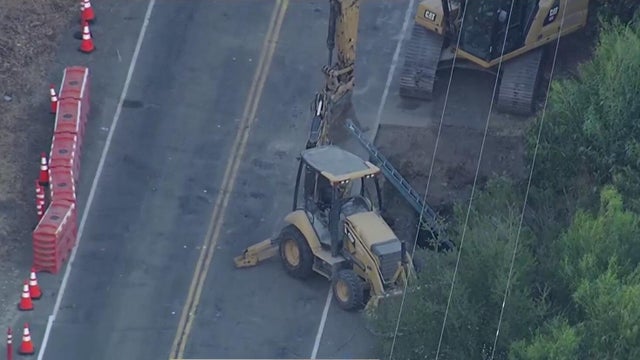
Officials in the city of Benicia urged all residents, businesses, schools and other facilities to significantly curtail their water usage, after a water pipeline was damaged Wednesday.
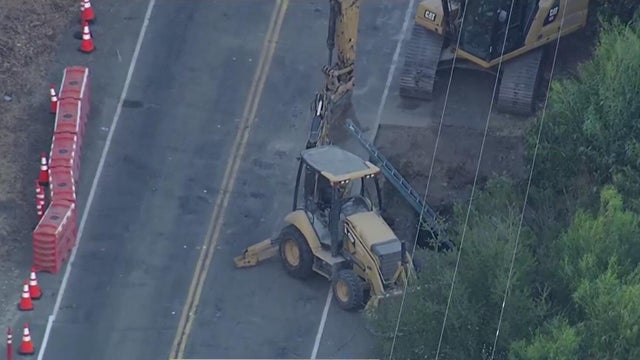
Residents in the community of Benicia on Thursday have been told to significantly curtail their water usage, following damage to the city's main water transmission line.
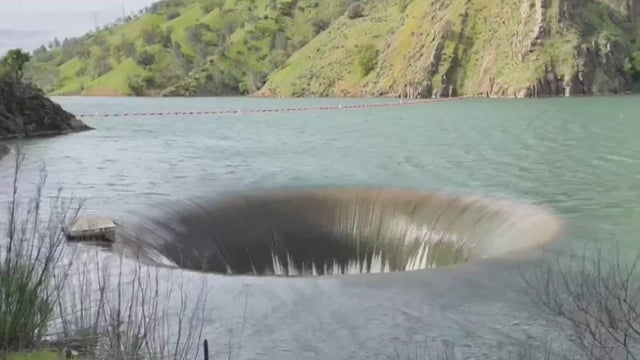
A rare and mesmerizing scene is taking place in the North Bay as the round "glory hole" spillway at Lake Berryessa is active for the first time in six years.
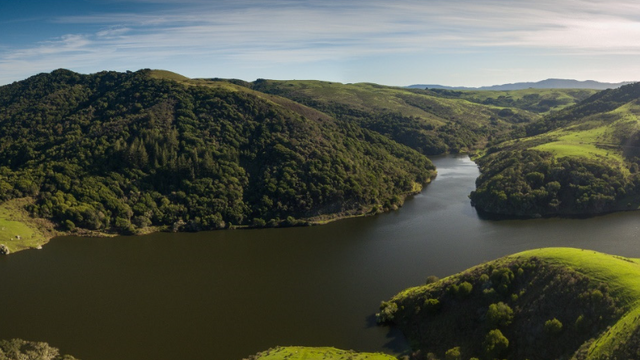
Marin Water is planning a pipeline and pumping station to divert excess winter rainfall into its reservoirs from the Russian River watershed that now flows into the Pacific Ocean.
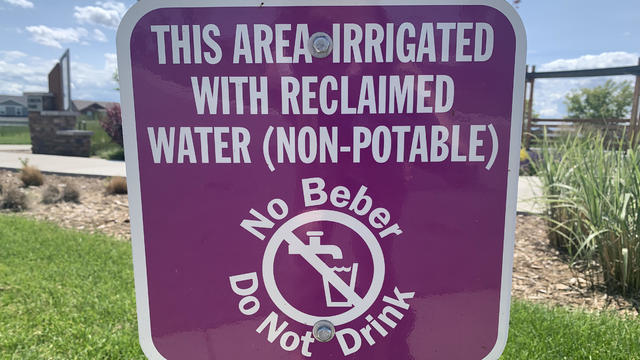
With California's often tenuous water supply continually a topic of debate, a state Senate bill would ease restrictions on recycled wastewater use.
After the tragic wildfires in Southern California, President Trump often attributed the disaster to what he said was a lack of water being sent from the northern part of the state, and vowed to fix the problem.
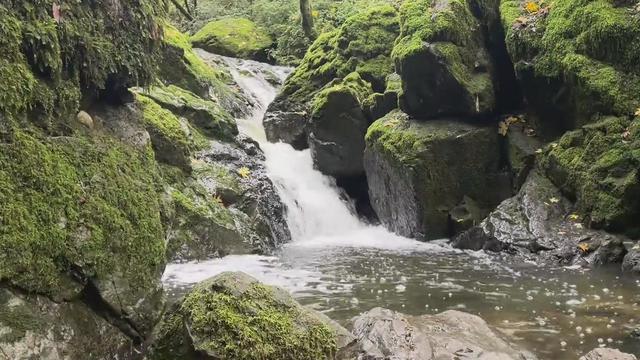
The North Bay saw record rainfall last week, which is good news for the state's water supply that has been healthy for the past two years after a lengthy drought.
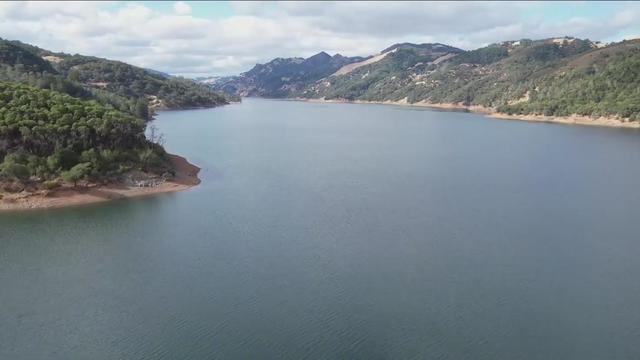
While the month of October has been warm and dry, water officials in Sonoma County said reservoirs are in good shape after the two previous wet winters.
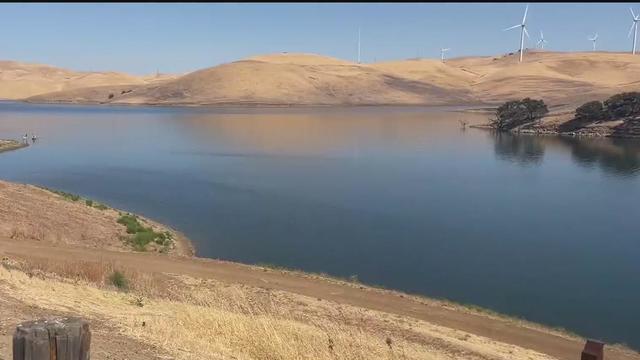
For ten years, Bay Area water companies have wanted to increase storage capacity of the Los Vaqueros Reservoir above Brentwood as insurance against another drought. But as time dragged on without construction, the project became more expensive and less beneficial.
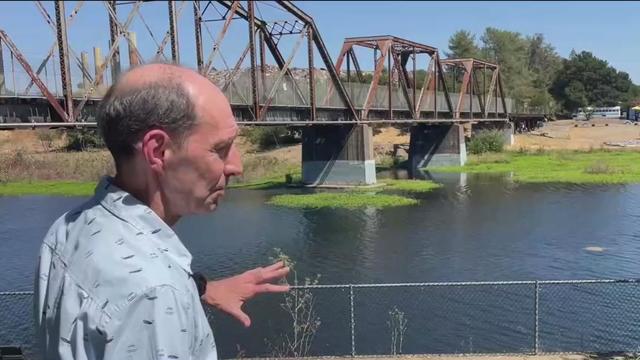
John Ramos reports on a landmark ruling spurred by environmental group that sued Sonoma County over a too liberal policy granting water well permits.
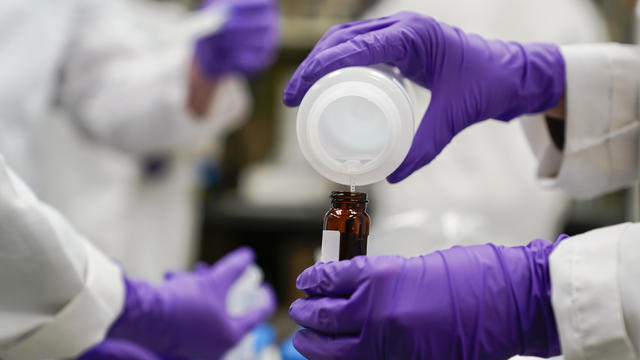
Study finds cancer-linked PFAS chemicals prevalent in drinking water sources across the globe, including many far over regulatory limits.
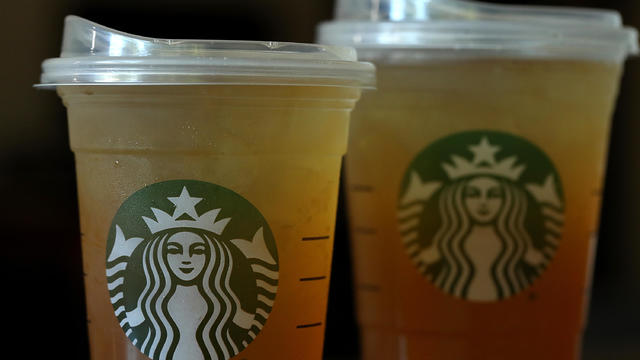
Starbucks unveiled the new cups ahead of Earth Day and as a new report warns plastic production emissions are even greater than those from aviation.
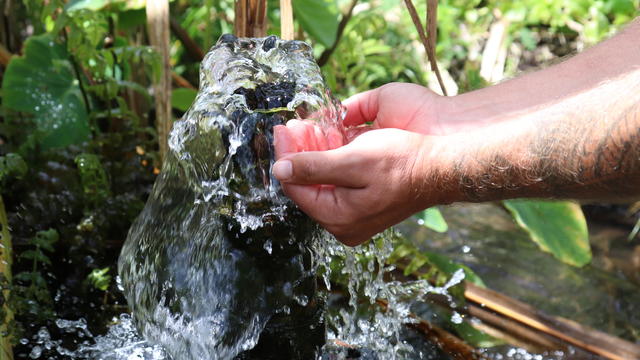
The island home to Hawaii's capital may be surrounded by ocean, but years-long drought conditions, tourist activities and contamination are jeopardizing the island's only source of freshwater.
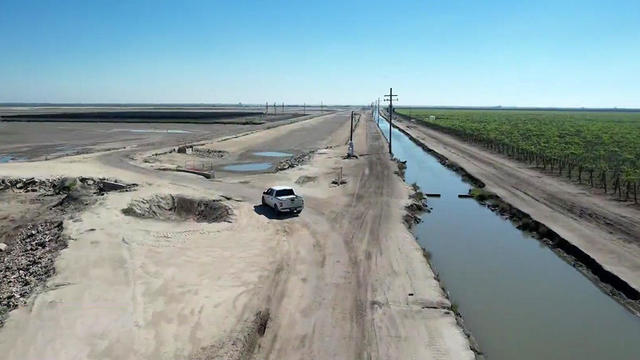
In the Central Valley, some districts say their groundwater recharge projects are getting squeezed as they await word on what kind of water deliveries they'll get this year.
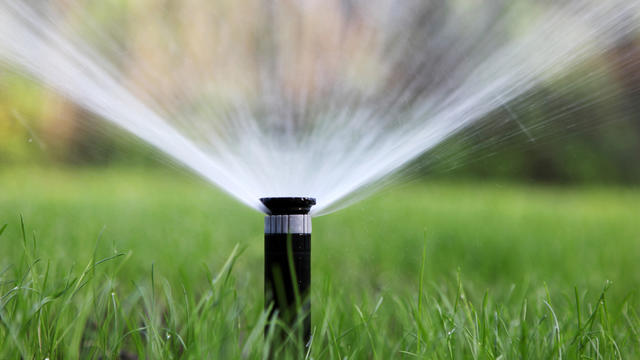
California regulators have proposed delaying some new rules aimed at reducing how much water people use on their lawns.
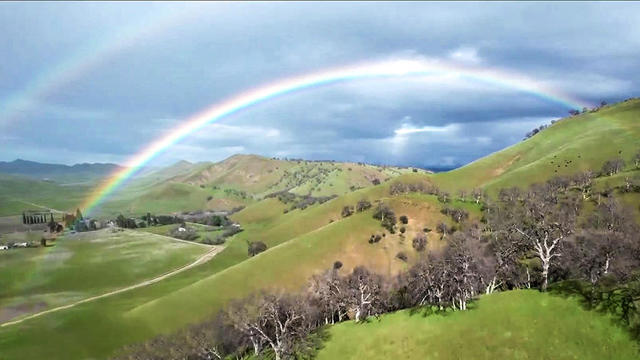
As California enjoys a second robust winter in a row, calls for additional water storage may soon be getting an answer.
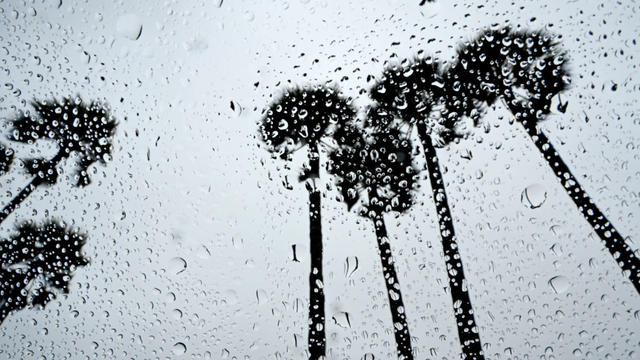
We all know the saying about saving something for a rainy day, but in California, it's about saving the water for a dry day. The state is working to recharge the groundwater.
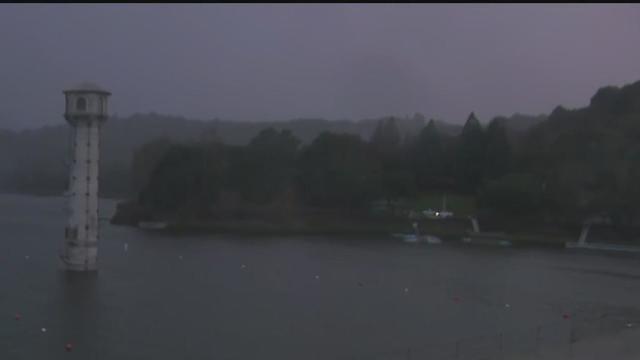
Last year's historic storms left Bay Area reservoirs filled well above average, with new numbers from East Bay MUD showing the system's reservoirs are at a combined 80% of total capacity or about 11% above normal.
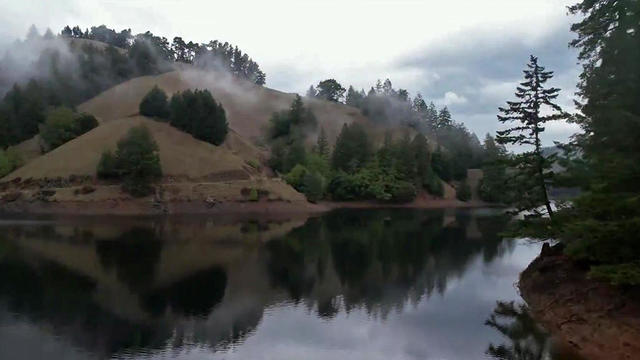
While the water year has had a slow start in Northern California -- at least nothing like in some years past -- there is still no talk of drought as last year bounty of rain keeps on giving.
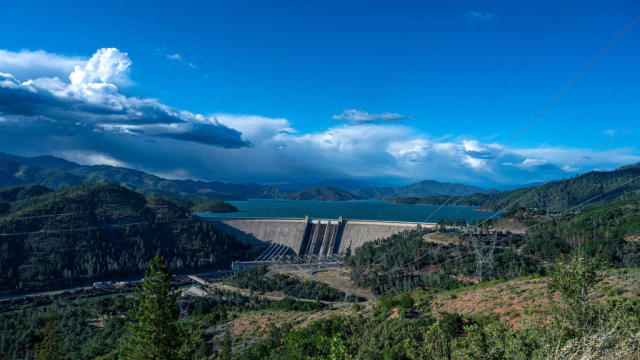
California ended its "miracle" water year on Saturday with enough rain and snow to fill the state's reservoirs to 128% of their historical average, making it among the wettest years in recorded state history.