CPI report may show inflation hitting 2024 levels amid soaring gas prices
Economic forecasts show that this week's March Consumer Price Index could show prices climbing at their fastest pace in nearly two years.
Watch CBS News
Economic forecasts show that this week's March Consumer Price Index could show prices climbing at their fastest pace in nearly two years.
Inflation came in below economists' forecasts and slowed from December's 2.7% annual rate.
Most Republicans feel Trump has done more than expected, while others have views that are more mixed.
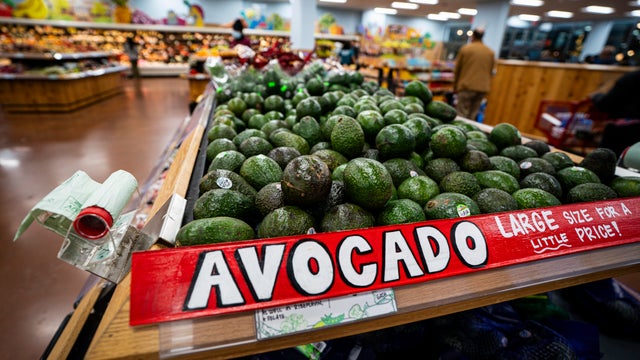
Although there are signs that inflation is starting to ease, consumers still face pressures from high food prices and other costs.

Economists had expected CPI to rise at an annual rate of 3% last month.
The Federal Reserve is grappling with economic issues including higher inflation and a slowing labor market.
A higher Medicare Part B premium in 2026 could erode next year's cost-of-living adjustment for Social Security recipients, experts say.

Those prioritizing economy say Trump is not spending enough time on it, as ratings of economy, his handling of inflation slip.
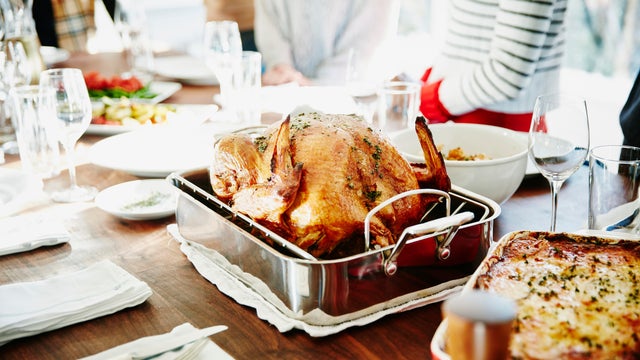
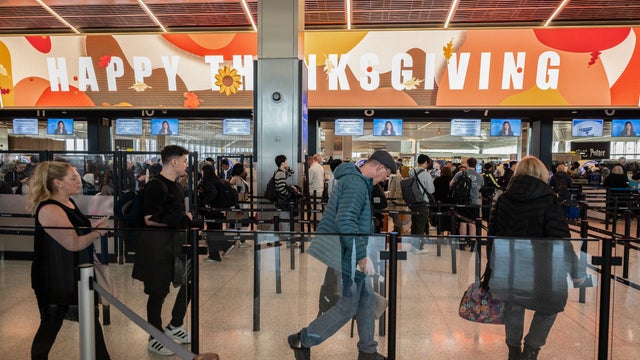
Wholesale prices for frozen turkeys are expected to be $1.32 per pound this year, a 40% increase from last year's average.

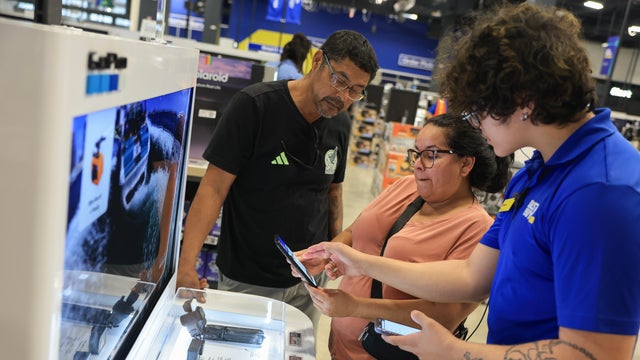
Visa predicts Americans will spend an average of $736 on holiday gifts in 2025, a 10% increase from the $669 reported last year.

Inflation last month rose at an annual rate of 3%, coming in below economists' forecasts as the impact of President Trump's tariffs remain muted.
Social Security's annual cost-of-living adjustment is aimed at helping the program's 75 million beneficiaries keep pace with inflation.
Citing the shutdown, the Social Security Administration postponed its announcement of the annual payment bump beneficiaries will receive in 2026.
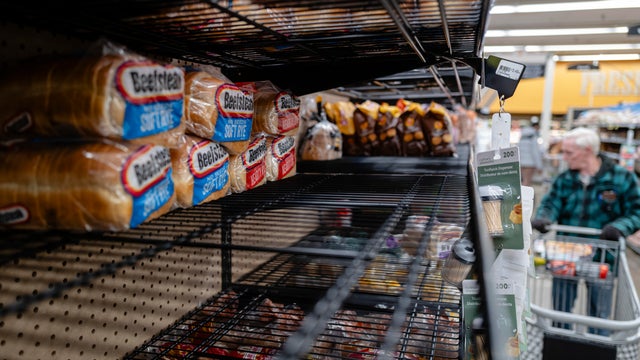
Overall grocery prices in August 2025 rose 2.7% compared to one year ago, according to the U.S. Bureau of Labor Statistics Consumer Price Index.
A 2.7% COLA increase would raise the average monthly Social Security payment by about $54.

A new survey predicts Americans will spend $1,552 per person on average, 5% less than they did in 2024.
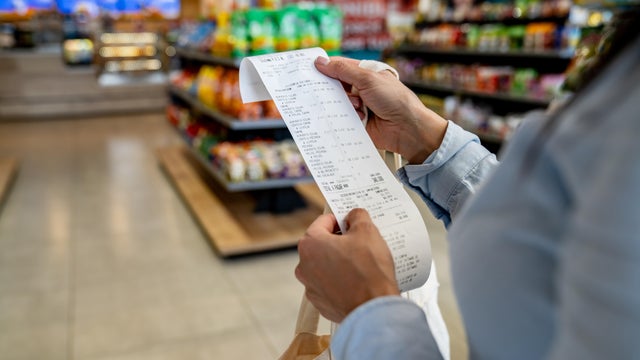
Prices rose at an annual pace of 2.6% in July, the same rate as the previous month and in line with economist forecasts.
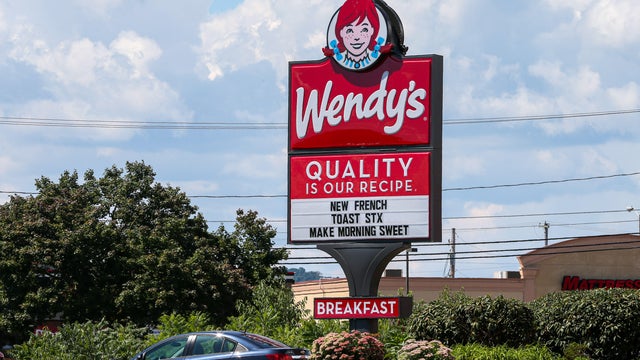
Americans are reining in their spending at fast-food restaurants as they continue to face economic uncertainty.

The U.S. stock market on Tuesday rose toward records after data suggested inflation in July was a touch better than economists expected.

The inflation rate was cooler than expected, with July's CPI rising 2.7% on an annual basis.

CBS News is tracking the rising cost of products most impacted by tariffs already imposed and new ones announced by President Trump, from grocery items to cars and trucks.
Hiring across the U.S. was weaker than expected in July, a sign the labor market is shifting into lower gear.
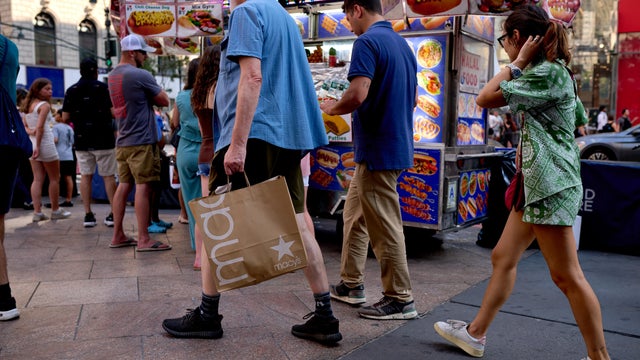
The country's GDP increased at an annual rate of 3%, a sharp turnaround from earlier this year when it fell 0.5%.
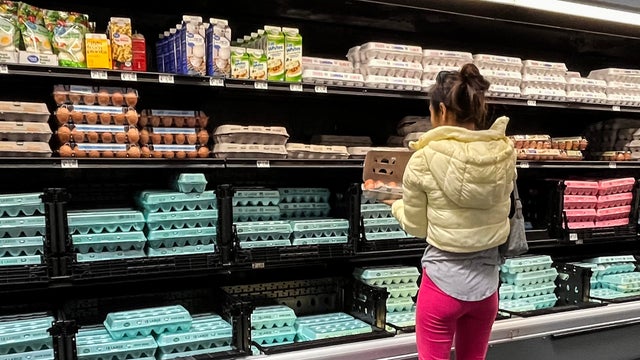
The Consumer Price Index in June rose 2.7% on an annual basis, in line with economists' predictions.
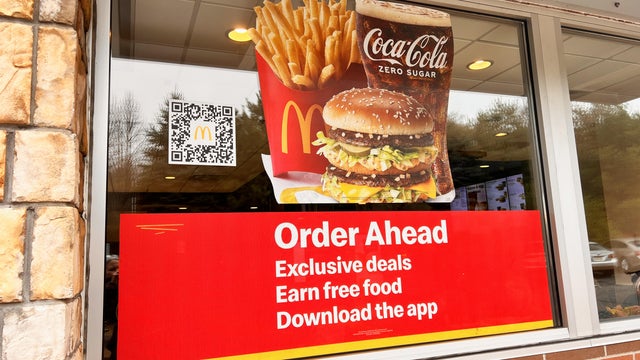
McDonald's is reviving its long-lamented Snack Wrap and leaning into affordable eats as it looks to reverse a rare sales slump.