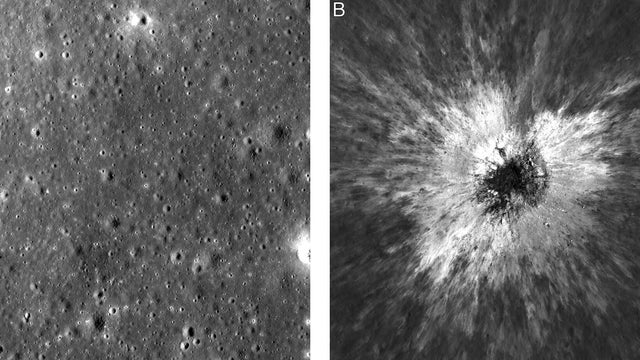
NASA spacecraft discovers moon crater bigger than Roman Colosseum
Scientists have discovered a crater on the moon that's bigger than the Roman Colosseum, the result of a powerful impact two years ago.
Watch CBS News
Scientists have discovered a crater on the moon that's bigger than the Roman Colosseum, the result of a powerful impact two years ago.
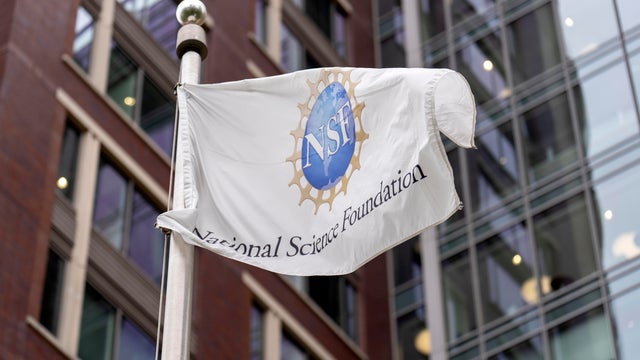
The Trump administration has fired all 22 current members of an independent board that oversees the National Science Foundation, one dismissed member says.

A new study in the journal Nature says most sea level rise research may have underestimated coastal water heights by an average of 1 foot.
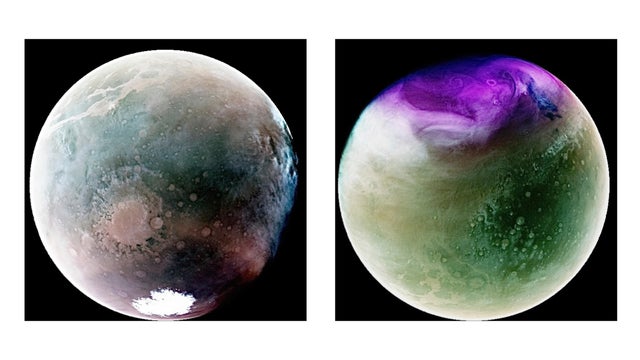
NASA has lost contact with a spacecraft that's been orbiting Mars for more than a decade.
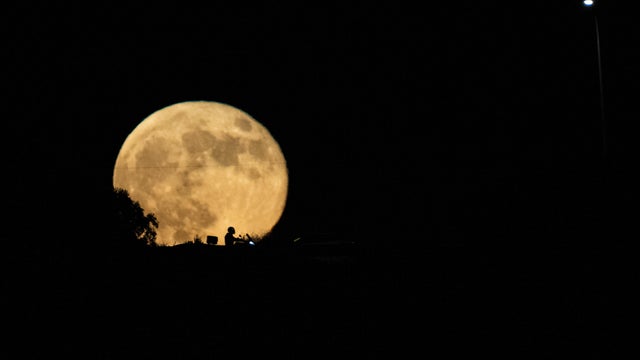
The first supermoon of 2025 will arrive soon. Here's what to know about the phenomenon.
Government scientists say infection rates from drug-resistant "nightmare bacteria" have been increasing dramatically.
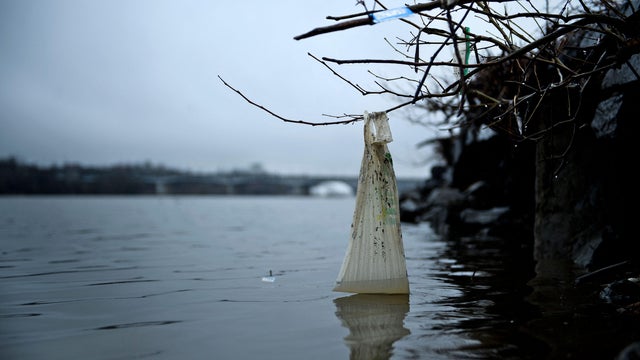
Researchers conducted the first systematic review of policies around the U.S. to limit plastic bag use.
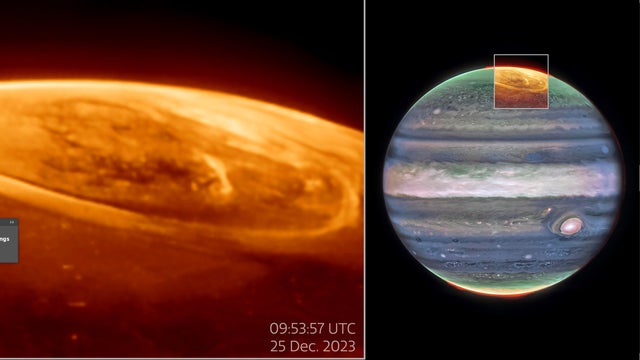
Jupiter's stunning auroras are hundreds of times brighter than those seen on Earth, as pictured in new images taken by the James Webb Space Telescope.
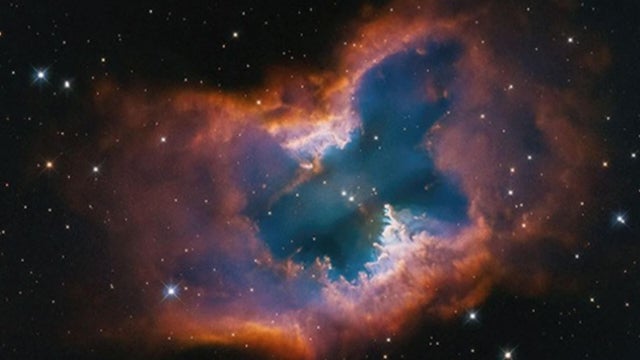
The Hubble Space Telescope "opened a new window to the universe" when it launched into space. Now, 35 years later, NASA is releasing some stunning images to celebrate.
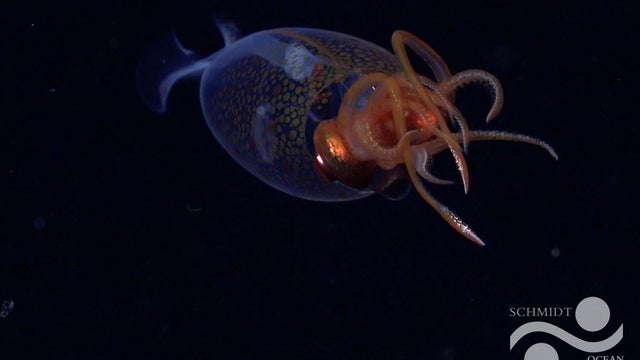
Researchers recently captured the first live footage of a colossal quid in its natural habitat, thousands of feet under the sea near Antarctica.

The first day of spring, also known as the vernal equinox, has arrived in the Northern Hemisphere on March 20, 2025.

National Pi Day is recognized today in the U.S. and around the world. Here's what to know about the quirky holiday, and how to celebrate.

Thousands of demonstrations erupted across the nation as healthcare providers, scientists and researchers demanded funding for medical research and rallied against what they call an "attack on science."
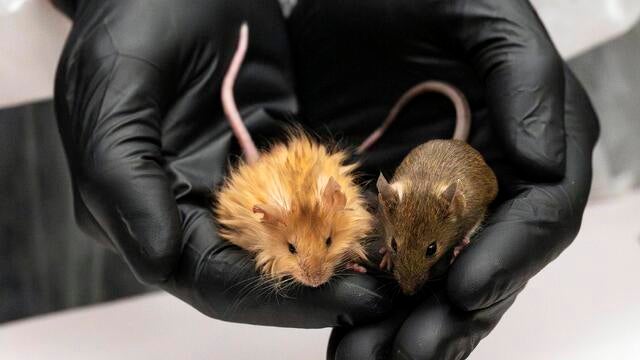
Colossal Biosciences has focused on identifying key traits of extinct animals by studying ancient DNA, with a goal to genetically "engineer them into living animals," said CEO Ben Lamm.
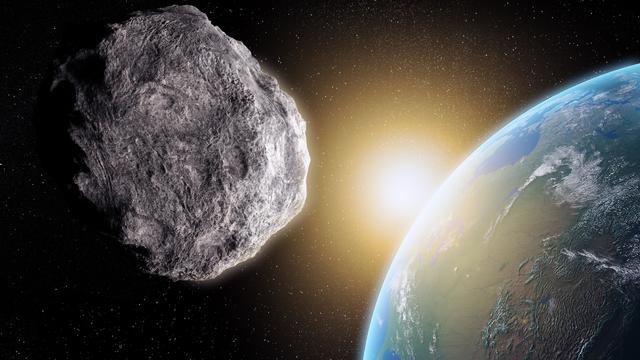
"An asteroid this size impacts Earth on average every few thousand years and could cause severe damage to a local region," the European Space Agency said.
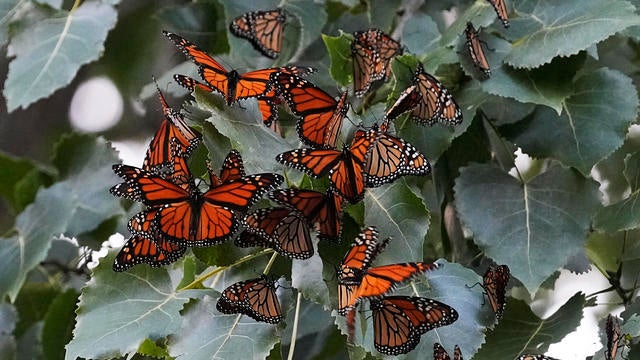
The number of monarch butterflies spending winter in the western U.S. dropped dramatically this year, despite moves to extend protections for the insect.

The CIA now believes the virus responsible for the COVID-19 pandemic most likely originated from a laboratory.
Global temperatures in 2024 soared to yet another record level, but this time it was such a big jump that Earth temporarily passed a major symbolic climate threshold.
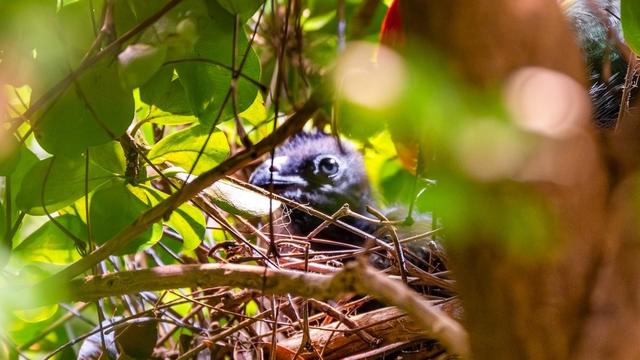
The California Academy of Sciences is celebrating a new addition to its Osher Rainforest -- a red-crested turaco chick.
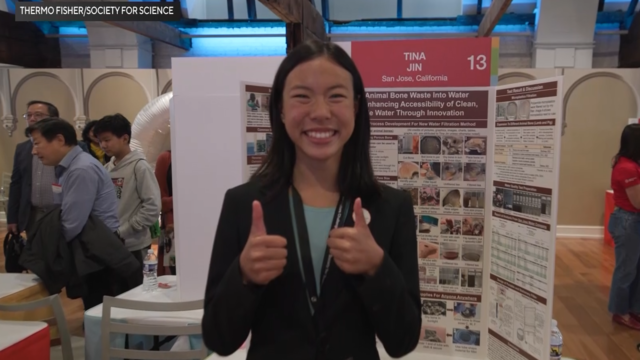
While young people are understandably anxious about the changing climate and warming planet, there's still a sense of optimism thanks to the creativity found in our youth.
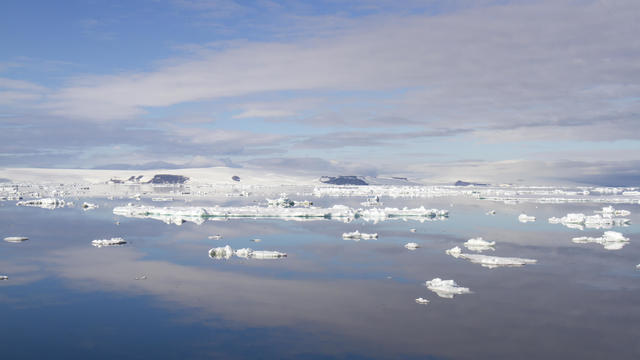
Scientists from the International Thwaites Glacier Collaboration warn of a "grim outlook" for the Thwaites Glacier, also known as the "Doomsday Glacier."
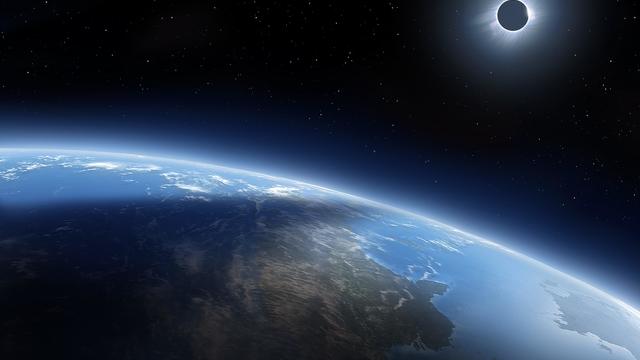
The asteroid was discovered in August and is set to become a mini-moon, spinning around Earth in a horseshoe shape for about two months.
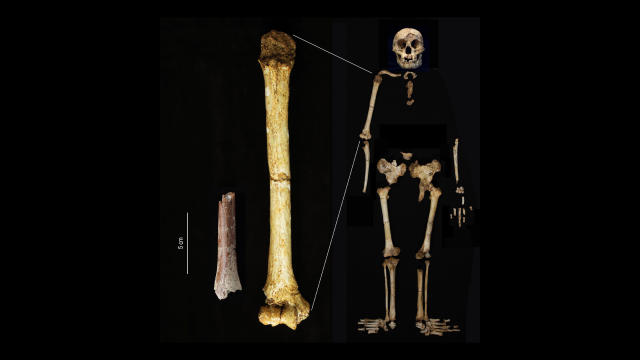
A new study published in the journal Nature suggests ancestors of an early human species were slightly shorter than previously thought.
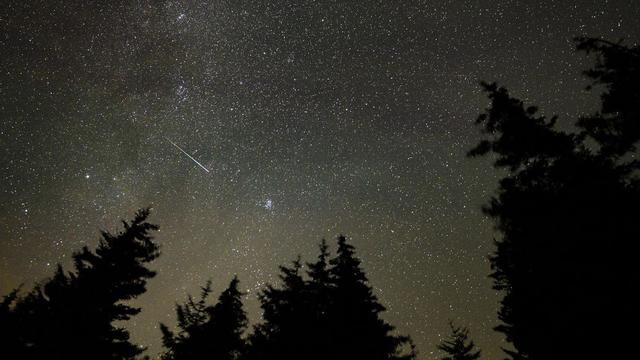
Two meteor showers are expected to flash across night skies around the same time this week.
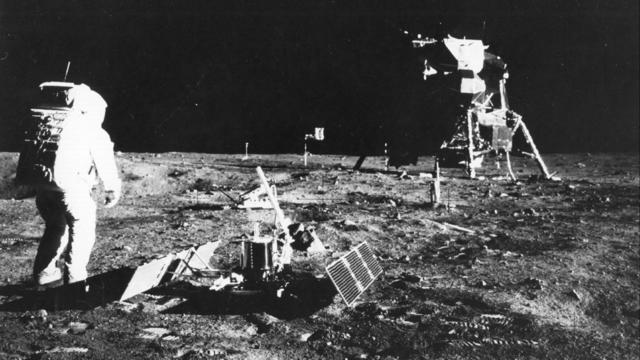
This weekend marks 55 years since the historic Apollo 11 moon landing. Retired NASA astronaut Leroy Chiao joins CBS News to look back on the small step for man and giant leap for mankind.