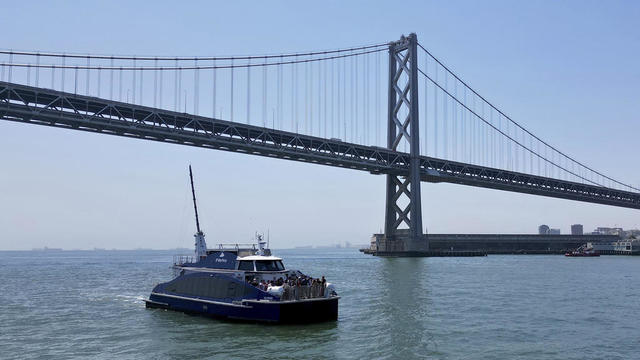
World's first hydrogen-powered commercial ferry to run on San Francisco Bay, and it's free to ride
The first hydrogen-powered ferry to operate commercially anywhere in the world is set to begin transporting passengers on San Francisco Bay.
Watch CBS News
The first hydrogen-powered ferry to operate commercially anywhere in the world is set to begin transporting passengers on San Francisco Bay.
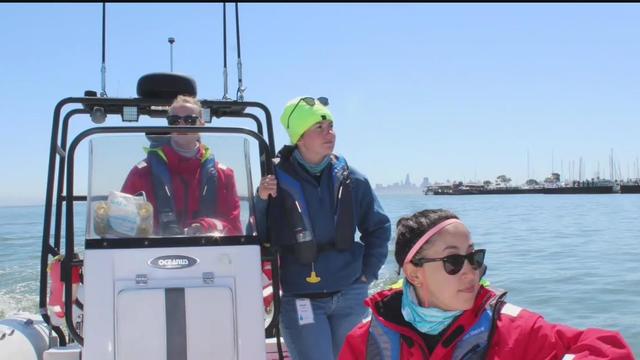
In recent years, the number of whales swimming in San Francisco Bay has increased dramatically, often with tragic results.
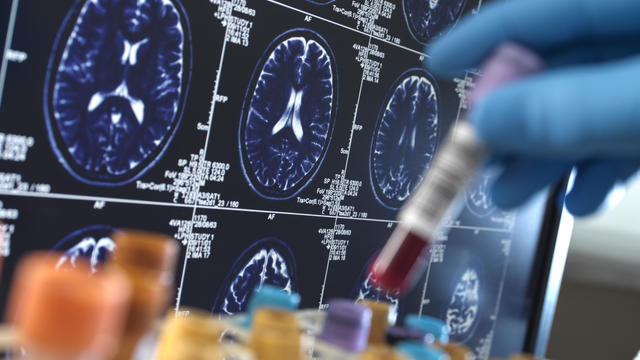
Scientists studying a Colombian family plagued by early-in-life Alzheimer's have found a rare gene variant that seems to delay initial symptoms by about five years.
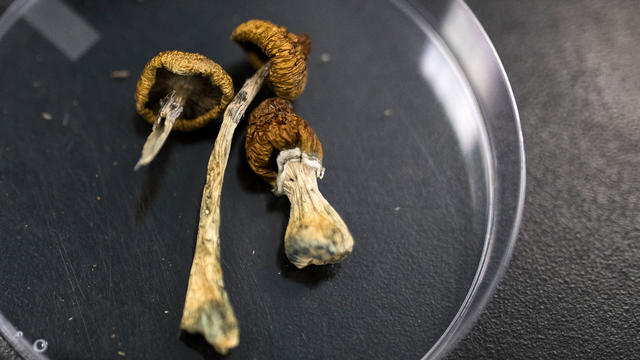
A UC Berkeley research center seeks to understand why psilocybin alters the visual experience in a study with human subjects.
A series of new studies on climate change is making clear what scientists and researchers have long been warning about the state of our planet.
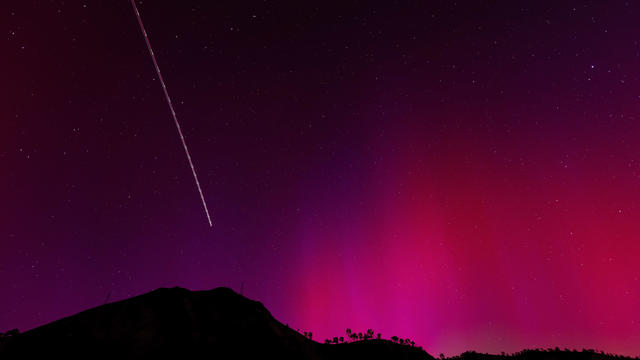
The forecasted conditions come after a weekend of jaw-dropping northern lights seen as far south as Florida and as "magnetically complex" sunspots bigger than Earth continue to emit solar flares.
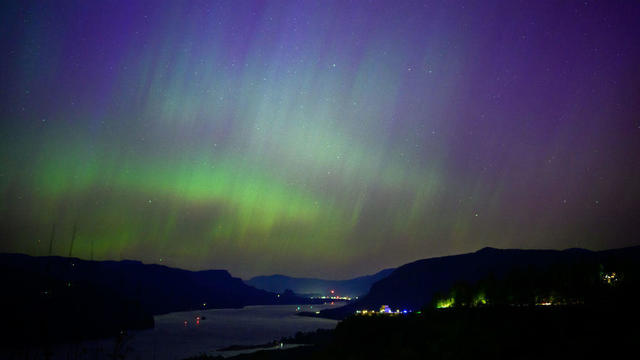
Americans were being treated to a show of the northern lights this weekend from a powerful geomagnetic storm heading toward Earth.
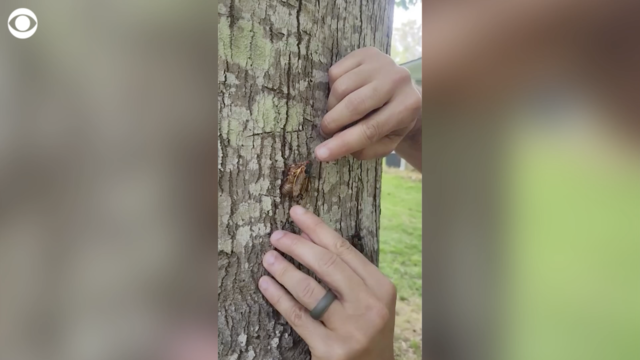
The bugs emit a loud, droning buzzing sound when they emerge — signaling they are ready to mate.
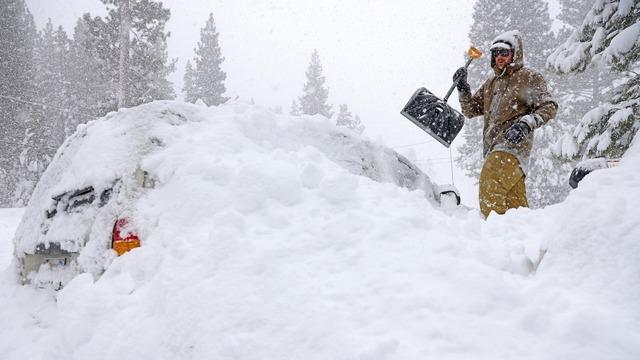
Last year's snow deluge in California --, which quickly erased a two decade long megadrought -- was essentially a once-in-a-lifetime rescue from above, according to a new scientific study.
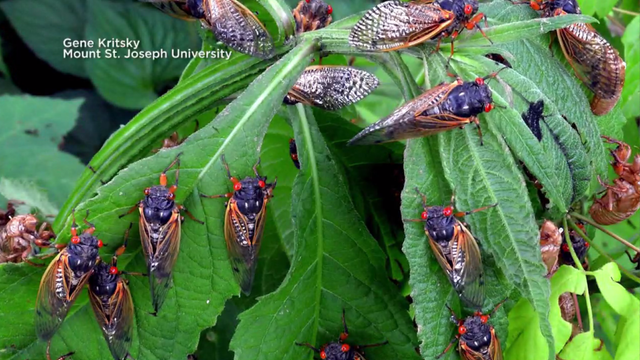
Trillions of periodical cicadas are emerging from the ground this spring, bringing with them their loud buzzing and molted exoskeletons. Here's where you will be able to see them.
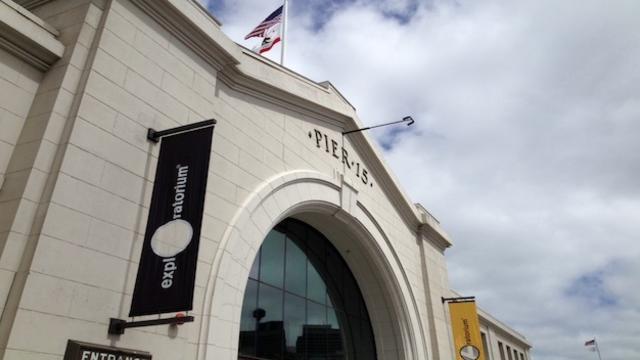
While the San Francisco Bay Area will only see about 30-35% totality during the highly anticipated eclipse Monday morning, there are a number of locations hosting watch parties.
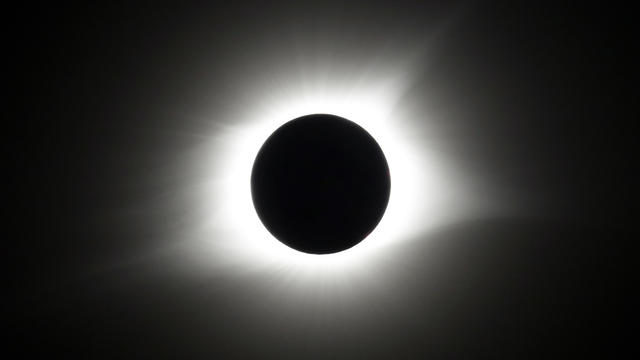
About 31.6 million people live in the path of today's total solar eclipse across the U.S., and millions more will see a partial eclipse. Here's how and where to see it.
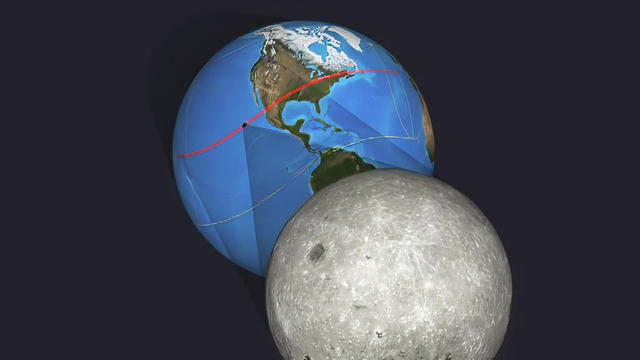
There's a lot of excitement building for next month's total solar eclipse. But before you dust off your eclipse goggles, you're going to have to plan a trip to experience the full extent of this rare celestial event.
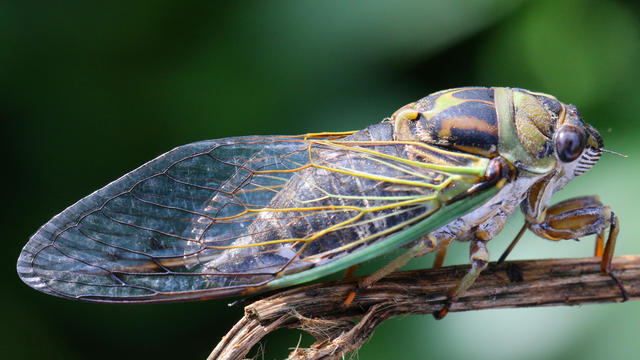
Trillions of red-eyed periodical cicadas are about to emerge in numbers not seen in many years. Here's where to expect them.
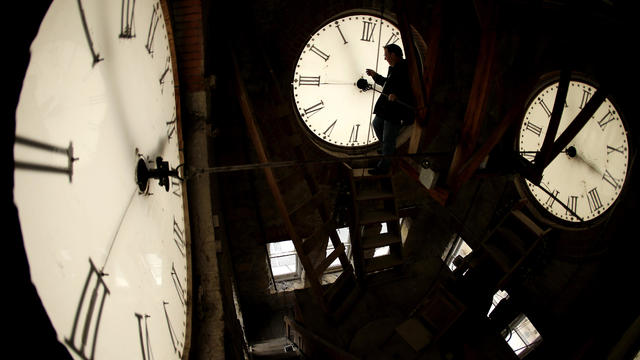
The planet is headed towards what one expert called a "negative leap second."
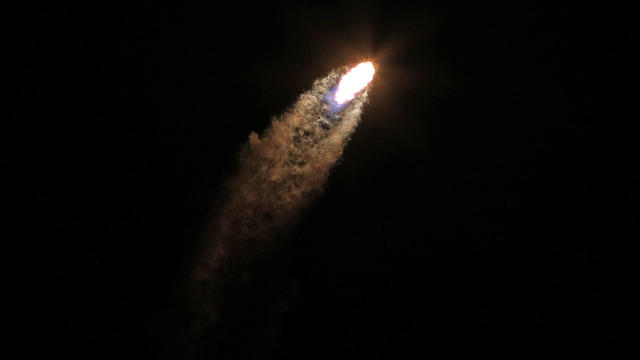
History was made Thursday as the U.S. returned to the moon for the first time in more than 50 years. Washington Post reporter Christian Davenport joins CBS News to examine the lunar lander mission.
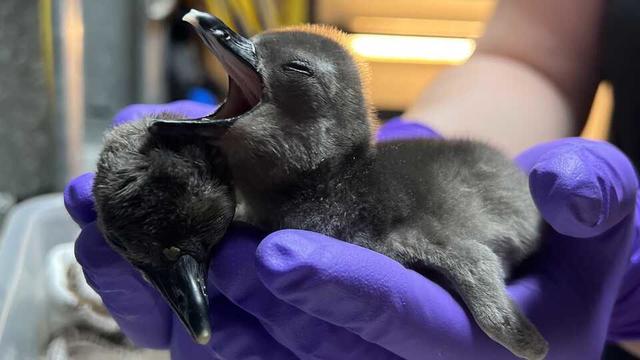
The California Academy of Sciences in San Francisco is enjoying a bounty of ten African penguin chicks that have hatched at the museum in just over a year.
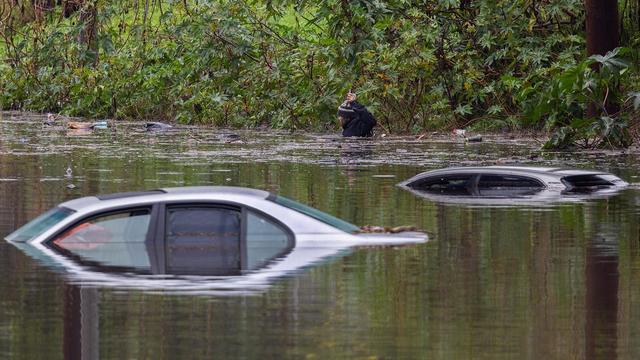
The first of two storm systems is drenching the West Coast, triggering rock slides and flooding roads. CBS News correspondent Carter Evans reports from Long Beach, California. Then, senior weather producer David Parkinson joins with the latest forecast.
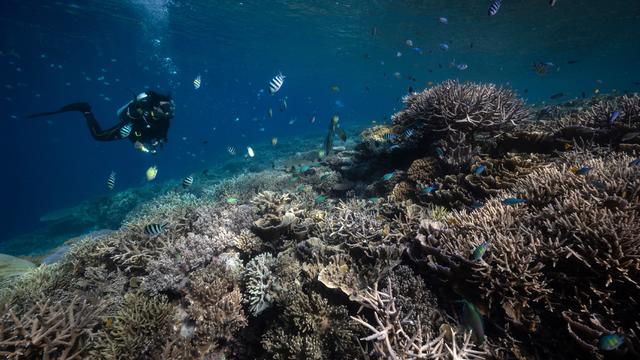
The revised coral bleaching alert levels come in the wake of Florida experiencing hot tub-level sea temperatures and some reefs experiencing "100% mortality."
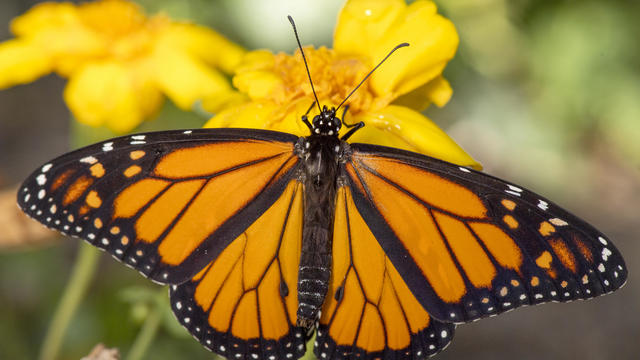
Researchers say the number of western monarch butterflies overwintering in California dropped by 30% last year, likely due to how wet it was.
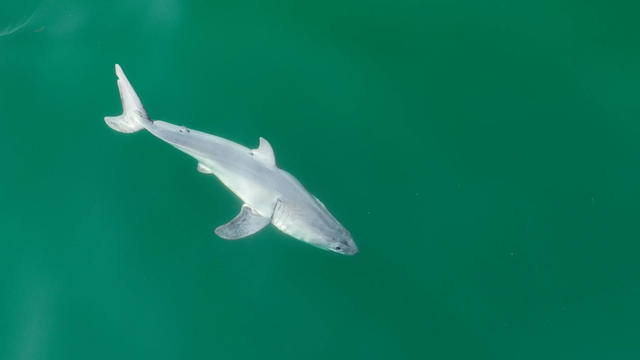
A longtime wildlife photographer has "seen some sharks doing some really wild things" – but nothing prepared him for capturing what's believed to be the first images of a live newborn great white shark.
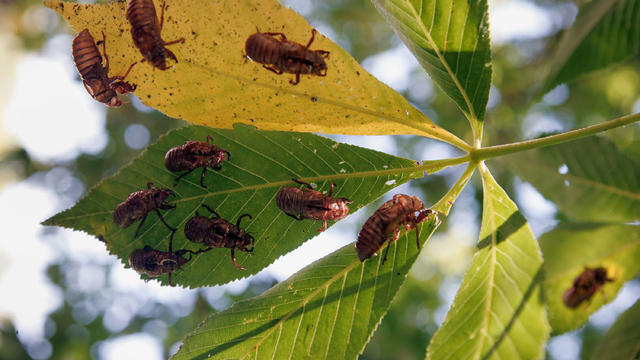
This will be the first time since the Louisiana Purchase in 1803 that these broods of noisy, flying insects will emerge from underground.

Exactly why the great ape died off after flourishing for hundreds of thousands of years has been one of the lasting mysteries of paleontology.
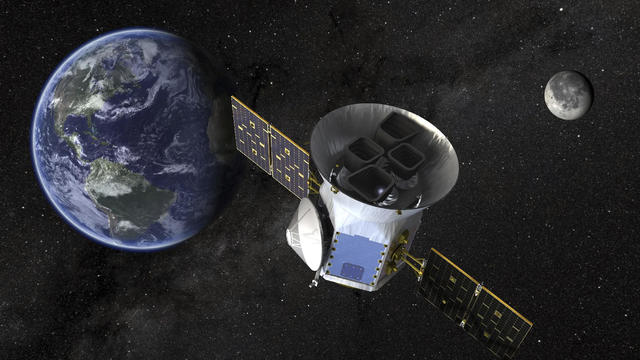
Astronomers have discovered six planets orbiting a bright, nearby star in perfect synchrony like a grand cosmic orchestra.
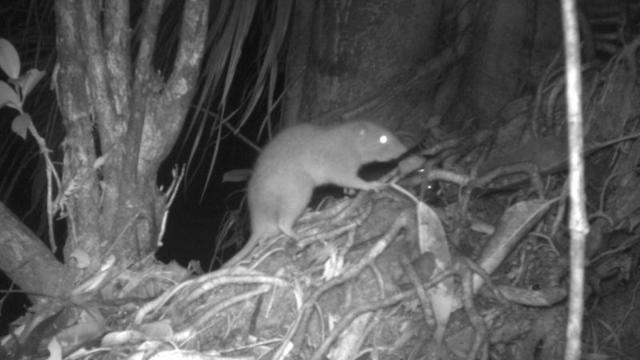
Researchers were able to attract "one of the world's rarest rodents" in their endangered habitat using glass oil lamps filled with sesame oil.