U.S., Iran trade more strikes after Trump says ceasefire is "over"
The U.S. began a second night of strikes Wednesday and Iran responded in kind after President Trump declared earlier in the day that the ceasefire was "over."
Watch CBS News
The U.S. began a second night of strikes Wednesday and Iran responded in kind after President Trump declared earlier in the day that the ceasefire was "over."
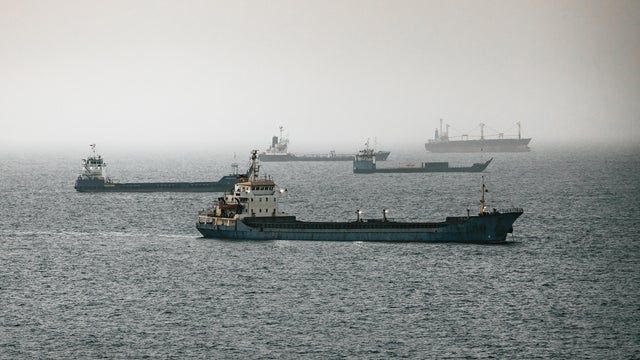
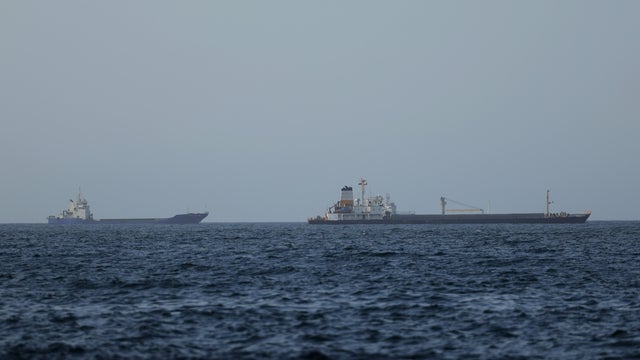
With peace talks on hold, the U.S. said it launched a "series of powerful strikes" on Iran in response to Iranian attacks on three commercial vessels in the Strait of Hormuz.
Iran launched drone and missile attacks targeting Kuwait and Bahrain on Sunday after the U.S. and Iran traded attacks earlier over the weekend.
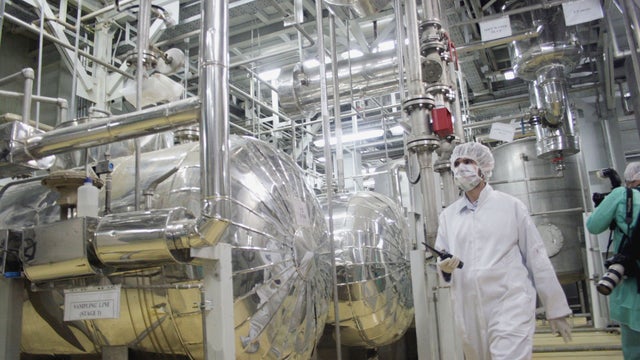
Iran insists there are no plans for inspections of its bombed nuclear sites, but Trump says Tehran "fully and completely" agreed to let inspectors return.
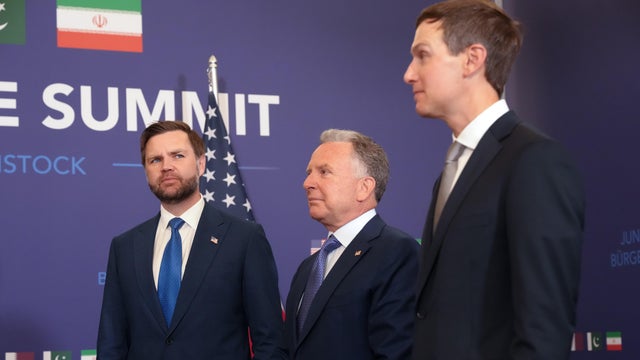
Vance says Iran agreed to let international nuclear inspectors back into the country during a "very, very good" first day of negotiations with the U.S.
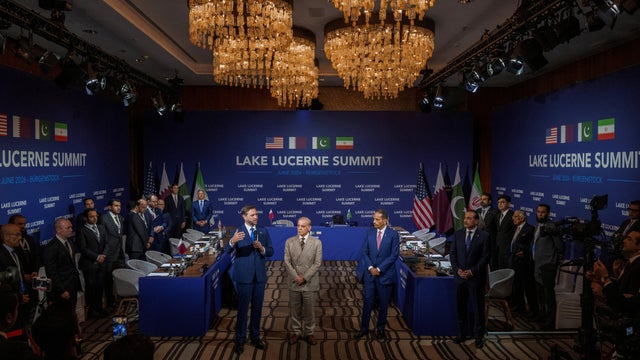
Their appearance was a rare face-to-face meeting between U.S. and Iranian officials as they launched a 60-day sprint to negotiate over the fate of Iran's nuclear program.
The negotiations were expected to start as soon as this weekend, but Vice President Vance's trip there was put off and Switzerland said the negotiations have been postponed.
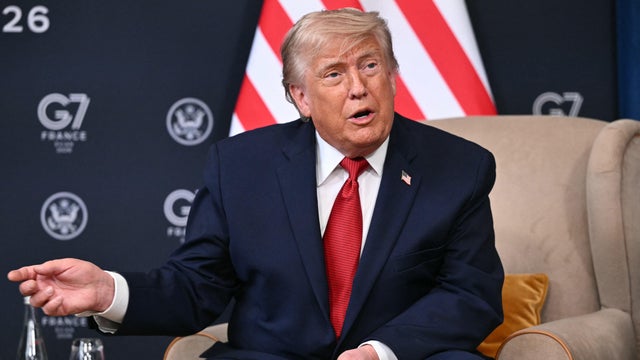
President Trump warned he could order new strikes if Iran's leaders "don't behave." The U.S. and Iran signed the memo of understanding remotely, a White House official said.
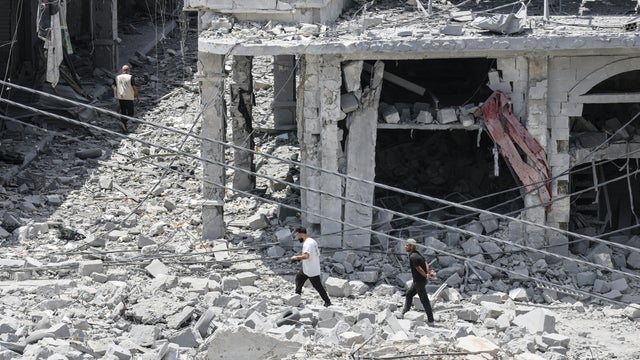
Senior U.S. officials say President Trump and Iran's top negotiator have already remotely signed a memorandum of understanding ahead of an expected signing ceremony.
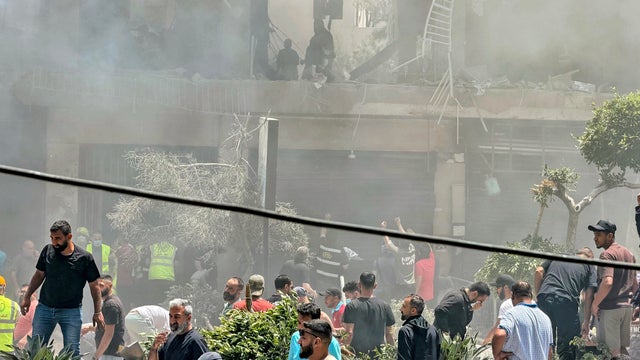
Pakistan's prime minister said Sunday the U.S. and Iran had reached a deal that includes "the immediate and permanent termination of military operations on all fronts, including in Lebanon."
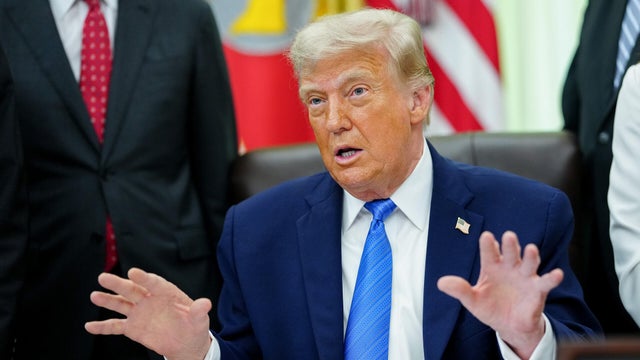
President Trump said earlier Thursday he called off new military strikes on Iran, hours after threatening to escalate the war.
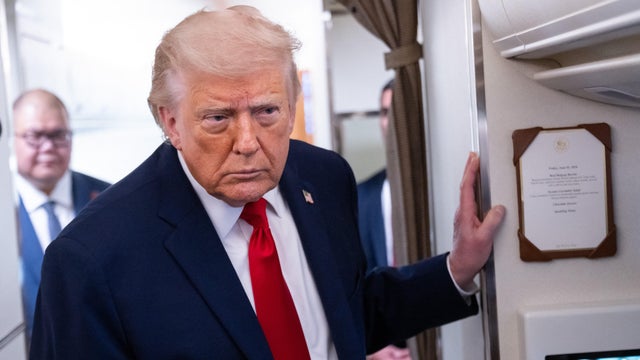
The two helicopter pilots were uninjured. After the retaliatory strikes were announced, President Trump said, "I believe the response should be very strong, very powerful."
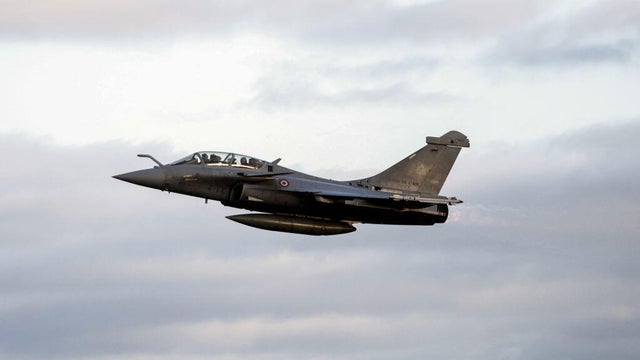
A series of drone incursions into countries neighboring Ukraine and Russia is fueling concern that their four-and-a-half year war could spread.
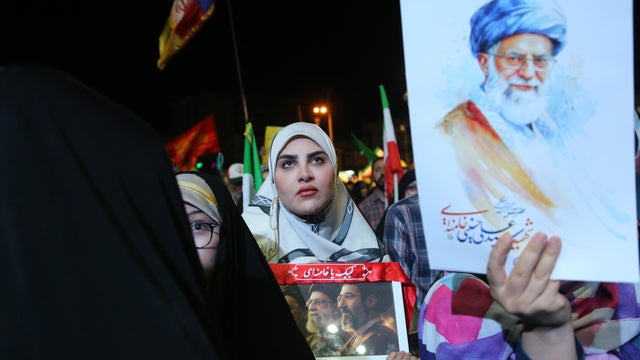
The Iranians' latest move in the war came in response to what it considers U.S. and Israeli ceasefire violations.
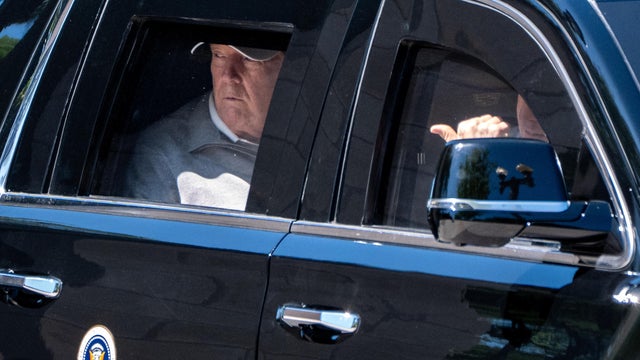
President Trump's changes included somewhat significant changes, according to a source with knowledge of the negotiations.
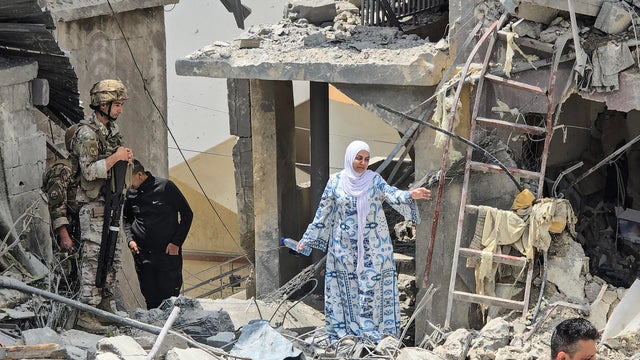
The U.S. and Iran had appeared ready to de-escalate before the U.S. military conducted what it said were defensive strikes against Iran on Wednesday.
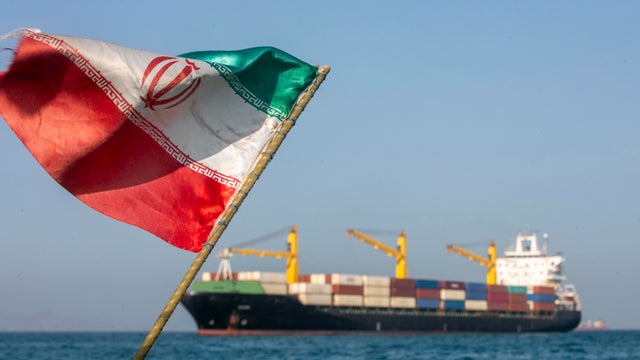
There is broad commitment on the principles of a deal, a senior Trump administration official said, and the administration feels positive about where things stand.

President Trump said "there won't be anything left of them" if Iranian leaders do not "get moving, FAST."

President Trump is expected to encourage China to pressure Iran to make a deal to end the war when he visits Beijing this week and meets with President Xi Jinping.

President Trump didn't provide details on the issues he had with the response or what would come next.
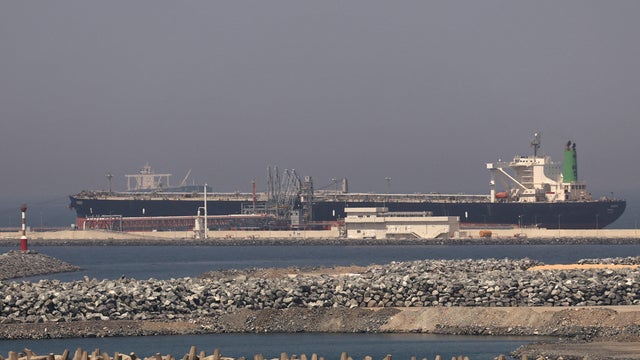
As President Trump again voiced optimism that Iran will "make a deal" to end the war, Tehran declared itself the regulator of Strait of Hormuz shipping.
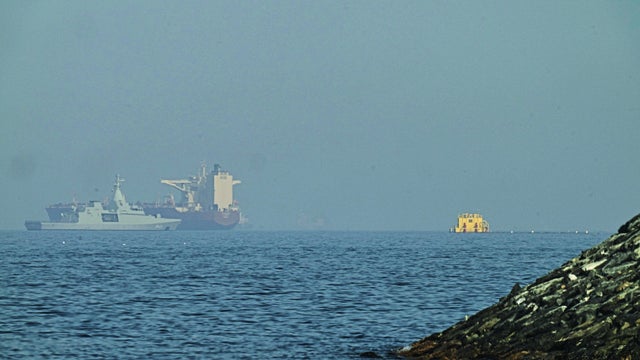
President Trump announced the U.S. would "guide" ships not involved in the war with Iran out of the Strait of Hormuz. A U.S.-led task force says it has started the operation.
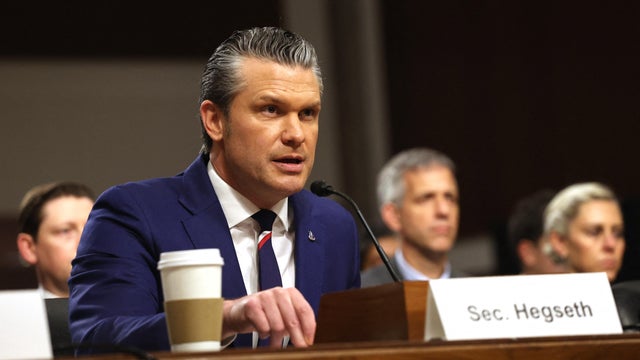
Oil prices hit a 4-year high as Axios reports Trump will hear new options to try to break the Strait of Hormuz standoff with Iran with a new wave of attacks.
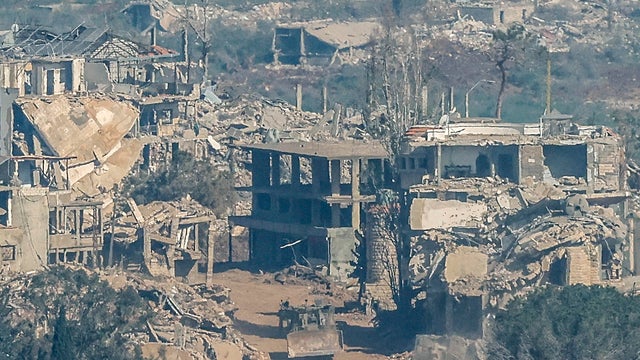
Energy prices keep rising with no sign of progress toward a deal to end the U.S.-Iran standoff and Hezbollah rejecting the Lebanon ceasefire.
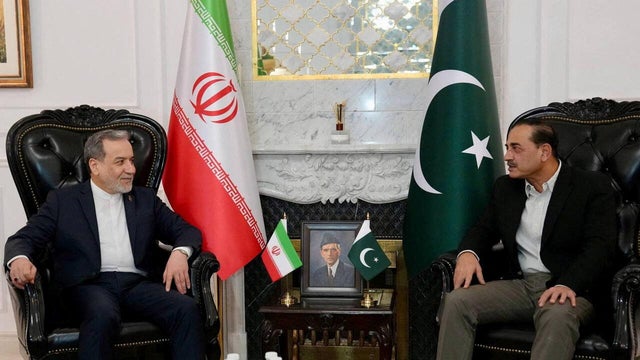
Iranian Foreign Minister Abbas Araghchi returned to Islamabad on Sunday, where he participated in talks focused on ending the war with the U.S., Iranian state media reported.