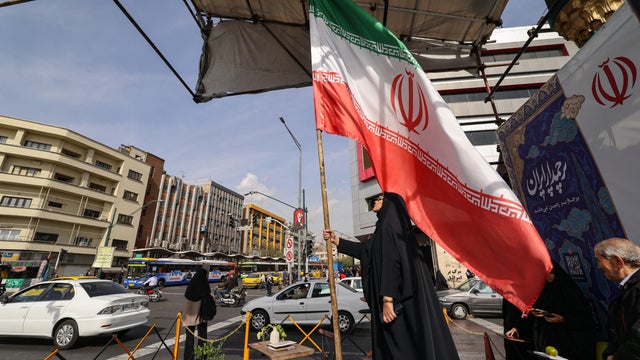
Ceasefire needs to hold or Gaza will face famine again: U.N.
Hundreds of trucks carrying humanitarian aid have arrived each day since the ceasefire began on Jan. 19.
Watch CBS News
Hundreds of trucks carrying humanitarian aid have arrived each day since the ceasefire began on Jan. 19.
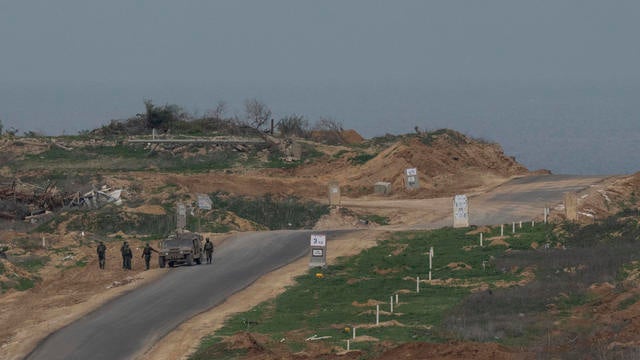
Three more Israeli hostages were released Saturday in exchange for dozens of Palestinian prisoners.
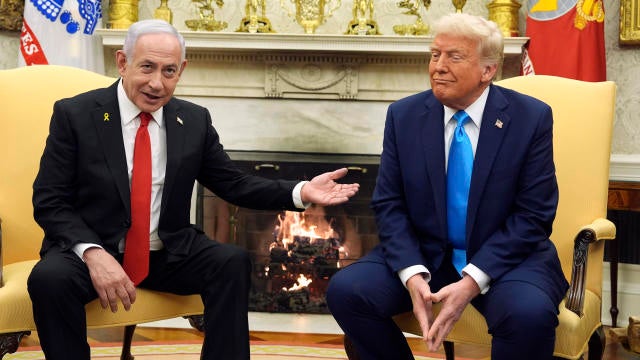
The International Criminal Court, sanctioned by Trump after issuing an arrest warrant for Israel's leader, calls on all nations "to stand united for justice."

President Trump wrote Thursday that the Gaza Strip "would be turned over to the United States by Israel at the conclusion of fighting."
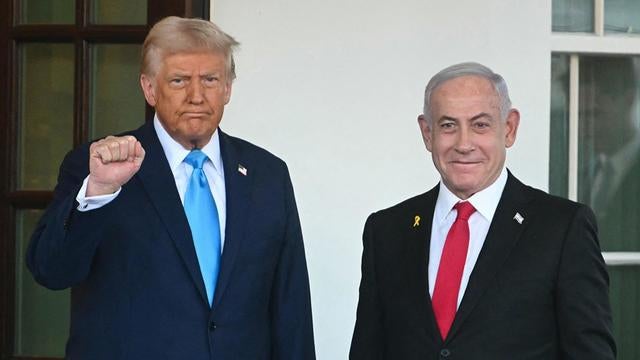
Only Israel has suggested openness to Trump's plan for the U.S. to move Palestinians out of Gaza and make it a "Riviera of the Middle East."
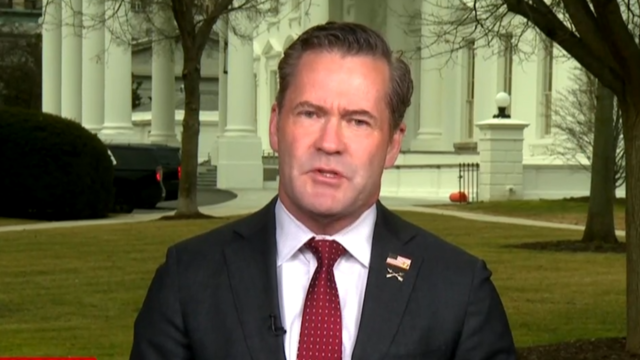
During a joint press conference Tuesday night with Israeli Prime Minister Benjamin Netanyahu, President Trump outlined a new vision for Gaza, saying the U.S. would "take over the Gaza Strip" and "own it."
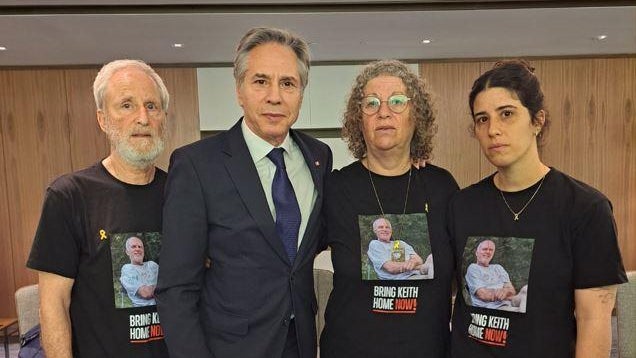
Keith Siegel, a 65-year-old dual U.S.-Israeli national, is the first American to be released since the Israel-Hamas ceasefire took effect.

Mediators begin the daunting work of brokering the next phase of the ceasefire agreement between Israel and Hamas this week.
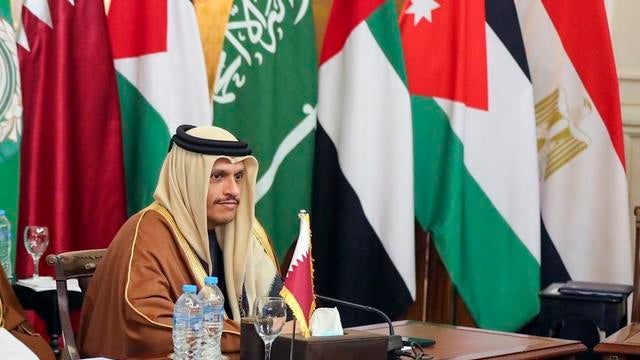
President Trump told reporters last month that he would urge the leaders of Jordan and Egypt to take in Gaza's now largely homeless population.
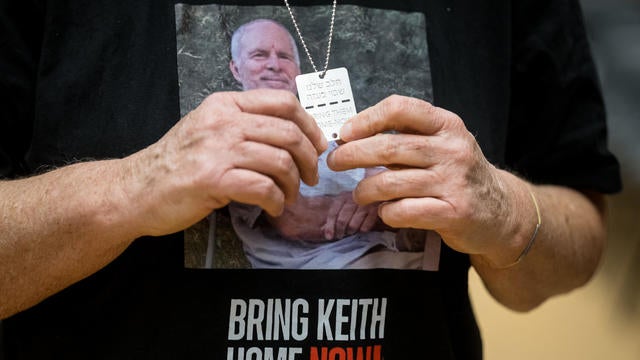
Dual U.S.-Israeli national Keith Siegel is among the 3 hostages expected to be released by Hamas in the fourth swap with Israel.
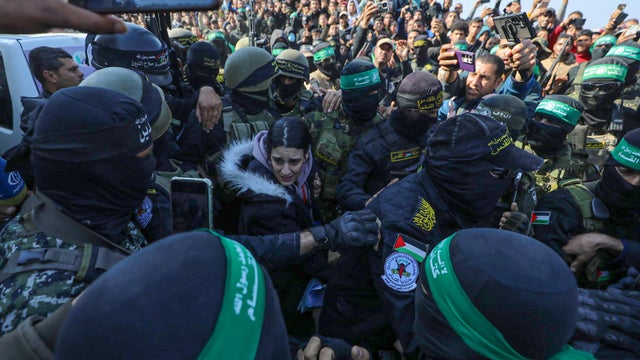
2 Israeli women and an 80-year-old male hostage, along with 5 Thai nationals, were released in Gaza, but Israel delayed its part of the exchange, accusing Hamas of "shocking scenes" at one handover.
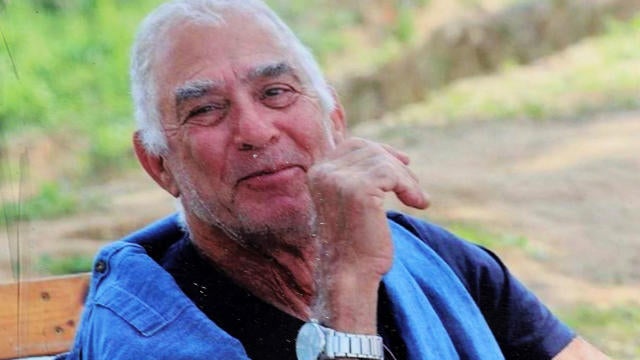
The expected release will keep up the momentum of the fragile ceasefire between Israel and the militant Hamas group that paused the 15-monthlong war in Gaza.
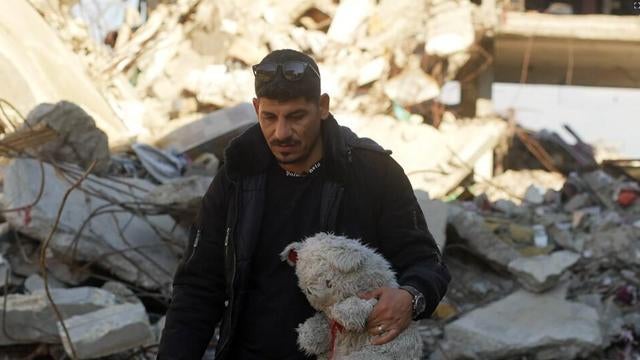
Monzer al-Sharafi survived months in a tent with his family in southern Gaza. CBS News joined him for the grueling trek back to find what was left of his life.
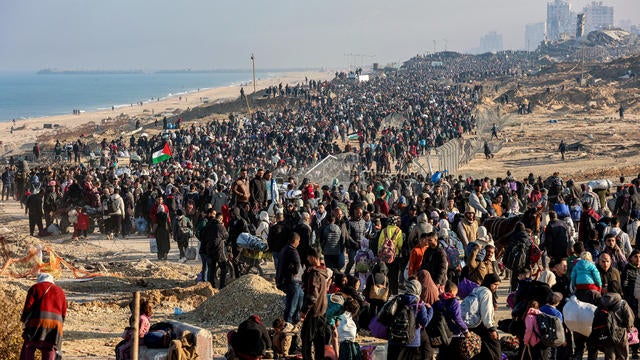
Israel is letting thousands of Palestinians return to northern Gaza for the first time since the early weeks of the war with Hamas, as a fragile ceasefire endures.
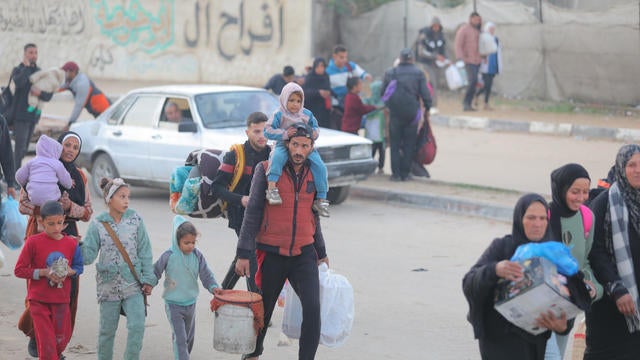
Jordan voiced its "firm and unwavering" rejection of President Trump's suggestion that most Palestinians in Gaza could be relocated to neighboring nations.
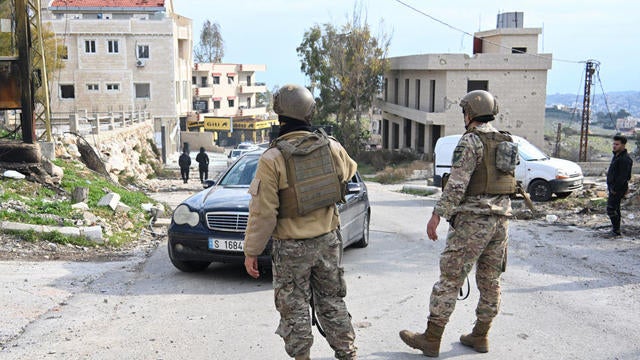
Israel said it would keep troops in the south beyond the Sunday deadline because the Lebanese army had not yet fully deployed to ensure that Hezbollah does not reestablish its presence in the area.

After the release of four female Israeli soldiers, Israeli authorities released 200 Palestinian prisoners.
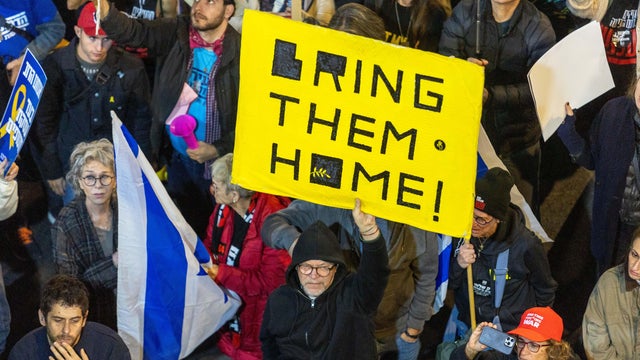
Hamas has named 4 female Israeli soldiers it says will be freed as part of the second hostage-prisoner swap, as the Gaza ceasefire endures.
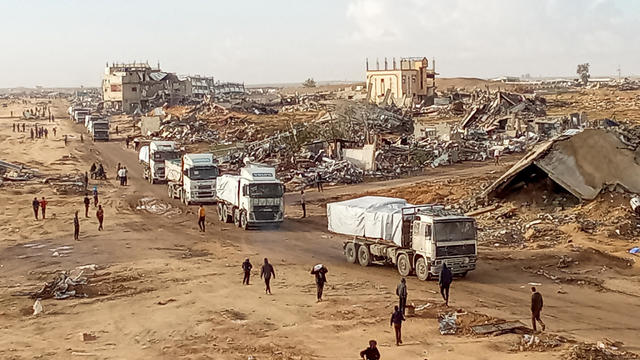
Israel says troops fired on masked gunmen in Gaza, but it remains committed to the ceasefire as it continues a new offensive in the West Bank.
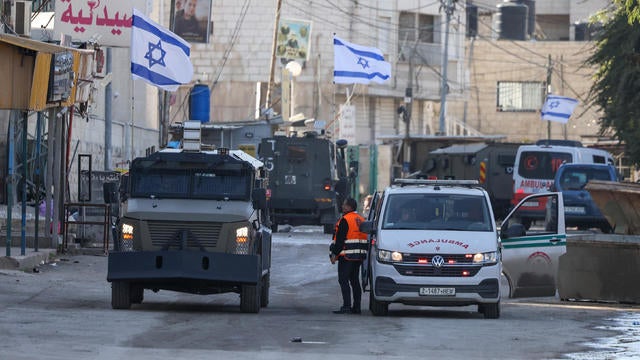
Palestinian officials say Israeli forces kill at least 7 people in a new offensive in the occupied West Bank as Trump rescinds sanctions on settlers.

The first three Israeli hostages were released after the ceasefire officially began. Hours later, Israel released 90 Palestinian prisoners and detainees.

The women are the first three hostages to be released under the newly implemented ceasefire and hostage release deal between Israel and Hamas

Israeli Prime Minister Benjamin Netanyahu had warned that Israel would keep fighting if there were any perceived violations of the deal.
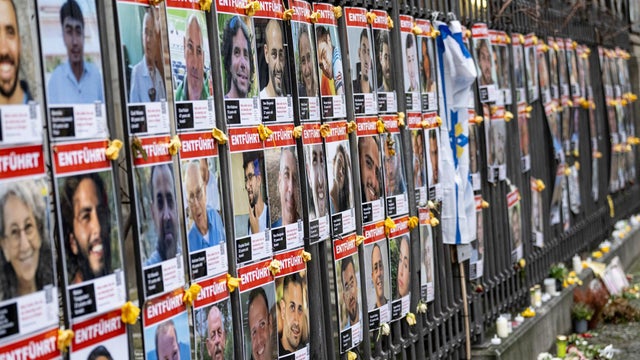
The deal is expected to begin Sunday, with the exchange of several hostages held in Gaza for a number of Palestinian prisoners in Israeli jails.

Israeli Prime Minister Benjamin Netanyahu's office announced that Israel's negotiating team had finalized a deal on the release of hostages held in Gaza.