Chicago City Council passes budget after long, contentious process
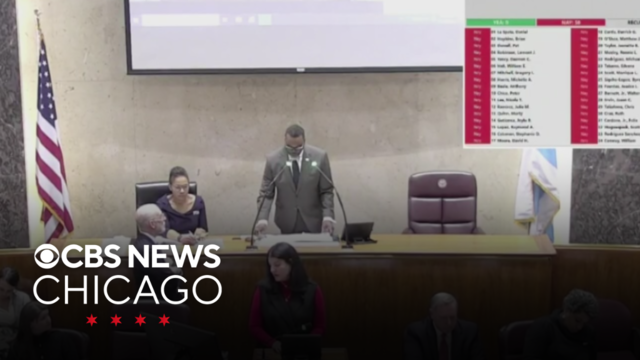
The budget passed by a vote of 27-23 Monday after a property tax proposal was eliminated this past weekend. Darius Johnson reports.
Watch CBS News
The budget passed by a vote of 27-23 Monday after a property tax proposal was eliminated this past weekend. Darius Johnson reports.
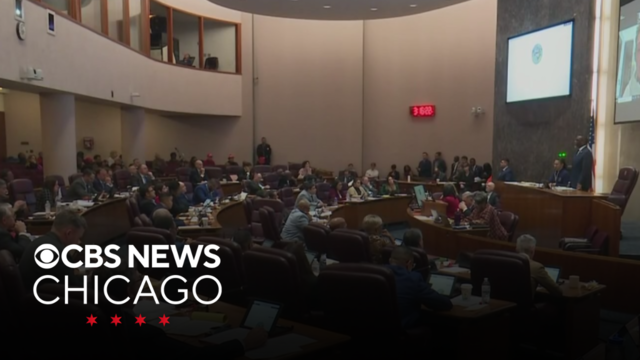
Mayor Brandon Johnson's fourth budget proposal passed after a proposed property tax hike was eliminated. Political Reporter Chris Tye reports.
Mayor Brandon Johnson's latest budget plan did away with a property tax hike that was a major point of contention. Political Reporter Chris Tye reports.
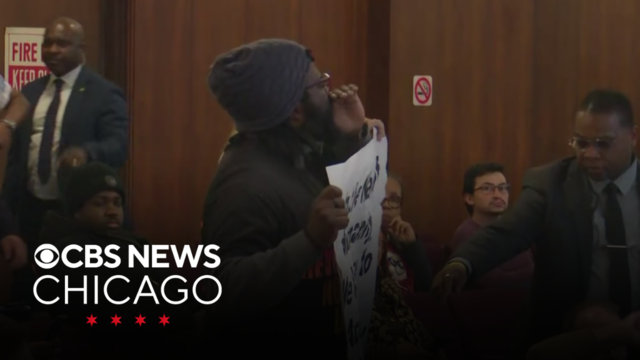
Property tax hikes have been eliminated from Mayor Brandon Johnson's proposed budget, but many aldermen still oppose it. Political Reporter Chris Tye reports.
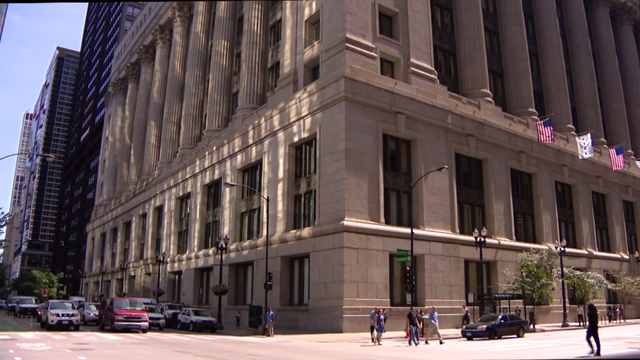
It remains unclear if the mayor's latest proposal will win him enough votes from the City Council.
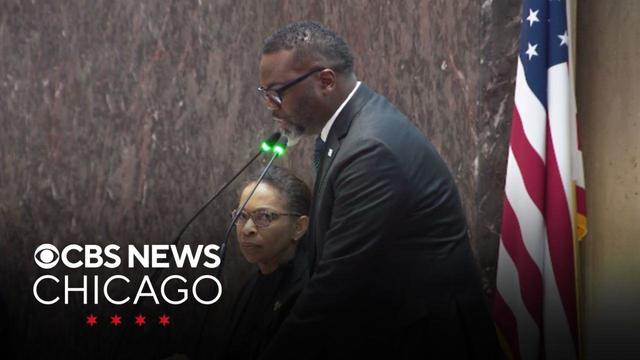
Mayor Brandon Johnson has rolled out his fourth proposed 2025 budget plan with a year-end deadline looming, dropping his push for a property tax hike, but critics said his proposed spending cuts still don't go far enough.
Mayor Brandon Johnson shared his latest budget proposal with members of the City Council on Sunday, dropping his pitch for property tax hikes in hopes of getting a deal done by Monday.
The city has just over two weeks to approve a balanced budget plan for 2025, or face an unprecedented city government shutdown.
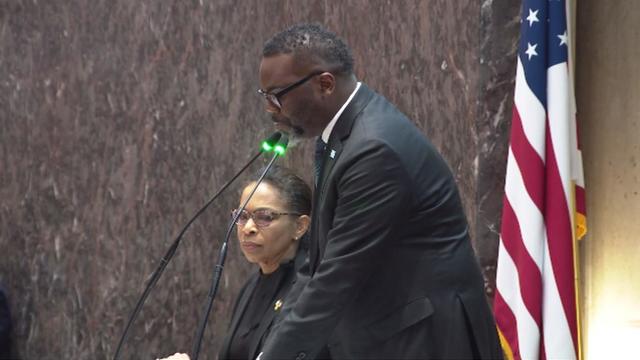
After the meeting, Johnson acknowledged he does not yet have the votes to pass his $17.3 billion spending plan.
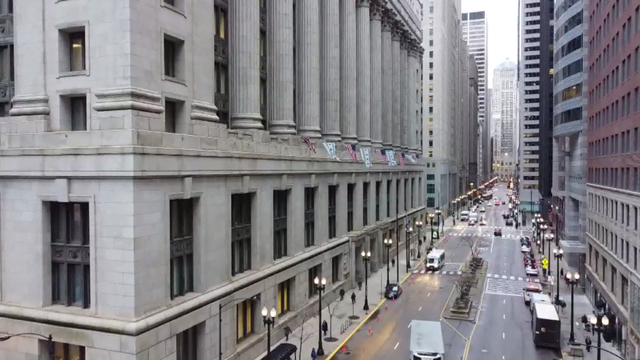
Before the budget can get to the City Council for a full vote, it needs to clear the Finance Committee on Tuesday morning.
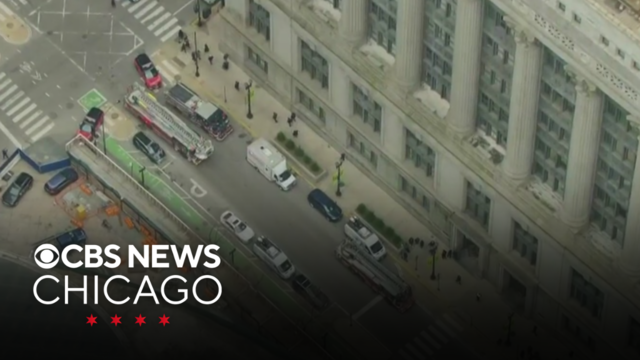
Boxes caught fire in a storage room on the Cook County side of the building, and dozens of people had to wait outside for an hour before being let back into work. Sabrina Franza reports.
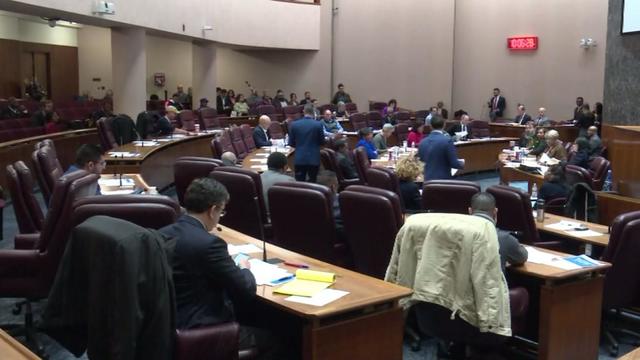
It's unclear if Johnson has the votes to get his budget plan approved by the full council, and critics said the mayor has begun backroom promises to shore up support from those with cold feet.
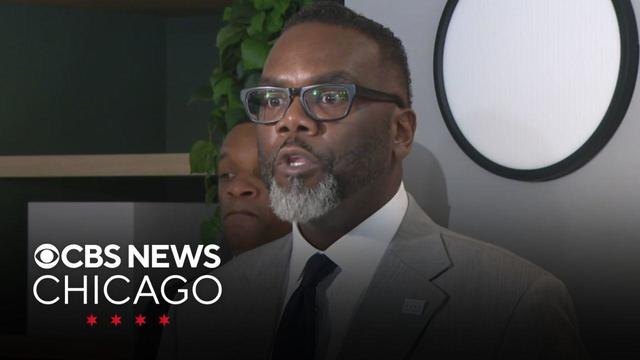
Many alders are not on board with Chicago Mayor Brandon Johnson's plan to raise property taxes, even though the amount by which they would be raised has been cut. Political Reporter Chris Tye reports.

This includes a decision on the future of Chicago Public Schools Chief Executive Officer Pedro Martinez.
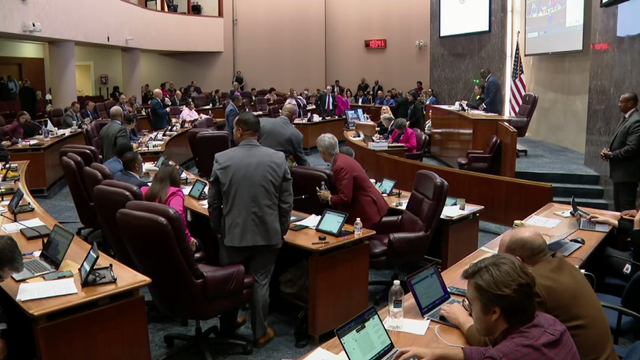
The mayor and the City Council have until Dec. 31 to get a budget passed.
The majority of City Council members are now calling on Mayor Brandon Johnson to cut staff in his own office to help balance next year’s budget, but the mayor insist there will be no layoffs. Sabrina Franza reports.
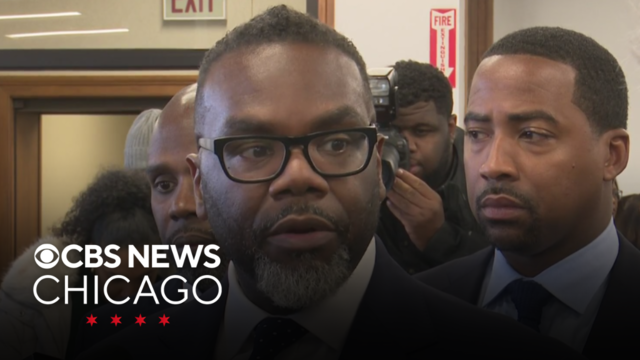
The Johnson administration started at $300 million for a proposed property tax hike—which the City Council voted down unanimously. The administration later revised the proposal to $150 million, and has now cut it to $68 million. Sabrina Franza reports.
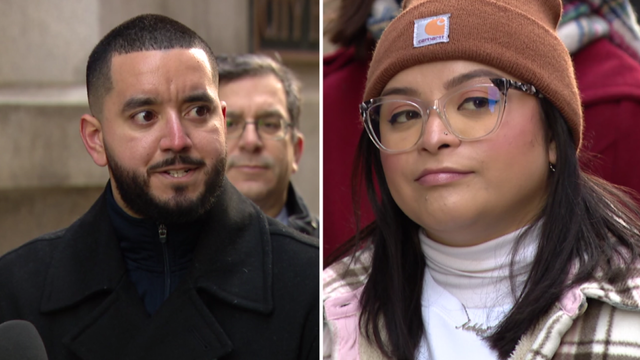
Four former employees of the mayor's team were fired then put on the list for reasons that two aldermen say fall well short of what the list was intended for.
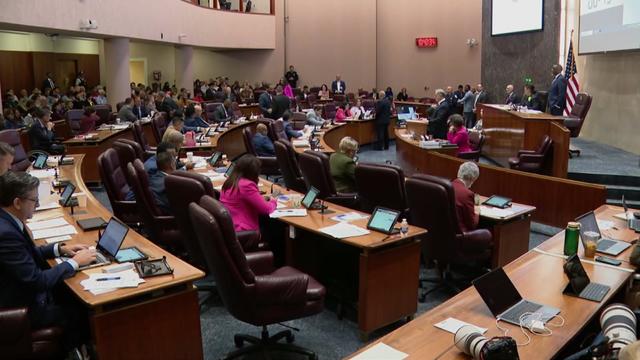
A balanced city budget must be passed by the end of the year. As of Tuesday, Dec. 2, there was no deal in sight with the Dec. 31 deadline in place.
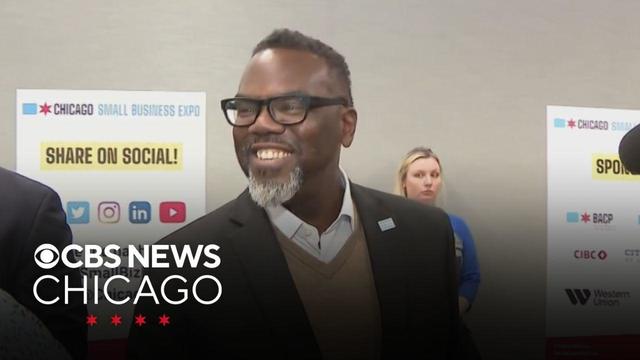
A balanced city budget must be passed by the end of the year. As of Tuesday, Dec. 2, there was no deal in sight with the Dec. 31 deadline in place. Sabrina Franza reports.
A balanced city budget must be passed by the end of the year. As of Tuesday, Dec. 2, there was no deal in sight with the Dec. 31 deadline in place. Sabrina Franza reports.
The alders' idea is to move almost all city departments back to their budget allocation from 2020, but to add an inflation adjustment.
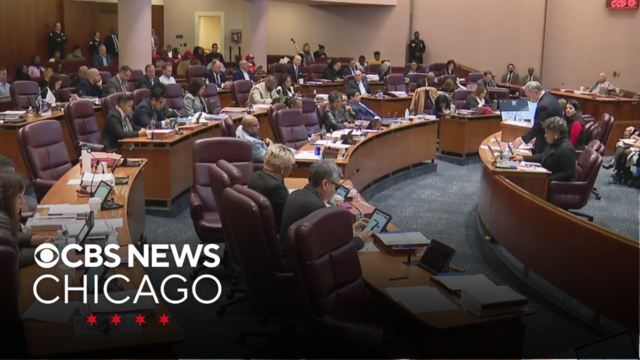
This budget proposal stands in contrast to Mayor Brandon Johnson's plan to raise property taxes. Political Reporter Chris Tye reports.
In the poll, a total of 800 Chicagoans were asked a dozen questions about city leadership, finances, and ways to balance the budget.
Fourteen aldermen commissioned the poll and paid for it from their political war chests. As Political Reporter Chris Tye reports, the poll shows voters want no part of a property tax, and alders who go along with one are likely to pay the political price for it.