Watch CBS News

Lessons from the Wall Street crash of 1929
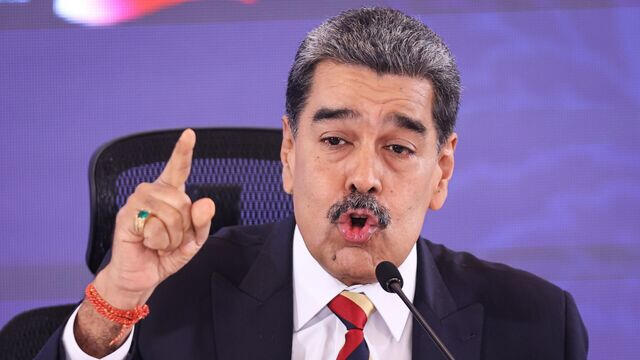
Stocks on Wall Street have rallied in recent months, but author Andrew Ross Sorkin sees a crash coming. The question is: when will the bubble pop, and how much will the market slump when it does?
Oct 12, 2025 (13:11)

TRANSCRIPT FOR: “APPLYING LESSONS FROM THE WALL STREET CRASH OF 1929 TO TODAY'S MARKET | 60 MINUTES”

ANNOUNCER:
00:00:42

The story will continue in a moment.

NARRATOR:
00:00:47

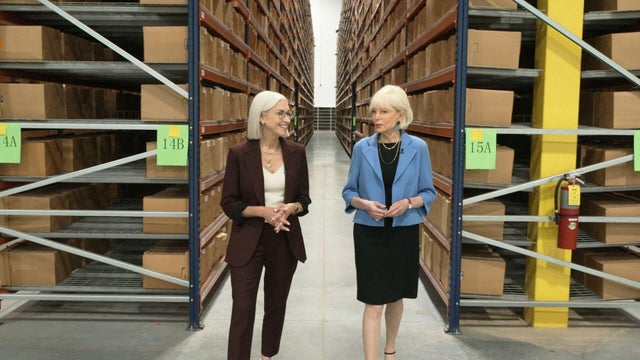
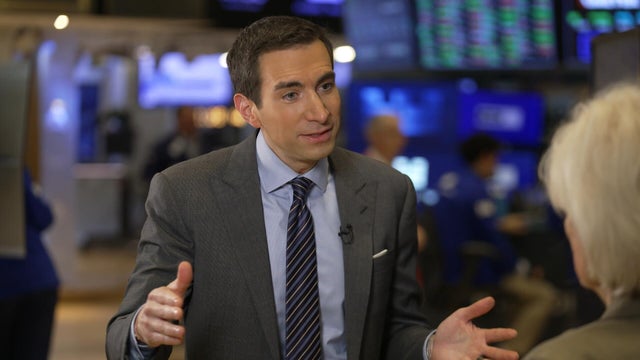
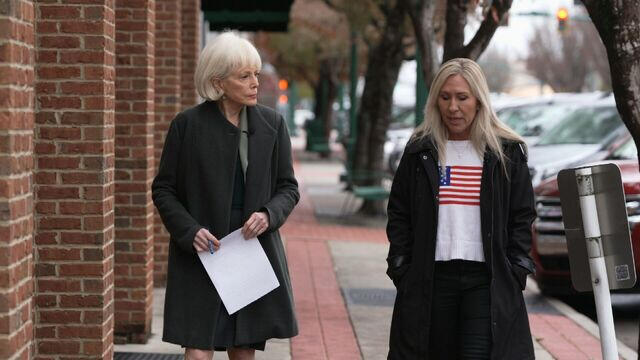
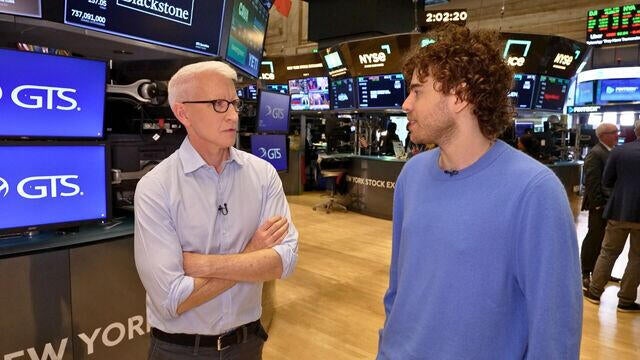
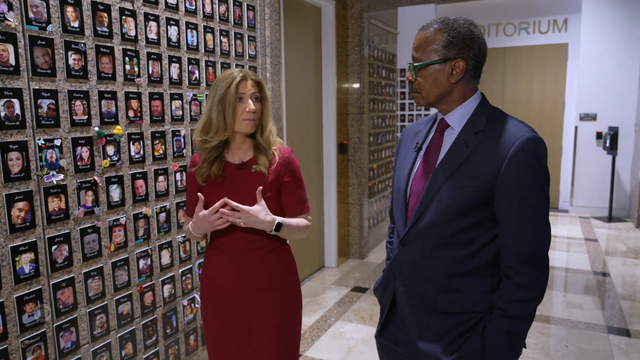
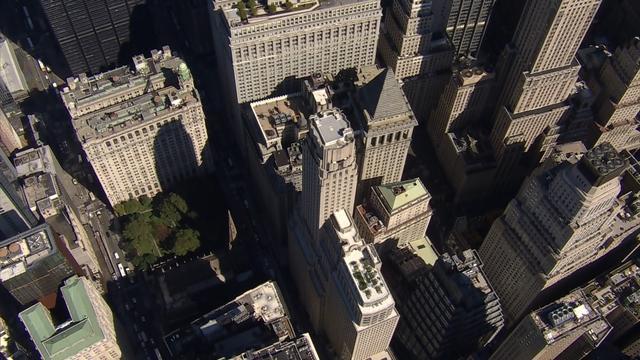
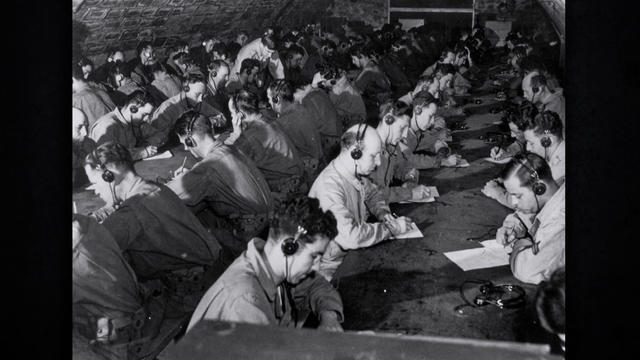
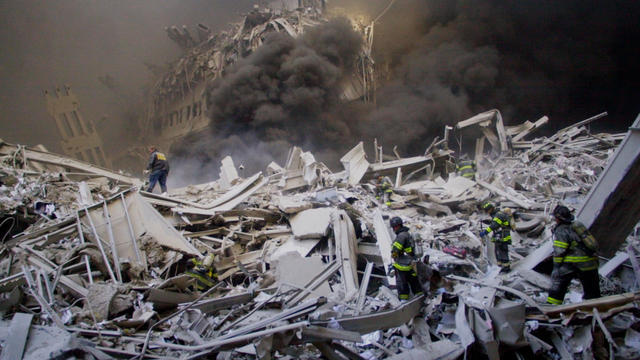
Tuesday, October 29, 1929. LESLEY STAHL (VOICEOVER): Imagine the New York Stock Exchange back then. The crush of frightened traders dumping stocks. Investors losing their shirts, businesses, their homes. Sweeping away the roaring '20s. Walking that same, but transformed floor today. The difference is everything's digital. Well, yeah, OK. LESLEY STAHL (VOICEOVER): Andrew Ross Sorkin says we're in our own roaring '20s, the 2020s, with stocks climbing for months, just like then.

ANDREW SORKIN:
00:01:22

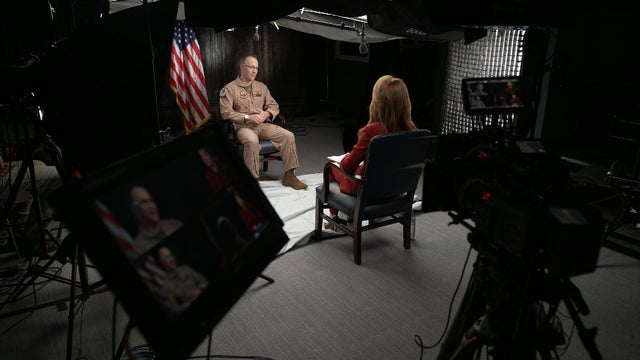
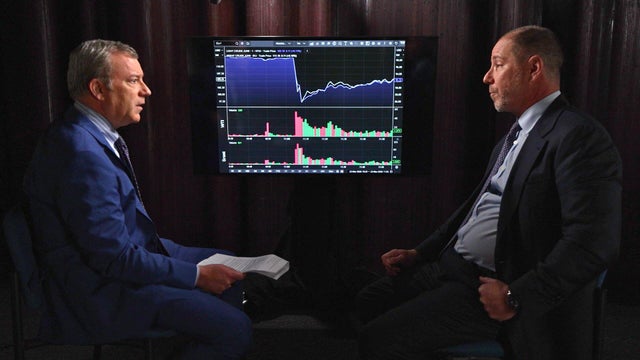
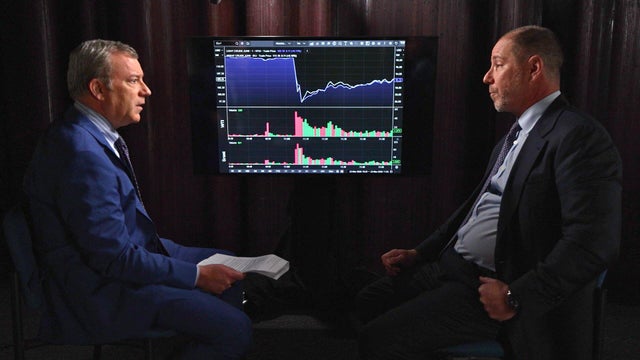
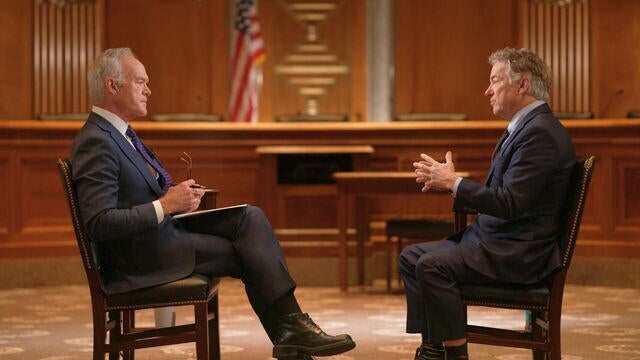
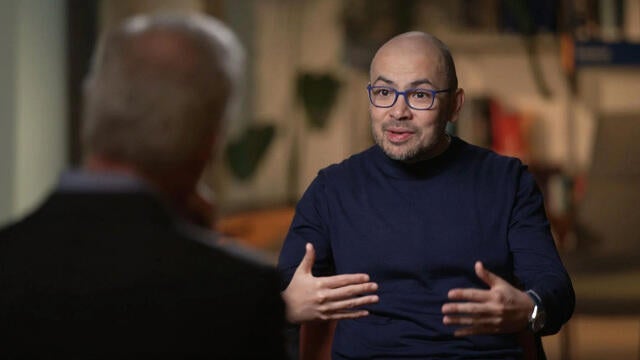
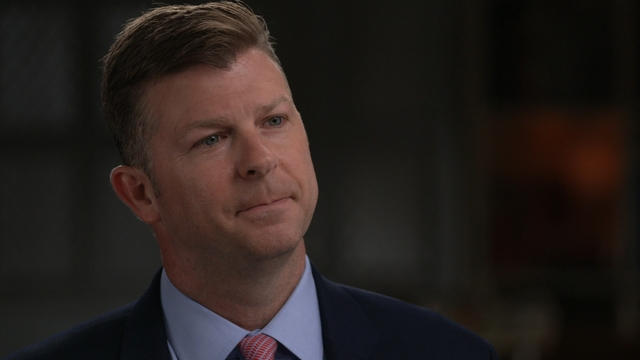
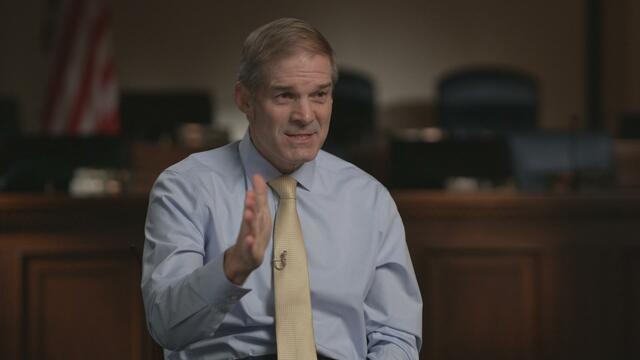
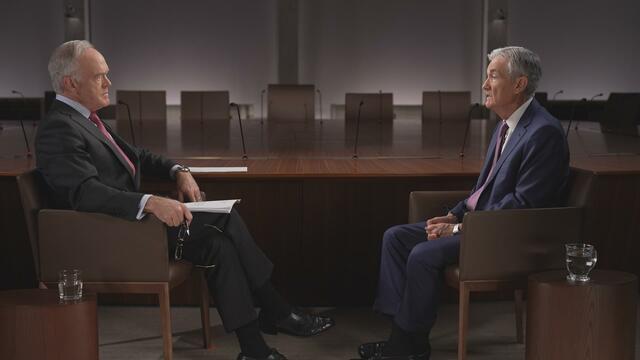
The crazy part about this is from 1928 to September of 1929, the stock market was up 90%. When you say the stock market was way up, immediately, I think of now. Are you scared? I'm anxious. I'm anxious that we are at prices that may not feel sustainable. And what I don't know is we are either living through some kind of remarkable boom-- and part of that is artificial intelligence and technology and all of that-- or everything's overpriced. Or we're reliving-- 1929. There was so much anxiety. LESLEY STAHL (VOICEOVER): Sorkin has covered the markets for two decades. He joined The New York Timesafter college, soon founding the DealBook newsletter covering finance. He also co-hosts SquawkBoxon CNBC. Good to see you, too. Thanks for having me. LESLEY STAHL (VOICEOVER): Runs the DealBook summit, where he interviews the high and mighty. He co-created Billions,the TV show, wrote a bestseller about the 2008 crash, and now a book about 1929. We're always being undone by bubbles. There was the internet bubble in 2000, the housing in 2008. Are we in another bubble, an AI bubble, or something like that? I think it's hard to say we're not in a bubble of some sort. The question is always, when is the bubble going to pop? One symptom of a bubble is when the market goes up and up, but the underlying economy, the real economy, goes soft. And that appears to be happening right now. I would argue to you that the economy is being propped up, almost artificially, by the artificial intelligence boom. There are hundreds of billions of dollars that are being invested today in artificial intelligence. This is either a gold rush or a sugar rush. And we probably won't know for a couple of years which one it is.
NARRATOR:
00:03:31

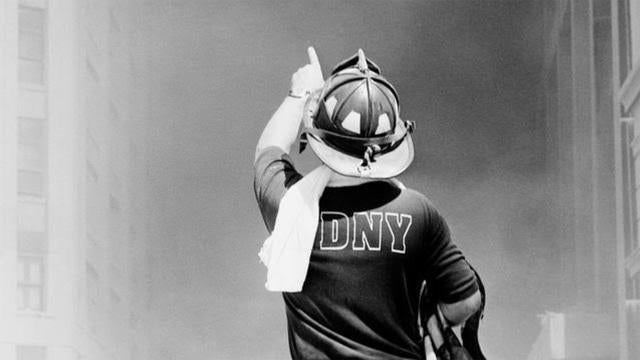
4 million shares a day. LESLEY STAHL (VOICEOVER): 1929 was a sugar rush, caused by speculation and debt. People who didn't really have much money were lured by Wall Street bankers to invest, using a newfangled concept to take on debt called credit. You only had to put down 10% of the stock price, borrowing the rest from your broker.

ANDREW SORKIN:
00:03:58

Prior to 1919, most people did not take on credit or debt at all. It was a sin. It was a moral sin to use credit-- Oh, really?

ANDREW SORKIN:
00:04:09

--to buy anything. And it was really General Motors that basically came up with the idea that we're going to lend you money so you can afford to buy our cars. Brilliant. And then the bankers realized what's happening. And they realized that they can lend out money so that more folks can buy stocks. It was all sort of wrapped in the flag of democratizing access. And in good times, when the stock is going up, it's like free money. In bad times, you're on the hook, and you're on the hook in a very bad way. LESLEY STAHL (VOICEOVER): Since then, laws, regulations, and agencies have been put in place to protect investors, especially the less affluent, from being exploited. We put up barriers after 1929. Yes.

LESLEY STAHL:
00:05:00

Protections. Yes.

LESLEY STAHL:
00:05:01

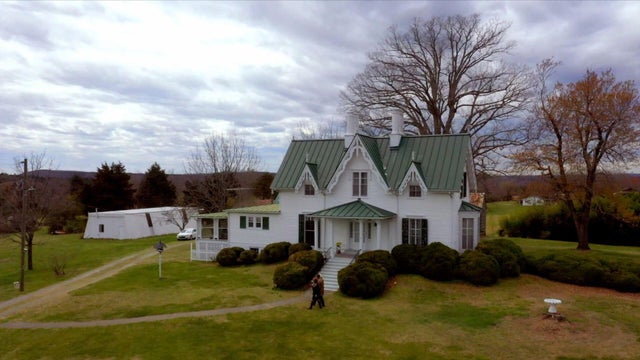
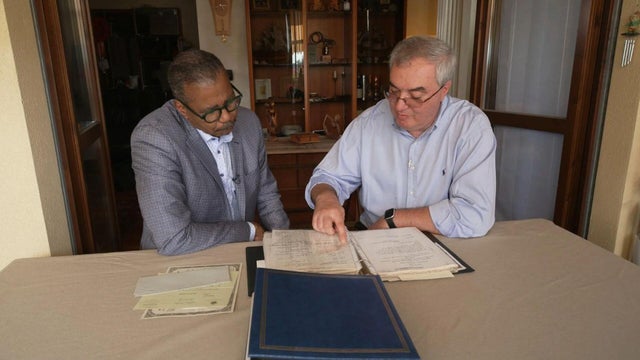
So those are coming down. They're tumbling down. The SEC rules aren't as stringent anymore. Yes. The Consumer Protection Bureau practically doesn't exist anymore. Correct. That's what concerns me. It's not that we're going off a cliff tomorrow. It's that there's speculation in the market today. There's an increasing amount of debt in the market today. And all of that's happening against the backdrop of the guardrails coming off. LESLEY STAHL (VOICEOVER): Including guardrails that allow only the wealthy to invest directly in private companies that have fewer regulations, like AI startups, before they go public. So over the last 20 or 30 years, folks who had access to, who could invest in private equity and venture capital, clearly outperformed folks who didn't. That's how you really made money. But you have to remember that these kind of assets are gambles. Public companies, after the SEC was created, were required to have all sorts of disclosure rules so that the public could understand what's going on inside them. Private companies don't have that. But historically, the average ordinary American wasn't really allowed to invest in the private companies. But in this flag of democratizing finance, there's a lot of people who want access to that. Wow. Isn't this something? This is spectacular. Sorkin took us to the Fifth Avenue mansion of one of the big bankers back then who pushed democratization. If this idea of bringing the regular guy into buying stock, if that was a big problem back in 1929, why are we going there again? Doesn't that defy some kind of logic? There is a view that it's been only the elites that have had access to these investments-- Facebook before it ever went public, Uber before it went public. So there was this idea that it's unfair, actually, to the ordinary investor, because we haven't allowed them to get access to some of these investment opportunities early. And there is a real push, partially by the Trump administration, partially by the industry itself, which wants to-- Get more money. --get more money in, to open up the market to more and more people. So we have these guardrails for a reason. I mean, they're there to protect, and they have protected. They have protected a lot of people. But some people would say they protected people from getting rich. Many people don't believe in capitalism anymore. And I think a lot of it is because they were not a part of the growth of the economy. LESLEY STAHL (VOICEOVER): We went to Larry Fink, CEO of BlackRock, the world's biggest money manager, handling $12.5 trillion in assets, like pension funds. His annual letter to investors is a kind of industry roadmap. In his latest one, he suggested opening our retirement 401(k)s, bastions of caution, to riskier, private investments in the name of-- wait for it-- democratizing investing. As I wrote, there are many great opportunities to be investing in startup companies, to invest in AI, or data centers. Right now, we are precluded to put those type of assets in many retirement products. And the Trump administration has now said we are going to allow in our 401(k) products the opportunity to invest in these private markets. But they are risky, aren't they? Yes. But everything's risky, other than keeping your money in a bank account overnight.

LESLEY STAHL:
00:09:00

But we're talking about 401(k)s, investing out of retirement accounts.

LARRY FINK:
00:09:06

Yes. You're risking the nest egg, or part of the-- a little part of the nest egg. But what the markets will teach you over the last 100 years, even at the worst moments, if you have the ability to persevere and you have a long-term horizon, you're going to do fine. And a diversified portfolio is essential. We're not suggesting one shoe fits all. We are suggesting the opportunity to have that ability to invest in these private market investments. LESLEY STAHL (VOICEOVER): He also believes we should be investing in crypto. It wasn't that long ago that the big bankers, Jamie Dimon and Larry Fink, were saying that crypto was stupid and a fraud. I did say Bitcoin-- because we were talking about Bitcoin then-- was the domain of money launderers and thieves. But the markets teach you, you have to always relook at your assumptions. There is a role for crypto in the same way there's a role for gold. That is, it's an alternative. For those looking to diversify, this is not a bad asset. But I don't believe that it should be a large component of your portfolio. LESLEY STAHL (VOICEOVER): But Sorkin says some crypto can be abused in ways similar to 1929. Take meme coins, cryptocurrencies that can be manipulated by speculators, who pump them up, then let them crash. There are a number of examples where it felt like there was an inside group of people who were colluding to pump up some of these cryptocurrencies and other things. I'll give you a bizarre story of my own. I was on television with Larry Fink. And he makes a joke, I think, about how there should be a Sorkin coin. I think Sorkin coin should--

ANDREW SORKIN:
00:11:01

Sorkin coin. Well, two hours later, somebody makes a Sorkin coin. And all of a sudden, this Sorkin coin is now worth millions of dollars. And I'm watching it-- Are you serious? --go up, and up, and up, and up, and up. LESLEY STAHL (VOICEOVER): The Sorkin coin peaked at $170 million worth of trading in a day. And I think today it does something like $20 or $21 a day. I'm thrilled to have Bill Gates with us. LESLEY STAHL (VOICEOVER): Sorkin is trusted by the world's top business leaders, who talk to him often exclusively.

ELON MUSK:
00:11:35

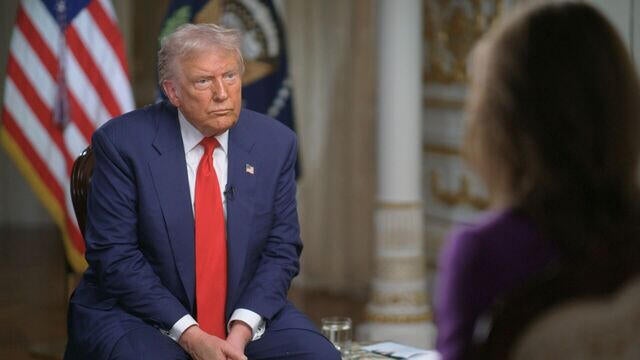
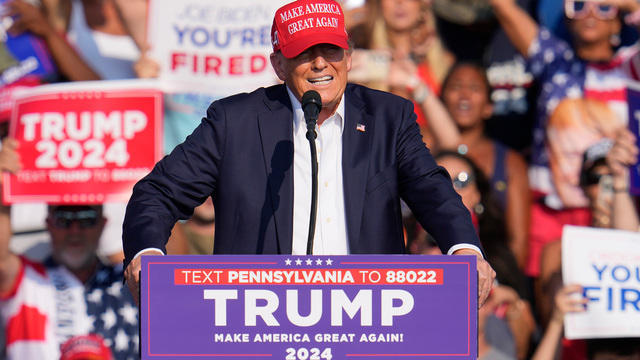
I have no problem being hated, by the way. LESLEY STAHL (VOICEOVER): What role do you think these business leaders should be playing now? My own view is that most CEOs in America today are very scared to speak out publicly about anything. They are so worried that they are going to be potentially attacked by the administration or regulated. They're going to have a merger in front of some agency that's not going to be allowed to go through. They are so nervous about criticizing anything that's going on with this administration. There are some economists who suggest that because Mr. Trump ties his success to the success of the market, that he's not going to let anything like what happened in 1929 happen, and that we should feel secure because of that. I think it's hard to know how things get out of control. When confidence disappears, it happens like this.

LESLEY STAHL:
00:12:39

So you spent nearly 10 years on this book. The inevitable question is, do you think that we will have a crash or not? The answer is we will have a crash. I just can't tell you when. And I can't tell you how deep. But I can assure you, unfortunately-- I wish I wasn't saying this-- we will have a crash. [CLOCK TICKING]

Videos
View CBS News In
CBS News App Open
Chrome Safari Continue