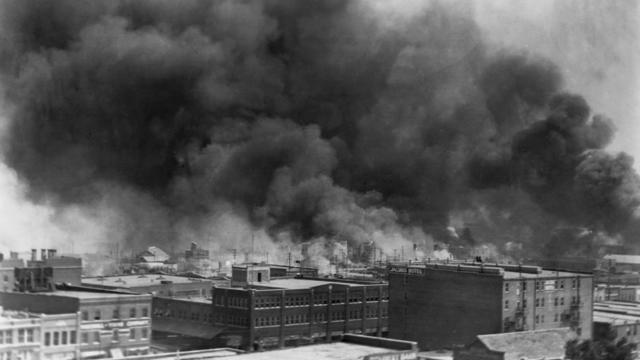
Excavating the Tulsa Massacre to reconstruct "suppressed history"
Forensic anthropologist Phoebe Stubblefield is leading a team of scholars to identify some of the 300 who were killed in 1921's Tulsa Race Massacre.
Watch CBS News
Forensic anthropologist Phoebe Stubblefield is leading a team of scholars to identify some of the 300 who were killed in 1921's Tulsa Race Massacre.
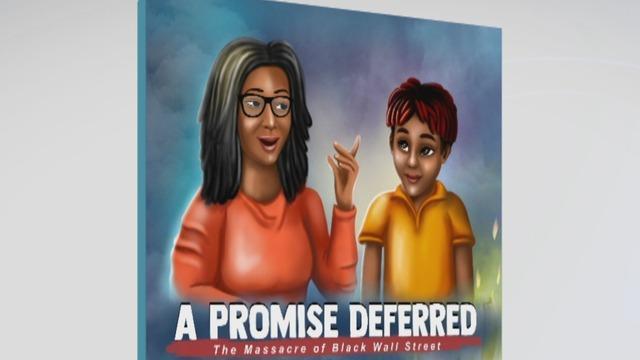
A new book is teaching children about the 1921 Tulsa race massacre, which killed as many as 300 people. Tamecca Rogers, the co-author of "A Promise Deferred: The Massacre of Black Wall Street," joined CBSN's Tanya Rivero with why she wrote this book for kids.
Nooses recently found are not a first in Connecticut, which enacted legislation after a rash of incidents in 2008.
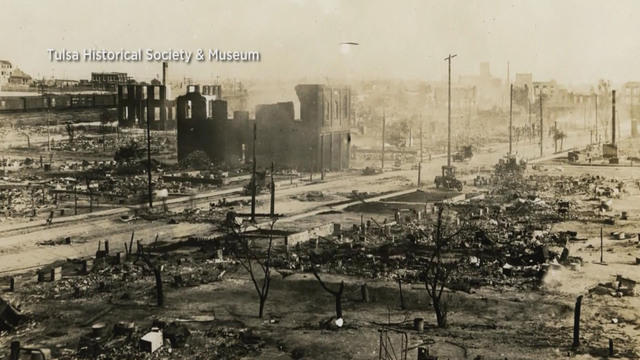
A white mob attacked Black residents in Tulsa, Oklahoma's Greenwood district in 1921. Danya Bacchus takes a look back at what was lost and also shares her family's ties to the deadly tragedy.

A new documentary explores the history and family stories of the Tulsa race massacre. Nailah Jefferson, the director of "Descended from the Promised Land: The Legacy of Black Wall Street," and Byron Crenshaw, who is featured in the film, joined CBSN's Tanya Rivero to talk about it.
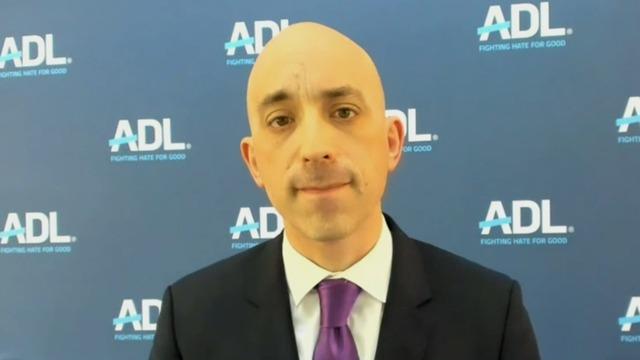
Anti-Defamation League CEO Jonathan Greenblatt joined CBSN to discuss the organization's efforts to take action against antisemitism, as the U.S. sees a rise in violence and harassment against Jewish communities amid the Israeli-Palestinian conflict.
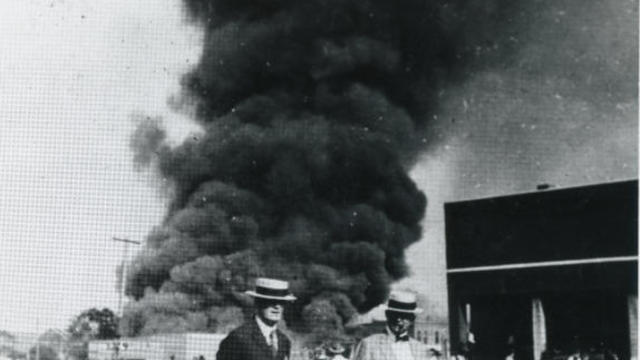
Monday marks 100 years since the Tulsa Race Massacre of 1921. It's widely considered the worst display of racist violence in U.S. history, with some 300 black people being killed. Oklahoma State Senator Kevin Matthews joins CBSN's Tanya Rivero for a closer look at the historic day.
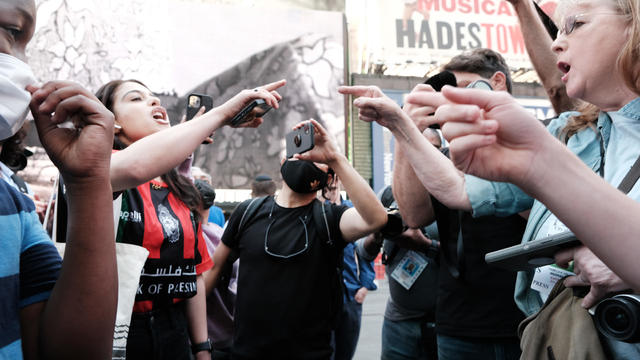
As U.S. sees 47% rise in reports of antisemitism, French student leader says Jews "are the first victims" as the centuries-old Mideast conflict fuels hate on a global scale.

The Anti-Defamation League reports that the number of antisemitic incidents being reported in the U.S. surged by 75% since the conflict broke out between Israel and Hamas on May 10. Antisemitic posts online have also spiked. CBSN technology reporter Dan Patterson joins CBSN with details on how messages of hate are finding new ways to spread.
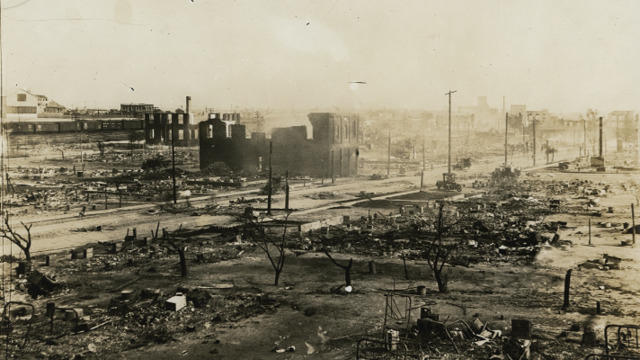
A team of scholars is in the process of excavating grounds in Tulsa, Oklahoma, in hopes of better documenting the 1921 Tulsa Race Massacre. Phoebe Stubblefield, Ph.D., a University of Florida forensic anthropologist leading the excavation project, joins CBSN's Tanya Rivero to discuss the significance of the project and what it means for the victims' families.
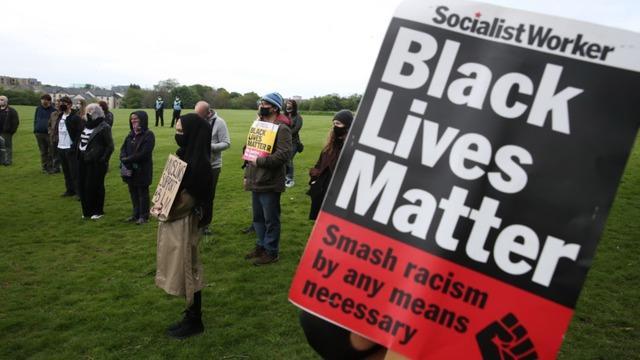
George Floyd's death one year ago today reignited the Black Lives Matter movement around the country. Marc Lamont Hill, a professor at Temple University, joined CBSN's Tanya Rivero to talk about the Black Lives Matter movement and the Israeli-Palestinian conflict.
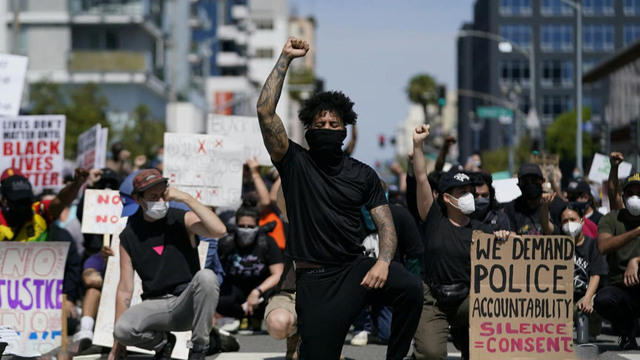
After George Floyd's murder in 2020, billions of dollars were raised in the fight against racism. Jericka Duncan looks into the impact that money had and if that level of fundraising sustained year-long.
Retailer blames "bad actor" for attack that created phony company accounts and sent offensive messages.
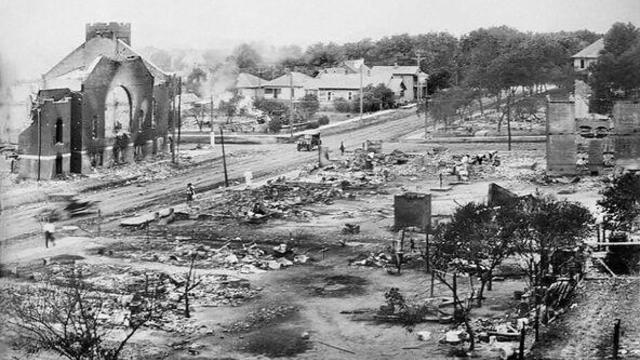
This month marks 100 years since the Tulsa Race Massacre. Scott Ellsworth, a lecturer at the University of Michigan's Department of Afroamerican and African Studies and author of "The Ground Breaking: An American City and Its Search for Justice," joins CBSN's Tanya Rivero for a closer look at what's widely considered the worst racially motivated massacre in U.S. history.
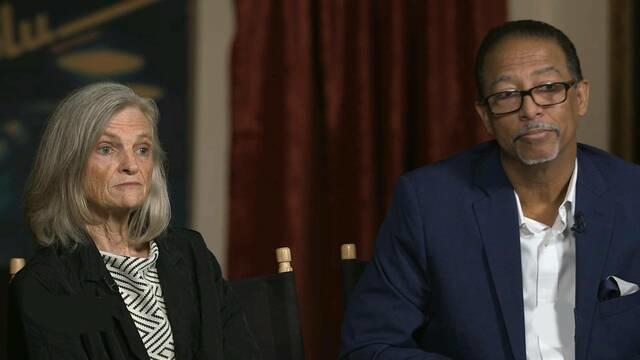
Keith Plessy and Phoebe Ferguson are the descendants of two people who changed American history.

U.S. educators are grappling with how to address race and its impact on all areas of our society in the classroom. One academic tool is critical race theory, which has come under fire from many on the right. Anti-racist organizer and steering committee member for Black Lives Matter at School Okaikor Aryee-Price spoke with CBSN's Tanya Rivero about what critical race theory is and the debate over how to teach about racism.
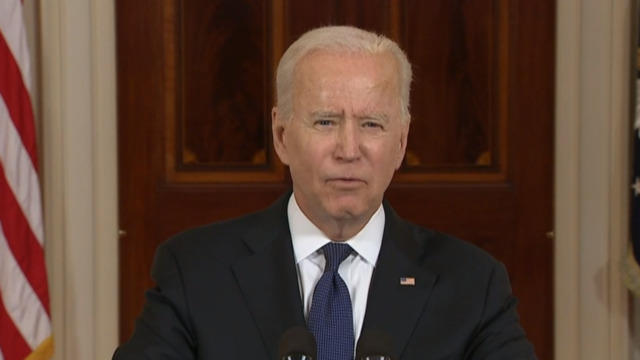
President Biden welcomed news of a cease-fire, saying Thursday that Palestinians and Israelis "equally deserve" freedom, prosperity and democracy. Ed O’Keefe reports.

Pulitzer Prize-winning New York Times investigative journalist and CBS News contributor Jodi Kantor sits down with her 97-year-old Holocaust survivor grandmother Hana Kantor in an intimate conversation about survival and anti-Semitism today.

Phil Chan's initiative is getting ballet companies nationwide to pledge to eliminate offensive stereotypes.
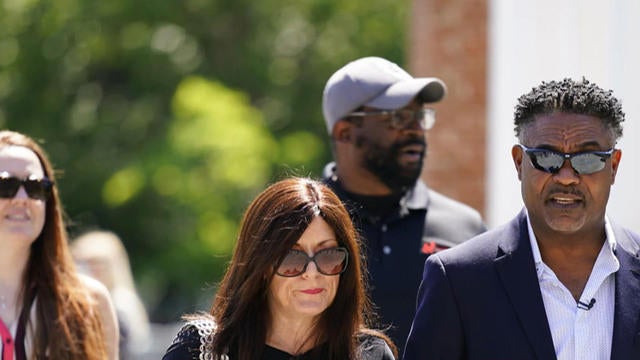
Thousands of former NFL players are demanding the organization end its use of "race-norming" in deciding who gets payouts from a $1 billion healthcare settlement. The practice assumes Black men have lower cognitive abilities than White men, making it harder for them to receive a payout from the league. CBS Sports writer Ryan Wilson joined CBSN to talk more about the petition and how the NFL is responding.
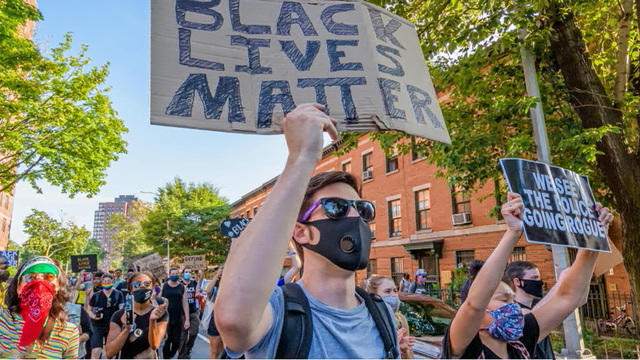
The latest Edelman Trust Barometer survey found that about 1 in 3 Americans believes there's been progress toward racial justice in the past year, and the majority of Americans likes it when businesses speak out on racial issues. Edelman U.S. CEO Lisa Osborne Ross spoke with Anne-Marie Green and Vladimir Duthiers about the roles of business and the media in racial justice.
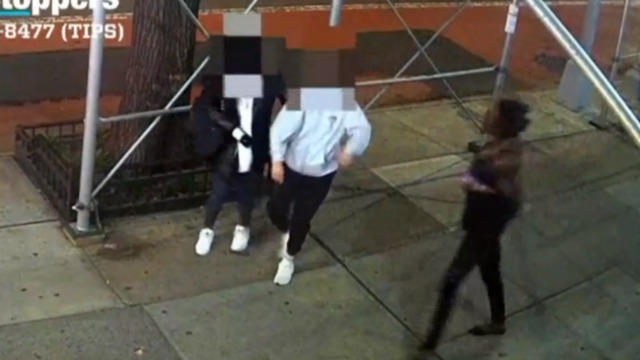
The number of attacks on Asian Americans is rising across the U.S., with more than 6,600 incidents in a year, according to the group Stop Asian American Pacific Islander Hate. Jeff Pegues reports.
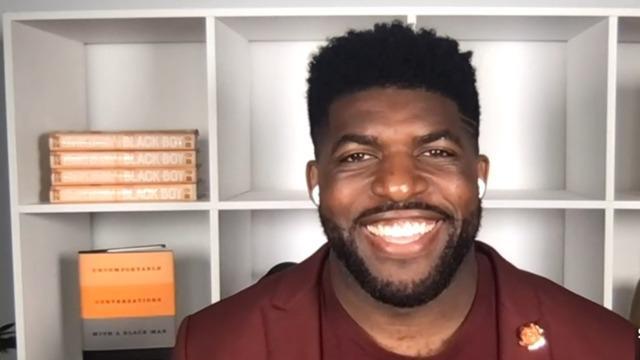
New York Times bestselling author and former NFL linebacker Emmanuel Acho has published a new book to teach today's youth about racism. "Uncomfortable Conversations with a Black Boy" aims to incite conversations and empower young people to address racial ignorance before it matures into racism. Emmanuel Acho joins CBSN to discuss this and more.

While some parents have taken this moment to discuss racism with their children, experts believe many Asian immigrants may be hesitant to have those conversations.
CBS News political contributor Jamal Simmons joins "CBS This Morning" to discuss his new article called "The 4 Percent Problem," regarding race within the leadership ranks of corporations and universities.