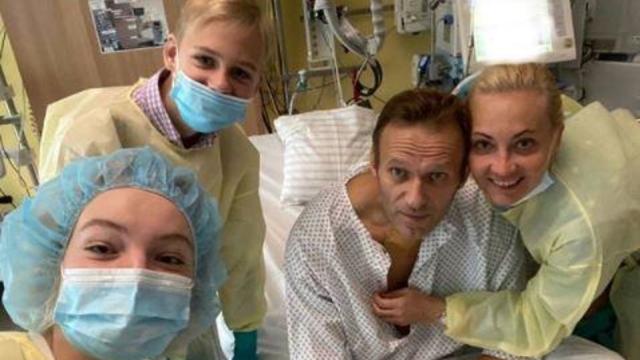
Putin critic Navalny looks alert in 1st photo since Novichok poisoning
As the opposition leader recovers from a nerve agent attack, and his spokeswoman says there's no reason to think he won't return to Russia.
Watch CBS News
As the opposition leader recovers from a nerve agent attack, and his spokeswoman says there's no reason to think he won't return to Russia.

Doctors in Germany say Russian opposition leader Alexei Navalny is no longer on a ventilator, as labs in Sweden and France back Novichok finding.
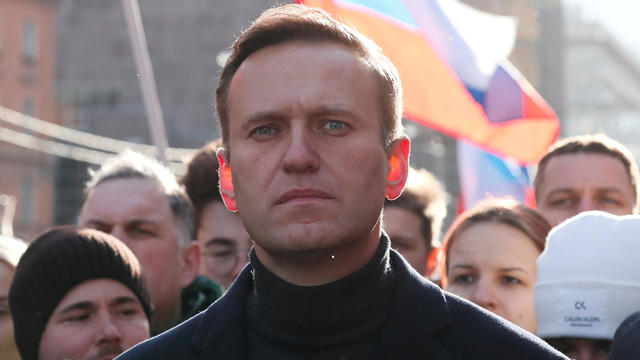
Under mounting pressure from the U.S. and its allies over the suspected poisoning of opposition leader Alexei Navalny, Kremlin calls it all "hysteria."
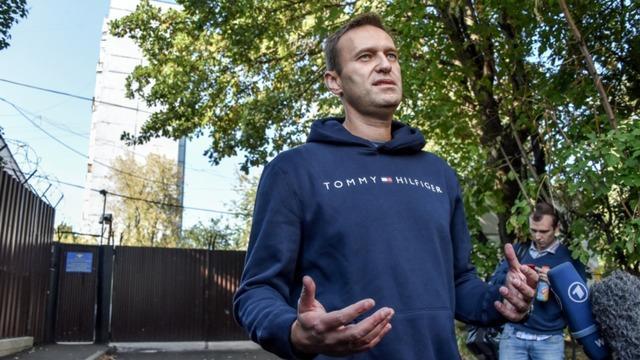
The United Nations is demanding a full investigation into the apparent poisoning of Alexei Nalvany, a prominent critic of Russian President Vladimir Putin. Navalny is finally out of a medically induced coma at a hospital in Germany. Investigators believe his tea was spiked with a Soviet-era nerve agent. CBS News foreign correspondent Charlie D'Agata joins CBSN from London with the latest developments.
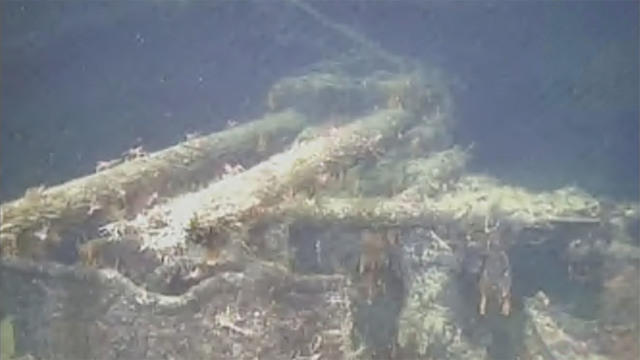
The wreckage of a German warship that was struck by a British torpedo in 1940 has been discovered off the coast or Norway, power grid operator Statnett said. The ship's hull, gun turrets and a Nazi-era swastika were captured in underwater images.
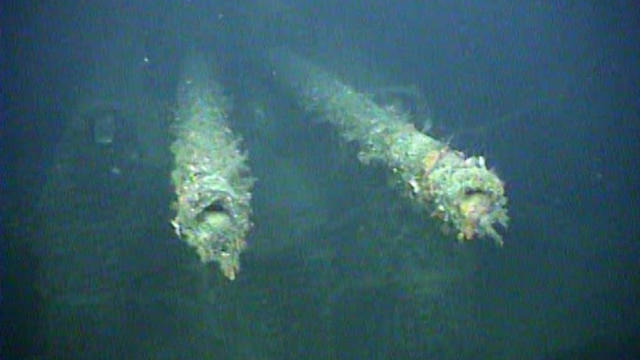
The 571-foot Karlsruhe led the attack on Kristiansand during the invasion of Norway on April 9, 1940.
German chemical weapons experts say tests show the 44-year-old was poisoned with a Soviet-era nerve agent.
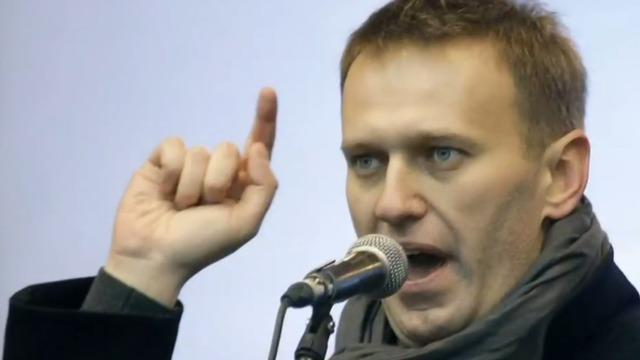
German Chancellor Angela Merkel is calling on President Vladimir Putin to provide answers after confirming that one of the Russian leader's top critics was poisoned. Alexei Navalny was attacked with the same military-grade nerve agent that was used to poison ex-Soviet spy Sergei Skripal in 2018. Former FBI Russia double agent and Naval intelligence officer Naveed Jamali joins CBSN's Lana Zak with expert insight into what appears to be an attempted murder.
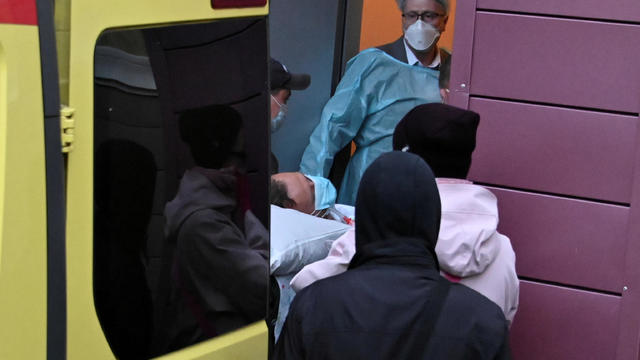
"To poison Navalny with Novichok in 2020 would be exactly the same as leaving an autograph at a crime scene," Navalny's ally tweeted.
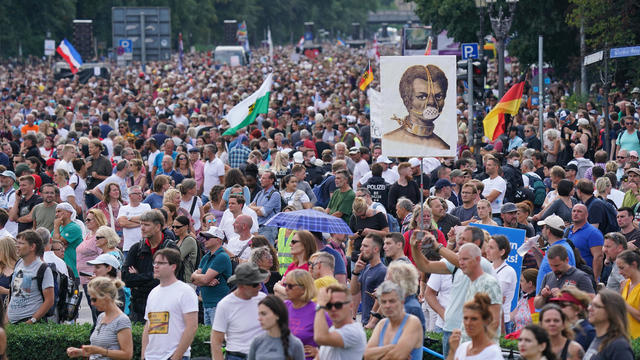
More than 3,000 officers were deployed to help maintain the demonstration after anti-restriction and far-right supporters took to social media to call on people to arm themselves and take part in the protest.
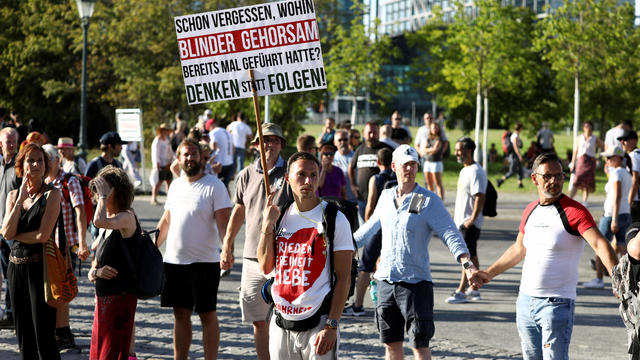
Protesters who oppose COVID restrictions, and their far-right supporters, have called on people to arm themselves and take to the streets.
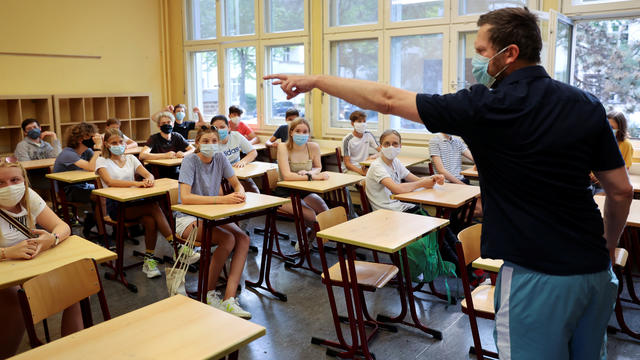
38 schools have confirmed cases of COVID-19 in Berlin, but none have shut back down, and one doctor says "schools themselves are not a hot spot."
Medical team says chemicals found in the Russian opposition leader suggest possible poisoning, and he remains in a medically induced coma.
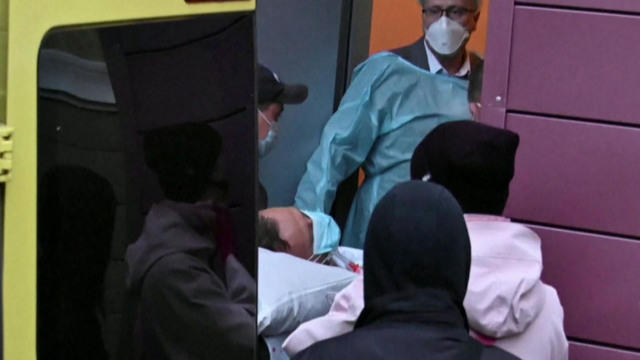
Alexei Navalny, a prominent critic of the Kremlin and Russian President Vladimir Putin, is fighting for his life in a coma. Following international uproar, Navalny was flown to Germany for medical treatment. Chris Livesay reports.
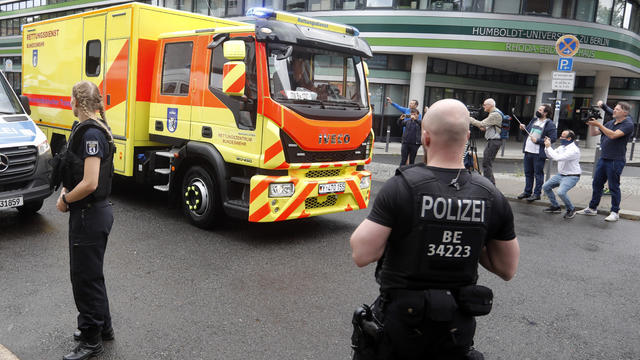
Two days after a suspected poisoning, a hospital in Germany said extensive tests were being carried out.

New information came to light on the Nazis appropriation of Jewish assets with the discovery of a cache of art inside a Munich apartment - many of them masterpieces and owned by Jews before they were stolen. Elizabeth Palmer reports.
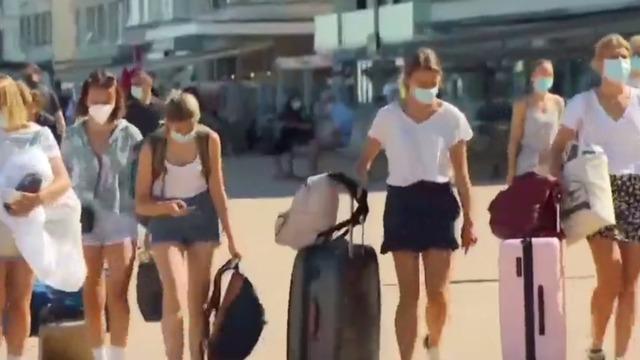
CBS News senior foreign correspondent Elizabeth Palmer reports from London on the worldwide impacts of COVID-19

Defense Secretary Mark Esper said 5,600 troops would be redeployed to other NATO countries and 6,400 would return to the U.S.
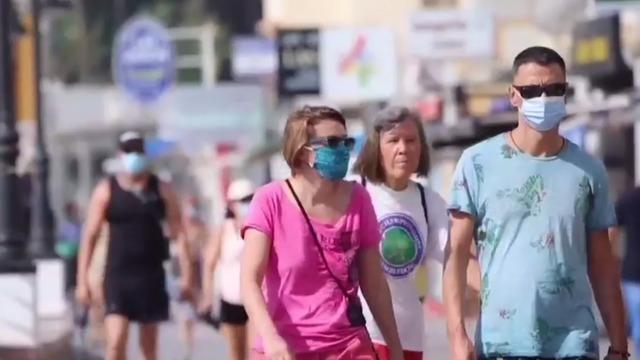
Several European countries including Spain and Germany are seeing daily coronavirus cases rise, and restrictions are being reintroduced as a result. CBS News senior foreign correspondent Elizabeth Palmer is in London where the U.K. has imposed a two-week quarantine on any travelers returning from Spain.

Contact-tracing apps are already being used in Italy, Germany, and around Europe to help track the coronavirus. Through a phone's BlueTooth signal, the apps can contact users who encountered someone who's tested positive for coronavirus. Chris Livesay reports.
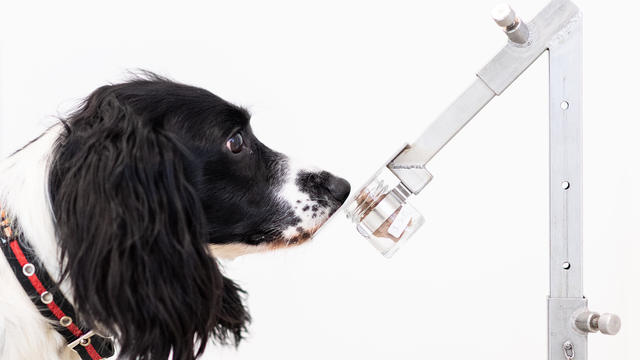
The dogs were able to detect the coronavirus with 94% accuracy.
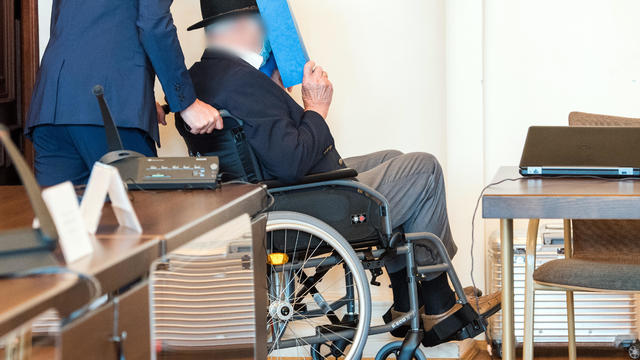
Dey, who was just 17 when he joined the unit of Hitler's SS tasked with running death camps, could be the last Nazi to face justice for Holocaust atrocities.
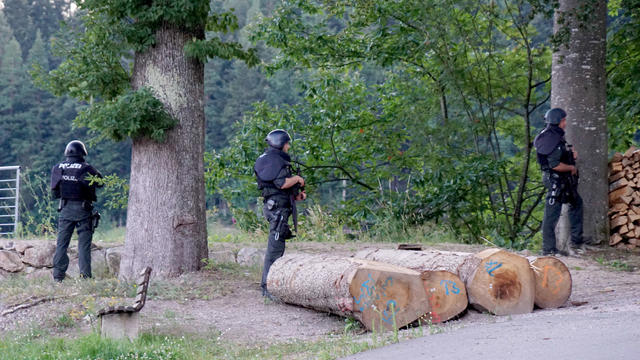
Hundreds of officers are focusing on the Black Forest region in the manhunt for a camouflage-clad assailant with history of firearms offenses.
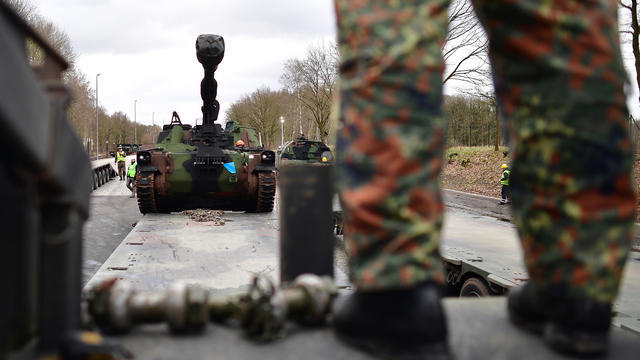
The New York Times reports German officials are sounding the alarm over growing evidence of neo-Nazis infiltrating special forces in the country's military. Jeff Rathke, president of the American Institute for Contemporary German Studies at Johns Hopkins University, joined CBSN to discuss the response, plus how German Chancellor Angela Merkel is handling the coronavirus pandemic.
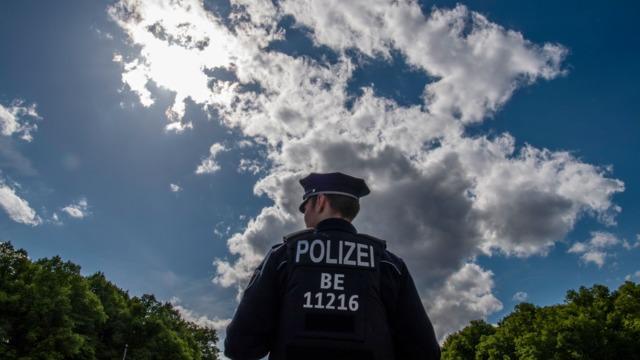
As the U.S. faces a reckoning over systemic racism and police brutality, other countries could offer fresh insight on reshaping law enforcement training and tactics. In Germany, officers must confront the past in order to move forward. New York Times correspondent Melissa Eddy joins CBSN from Berlin to explain.