Human remains found near Civil War fort in Nashville
The fort, built by runaway slaves and freed Black people for the Union, has become a flashpoint in recent years.
Watch CBS News
The fort, built by runaway slaves and freed Black people for the Union, has become a flashpoint in recent years.
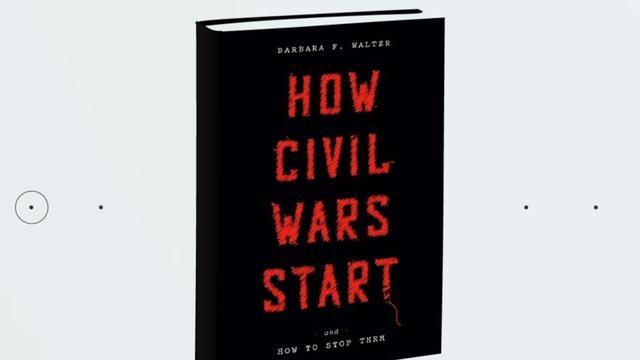
Author Barbara Walter says she believes the U.S. is at increasing risk of a second civil war. She discussed her new book, "How Civil Wars Start: And How to Stop Them" with CBS News chief Washington correspondent Major Garrett.

Fed likely to announce interest rate hike; Texas lawmaker demands answers on police response.
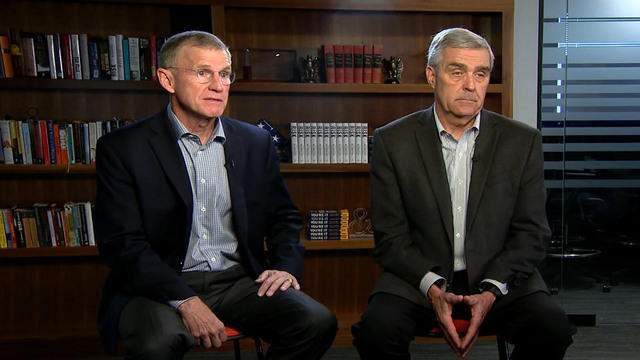
A new group called, Team Democracy, is urging citizens, politicians, and organizations to sign a pledge re-committing to America's core principles. The non-profit includes Stanley McChrystal, the former Joint Special Operations Command and Afghanistan War commander, and Doug Lute, who shared with senior investigative correspondent Catherine Herridge why they believe American democracy is facing its greatest threat since the Civil War.
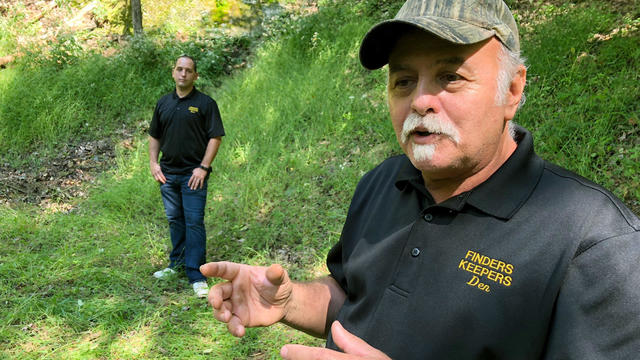
The FBI either lied about having video of the dig, or destroyed the footage to prevent a father-son team of treasure hunters from gaining access to it, an attorney claims.
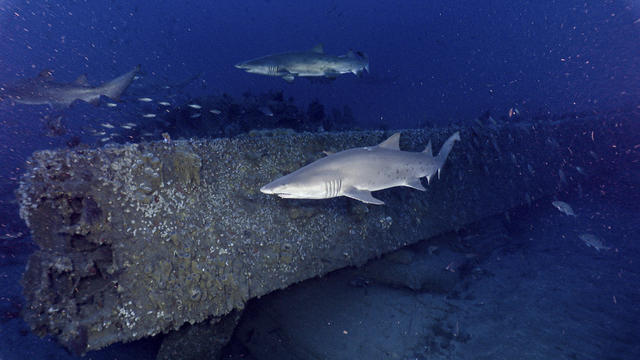
The USS Monitor sank in a region known as the Graveyard of the Atlantic, due to an estimated 2,000 shipwrecks.
The FBI's contractor said it detected a 9-ton metallic mass suggestive of gold, according to an FBI affidavit unsealed last year.
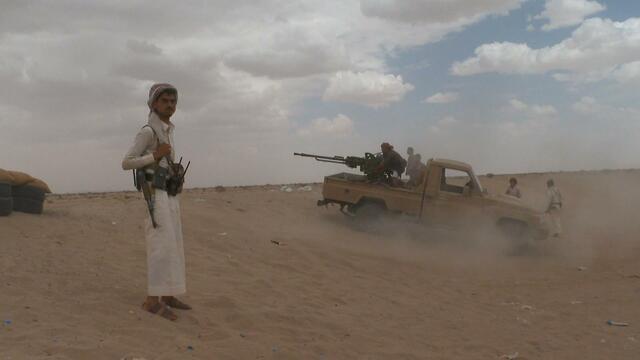
CBS News foreign correspondent Holly Williams has rare access to the front lines of Yemen's civil war. A war that has allowed al-Qaeda to survive and thrive 20 years on from the U.S. war on terror.
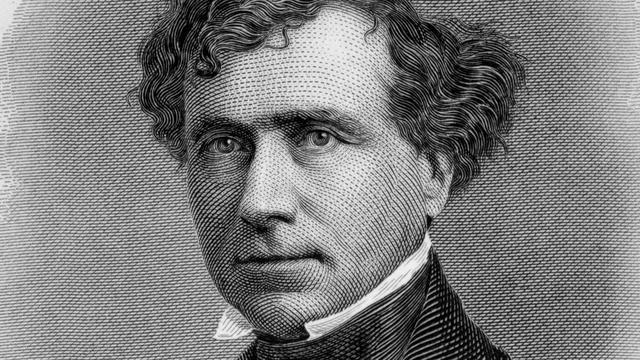
No survey of America's worst presidents would be complete without our 14th president, Franklin Pierce, whose reputation for amiability and good looks (and his introduction of perforated postage stamps) was offset by his support for the 1854 Kansas-Nebraska Act, which led to clashes between pro- and anti-slavery forces. Correspondent Mo Rocca looks at the legacy of a president whose actions in office brought the nation closer to civil war.
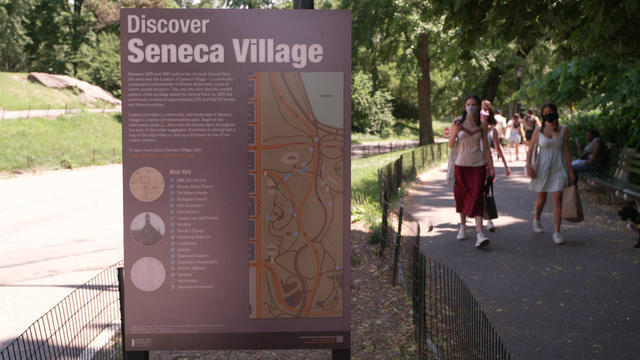
In the early 19th century Seneca Village, in the middle of Manhattan, was home to the largest number of free Black property owners in New York City before the Civil War. Irish and German immigrants moved in, too. But in 1853, when Central Park was in the planning stages, the city used eminent domain to take control of the land, displacing the settlement's residents. Correspondent Faith Salie looks at efforts to unearth the unique history of Seneca Village, and to find descendants of those evicted.
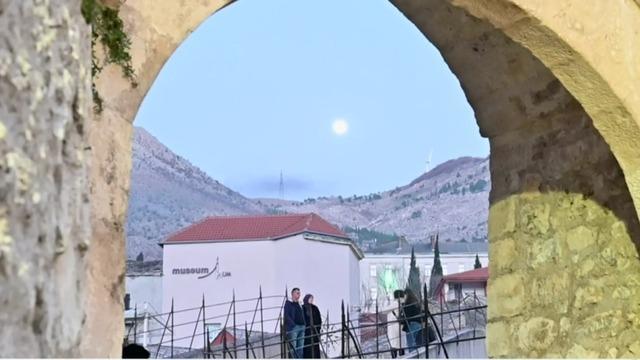
Almost 30 years after the U.S. forged a peace deal to end the war in Bosnia, the fragile, divided government is being tested like never before by Serb leader Milorad Dodik. CBS News reporter Anna Noryskiwicz has more from Sarajevo.
The FBI claimed their 2018 dig came up empty, but treasure hunters Dennis and Kem Parada aren't so sure.

A 10,000 square foot home overlooking Washington is where President Lincoln spent some of his most historical moments, including the writing of the Emancipation Proclamation. Debra Alfarone has the story.
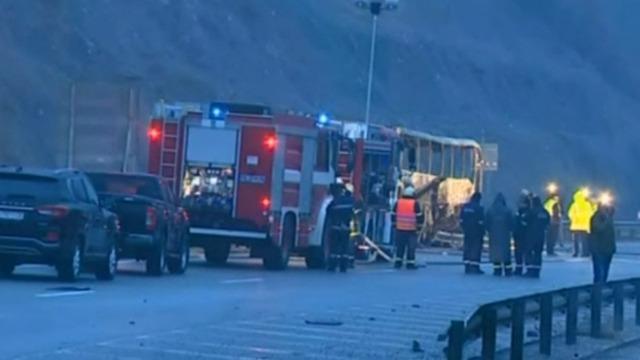
At least 45 people, including 12 children, are dead after a bus carrying mostly North Macedonian tourists crashed and caught fire on a highway in western Bulgaria. CBS News foreign correspondent Debora Patta reports from Johannesburg on this and other stories making headlines around the world.
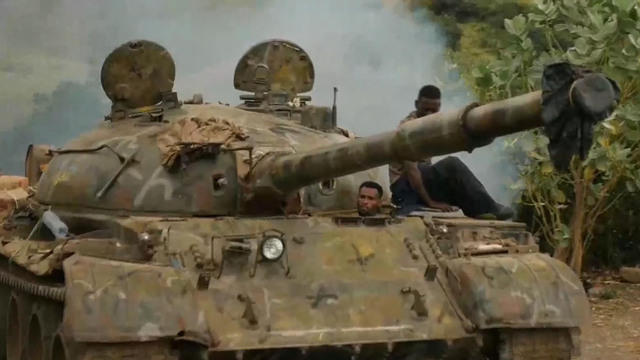
The United States and African Union say they see a small window to stop Ethiopia from sliding into civil war as a U.S. special envoy returns to the country facing humanitarian chaos. CBS News foreign correspondent Debora Patta has more.
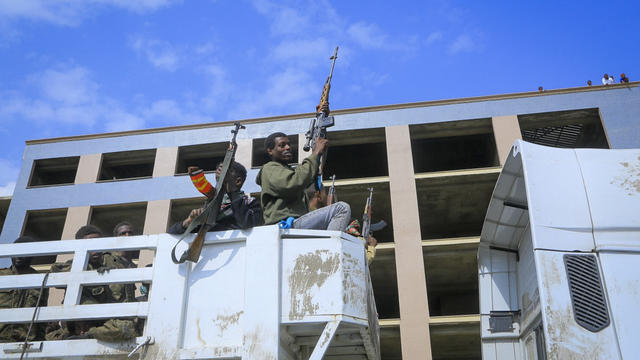
Fighting has raged in the north for a year now, and the war has worryingly crept closer to the capital in recent days.

The devastating conflict in Ethiopia is intensifying. Forces from the embattled region of Tigray are ramping up operations and taking aim at key cities closer to the capital. CBS News foreign correspondent Debora Patta joins CBSN AM from Johannesburg with the latest.
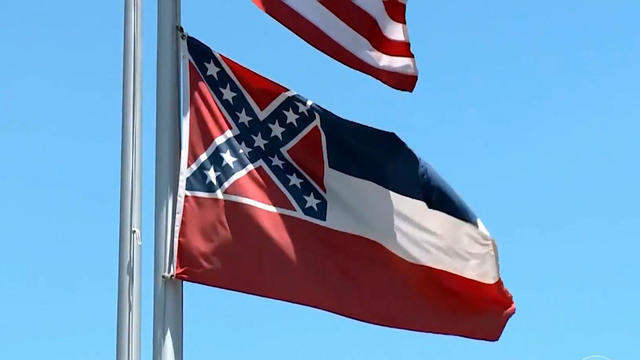
Mississippi made history this weekend after lawmakers voted to change the state flag, which is the last one displaying a Confederate battle emblem. Kate Smith has the latest.

Results coming in from Tuesday's primaries; Statues coming down across the country
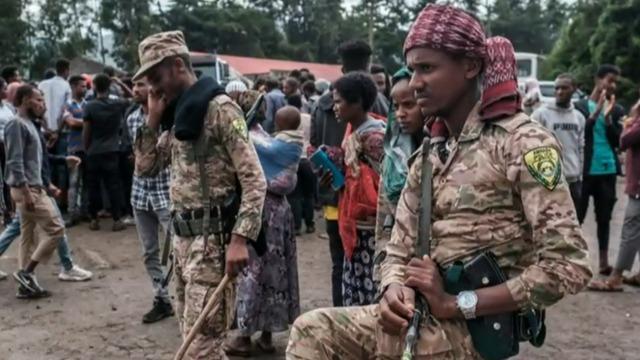
Nearly a year after conflict first broke out in northern Ethiopia, federal troops intensified their assault against local Tigray forces this week. Meanwhile, the United Nations condemned last week's expulsion of seven senior officials from the country as a humanitarian crisis worsens for 5.2 million people there. BBC correspondent Kalkidan Yibeltal gave CBSN's Lana Zak an update from Ethiopia.
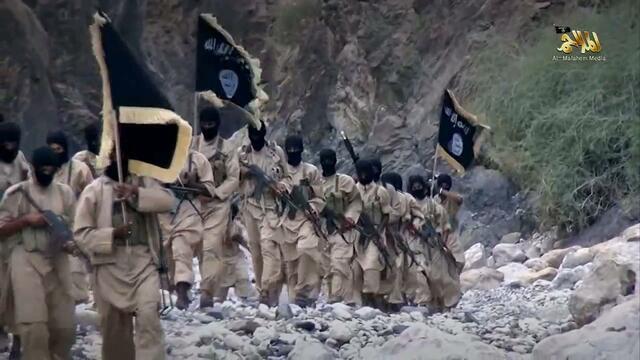
The conflict between the Yemeni government and rebellious groups has involved nations like Saudi Arabia and Iran. The ongoing conflict has allowed al Qaeda to thrive in the region and train soldiers despite U.S. drone strikes. Holly Williams reports.
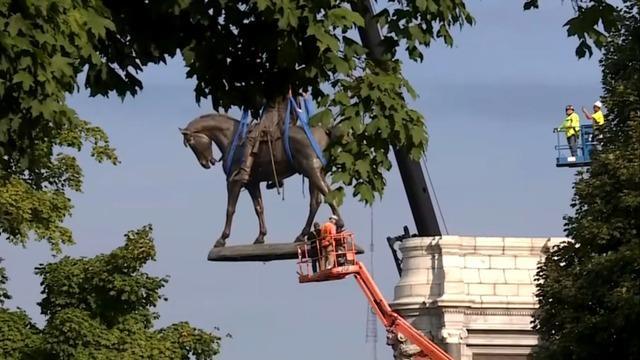
The state of Virginia has taken down one of the nation's largest Confederate monuments, a 12-ton bronze statue of General Robert E. Lee on Richmond's historic Monument Avenue. Richmond Mayor Levar Stoney spoke with CBSN's Tanya Rivero about what the statue's removal means for the community and the push to address racial injustice.
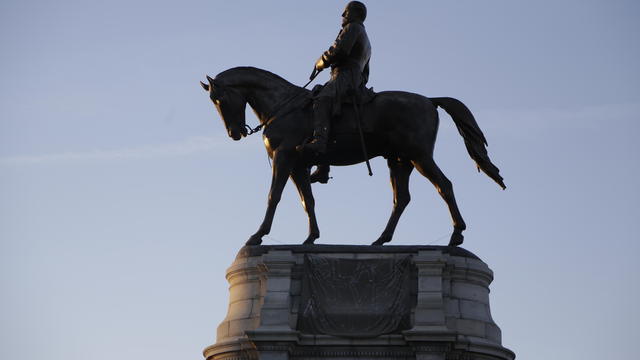
Preparations for the statue's removal will begin 6 p.m. Tuesday when crews will install protective fencing. Once the statue is hoisted off the pedestal, it's expected to be cut into two pieces for transport.
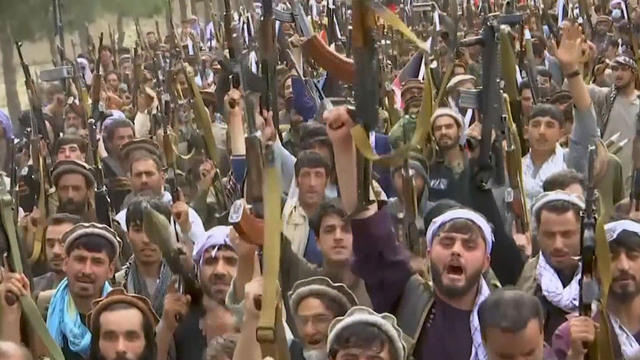
The Taliban is expanding its control over Afghanistan as U.S. troops are set to withdraw completely by mid-July. The rise of the militant group is stoking fears of an all-out civil war in the region. Charlie D’Agata has more.
"I have probable cause to believe that a significant cache of gold is secreted in the underground cave," an FBI agent wrote.