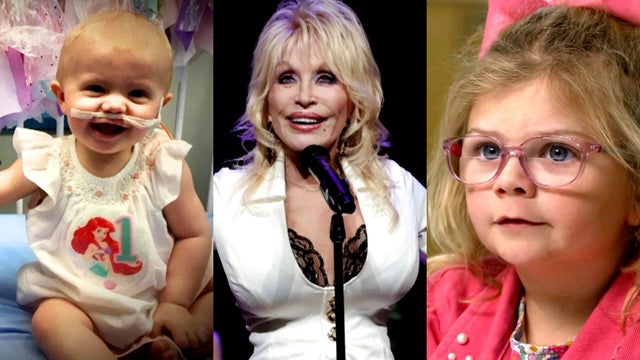
How Dolly Parton still helps kids with cancer
Throughout her life, Dolly Parton helped children battling cancer with donations and visits to cheer kids up. A Knoxville, Tennessee, children's hospital named after her is carrying that legacy forward.
Watch CBS News
Throughout her life, Dolly Parton helped children battling cancer with donations and visits to cheer kids up. A Knoxville, Tennessee, children's hospital named after her is carrying that legacy forward.
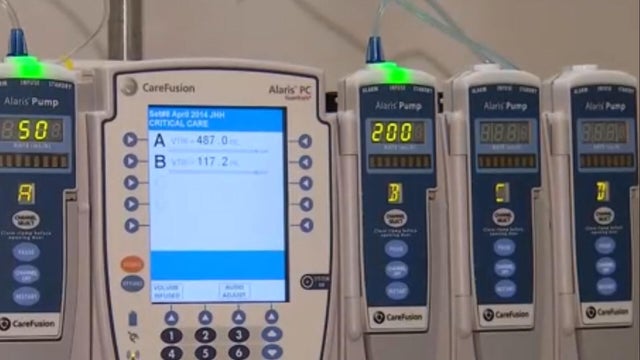
A new medical report shows that while less people are dying of cancer, there is a gap in federal research funding. CBS News medical correspondent Dr. Céline Gounder has more.
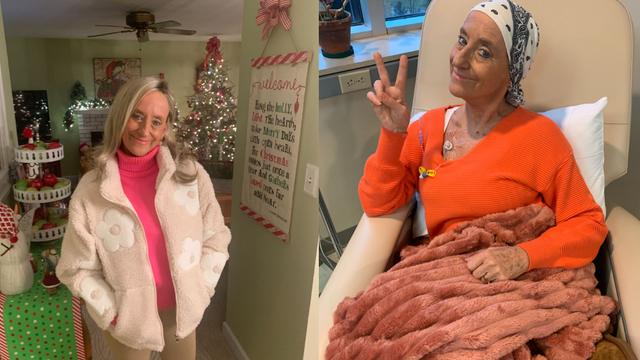
Kate Ping thought she was just stressed out. A nurse practitioner's surprising recommendation led to a shocking diagnosis.

Eric Dillon thought the pain in his shoulder was a minor injury. It took two years to get the real answer.
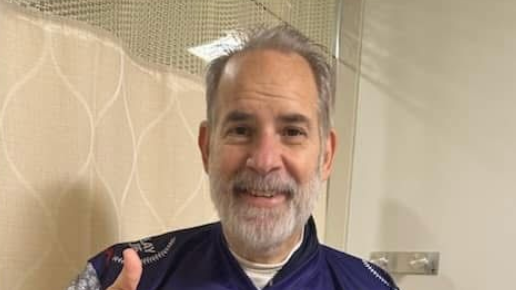
An app notification informed Joe Gillette that he had been diagnosed with aggressive, late-stage cancer.
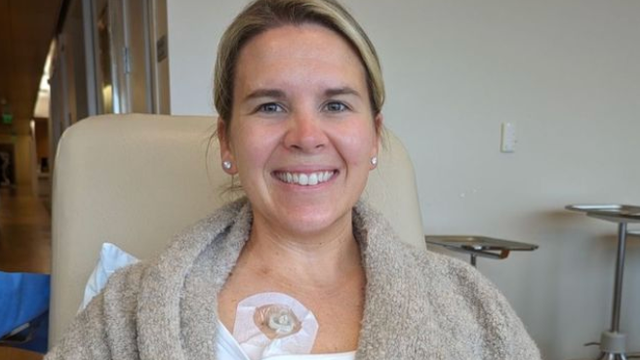
A chance emergency room visit led to Amy Piccoli's diagnosis with late-stage colorectal cancer.
Former Sen. Ben Sasse, 54, called daraxonrasib "a miracle drug" that was allowing him to live longer and with less pain.
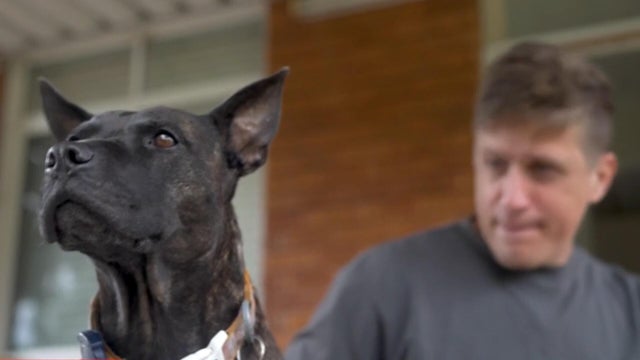
A tech entrepreneur in Australia, Paul Conyngham, said he used artificial intelligence to design a cancer vaccine for his dog Rosie. He joins CBS News with Páll Thordarson, director of the UNSW RNA Institute, who worked with Conyngham on the technology.
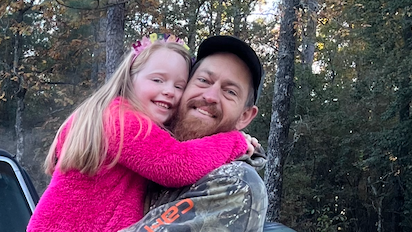
Spencer Laird was diagnosed with colon cancer at 26. At 30, he was told it had returned and spread to his lungs, with one tumor the size of a golf ball.
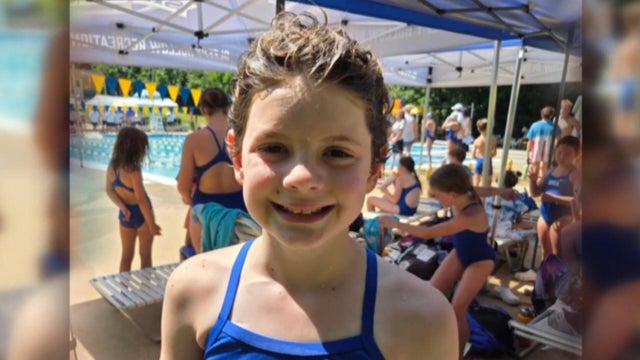
A significant piece of legislation aimed at expanding access to cutting-edge cancer treatments for children has been signed into law, but it took years to pass. Jessica and Daniel Evans, whose 10-year-old daughter Charlotte has been fighting bone cancer for almost two years, join to discuss their fight for the new law and why it was such a struggle.

While a new study finds fewer young people are dying of cancer, colorectal cancer is now the number one cause of cancer-related deaths for Americans under the age of 50. Dr. Arif Kamal, chief patient officer for the American Cancer Society, joined "The Daily Report" to discuss.
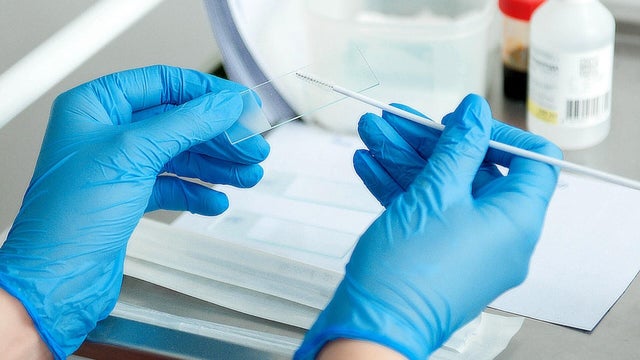
The American Cancer Society is suggesting a change to cervical cancer screening guidelines so women have the option for self-collection of samples. CBS News medical contributor Dr. Céline Gounder explains.
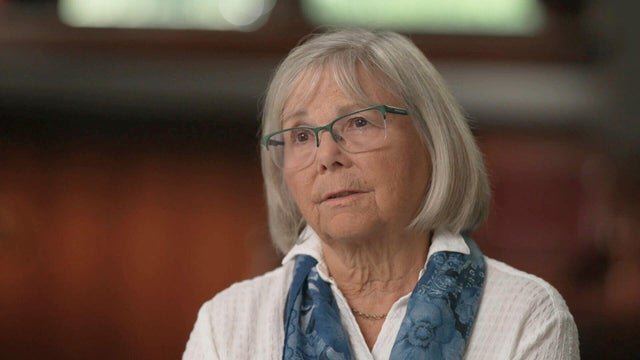
Federal research funding to universities has fueled breakthroughs for years. The White House is pressuring universities to align with the president's political agenda, or risk losing their funding.
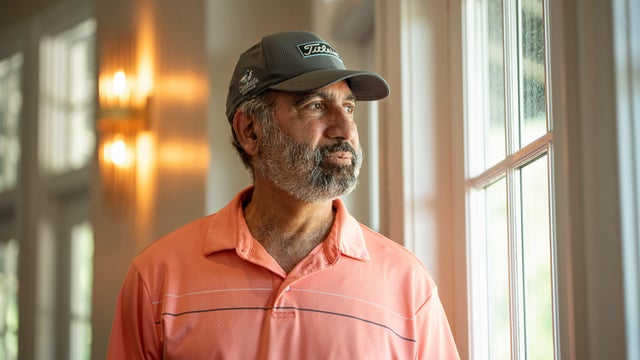
Black survivors of multiple myeloma say the latest developments in treatment give them hope even as federal research cuts create a grim forecast for cancer research.
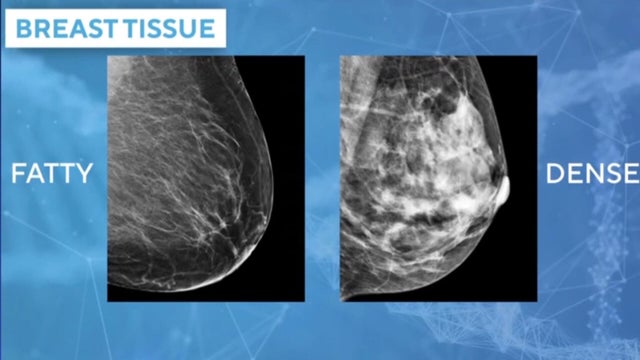
Breast cancer is the second-leading cause of cancer deaths in women. About one in eight women will be diagnosed with the disease in their lifetimes. To combat that, some doctors are using AI as a tool to help them not only detect breast cancer, but also predict a woman's risk factors. Dr. Connie Lehman, founder of Clarity, joins CBS News to discuss the first FDA-authorized AI platform used to predict a woman's 5-year risk of developing breast cancer.
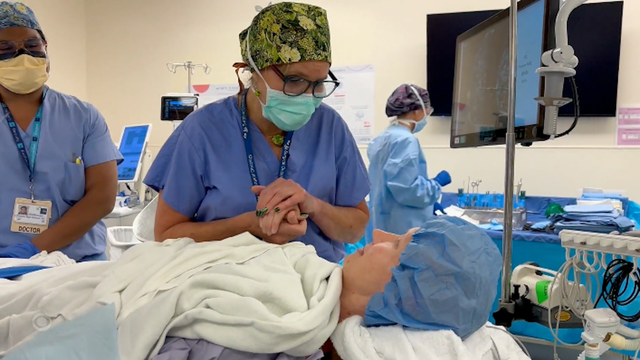
Leading breast cancer surgeon, Dr. Laura Esserman, goes beyond expectations to make the operating room more comfortable for her patients. Elizabeth Cook has the story.
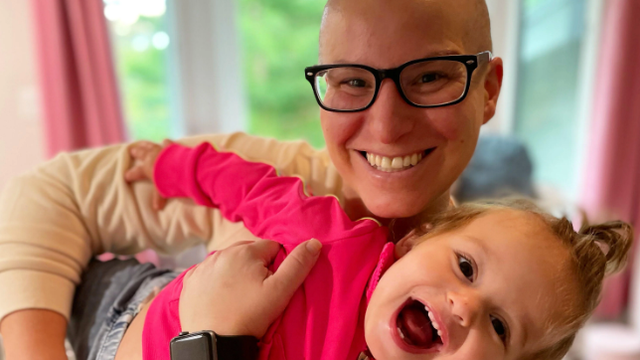
Elissa Kalver was diagnosed with HER2-positive metastatic breast cancer at 34. Since then, she has founded a nonprofit and worked to live life to the fullest.
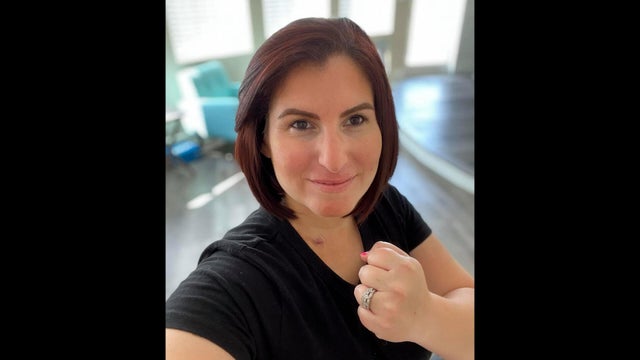
Elissa Kalver was 34 when she was diagnosed with HER2-positive metastatic breast cancer. In the years since, she's founded a nonprofit, published a book and continued to find ways to live life on her own terms.
A new study is out on the risk of developing a second cancer after an early diagnosis of breast cancer. Dr. David Dodwell, an author of the study, joins "The Daily Report" to discuss.
The renowned research hospital that cares for people with rare or life-threatening diseases has been pummeled by an employee exodus and the gutting of research, both driven by the Trump administration.
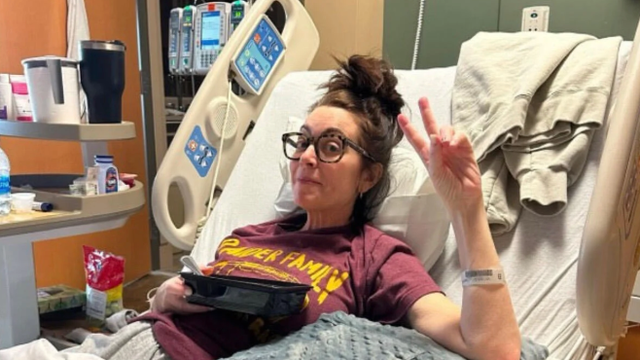
Jennifer Frederick didn't understand why she had a growing lump under her skin. A doctor returned a devastating diagnosis.
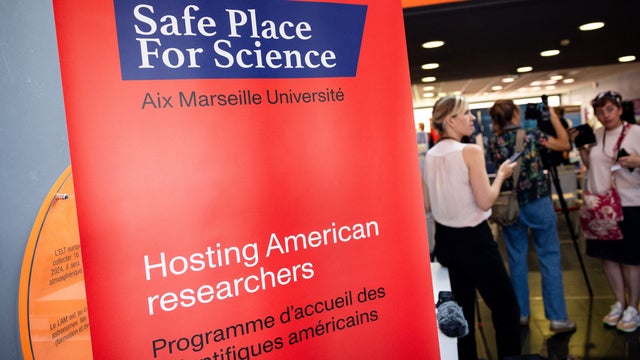
A French university says almost 300 U.S. researchers have applied for its "Safe Place for Science" program, seeking "scientific asylum" amid Trump's academic funding cuts.
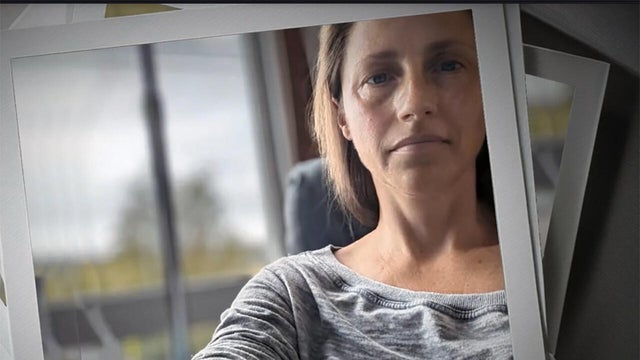
Scientists conducting medical research are facing an existential crisis: Layoffs and budget cuts pushed by President Trump that, they say, jeopardize finding a cure for cancer.
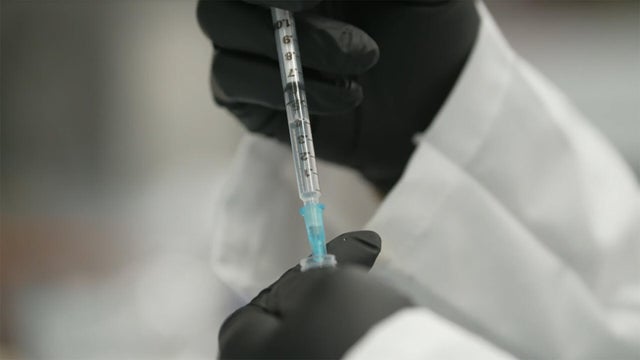
Scientists conducting medical research are facing an existential crisis: Layoffs and budget cuts pushed by President Trump that, they say, jeopardize finding a cure for cancer. They tell "Sunday Morning" senior contributor Ted Koppel that what was once an issue receiving strong bipartisan support – cancer research – is now falling under the administration's budget axe. Koppel also talks with cancer patients taking part in clinical trials for treatments and vaccines, whose own contributions to finding a cure are imperiled.
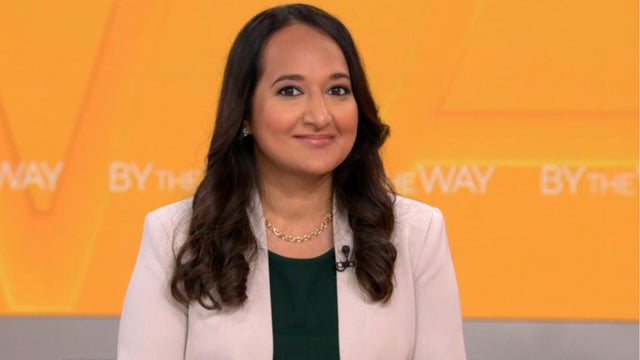
The National Cancer Institute could see nearly 40% of its funding slashed under President Trump's 2026 budget proposal. Former Cancer Moonshot official Dr. Kamal Menghrajani joins "CBS Mornings Plus" to break down what's at stake.