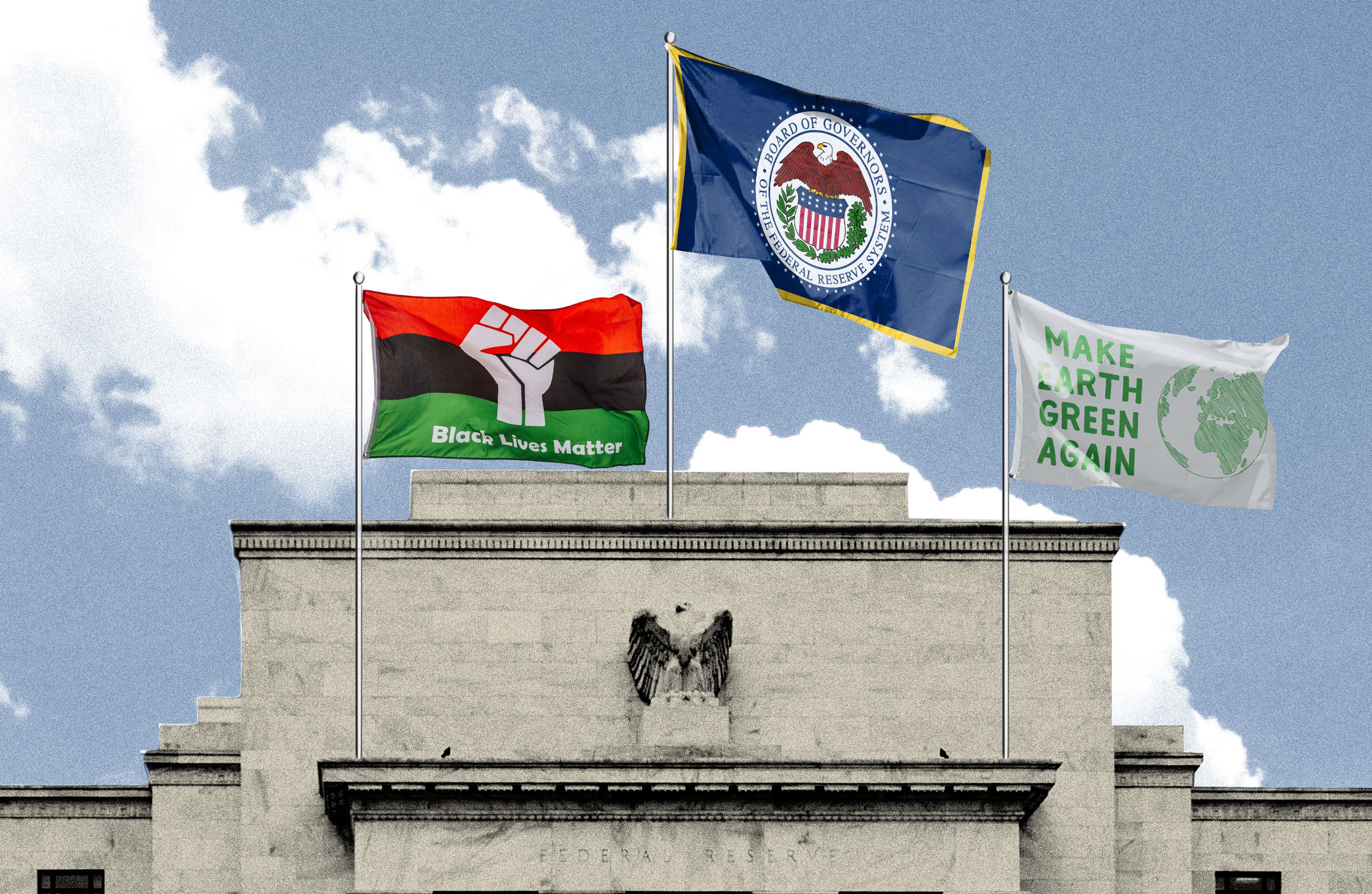
The Fed was expected to hike interest rates in September. Don't bet on that now, economists say.
What a difference a day can make for monetary policy.
On Thursday, interest rate futures were decidedly tilted toward the Federal Reserve hiking its benchmark rate in September, according to CME FedWatch, which tracks traders to forecast the central bank's policy decisions. But after Friday morning's dismal July jobs report, which showed that employers unexpectedly shed 23,000 jobs last month, that probability has now flipped, with the Fed expected to hold steady next month.
The latest employment figures suggest the labor market may be much weaker than previously thought. On Friday, the Labor Department also revised down hiring data for May and June by a combined 103,000. The suddenly wobbly job market complicates the Fed's dual mission of maximizing employment while keeping consumer prices stable.
The Fed typically cuts interest rates when the labor market slows sharply because cheaper money stimulates the economy by spurring consumer borrowing and business investment. At the same time, the central bank is also trying to douse inflation, which continues to run hot.
Elevated inflation is typically addressed by the Fed raising rates, as higher borrowing costs put the brakes on spending, tempering economic demand and price increases.
"The chances of holding just went up pretty significantly today," Indeed Hiring Lab senior economist Cory Stahle told CBS News about next month's Fed meeting. "What we see in the jobs report maybe says that the Federal Reserve, at the very least, might have to think about the timing of a potential rate hike, if not think about some rate cuts on the table as well, if we continue to see this type of deterioration in the labor market."
On Friday, the probability that the Fed will hold its benchmark rate steady next month rose to 56%, from 45% the previous day, according to CME FedWatch.
Fed faces a quandary
In June, inflation rose at an annual rate of 3.5%, higher than the Fed would like but a decline from 4.2% in May. Fed Chair Kevin Warsh has signaled that he's determined to drive inflation back down to the central bank's 2% annual target.
But whipping inflation back to 2% by raising interest rates gets a whole lot trickier for the Fed if officials also need to prop up a weakening job market with lower rates, according to economists.
"The U.S. labor market is stalling again, and that is going to make the Federal Reserve's job harder and life for job seekers rough," said Heather Long, chief economist at the Navy Federal Credit Union, in an email. "The Federal Reserve has to stay focused on inflation, but the labor market is vulnerable to any downturn."
July's Consumer Price Index report, set to be released on Aug. 12, is forecast to show inflation eased slightly last month to an annual pace of 3.4%, according to FactSet.
Americans are struggling not only with a tepid labor market, but also with inflation outpacing wage gains, Long noted. This gap represents a continuation of a longer-term trend, with much of workers' wage gains over the past seven years largely consumed by inflation, according to a CBS News analysis of Census data.
The typical full-time worker earned $1,250 a week in the first half of 2026, the analysis found. That's up $342 from the year before the pandemic, amounting to a hefty 38% pay raise. But prices in the U.S. climbed nearly as fast. Consumer costs have jumped 30% over that same seven-year period, swallowing about 80% of the typical worker's raise.
"Most Americans are getting squeezed by high inflation," Long said. "Many Americans will have to tighten their belts this fall."
What's behind the hiring slump?
Employers are holding off on hiring amid economic uncertainty sparked by high energy prices caused by the Iran war, steeper U.S. tariffs and the Trump administration's immigration crackdown, Indeed Hiring Lab's Stahle said.
"There's just been a lot of policy uncertainty, geopolitical uncertainty, that is weighing on the minds of businesses and households," he told CBS News. "Wrestling with this uncertainty makes it hard for businesses to commit to a long-term hire."
Some economists are still penciling in rate hikes later this year, citing the imperative to tame inflation, which they believe the Fed will prioritize over shoring up the job market.
"We agree that the July jobs report was a bit dovish on net," Bank of America economists said Friday. "But we are sticking with our call that the Fed will hike by [0.75 percentage points] this year, starting in September. The Fed is likely to remain more focused on inflation than labor."