Trump administration wants Iran to declare Strait of Hormuz is open
The Trump administration is demanding clarity from Iran about the Strait of Hormuz. CBS News New York's Tony Aiello reports.
Watch CBS News
The Trump administration is demanding clarity from Iran about the Strait of Hormuz. CBS News New York's Tony Aiello reports.
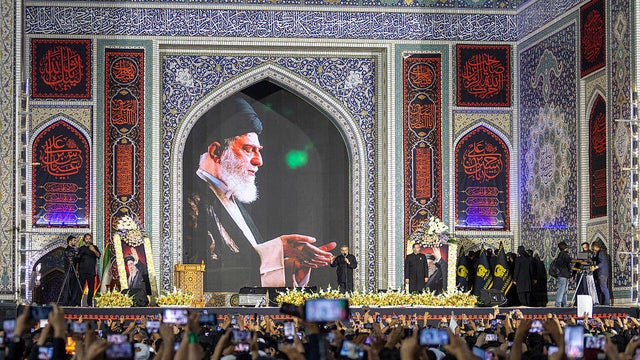
Iran's former Supreme Leader Ali Khamenei was buried amid an escalating exchange of fire on the 132nd day of the war.

However, at the NATO summit in Turkey on Wednesday, President Trump said he doesn't want to restart the war. CBS News New York's Dick Brennan reports.
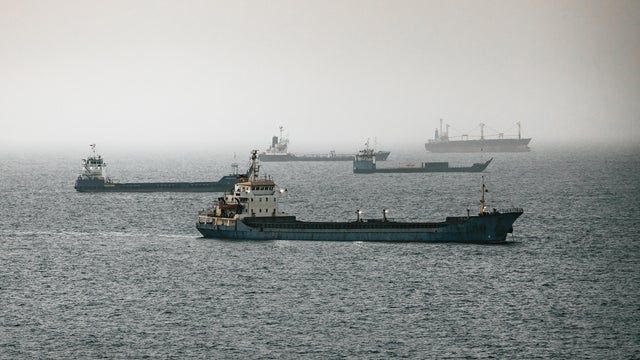
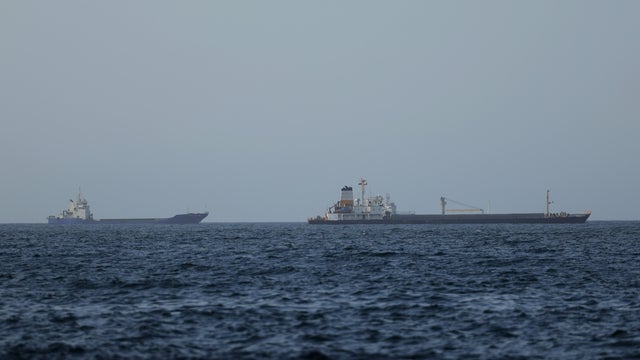
With peace talks on hold, the U.S. said it launched a "series of powerful strikes" on Iran in response to Iranian attacks on three commercial vessels in the Strait of Hormuz.
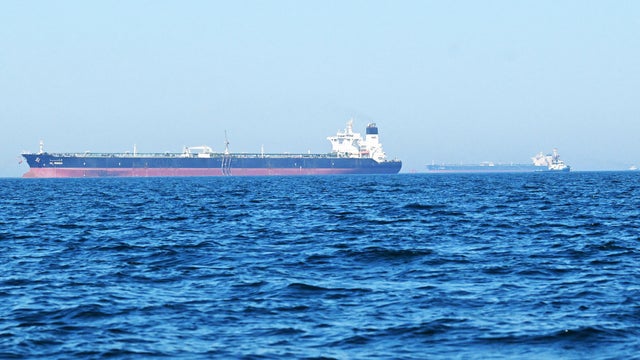
Iran launched drone and missile attacks targeting Kuwait and Bahrain on Sunday after the U.S. and Iran traded attacks earlier over the weekend.

Iran insists there are no plans for inspections of its bombed nuclear sites, but Trump says Tehran "fully and completely" agreed to let inspectors return.
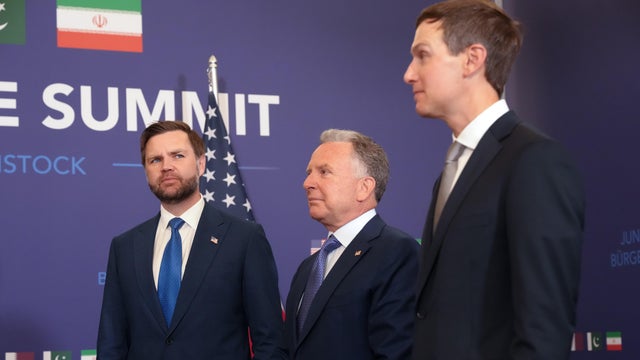
Vance says Iran agreed to let international nuclear inspectors back into the country during a "very, very good" first day of negotiations with the U.S.

Vice President JD Vance is on his way to Switzerland to take part in weekend talks with Tehran. As Taurean Small reports, Iran is threatening to once again close the Strait of Hormuz.
The negotiations were expected to start as soon as this weekend, but Vice President Vance's trip there was put off and Switzerland said the negotiations have been postponed.
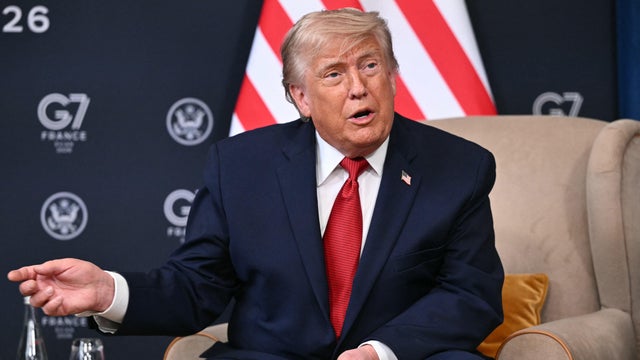
President Trump warned he could order new strikes if Iran's leaders "don't behave." The U.S. and Iran signed the memo of understanding remotely, a White House official said.

CBS News New York's Natalie Brand is at the White House with specifics on the agreement and reaction to it.
Senior U.S. officials say President Trump and Iran's top negotiator have already remotely signed a memorandum of understanding ahead of an expected signing ceremony.

A signed memorandum of the agreement to end the conflict in the Middle East will feature prominently at the G7 summit in Europe, where President Trump is in attendance. CBS News New York's Dick Brennan reports.
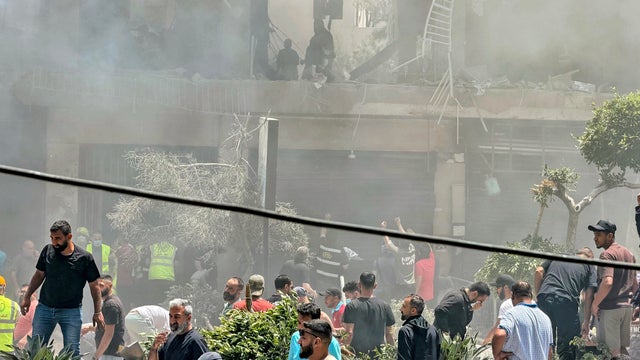
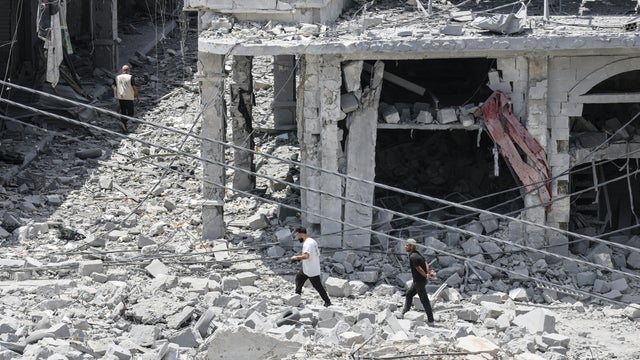
Pakistan's prime minister said Sunday the U.S. and Iran had reached a deal that includes "the immediate and permanent termination of military operations on all fronts, including in Lebanon."

After more than 100 days of fighting, President Trump says a peace agreement has been reached with Tehran.
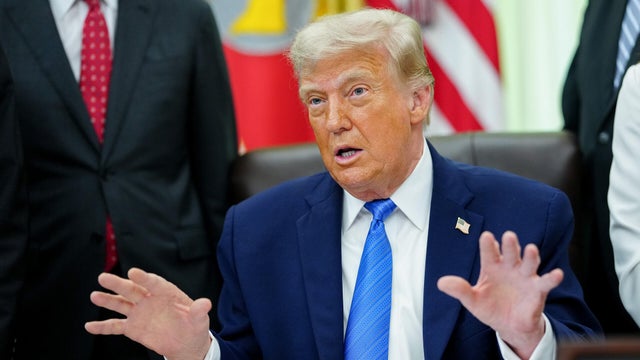
President Trump said earlier Thursday he called off new military strikes on Iran, hours after threatening to escalate the war.
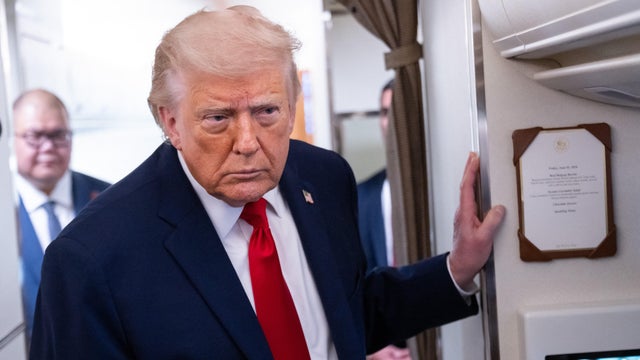
The two helicopter pilots were uninjured. After the retaliatory strikes were announced, President Trump said, "I believe the response should be very strong, very powerful."

Both pilots were rescued, but President Trump vowed an American response. CBS News New York's Allen Devlin reports.
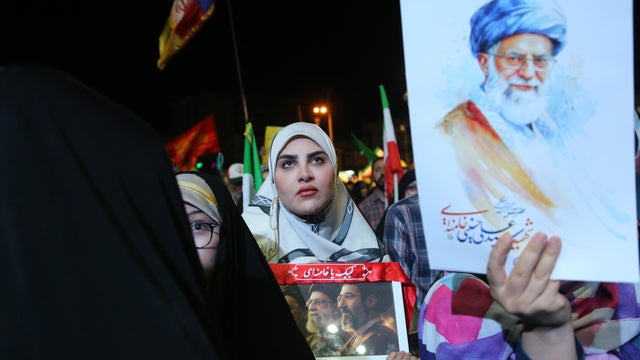
The Iranians' latest move in the war came in response to what it considers U.S. and Israeli ceasefire violations.
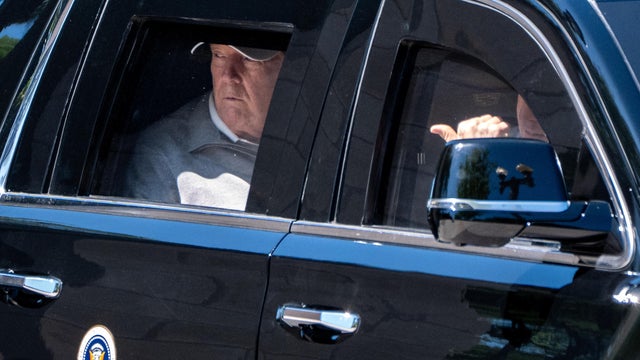
President Trump's changes included somewhat significant changes, according to a source with knowledge of the negotiations.
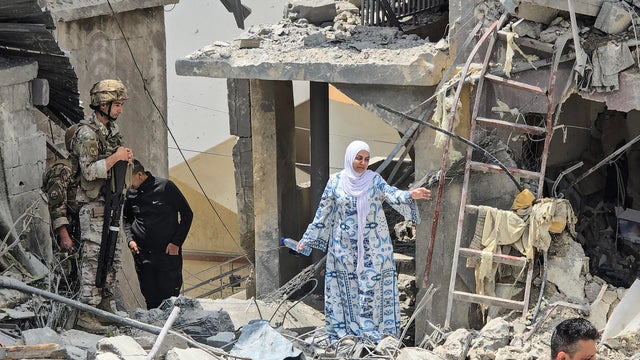
The U.S. and Iran had appeared ready to de-escalate before the U.S. military conducted what it said were defensive strikes against Iran on Wednesday.
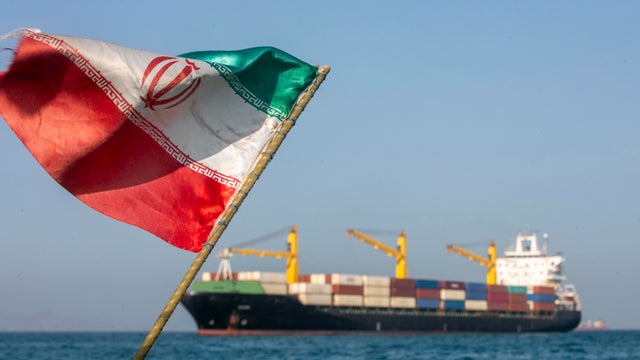
There is broad commitment on the principles of a deal, a senior Trump administration official said, and the administration feels positive about where things stand.

President Trump called on Iran to make a deal or prepare for more bombings. His warning came soon after a drone strike targeted the sole nuclear power plant of the United Arab Emirates.

President Trump is expected to encourage China to pressure Iran to make a deal to end the war when he visits Beijing this week and meets with President Xi Jinping.

President Trump didn't provide details on the issues he had with the response or what would come next.