Watch CBS News

Compensating COVID vaccine injuries

A federal court compensates people who say they were injured by vaccines. Here is why the COVID vaccines are not currently part of it.
Oct 6, 2025 (05:51)

TRANSCRIPT FOR: “WHY THE COVID VACCINE ISN'T PART OF AN INJURY COMPENSATION COURT”

WOMAN:
00:00:02

60 Minutes overtime.

DENISE SCHRIER CETTA:
00:00:06

Reporting on vaccine injuries is a complicated topic, and it's important to continuously remember the incredible life-saving power of vaccines. Over 150 million lives have been saved worldwide due to vaccines. I'm Denise Schrier Cetta, and I'm a producer at 60Minutes.
MAN:
00:00:25

In Washington, DC, within the US Court of Federal Claims--

DENISE SCHRIER CETTA:
00:00:29

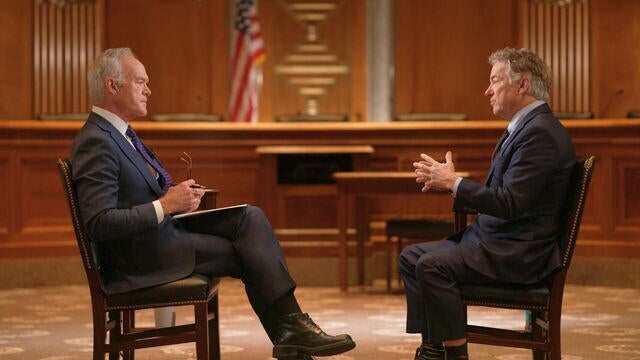
This week on 60Minutes, we report on the vaccine court, a little known court that Congress founded in the '80s and has been compensating Americans injured by vaccines for the last 35 years. The program was created in order to satisfy two problems that society was dealing with. One, they wanted to ensure that drug companies would keep manufacturing vaccines for the wider public health but also, in the rare cases when individuals were injured by vaccines, make sure that those people were compensated. This program is structured around what's called the vaccine injury table. It has 16 different vaccinations on the table, including the seasonal flu vaccine. We were surprised to learn that the COVID vaccines are not on the vaccine injury table. For this story, I worked with Correspondent Jon Wertheim. It's easier to say the vaccine--

DENISE SCHRIER CETTA:
00:01:21

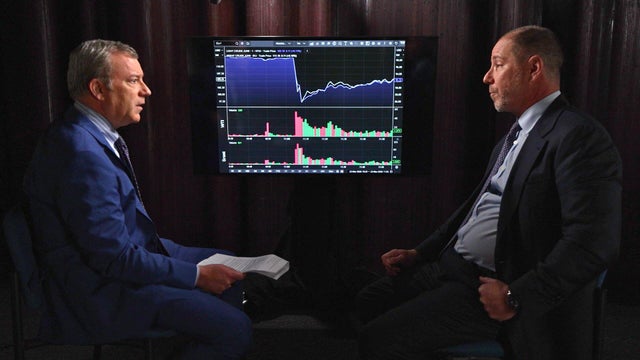
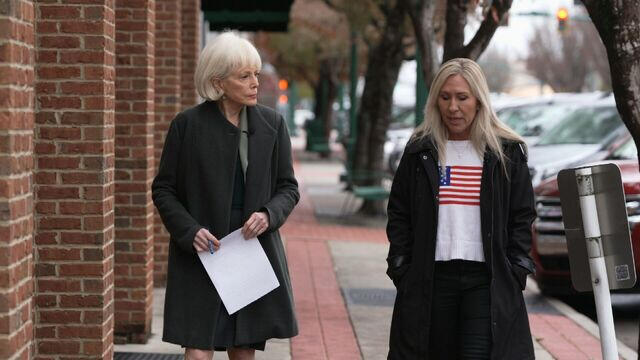
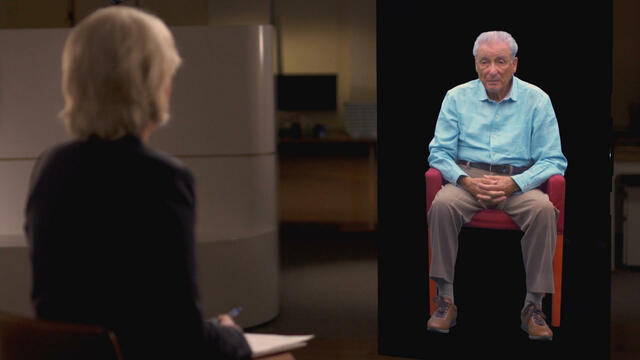
Renée Gentry is a top vaccine injury litigator, and she's also head of the Vaccine Injury Litigation Clinic at George Washington University Law School. What's the status of the COVID vaccine right now with respect to vaccine court? The COVID vaccine is not in the vaccine court. It still remains a pandemic response in the Countermeasures Program. In 2005, Congress created the Countermeasures Program to ensure public health during emergencies. So when the pandemic happened, the COVID vaccines fell under that separate program. So hundreds of millions of people got COVID vaccines. There is this sliver of people-- rare, but there is a sliver of people who had injuries. What is their recourse now? Now they have to file in the Countermeasures Program, and it's far harder than ours. The burden of proof is harder than our program. There's no right to counsel. It's not a court proceeding. It's purely administrative. There's no right of appeal. There's no pain and suffering in that program, very limited damages. And they have a one year statute of limitations. [? They're ?] basically have a right to file and lose in the Countermeasures Program right now. Around 14,000 claims have been brought to the Countermeasures Program regarding the COVID vaccinations. About 5,000 of those claims have been denied, and less than 1% have been compensated. During our months of reporting on this story, almost everyone we spoke to thought that the COVID vaccine should be rolled into the vaccine court program. Those people went out and did exactly what was asked of them to protect themselves, their communities, and their families, and they're basically being hung out to dry in the Countermeasures Program without any real compensation.

DENISE SCHRIER CETTA:
00:03:01

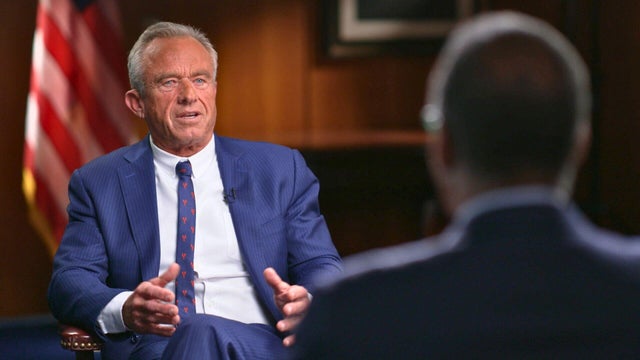
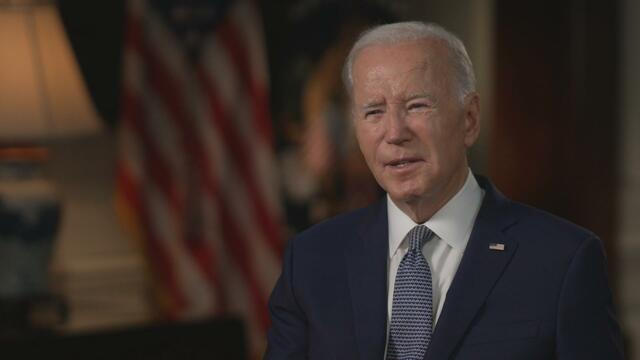
The way that would happen is, first of all, it needs to be a recommended childhood vaccine. The second thing is that Congress would need to pass an excise tax on the COVID vaccination. The third thing that would have to happen is that Robert F. Kennedy Jr., the current secretary of Health and Human services, would have to actually put COVID on the vaccine injury table. RFK Jr. told 60Minutesthat he would follow the CDC's recommendations when it comes to the COVID vaccine, and if they recommend that it should be transferred to the vaccine court program, he would do that. What would the impact of that be? We know there are 10,000, I think, uncompensated-- or unresolved cases in COVID in the Countermeasures Program still that haven't been addressed. If just those cases came over, it would be a massive impact on the court. But we know that there are tens of thousands of other potential cases that are out there.

DENISE SCHRIER CETTA:
00:03:54

The vaccine court's chief special master wrote in a report to Congress last year that the court's ability to, quote, "resolve vaccine injury claims efficiently will be crippled," end quote, in the event that they have to take on the New COVID cases without additional special masters. It's important to remember how rare these injuries are when it comes to the COVID vaccine. Yeah, I think that--

DENISE SCHRIER CETTA:
00:04:19

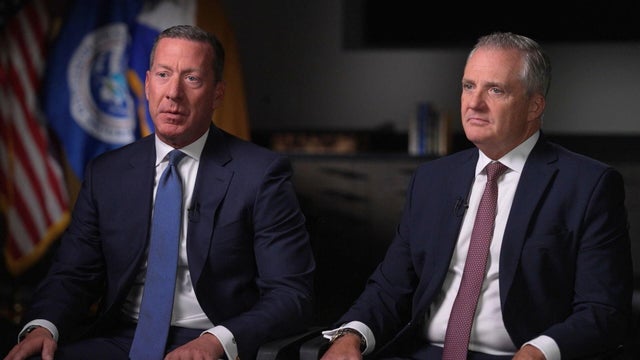
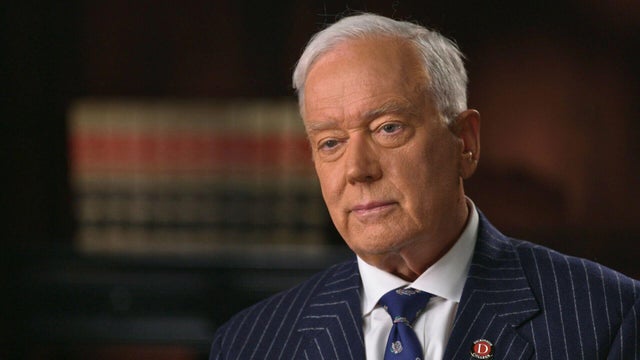
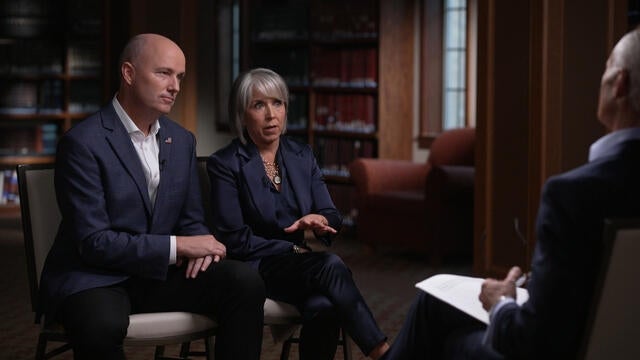
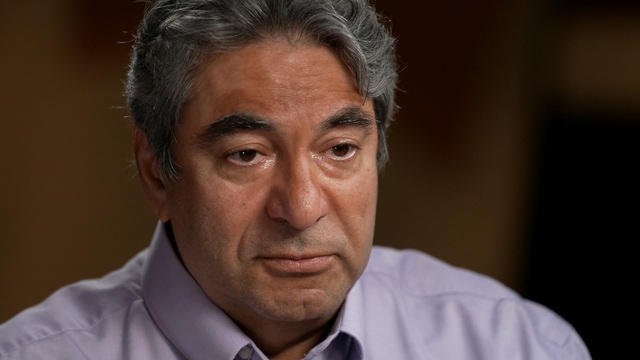
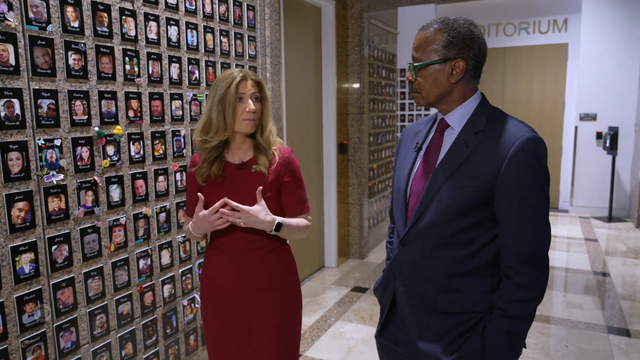
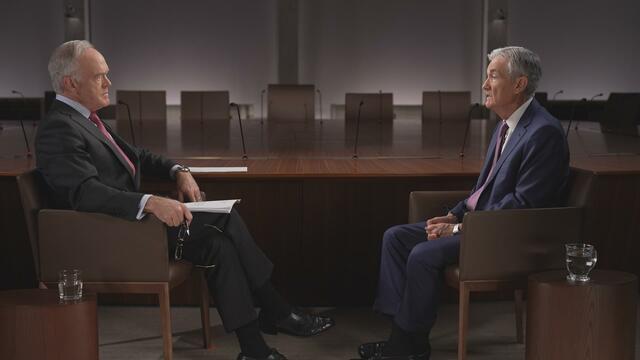
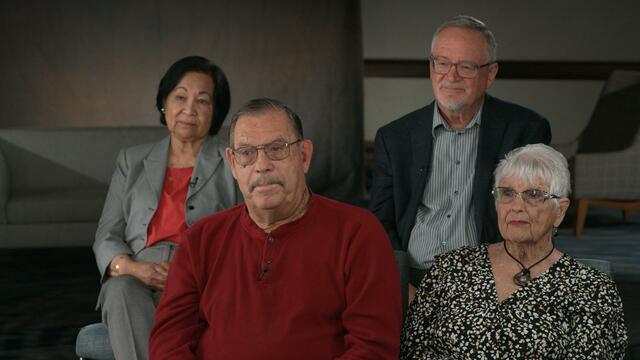
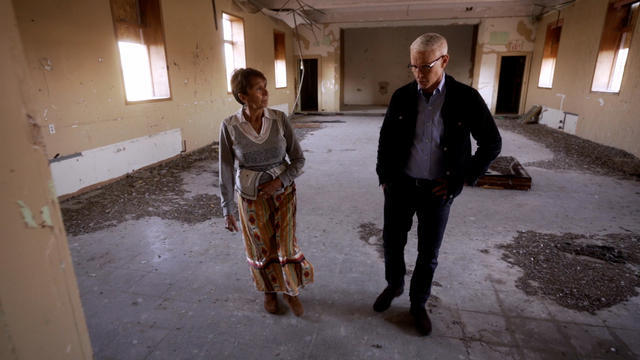
We sat down with Denise Vowell and George Hastings, two retired special masters from the vaccine court. Do you worry, if it did go on the list, that would cause a spike in vaccine skepticism? which is at odds with the whole purpose for the court in the first place. That's always been the concern going back for the whole life of the Vaccine Injury Compensation Program, that the fact that you even have this system might worry people that vaccines can cause injuries. The overall benefit is that if there are rare instances where there are some adverse reactions, you compensate them without forcing people into a litigation system that would take forever. And then you keep the vaccines flowing into people's arms. Many public health interventions have side effects, have the potential for causing harm. But we do the best we can with the science. And I think the vaccine process has saved lives. If you go to an old cemetery and you look at headstones and you see the number of children who died at six months or three years of age and then you go to a more modern cemetery today, you don't see that number of children. Why? Because vaccine-preventable illnesses have not been conquered, but they have been put in check. [CLOCK TICKING]

Videos
View CBS News In
CBS News App Open
Chrome Safari Continue