Watch CBS News

Iran's Assassins | 60 Minutes Archive

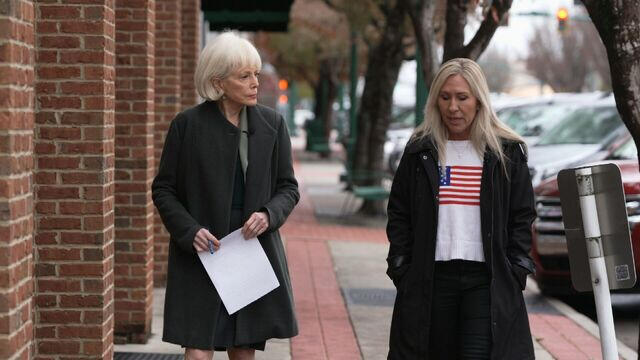
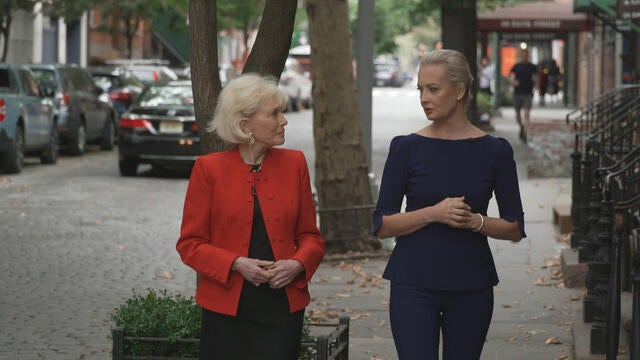
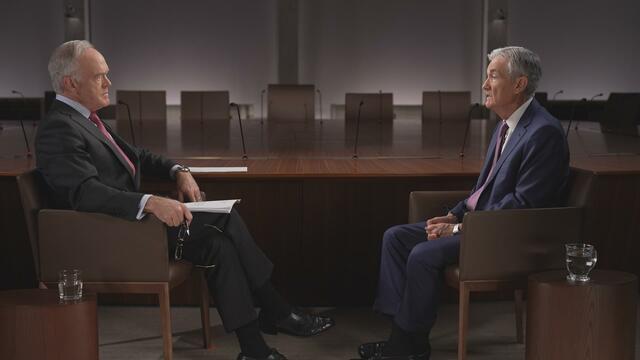
In 2023, 60 Minutes reported on Iran's campaign to intimidate, abduct, and assassinate its critics and perceived enemies, including Americans. For this report, Lesley Stahl spoke with Masih Alinejad, an Iranian-American activist who is now a CBS News contributor, about being one of Iran's targets.
Feb 28 (13:18)

TRANSCRIPT FOR: “IRAN'S ASSASSINS | 60 MINUTES ARCHIVE”

ANNOUNCER:
00:00:02

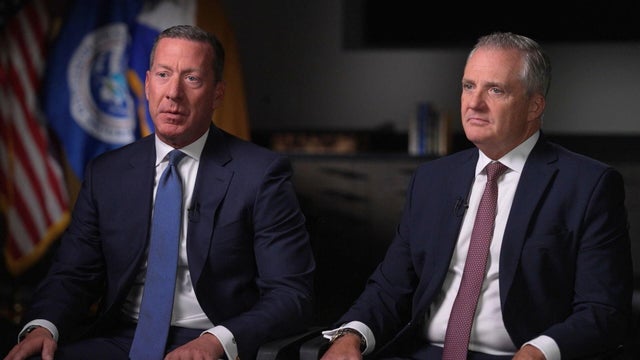
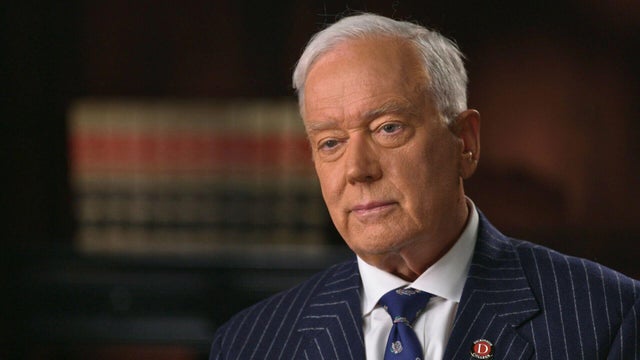
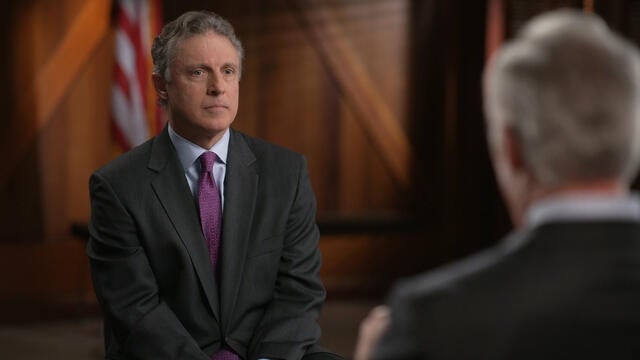
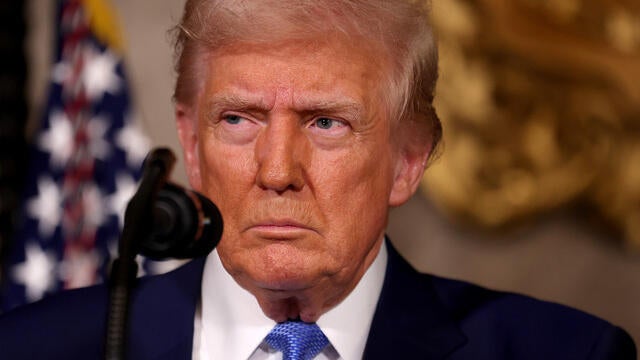
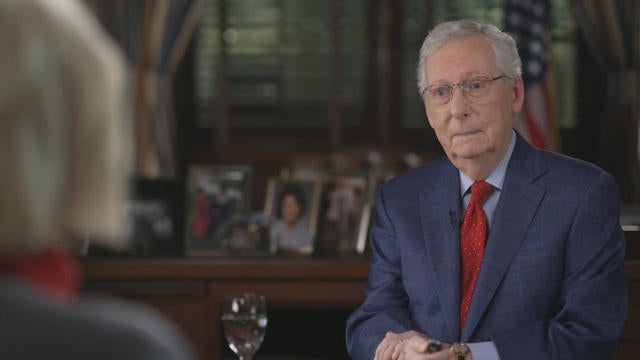
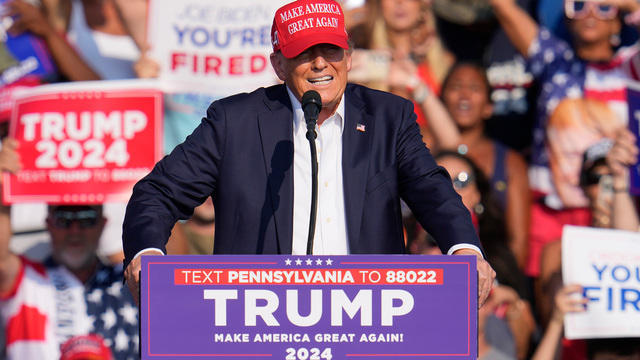
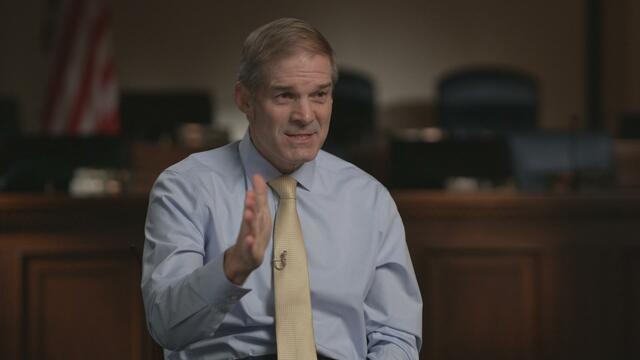
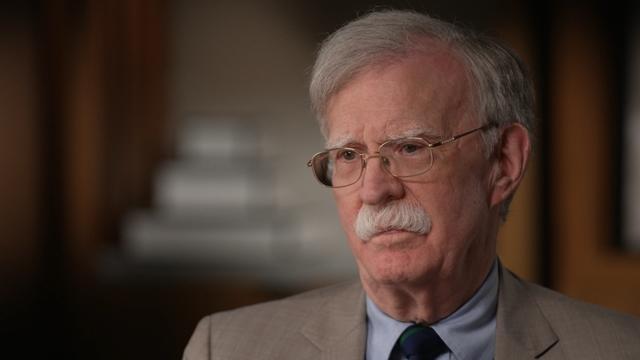
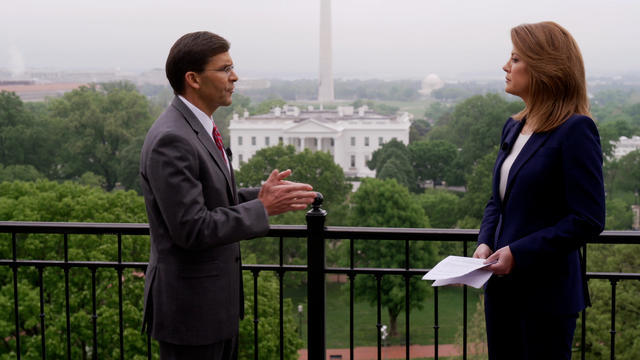
60 Minutes-- Rewind. Tensions keep rising between the US and Iran since the Israel-Hamas war began. Almost every week, Iranian-backed militias have attacked US bases in Syria and Iraq. It's the latest example and a serious escalation of Tehran's use of proxy fighters, like Hezbollah and Hamas. Tonight, you'll hear of another type of proxy that Iran deploys that receives far less attention. Tehran is hiring hitmen around the world in an effort to intimidate, abduct, and assassinate perceived enemies of the regime. And they're doing it right here on US soil. [MUSIC PLAYING] This video was posted online by a channel affiliated with Iran's Revolutionary Guard. It vows to kill former American government officials, including President Trump, to avenge the 2020 US assassination of the terrorism mastermind Qasem Soleimani. Threats like this have been deemed credible enough that several of these officials have been under around-the-clock protection, including former Defense Secretary Mark Esper, former Secretary of State Mike Pompeo-- Iran reportedly offered a hitman $1 million to kill him-- and John Bolton, the former National Security Advisor. They bargained, the price for me would be $300,000, which I have to say, I found insulting. So what exactly was the plot against you? The Revolutionary Guard sought to procure either my kidnapping or my assassination. Not directly by a Revolutionary Guards member, but by seeking a hitman, who would carry out the job either in the US or abroad.

LESLEY STAHL:
00:02:01

The FBI has an arrest warrant out for this Iranian officer, claiming that he hired the hitman online to travel to Washington, corner Bolton in a garage, and kill him. But it turned out, lucky for Bolton, the assassin was an FBI informant. This was not internet chatter. This was a negotiation to murder an American citizen, a former government official. Is the threat against you ongoing? We've got marked Secret Service cars that say "Police, United States Secret Service" outside my home.

LESLEY STAHL:
00:02:38

We talked to the FBI and several intelligence agencies, and they told us that Iran's efforts are becoming more frequent and bolder. And that they often go after vocal Iranian activists living abroad. The idea behind the assassination plot, behind kidnapping plot is to keep you silent. It's a beautiful family place.

LESLEY STAHL:
00:03:02

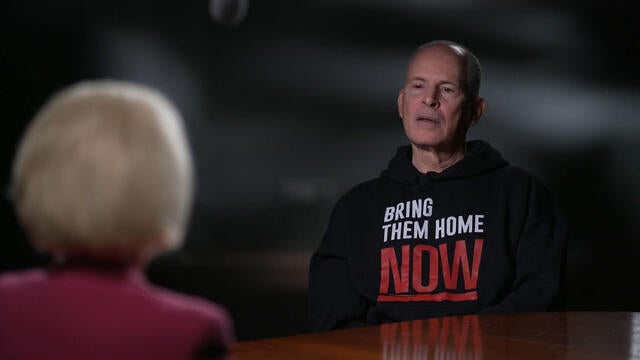
We met one of their targets in Brooklyn. Masih Alinejad is a leader in the women's revolt against the law in Iran mandating they wear a headscarf or hijab. Forced to flee 14 years ago, she settled here in Brooklyn, where she encourages women back home to send her videos of them taking off their hijabs, and she spreads those images online to her 10 million or so followers, fueling the protest movement. So, the mullahs began to focus on you. The FBI came and told you there was a plot against you. There were six or seven FBI agents. When they came to my house, they told me that, "Your life is in danger." I was like, "OK, tell me something new," because we Iranians are used to it. But they actually said, "No, this time is different." They said that the Iranian regime hired private investigator on US soil to take photos of your movement, your daily life, your routine. And I was like, "Wow, so they're here in New York, in Brooklyn." The plot was to kidnap you and take you by speedboat to Venezuela? Hey, it sounds like a scary movie to you. Now, you don't even-- No, it sounds implausible to me. You see, it's a reality for us.

LESLEY STAHL:
00:04:31

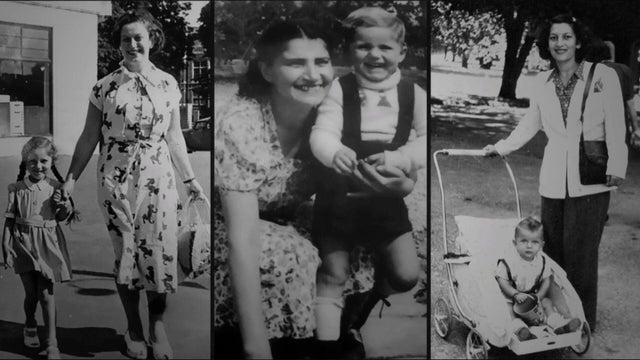
And a reality for the FBI, that says the plan was to get her to Iran to stand trial. It was the same for Jamshid Sharmahd, another Iranian dissident who lived in Los Angeles for two decades, and created a website where people in Iran could report human rights abuses. In 2020, while he was changing planes in Dubai on a business trip, his family noticed his phone started heading in the wrong direction. His daughter, Gazelle Sharmahd, soon saw her dad pop up on Iranian TV in a courtroom looking petrified. He's forced to confessions about crimes he did not commit. The charge that they gave him is corruption on Earth. That's why he got the death sentence. Is it a situation where he could actually be executed? Oh, yes. Any day. They want to hang him from a crane in the middle of the city.

LESLEY STAHL:
00:05:30

The original plot to kidnap Masih was thwarted. But according to the FBI, a year later, in 2022, Iran paid this Azerbaijani living outside New York City $30,000 to buy a semi-automatic rifle and kill her. He lurked outside her home for a week. His plan was to take advantage of her friendliness to her neighbors. He was actually following my life. He knew that I was the one offering flowers to strangers. You offered flowers to strangers? Yeah, this is me. So he received a text message from the guy inside Iran saying that, "Go and knock the door, then take her to the backyard garden." If I had opened the door, I would have just given him a big smile and said, "Yes, let's go to my garden." And then he wanted to just kill me? Did he actually knock on your door? Yes.

LESLEY STAHL:
00:06:30

Her home security camera actually caught him on her porch trying to get in. Eventually, he took off, but was pulled over for running a stop sign. That's when the police found this in his car. He's been in custody awaiting trial ever since. But here's what's interesting. Neither he, nor two other men the prosecutors say were hired for the job, were Iranian. Like him, they were Eastern European, and, as is becoming a trademark of Iran's shadow war, they were criminals. They were all from criminal syndicate. This is what the Islamic Republic is really good at, using drug dealers, using criminals to do their dirty job on the Western soil. It may have deniability. Exactly. We didn't do it. That's the point. So why do they use proxies? To have somebody who is not being tracked by intelligence or security agencies for this.

ANNOUNCER:
00:07:34

Matt Jukes, head of counter-terrorism policing in Britain, says this is not just an American problem. In the UK, they have foiled 15 Iranian kidnapping and assassination attempts since last year.

MATT JUKES:
00:07:50

I have been involved in national security policing for over 20 years. What we've seen in the last 18 months is a real acceleration. We have been told that a lot of these criminal gangs hire other criminal gangs, and then maybe a third group. I think we're always going to see this collaboration between criminal organizations. We know that this will not always be a direct line from a state organization to a threat, to a potential kidnapping.

LESLEY STAHL:
00:08:20

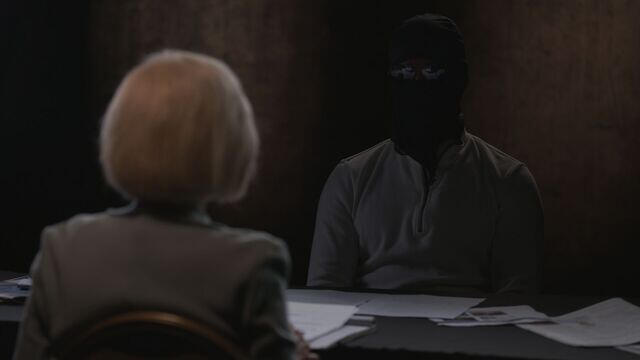
This recording was given to us by a foreign intelligence agency. It shows how Iran recruits criminals. [NON-ENGLISH SPEECH]

INTERPRETER:
00:08:29

I received a call from the IRGC, the Revolutionary Guard.

LESLEY STAHL:
00:08:33

This is an Iranian smuggler from Urmia, a town near the Turkish border. He reveals to the foreign agents that he was approached by Iran's Revolutionary Guard with a deal. They'll turn a blind eye to his smuggling if he helps them. [NON-ENGLISH SPEECH]

INTERPRETER:
00:08:53

Their request was that I find people who could work for them. What kind of work? Anything. Like catching someone for us so they can be beaten up or gotten rid of.

LESLEY STAHL:
00:09:04

This surveillance video shows him recruiting a fellow smuggler for the task. The man in white is Mansour Rasouli, an alleged drug dealer. He agreed to arrange assassinations throughout Europe for the Iranian government for money. But a few weeks later, Rasouli was kidnapped at night and interrogated in a car, reportedly by Israeli intelligence. They extracted this cell phone confession, where Rasouli admits, he was paid $150,000 upfront and promised $1 million if he killed three people for the Iranians. [NON-ENGLISH SPEECH]

INTERPRETER:
00:09:48

One is an Israeli at the embassy in Istanbul, Turkey. Another one is an American general in Germany, and one is a journalist in France.

LESLEY STAHL:
00:09:59

The French target was identified as philosopher Bernard Henri Levy, a vocal critic of the regime in Tehran. The identity of the American general remains a mystery. The plot to kill the three was prevented, but in recent years, Iranian dissidents were successfully kidnapped and smuggled to Iran. Several were executed. They've succeeded in Europe. They haven't succeeded in the United States, even though we know there are targets. Right. Many American officials and others are being targeted. Why is it not a bigger issue? Look, I think, the targeting of American citizens by a hostile foreign government is very close to an act of war. What would happen if they succeeded in assassinating someone like you, a well-known former official? Well, I wouldn't like to find out for myself or for the country. But why are we sitting here quietly talking about this when they're, in effect, saying they're going to commit acts of war against American citizens on American soil? Does the fact that Iran feels emboldened to come after our citizens, does it mean we've lost our deterrence? Well, I think, we have lost deterrence. And I think this also goes to an unwillingness on the part of the administration to confront the ayatollahs in a way that they understand. They can challenge US government on US soil without any punishment, then what's the reason to stop. There's sanctions against them. Sanction is not sufficient. Sanctions does not-- Want us to do, drop a bomb? No. Look, when you negotiate with the killers, you're empowering them.
LESLEY STAHL:
00:11:52

The Biden administration didn't respond to our request for an interview. The Islamic Republic--

LESLEY STAHL:
00:11:58

When Masih Alinejad was called to testify before Congress about Iran in September, she said that unless the administration's policy changes, her life will continue to be in danger. I believe that when I'm not in the spotlight, when media like you are not paying attention to me, finally, they're going to come after me.

LESLEY STAHL:
00:12:21

While she now has the freedom to speak her mind in America, she does not have the freedom to live where she wants. Masih and her family have had to go into hiding under FBI protection. It's like, wow, the government from my own country trying to kill me, but my adopted country trying to protect me. You have to be an Iranian to survive assassination plot to understand that how it feels to survive in America and to have the platform and to criticize the US government. You're tearing up. Tell me why you're tearing up. Because people in my country get killed for criticizing. Get shot in the head for the crime of criticizing. [AUDIO LOGO]
Videos
View CBS News In
CBS News App Open
Chrome Safari Continue