Watch CBS News

How President Trump is changing pardons

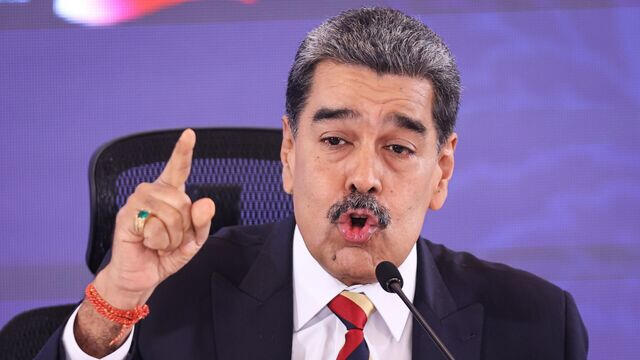
A former pardon attorney in the Justice Department says President Trump is using his pardon powers in a way no other president has.
Nov 17, 2025 (07:35)

TRANSCRIPT FOR: “HOW PRESIDENT TRUMP IS CHANGING THE PARDON PROCESS, ACCORDING TO FORMER PARDON ATTORNEY”

NARRATOR:
00:00:02

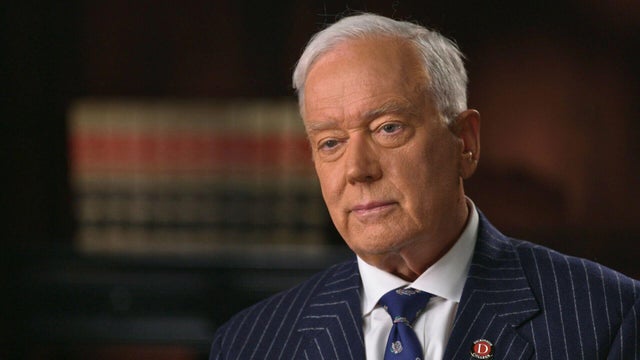
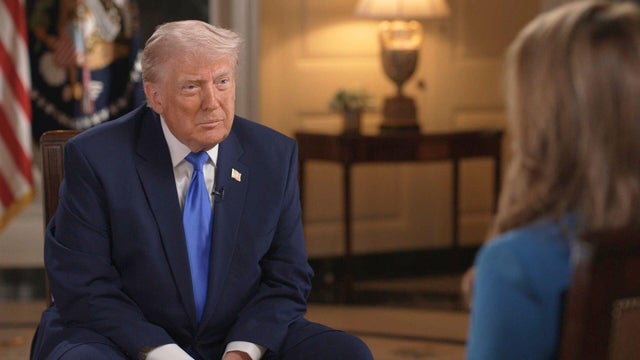
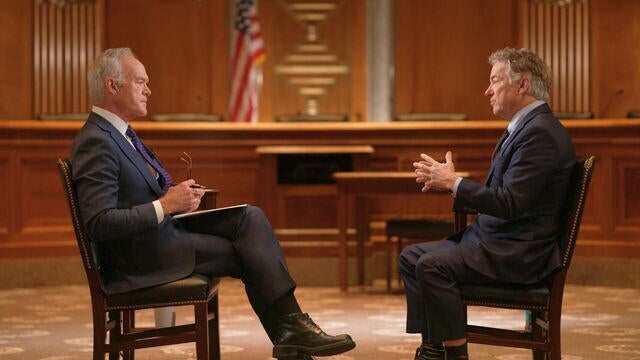
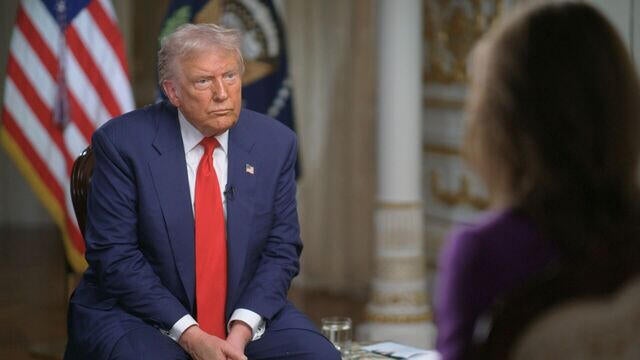
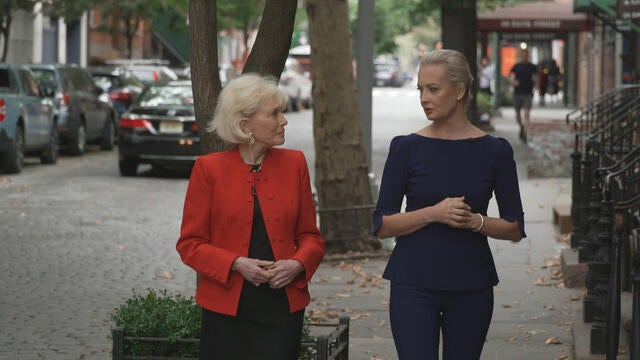
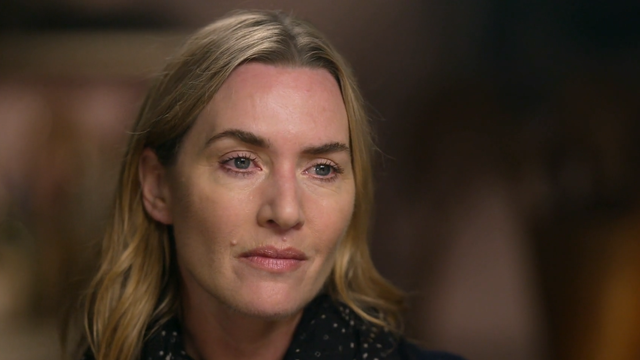
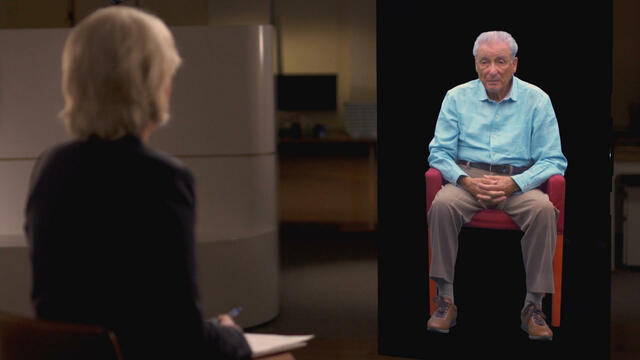
60 MinutesOvertime. All of the traditional rules and procedures pertaining to pardons have been thrown out the window. This administration appears to be working around the Justice Department, rather than with the Justice Department, to vet and review applications for pardons. This week on 60 Minutes,we report on President Trump's pardon of crypto felon Changpeng Zhao. The case is one example of a broad shift in how President Trump is using the power of the pardon. We spoke with Elizabeth Oyer, who from 2022 was in charge of pardon applications at the Justice Department. She told us the pardon process has changed during the second Trump administration. The Department of Justice has longstanding rules and regulations in place for evaluating applications for pardons. And historically, the president has relied on the Justice Department to perform that function to make recommendations about grants or denials of clemency. What were some of the rules that were followed in those days? Well, the standards that have been in place for pardons say that a pardon is generally appropriate when an individual has demonstrated good conduct for a lengthy period of time following their conviction for a crime. So typically, in evaluating applications for pardons, we would look at things like how has the individual performed in the community since they were convicted. How long ago was their conviction? How serious was the crime? And then we would seek the views of US attorneys offices who had prosecuted these cases, the judges who had imposed the sentences. If there were victims of the crime, we would always seek the views of the victims. And if there was a candidate who appeared to meet the criteria for a pardon, we then conducted a very thorough background investigation of that individual, which was actually done by FBI agents, to ensure that they were someone who was truly deserving and who could safely contribute to their community if they were granted the relief that a pardon provides. SCOTT PELLEY (VOICEOVER): But after Trump's second inauguration, Oyer says the longstanding practices around clemency changed. I understood that clemency was going to be conducted entirely out of the White House, without input from the Office of the Pardon Attorney. This was a departure from over 100 years of practice. The Office of the Pardon Attorney has been an independent advisor on clemency. And this was a major departure from how clemency has always been conducted and from the norms that have generally governed that process. SCOTT PELLEY (VOICEOVER): Oyer was fired in March. She says she opposed restoring the gun rights to actor and Trump supporter Mel Gibson, who had been convicted of domestic battery. She has since become a vocal critic of the Trump administration. The Office of the Pardon Attorney, which had traditionally been staffed by non-political appointees, is now run by Ed Martin, an ally of President Trump. In a statement to 60Minutes, a Department of Justice spokesperson wrote, "The statements made by a disgruntled former employee are categorically false. The Office of the Pardon Attorney continues to serve a key role in assisting the President with exercising his constitutional authority to grant pardons and commutations." "Applications are received and reviewed by the Office of the Pardon Attorney, which provides recommendations to the President that are consistent, unbiased, and uphold the rule of law. There has been no departure from this longstanding process." Last month, President Trump drew criticism for pardoning crypto felon Changpeng Zhao. That's because Zhao's company, Binance, has taken steps to enrich a Trump family cryptocurrency firm. President Trump addressed it in an interview with 60Minutes. How do you address the appearance of pay-for-play? Well, here's the thing. I know nothing about it because I'm too busy doing the other. But he got a pardon. But he got a pardon. I can only tell you this. My sons are into it. I'm glad they are because it's probably a great industry. Crypto. I think it's good. They're running a business. They're not in government. And they're good. My one son has the number 1 bestseller now. My wife just had a number 1 bestseller. I'm proud of them for doing that. I'm focused on this. I know nothing about the guy other than I hear he was a victim of weaponization by government. When you say, the government, you're talking about the Biden government. SCOTT PELLEY (VOICEOVER): The White House confirmed it received Zhao's application for a pardon. The case is not included in a database of requests posted by the Justice Department. There has cropped up what many experts have referred to as a pardon economy. Individuals who have political connections to the president are leveraging those connections to establish businesses lobbying for pardons. And applications are going straight to the president. President Trump said to CBS-- When asked about Zhao's case, White House Press Secretary Karoline Leavitt said the pardon followed the normal procedure. That's why we have a very thorough review process here that moves with the Department of Justice and the White House Counsel's Office. There's a whole team of qualified lawyers who look at every single pardon request that ultimately make their way up to the President of the United States. He's the ultimate final decision-maker. And he-- SCOTT PELLEY (VOICEOVER): The pardon power is entrusted to presidents by the Constitution, and there have been several controversial pardons throughout American history. Andrew Johnson pardoned Jefferson Davis, the former president of the Confederacy. Richard Nixon commuted the sentence of Teamster Jimmy Hoffa. And Gerald Ford pardoned Richard Nixon. And just last December, Joe Biden drew criticism by pardoning several members of his family, including his son, Hunter Biden. But Liz Oyer says that today, President Trump is using his pardon power in ways that other presidents have not. The way he talks about pardons is very significant. Whenever he's asked about a specific case, Are you going to pardon Glenn Maxwell or are you going to pardon P. Diddy? he answers by saying, well, I could. I'm allowed to. I'm entitled to. I have the right to do it. He doesn't answer whether he will or won't do it. And people are lining up in droves. What is at stake? The pardon power is intended to show mercy to people who have been treated harshly by the criminal justice system. And there are many, many deserving candidates for clemency who are continuing to apply through the Justice Department. These are people who do not have the money or the political connections to go straight to the White House through the front doors to jump the line. But many of them are truly deserving of these second chances that clemency can provide. And it is truly a shame. It is truly unjust that those people are now being overlooked in favor of the wealthy and well-connected. [CLOCK TICKING]
Videos
View CBS News In
CBS News App Open
Chrome Safari Continue