Watch CBS News

How a "whale" made over $80M on Polymarket

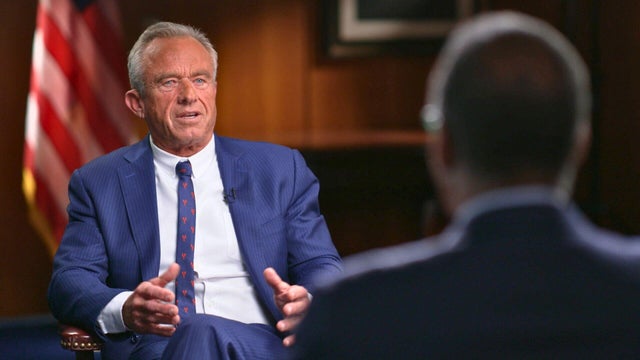
Polymarket CEO Shayne Coplan spoke to 60 Minutes about an anonymous Frenchman who made over $80 million betting on President Trump to win the 2024 presidential election.
Dec 1, 2025 (05:16)

TRANSCRIPT FOR: “HOW A FRENCH "WHALE" MADE OVER $80 MILLION ON TRUMP'S 2024 WIN”

NARRATOR:
00:00:02

60 MinutesOvertime. This week on 60 Minutes,we reported on Polymarket, which is a prediction market where users can bet on the outcome of future events. Bettors can potentially win or lose money predicting things like the winner of a football game, the results of a political election, the weather, even a celebrity pregnancy announcement. Here's the question. Here's the percentage likelihood. Here's how it's changed over time. And here's a yes and no button if you have an opinion.

ANDERSON COOPER:
00:00:31

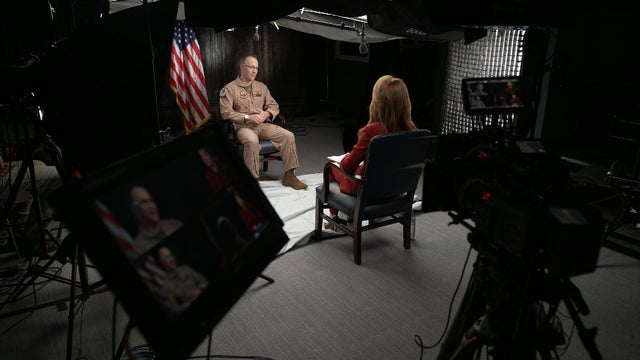
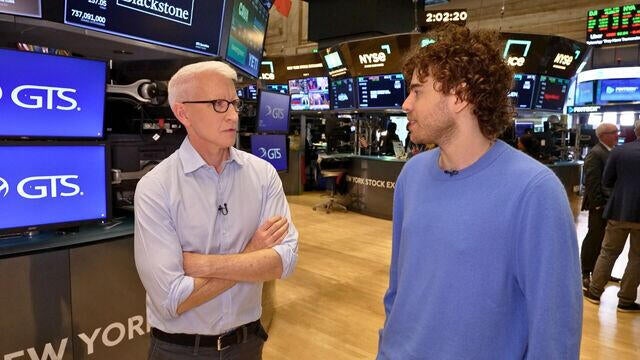
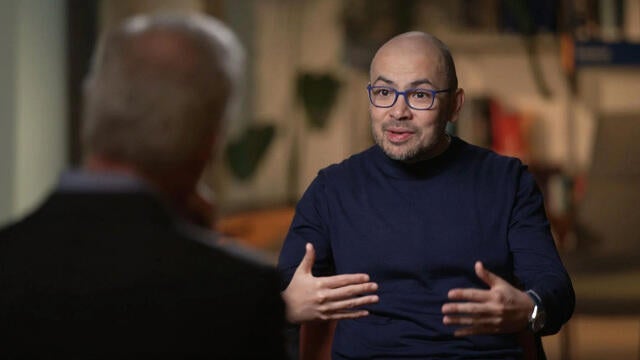
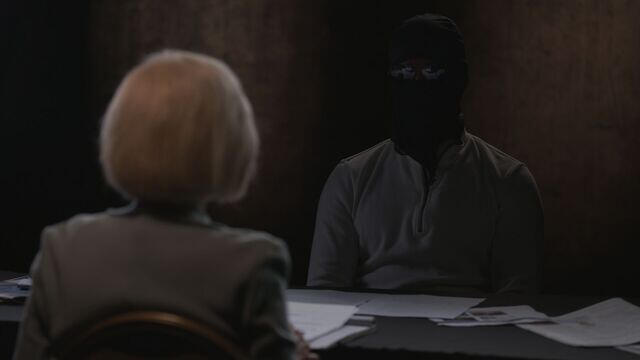
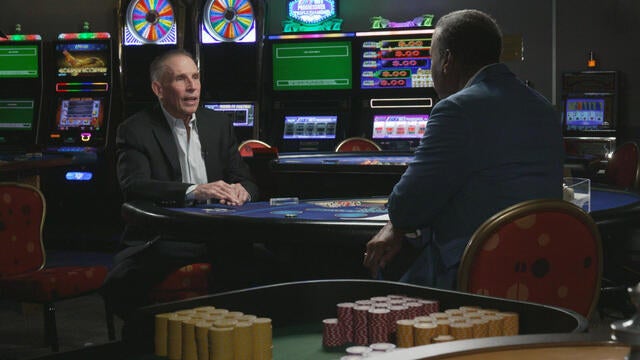
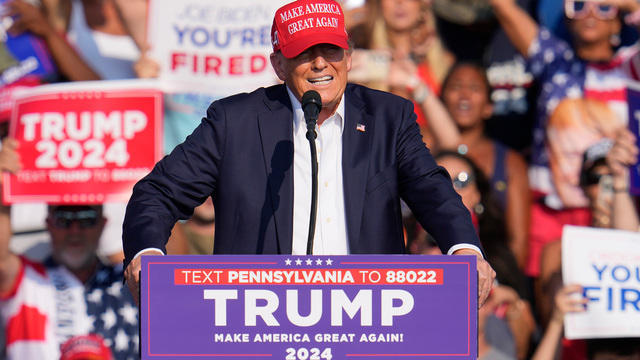
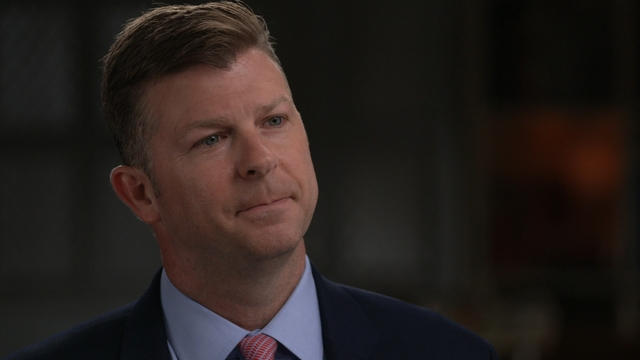
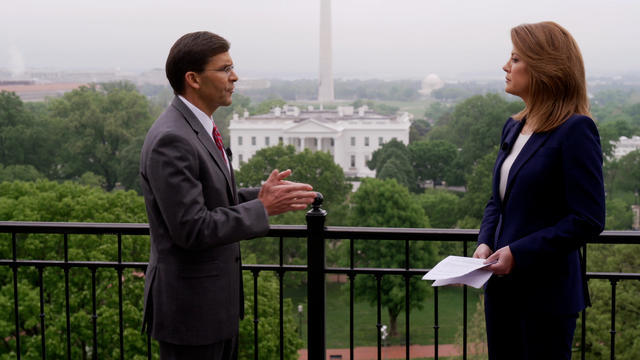
Shane Coplan is the founder and CEO of Polymarket. I think one thing that's important to understand about Polymarket is it is not a poll. That's not the function of Polymarket. Correct. Polymarket is trying to predict the outcome. The percentage of people who are going to vote for a candidate is not the same as who's likely to win. One of the most well-known Polymarket bets happened during the 2024 presidential election, when an anonymous man living in France placed a heavy wager on Donald Trump winning. At the time, most pollsters were saying that the race was just too close to call. Everyone said he's an idiot and he doesn't know what he's talking about. People thought he just liked Trump. And he had actually commissioned a ton of private polls. He did something called neighbor polling, which is you ask people who they think their neighbors are likely to vote for. For scenarios for an election, where there's a stigma to saying you're going to vote for somebody and people feel some sort of social awkwardness, what he noticed was there was huge discrepancy in the neighbor polling versus the normal polling. And the neighbor polling favored Trump enormously. He thought Trump was undervalued, and they were confident in their research that Trump was likely to win. When Trump won the election, the "French whale," as he became known, made about $80 million. If this guy was not able to make $80 million, but rather able to make $80,000, he would have never gone through the hassle. But when you get markets that are big enough, you create this incentive for people to go above and beyond to try and find truth.

ANDERSON COOPER:
00:01:55

If people are looking and they see there's somebody who's betting huge amounts that Trump is going to win, does that influence the market? It definitely puts people on alert. But at the same time, if they think that some guy, some French whale is just buying like crazy and he's out of his mind and he doesn't get it, that's an incentive for all the smart money to take the other side.

ANDERSON COOPER:
00:02:18

That's how Polymarket works. People take both sides of the bets, yes and no, winner take all. The bigger the stakes, the bigger the potential wins or losses. Do you know what the biggest loss somebody has had? Well, the most iconic trade on Polymarket is obviously the French whale. Right. And the people who are on the other side of him obviously didn't fare well.
ANDERSON COOPER:
00:02:40

Right. I think it's actually fairly easy to make money on prediction markets if you're a smart person because conventional wisdom is very powerful and very pervasive, and oftentimes it's wrong. And it's wrong in, at least somewhat, predictable ways.
ANDERSON COOPER:
00:02:56

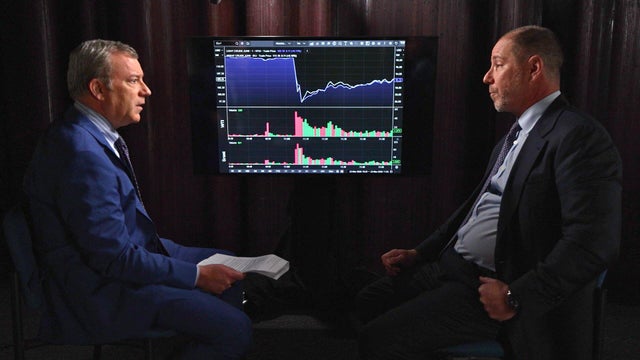
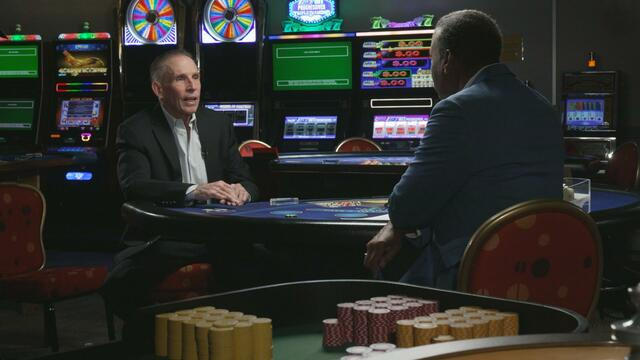
It's the big markets that draw big bettors, and this is one of Polymarket's biggest. He's wagered more than $400 million so far. Online, he goes by the name Domer. You know the story of the French whale? Oh, yeah. I was the first one to talk to him. You talked to the French whale? Yeah, yeah. You know who he is. I don't know who he is. But you talked to him on the phone? I talked to him on Discord. What was that like? It was, he was very French. He was very abrupt and rude and, yeah. Really?

DOMER:
00:03:25

Yeah. Not interested in-- Well, he was positive that he was right. And I mean, credit to him, he was right. I think he was right for the wrong reasons.

ANDERSON COOPER:
00:03:32

He was right on Trump. He was right on Trump, yeah. He commissioned private polling in swing states asking people not who they were voting for, but who their neighbors were voting for. Right. And I think that's maybe a direction to head, but I don't think it was really the reason that Trump was underpolled. The reason that Trump is underpolled is kind of well understood. The people that like Trump don't answer polls, they're lower propensity voters. And I think the ultimate lesson from 2024 is that Trump is kind of, by himself, some figure that brings out people that are impossible to find.

ANDERSON COOPER:
00:04:06

So has Polymarket made polling obsolete in your opinion? I mean, I'll tell you.

ANDERSON COOPER:
00:04:11

Because the French whale was using poling to get information. So he was using poling with the idea of trying to be right. And I think what's cool about Polymarket is the polling only matters if it's actually useful, if it can give people edge in the market. And I think the TLDR, as we say, just the simple check of what's likely-- What's TLDR? Too long, didn't read. It's like the-- Too long, didn't read? Yeah, it's like the one-liner explanation. And you just wanted to quickly get a gauge on what was likely to happen, you should just look at Polymarket, because what you want to know is just who's likely to win. And the polls give you a ton of data that no one can really make sense of that well, but there are people who can make sense of it. And those people, if they're participating in the market, they have the incentive to go and sift through everything and decide what matters and what doesn't. They have an incentive to say, "this is useful, this matters," and something else is fodder. If I just want to know who's likely to win, I don't need to bother with doing all that stuff myself and becoming an expert. I can just look at the market. [CLOCK TICKING]

Videos
View CBS News In
CBS News App Open
Chrome Safari Continue