Warren warns of "food insecurity crisis" from SNAP cuts and prices
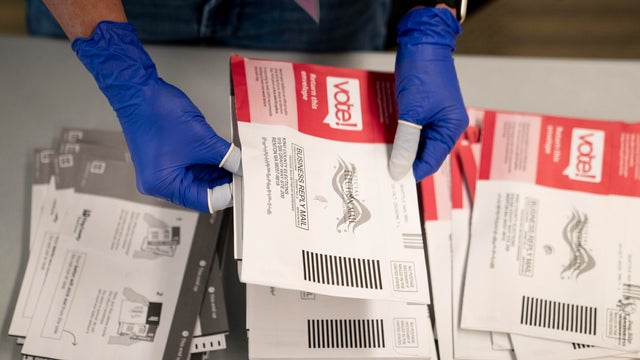
Sen. Elizabeth Warren is urging the U.S. Department of Agriculture to reverse cuts to the food-stamp program as consumers shoulder $22 billion in additional food costs.
Watch CBS News
Sen. Elizabeth Warren is urging the U.S. Department of Agriculture to reverse cuts to the food-stamp program as consumers shoulder $22 billion in additional food costs.

More Americans are resorting to buying groceries on credit, according to research by the think tank Urban Institute. Washington Post personal finance columnist Michelle Singletary joins "The Takeout" to discuss what's behind the trend.

Over the past five years, grocery prices have jumped 32%, making food affordability a top concern for many Americans. Ash-har Quraishi shows how it's impacting families.

Families are flooding back to food pantries across the country as prices are rising faster than paychecks for the first time in three years. Jason Allen reports.
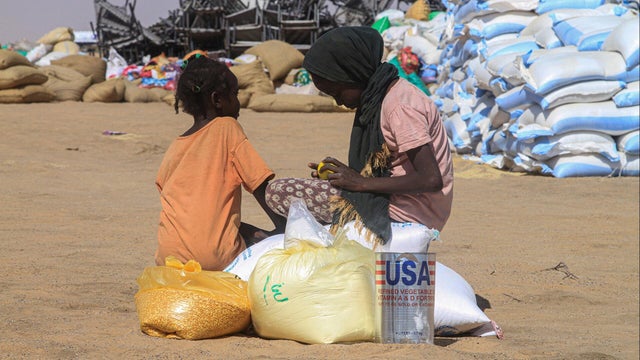
Wednesday marks three years since the start of the civil war in Sudan, which has created a catastrophic humanitarian crisis. Mercy Corps CEO Tjada D'Oyen McKenna, whose organization has been assisting in the region, joins "The Takeout" to discuss the war's impact.
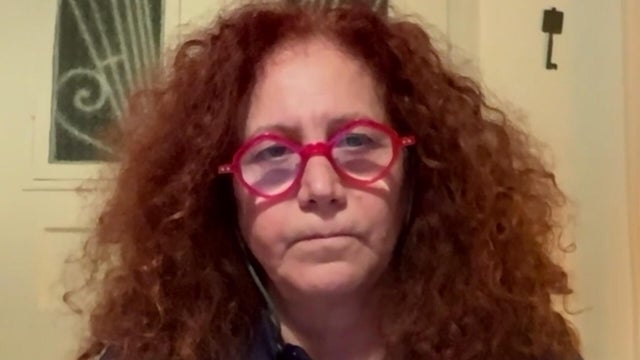
Lebanon says Israeli strikes killed over 100 people and injured hundreds more in the capital of Beirut on Wednesday. World Central Kitchen Chef Corps member Aline Kamakian, who is working in Beirut and saw the aftermath of those strikes, joins to discuss.

Aid groups are warning of a growing humanitarian crisis in the Middle East due to the war with Iran. Matthew Hollingworth, assistant executive director for operations at the World Food Programme, joins "The Takeout" to discuss the situation.

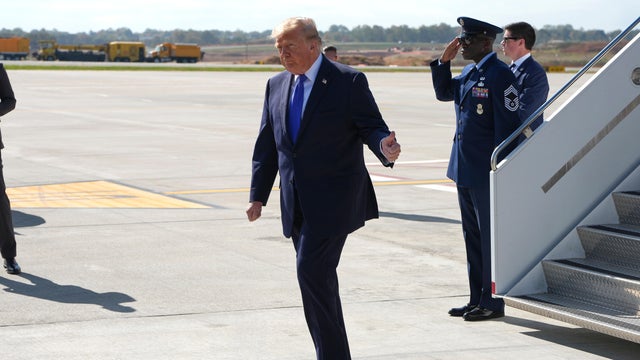
Pentagon makes detailed preparations for potentially sending troops into Iran; Trump lashes out at NATO for not sending troops to Strait of Hormuz.
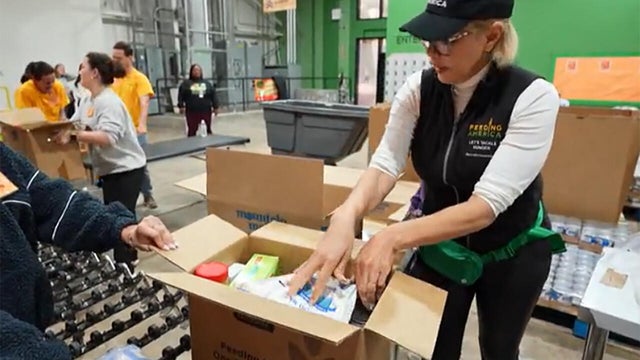
On any given day, almost 48 million Americans, including nearly 14 million children, don't get enough to eat. Claire Babineaux-Fontenot, the outgoing CEO of Feeding America, offers a reality check about hunger in these United States.
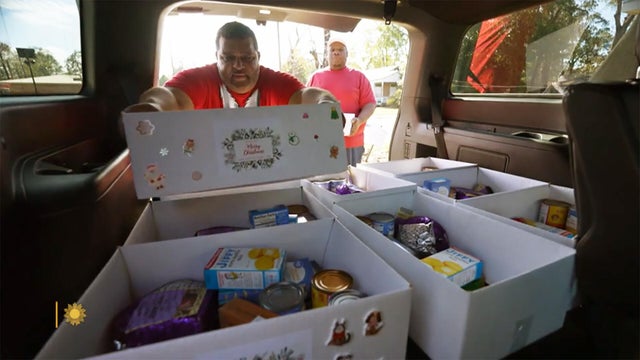
Though the Trump administration has discontinued the government's annual report on food insecurity, claiming it does nothing more than "fear monger," the problem of hunger persists. On any given day, almost 48 million Americans, including nearly 14 million children, don't get enough to eat. Lee Cowan sits down with Claire Babineaux-Fontenot, the outgoing CEO of the nation's largest hunger relief organization, Feeding America, for a reality check about hunger in these United States.
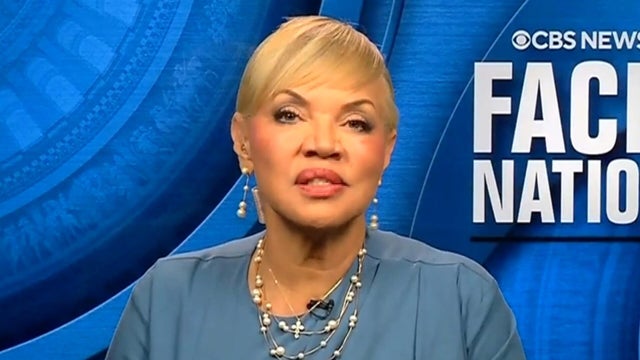
Feeding America CEO Claire Babineaux-Fontenot told "Face the Nation with Margaret Brennan" that before the government shutdown, food insecurity rates in the U.S. were "higher than at any point during the pandemic." "We're continuing to see very high demand. I think part of the reason is because the fastest growing group of people turning to the charitable food system, they're people who don't even qualify for any federal nutrition programs so this is an area that we've got to stay focused on," she added.

Roughly 14% of U.S. households reported being food insecure between January and October, up from 12.5% in 2024, Purdue University researchers found.
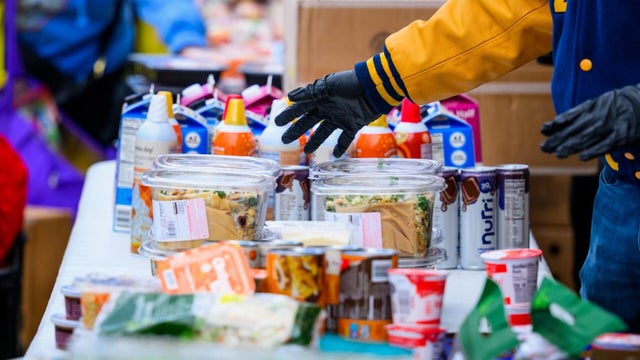
A federal judge has ordered the Trump administration to fully fund Supplemental Nutrition Assistance Program benefits this month. Stephanie Kingsbury, the executive director of Mustard Seed Ministries, joins 'The Daily Report" to discuss food insecurity.

Student lunch debt has soared to nearly $200 million nationwide. Good Samaritans are stepping up to help.

Nationwide student lunch debt has soared to nearly $200 million per year, according to a report released in August by the Education Data Initiative. In Utah, it's almost $4 million. As the bills mount, everyday Utahns are stepping up to make sure no child goes hungry. Janet Shamlian reports.

One in seven people in 27 counties across Kansas and Missouri are food insecure, according to Harvesters, a nonprofit food network.
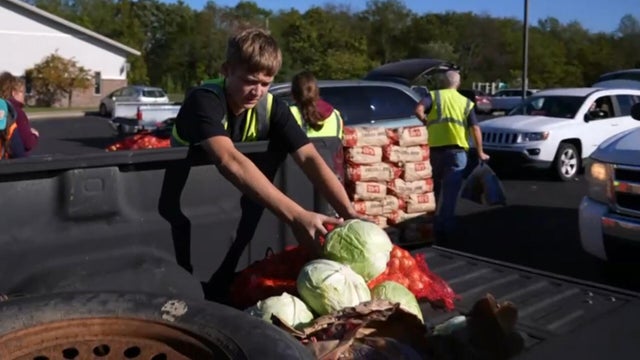
Ian Lee reports on the growing concern over lack of access to a daily meal in rural America.

The Trump administration's Department of Agriculture is ending the Household Food Security Report, a decades-long effort to track food insecurity across the country. Craig Gundersen, professor of economics at Baylor University and a former USDA economist, joined CBS News to discuss the decision to end the report.
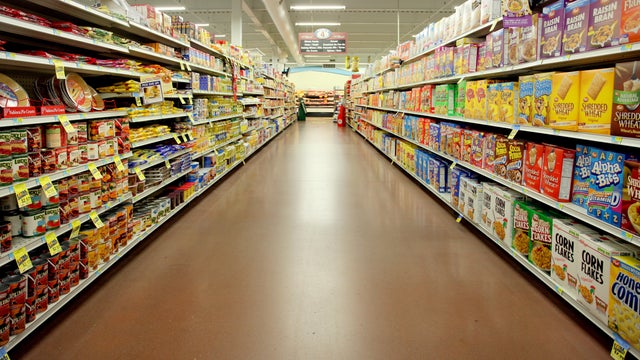
The Republicans' "big, beautiful" spending and tax law will result in cuts to food stamp benefits for many Americans, experts say.

According to a new analysis, about one in seven residents in Southern Nevada is food insecure, meaning they do not know where their next meal is coming from.
The State Department has put out a request for more than 11,000 metric tons of foreign nutrition aid. The request comes after the Trump administration halted aid under DOGE cuts earlier in the year. CBS News correspondent Lana Zak reports.
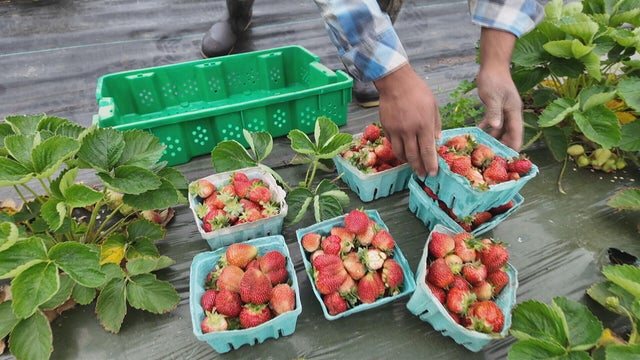
Advocates warn the cuts could ripple through food deserts, rural communities and urban areas where access to healthy food is miles away.
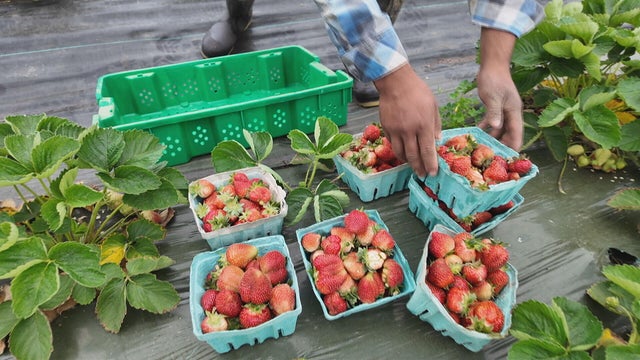
In March, the USDA cut two federal programs that gave grants for providing food to schools and low-income communities. Meg Oliver reports on the impact.

A teacher, a police officer and a senior job seeker share the stress and frustration of trying to stay afloat amid surging costs.
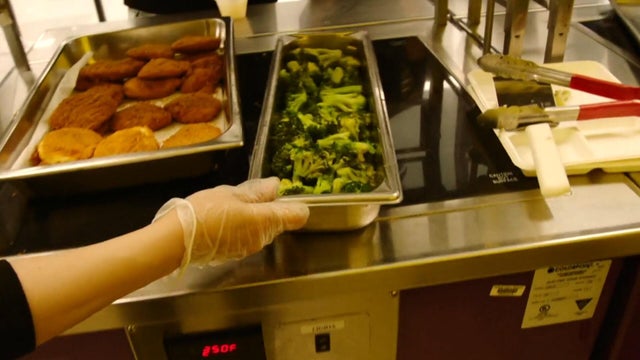
The White House cut two federal programs in March that provide just over $1 billion in annual funding to school districts and food banks nationwide. Janet Shamlian reports on the impact.