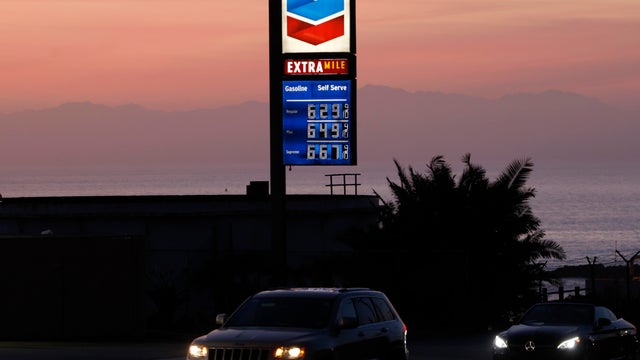
Chevron says Venezuelan oil imports are helping curb U.S. gas prices
Venezuelan oil shipped to the U.S. is providing relief from higher prices caused by the Iran war, according to a senior Chevron executive.
Watch CBS News
Venezuelan oil shipped to the U.S. is providing relief from higher prices caused by the Iran war, according to a senior Chevron executive.

Despite start of military operations to intercept ships region, investors still expect U.S. and Iran to find an off-ramp.

Only about a dozen ships passed through the Strait of Hormuz in the first two days of the ceasefire, far below normal traffic levels before the war, data shows.

Iran says Israel is violating the ceasefire deal President Trump announced, and Tehran appears to still have control over shipping in the Strait of Hormuz.
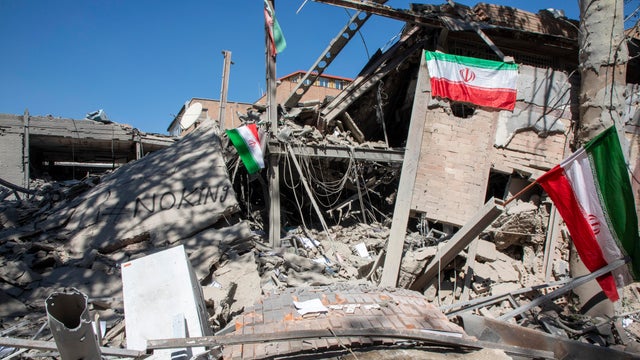
President Trump announced that the U.S. and Iran had agreed to a two-week ceasefire that was contingent on the reopening of the Strait of Hormuz.

"This is a potentially huge market event like no other. It's a known unknown with a clock," one investment adviser said.

President Trump's deadline for Iran to reach a deal to end the war or face punishing strikes on its bridges and power plants is less than 24 hours away.
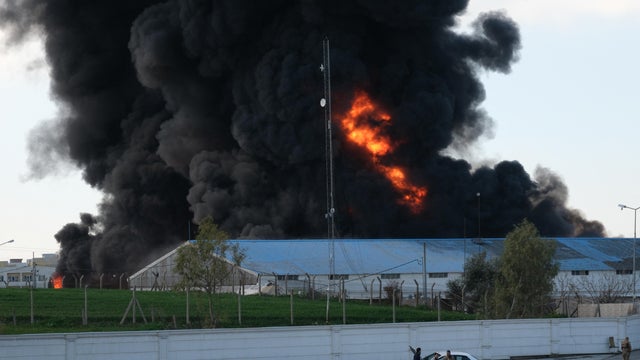
President Trump warned the U.S. "hasn't even started destroying what's left in Iran," and previewed that strikes on bridges and power plants could be next.
Stocks rebound after sliding in early-day trade, with investors buoyed by reports that Iran and Oman could monitor ship traffic in the Strait of Hormuz.
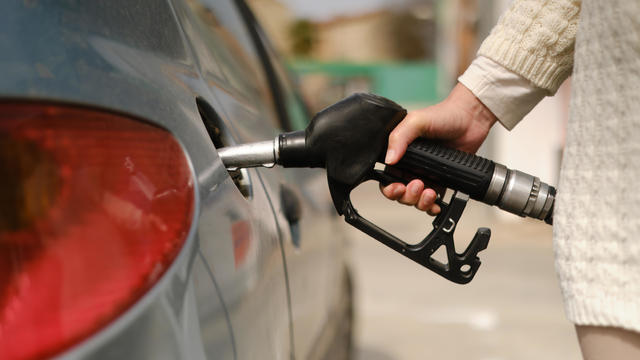
With gasoline topping $4 a gallon, it now costs almost $145 to fill up a Ford F-150 pickup truck, a new analysis finds.

Trump says he expects the U.S. war with Iran to end within several weeks despite unrelenting attacks from both sides and Iran's iron grip on the Strait of Hormuz.
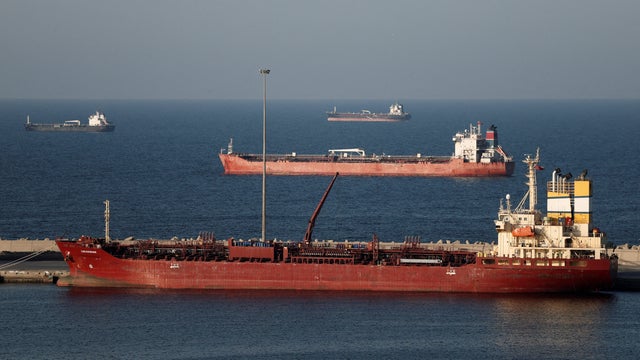
"The scary scenarios are, unfortunately, extremely plausible" if the critical Persian Gulf waterway stays effectively sealed, economist Paul Krugman said.
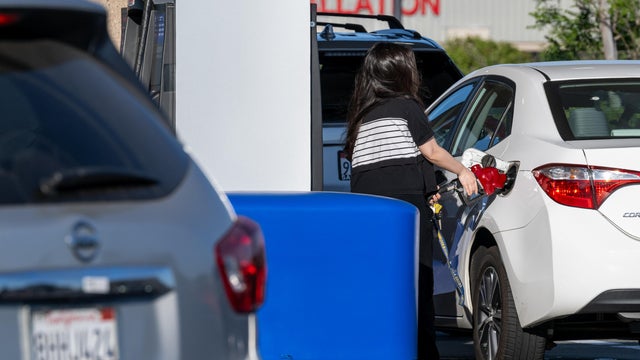
The average price of gas across the U.S. last reached $4 after Russia's invasion of Ukraine sent crude oil prices surging.

Energy markets remain volatile as President Trump threatens Iran with an invasion to seize its oil while also suggesting a deal could soon end the war.

Stocks suffered a fifth straight weekly loss as oil prices climbed and mixed signals on Iran raised fears about inflation and growth.

The U.S. Postal Service is raising some postage prices to help offset the federal agency's rising transportation costs as fuel prices surge.

Trading in crude oil futures spiked only minutes before President Trump postponed an ultimatum on Iran, causing oil prices to drop and stocks to surge.

Crude oil prices also dropped after President Trump said the administration had held "good and productive" peace talks with Iran.
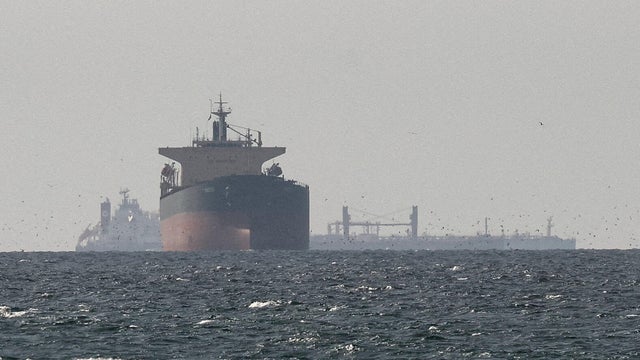
The president threatened to "obliterate" Iranian power plants if Iran didn't reopen the Strait of Hormuz by late Monday night Eastern Daylight Time.
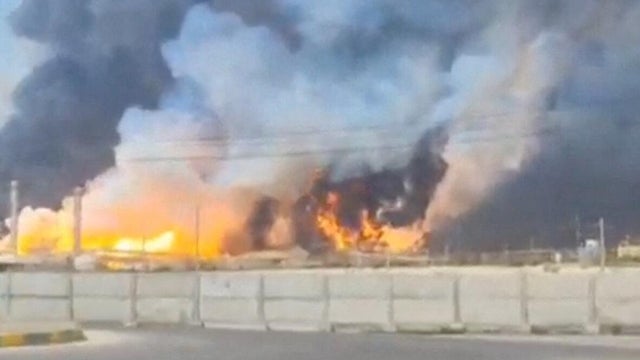
As Iran retaliates for an Israeli strike on the South Pars gas field, one analyst warns the war is "now hitting the plumbing of the global energy system."
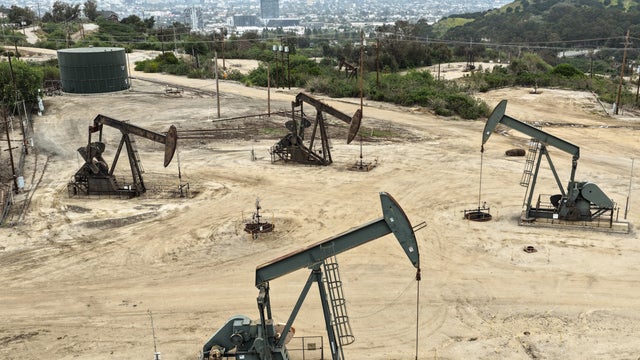
"If the price of oil goes up, the price of everything goes up," said former U.S. Energy Secretary Ernest Moniz.
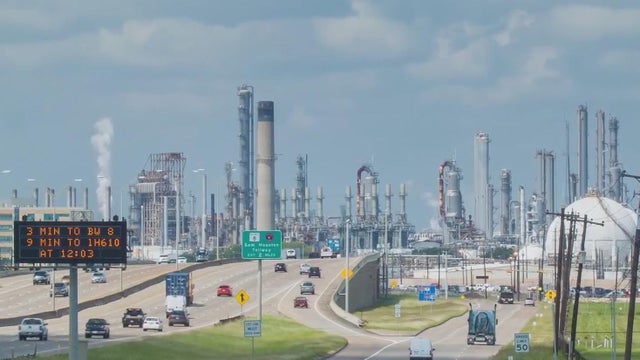
U.S. Energy Secretary Chris Wright invoked the Defense Production Act to restore the Sable Offshore Corp.'s Santa Ynez unit and pipeline off Santa Barbara's coastline.
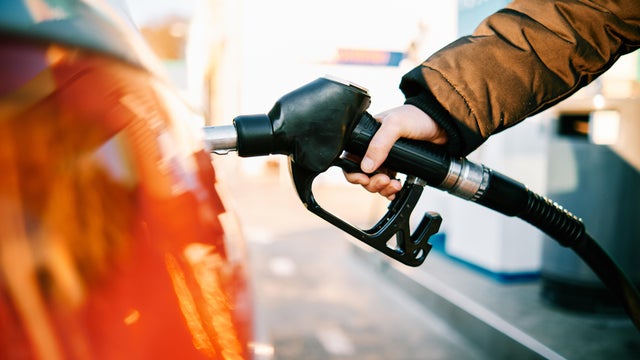
U.S. motorists could soon see higher prices at the pump as oil prices surge following the attacks in Iran.
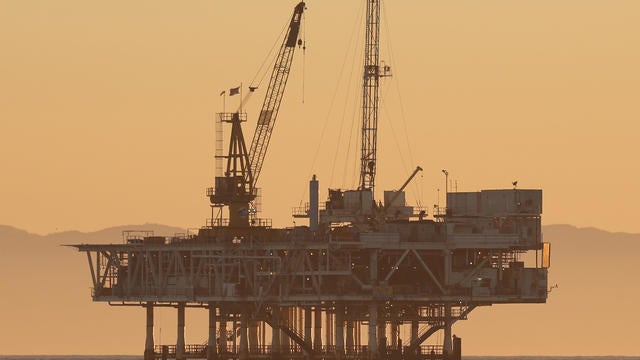
Idled oil rigs off the California coast could be back up and running soon if the federal government has its way.
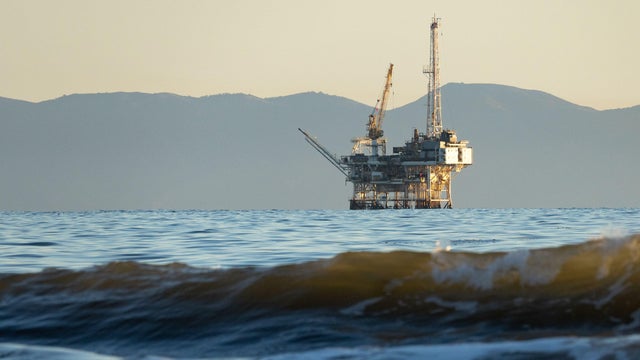
The Trump administration is proposing to auction offshore oil drilling leases across new portions of the U.S. coast as soon as 2026, according to internal documents viewed by CBS News.