Pacific region sets record for big, long-lasting hurricanes
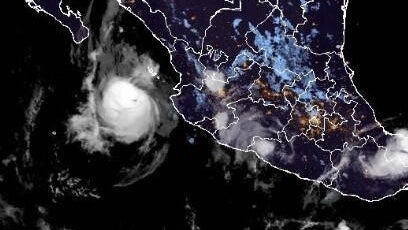
The Pacific has broken a record for nasty, long-lasting hurricanes east of the international date line, turbocharged by the supersized El Niño, scientists say.
Watch CBS News
The Pacific has broken a record for nasty, long-lasting hurricanes east of the international date line, turbocharged by the supersized El Niño, scientists say.
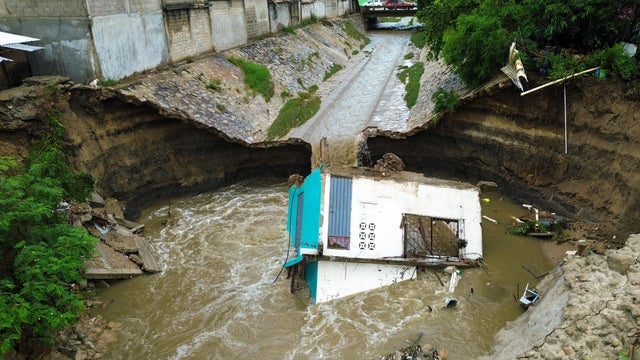
Although Simon weakened on Monday, the hurricane continued to pound vulnerable parts of Mexico's Pacific coast.
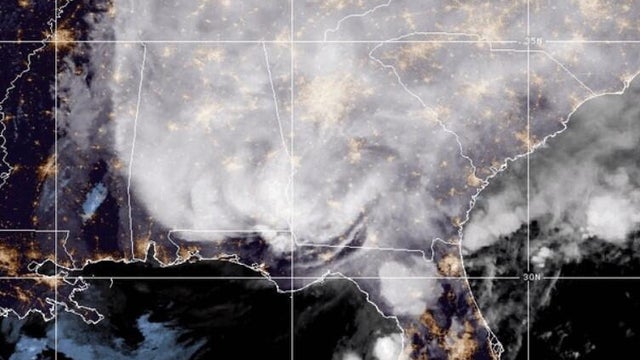
Hurricane Isaias, the first Atlantic hurricane of 2026, made landfall near Destin, Florida, on the northern Gulf Coast.
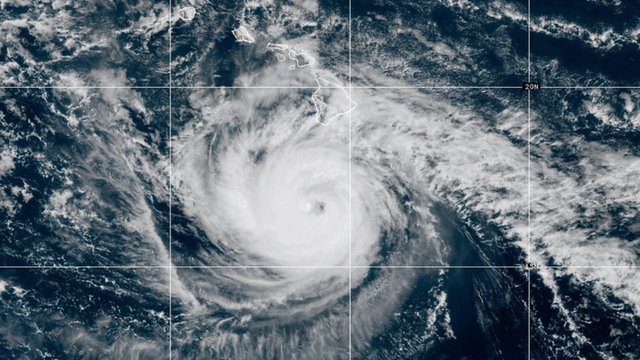
Hurricane Nolo will continue to strengthen as it moves away from Hawaii, forecasters said, but it was still expected to lash the Big Island and Maui with heavy rain.
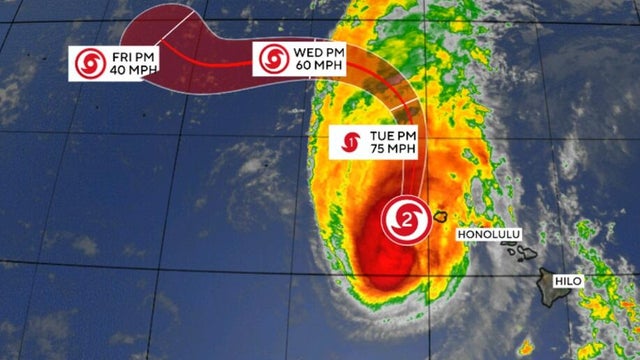
Hurricane Lowell was skirting western Hawaii, bringing damaging winds, heavy rain and punishing waves, the National Hurricane Center said.

Forecasters warned that swells from Hurricane Kiko could reach the Hawaiian Islands by the end of the weekend and cause life-threatening surf and rip currents.

Tropical Storm Lorena is bringing the possibility of life-threatening conditions to parts of Mexico.

Erin, the first hurricane to develop over the Atlantic this year, became post-tropical on Friday afternoon, the National Hurricane Center said.

Hurricane Iona was expected to move westward and does not pose any land threat to the Hawaiian Islands, forecasters said.

Researchers say human-caused climate change dealt people an average of nearly six weeks of extra extreme heat in 2024, while also fueling more destructive storms.
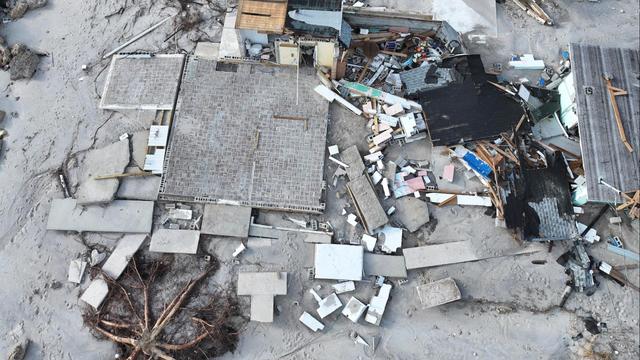
Hurricanes Helene and Milton caused so much complex havoc that damages totals are likely join the infamous ranks of Katrina, Sandy and Harvey as super costly $50-billion-plus killers, experts say.

FEMA says it made some "operational adjustments" for safety reasons but said later it would resume normal operations after the threat turned out to be less serious than first feared.

Millions of homes and businesses had no power in the days after Hurricane Milton hit Florida hard.

President Biden gave remarks in a St. Pete Beach neighborhood damaged by the storm.

Hurricane Milton killed at least 23 people when it tore across central Florida, flooding barrier islands and spawning deadly tornadoes.

At least 17 people are dead as a result of Hurricane Milton, officials told CBS News.

Satellite photos show flooding, ruined buildings and more after Hurricane Milton.

President Biden also warned that conditions remain dangerous in Florida in the wake of Hurricane Milton.

Storm surge poses a fire hazard for vehicles with lithium-ion batteries, with dozens of blazes erupting after Helene.

President Biden told Floridians his administration would offer support "for as long as it takes to rescue, recover and rebuild."

Hurricane Milton previously reached as high as a Category 5 over the Gulf of Mexico on a path toward Florida's central west coast.
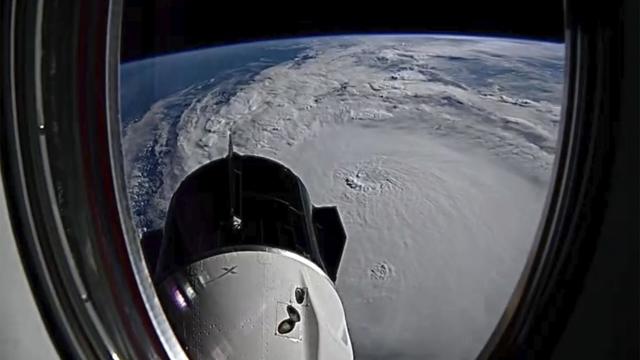
Images from space show the progress of Hurricane Milton towards the western coast of Florida.

While multiple hurricanes that made landfall in the U.S. peaked at Category 5, only four storms on record have done so at that intensity.

Helene flooded a North Carolina facility that manufactures 60% of the nation's IV doses, so now hospitals are preparing for a potential shortage.

Hurricane Helene caused catastrophic damage from Florida into the Appalachian mountains and killed more than 225 people across multiple states.