Why is Gov. Ron DeSantis against Florida's Amendment 1?
Amendment 1 would need 60% of the vote to become law in Florida.
Watch CBS News
Amendment 1 would need 60% of the vote to become law in Florida.
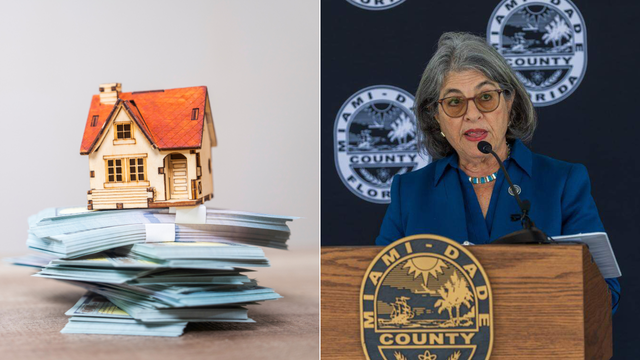
Mayor Daniella Levine Cava estimates a $385M revenue loss in year one if Amendment 3 passes.

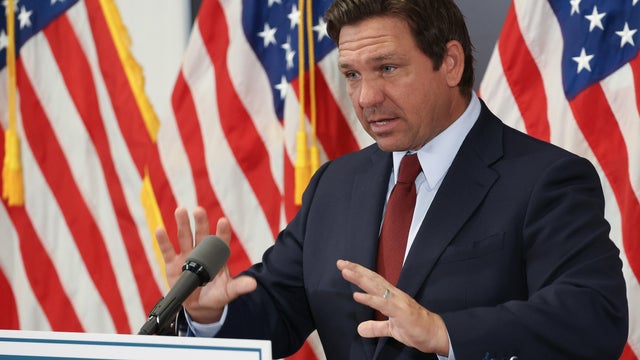
Gov. Ron DeSantis toured the state harping on the need for a major cut to property taxes, at times questioning why property taxes should exist at all.
A judge ruled the original language was misleading; the state won't appeal and is rewriting it.

Both opponents and supporters of the amendment have mixed feelings about its language.
The proposal was drafted by Gov. Ron DeSantis, who toured the state slamming the spike in property tax revenues over the last six years by local governments.

Plaintiffs say the amendment's title uses biased language designed to sway voters, not inform them.

CBS Miami's Jim DeFede spoke to former Republican State Senator Jeff Brandes, president of the Florida Policy Project, who is behind one of those lawsuits.

Vote No on 3, also called Stop Unfair Tax Shifts, has raised nearly $23,200 as of July 17, of which $8,300 has been spent, mostly on political consulting.

City staff have proposed cuts to spending on private contractors, aiming to rely instead on internal staff and part-time workers to handle tasks such as filling potholes, painting, and general building repairs.
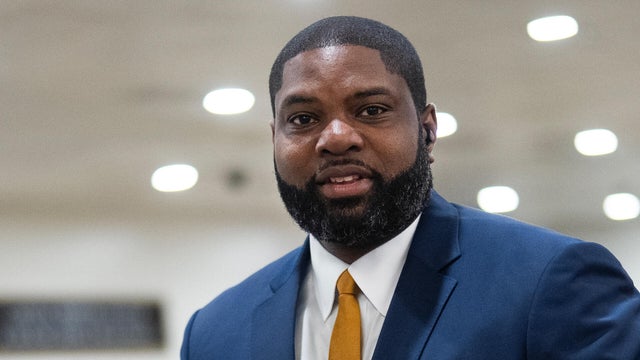
The likely Republican candidate for governor, Congressman Byron Donalds, said he would vote for it, but as he told CBS Miami's Jim DeFede, if it does fail, they will tackle the issue again next year.

DeSantis said Monday he will vote for the ballot item regarding homestead property taxes, but "what the Legislature did wasn't my proposal."

Gov. Ron DeSantis has made a large property tax cut ballot measure central to his message in his last year in office, and on Wednesday, he signed two bills in line with that priority.

The amendment aims to reduce property taxes by raising the homestead exemption—the value of a home shielded from non-school taxes—from $50,000 to $250,000 over the next two years.

Florida economists project a proposed property tax cut amendment would reduce local government revenues by $46 billion over five years.

The group is called Save Our Voters From Misleading Ballot Language and the two officials are Thomas Campenni, former Mayor of Stuart, and Michael Davey, former Mayor of Key Biscayne.

The specific language that will appear on the ballot is: "SAVE OUR HOMES FROM EXCESSIVE PROPERTY TAXES".

The proposal, which voters will decide in November, would increase the homestead exemption and reduce taxable home values.
Florida voters will decide in November whether to dramatically expand homestead property tax exemptions after lawmakers approved a constitutional amendment.

A major property tax cut plan devised by Gov. Ron DeSantis was changed by lawmakers Monday ahead of scheduled floor votes Tuesday.

The official bill calls for a $150,000 homestead exemption in 2027, followed by a $250,000 exemption in 2028. The legislature would then be tasked with creating a long-term plan for the following years.

While many applaud the proposal, cities are chiming in, wondering what will happen when they lose that income.

DeSantis called for the Legislature to convene Monday to consider his proposal.

Miami-Dade County Commissioner Vicki Lopez said essential services would remain the top priority, but added that the debate could push governments to reevaluate their responsibilities.

Hialeah Mayor Bryan Calvo released more information on the program during a Wednesday morning news conference.