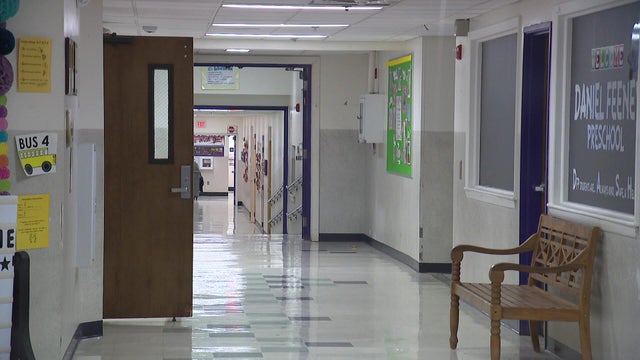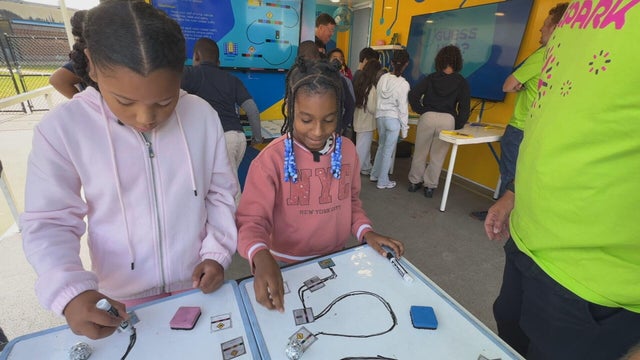
High-tech Curiosity Cube lab connects Boston students with scientists
The Curiosity Cube is a high-tech lab where Boston students run experiments and talk with working scientists.
Watch CBS News
The Curiosity Cube is a high-tech lab where Boston students run experiments and talk with working scientists.
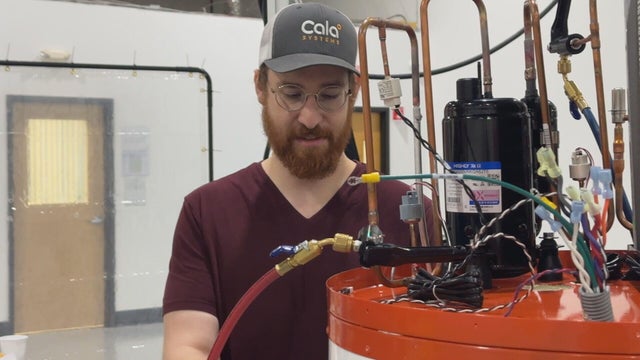
The state's new strategy aims to support more than 1,300 new climate technology companies in the next decade.
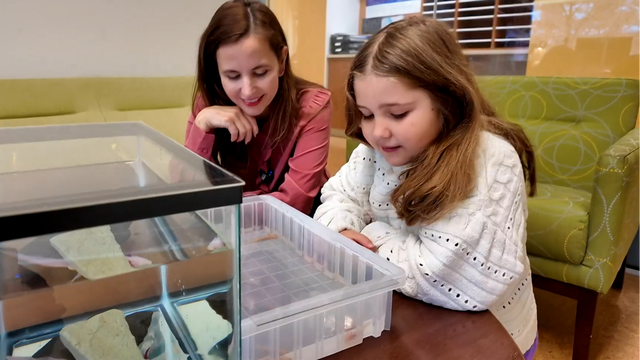
Earlier this year, a Harvard research team studying the axolotl, a salamander with the superpower to regrow body parts, lost almost all its government funding.
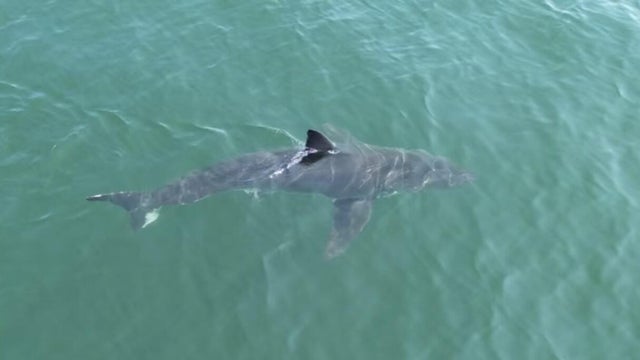
New data shows that great white sharks are spending more time in the chilly waters off New England and Atlantic Canada.
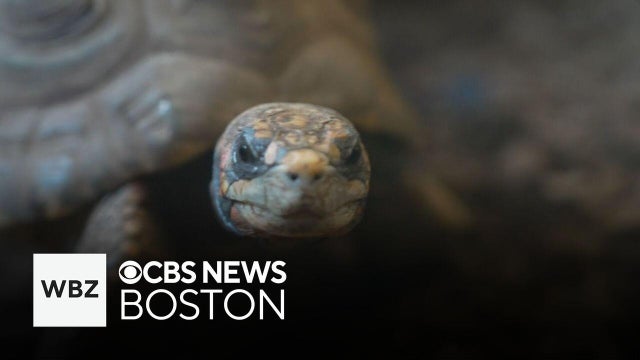
Researchers in England said some tortoises were more optimistic than others.
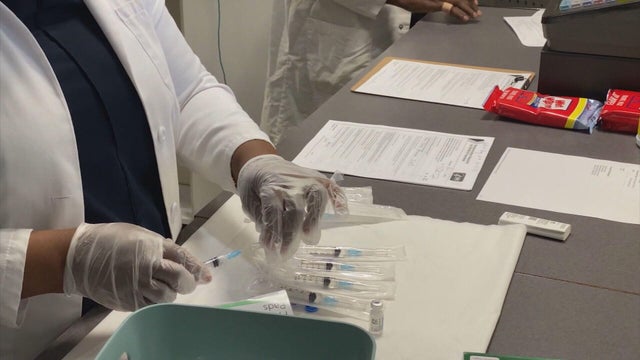
Gov. Healey is warning that federal funding cuts to the National Institutes of Health could have far reaching impacts on scientific research.
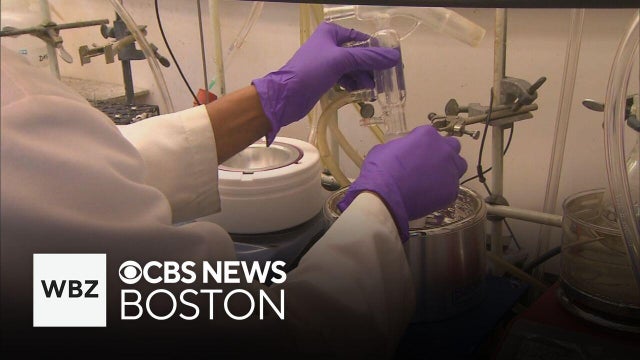
Gov. Healey is warning that federal funding cuts to the National Institutes of Health could have far reaching impacts on scientific research. WBZ-TV's Tiffany Chan reports.
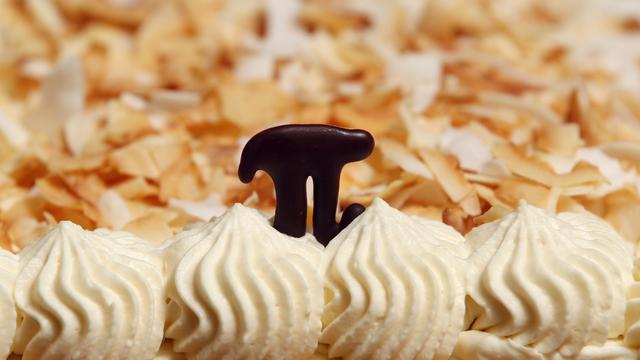
National Pi Day is recognized today in the U.S. and around the world. Here's what to know about the quirky holiday, and how to celebrate.
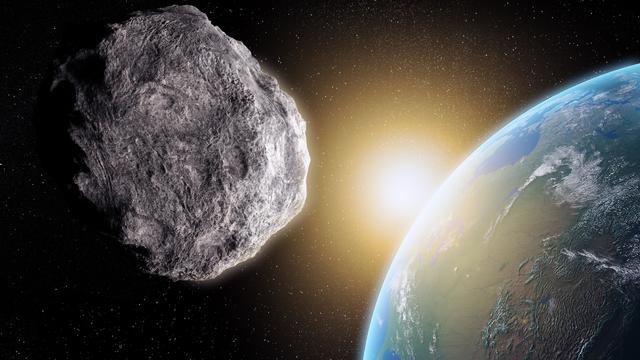
"An asteroid this size impacts Earth on average every few thousand years and could cause severe damage to a local region," the European Space Agency said.

This year marks the 20th anniversary of the Catalyst Collaborative, a relationship between Central Square Theater in Cambridge and MIT.

Science Club for Girls is a program that teaches young women about the fields of science, technology, engineering and mathematics.
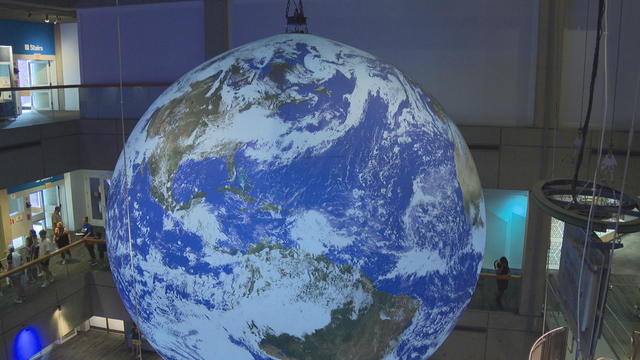
A brand-new exhibit opened up on Wednesday at the Museum of Science about our changing climate and the solutions to solve it.
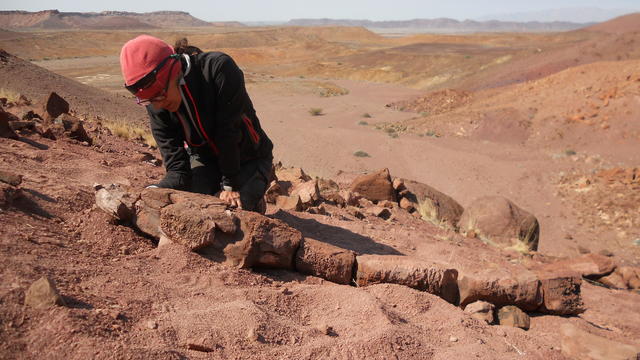
Scientists have revealed fossils of a giant salamander-like beast with sharp fangs that ruled waters before the first dinosaurs arrived.
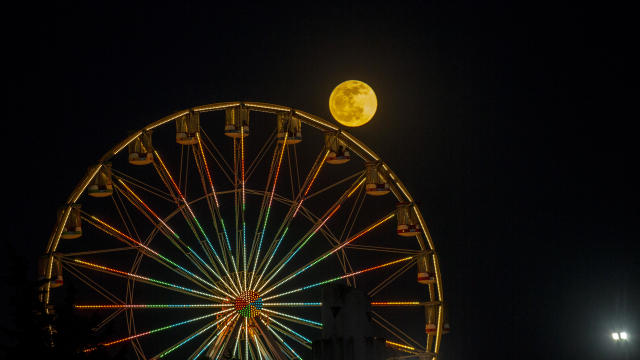
May's full moon will peak on Thursday morning, but the Flower Moon already appears full.
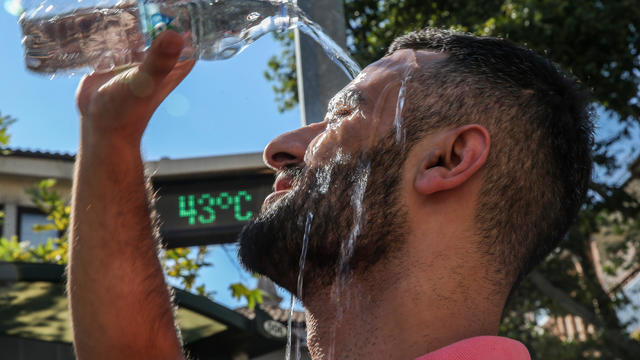
"When you look at the long sweep of history, you can see just how dramatic recent global warming is," one of the researchers said.
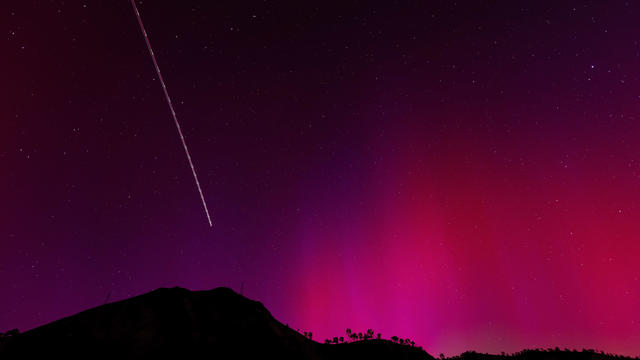
The forecasted conditions come after a weekend of jaw-dropping northern lights seen as far south as Florida and as "magnetically complex" sunspots bigger than Earth continue to emit solar flares.
Blue holes are considered an "oasis" for marine life — but the Taam Ja' Blue Hole off the coast of Mexico remains largely mysterious.
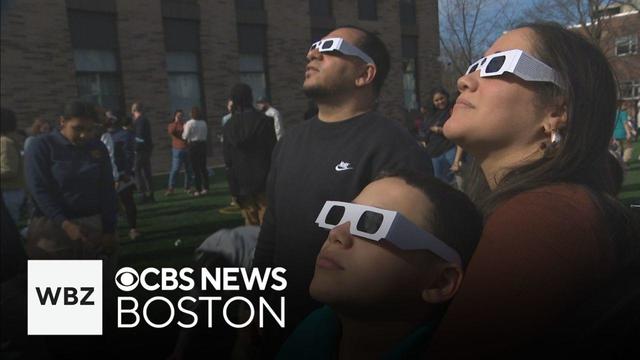
Students at a Massachusetts school were able to view the eclipse and learn more about the science behind the event on Monday.
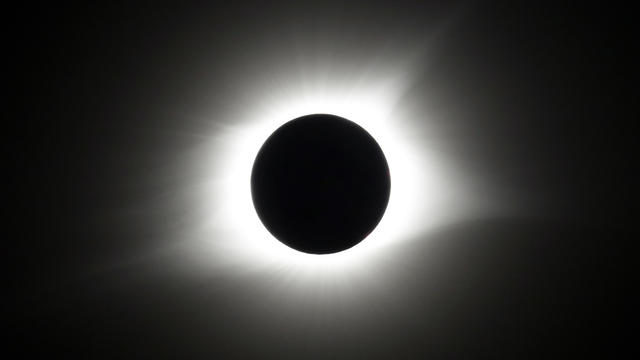
About 31.6 million people live in the path of today's total solar eclipse across the U.S., and millions more will see a partial eclipse. Here's how and where to see it.
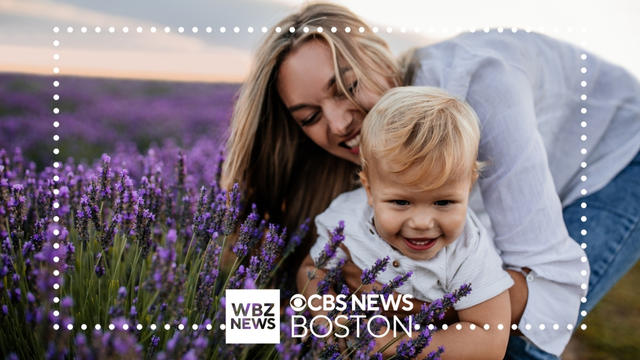
German scientists looked at why teenagers smell bad, but toddlers smell good and determined that evolution may be to blame.

Researchers say five storms since 2013 had wind speeds that could categorize them as a Category 6 hurricane or cyclone — and that climate change will only make such intense storms more frequent.
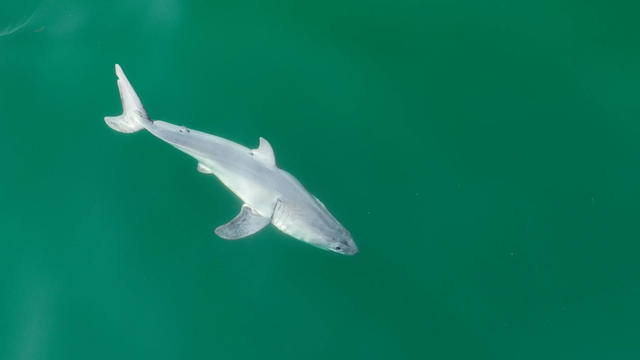
A longtime wildlife photographer has "seen some sharks doing some really wild things" – but nothing prepared him for capturing what's believed to be the first images of a live newborn great white shark.
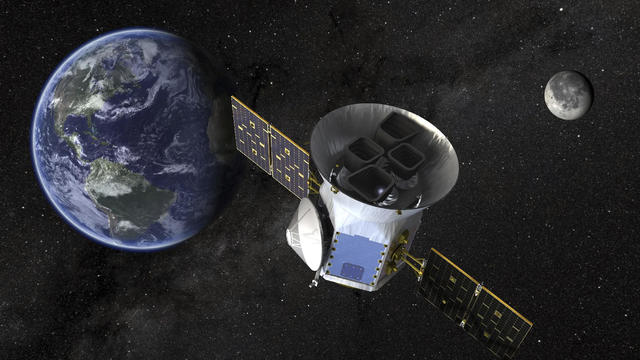
Astronomers have discovered six planets orbiting a bright, nearby star in perfect synchrony like a grand cosmic orchestra.
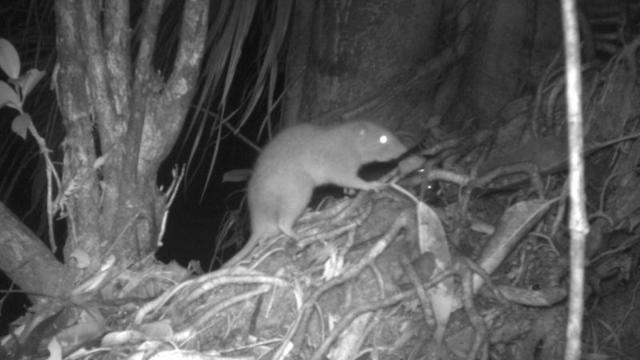
Researchers were able to attract "one of the world's rarest rodents" in their endangered habitat using glass oil lamps filled with sesame oil.
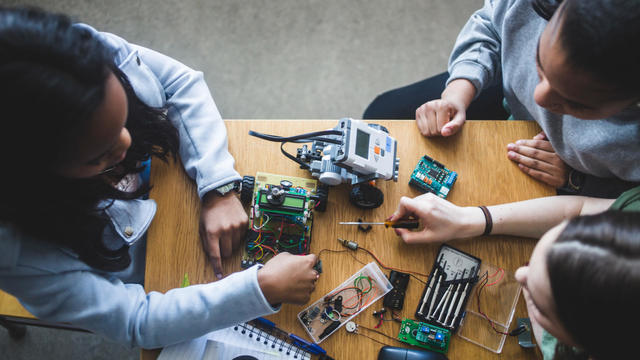
The National STEM Challenge is calling all 6th thru 12th graders to participate in its first-of-a-kind challenge. Think a gigantic science fair!