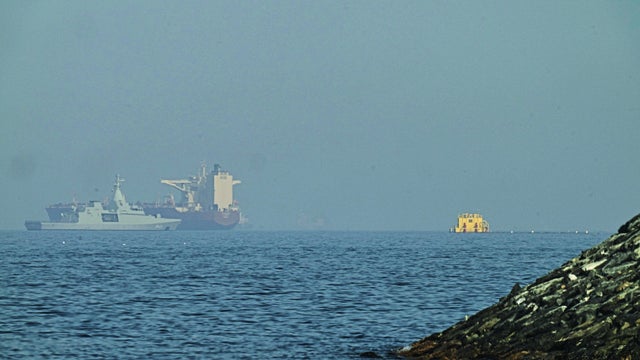
U.S. beginning effort to guide stranded ships through Strait of Hormuz
President Trump announced the U.S. would "guide" ships not involved in the war with Iran out of the Strait of Hormuz. A U.S.-led task force says it has started the operation.
Watch CBS News
President Trump announced the U.S. would "guide" ships not involved in the war with Iran out of the Strait of Hormuz. A U.S.-led task force says it has started the operation.

In an interview on April 23, Chevron CEO Mike Wirth told "Face the Nation with Margaret Brennan" that it's "very hard to predict" the Iran war's lasting impact on energy prices "because markets are dynamic. They can respond to things that we don't anticipate."

White House National Economic Council Director Kevin Hassett told "Face the Nation with Margaret Brennan" that although Spirit Airlines said rising fuel prices had contributed to its demise, "energy shocks don't have a big effect" on other airlines' business. But he acknowledged that "certainly, that will affect the profits for the airlines for a quarter or so."

Saturday marked 61 days since the start of the war with Iran, and gas prices continue to soar. Olivia Gazis reports on how rising prices are causing new political issues for President Trump.

President Trump rejected Iran's latest proposal for a peace deal on Friday, saying he was "not satisfied." Meanwhile, gas prices have hit a four-year high, according to AAA.
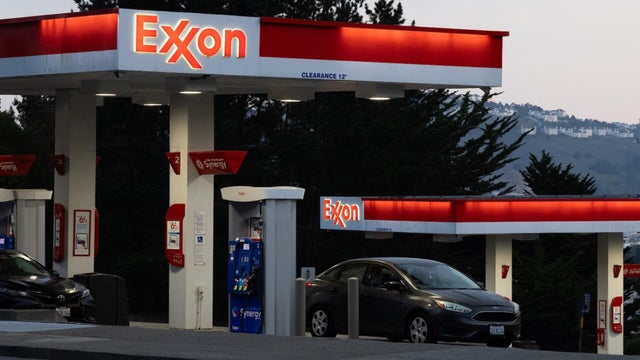
Earnings reports for Exxon Mobil and Chevron showed a decrease in profits during the last fiscal quarter due to Iran war disruptions. Despite the loss on paper, both U.S. oil giants topped Wall Street expectations when it came to revenue for the three month period ending March 31. CBS News business contributor Javier David has more.

The Iran war has reached the 60-day mark, as data shows gas prices setting a concerning record. CBS News' Natalie Brand and Kelly O'Grady report.

Iran delivered a revised response to the latest U.S. amendments on an agreement to end the war, Pakistan officials tell CBS News. Imtiaz Tyab reports.

President Trump is promising that gas prices will drop as the U.S. seeks a resolution in the Iran war. CBS News' Nancy Cordes reports.
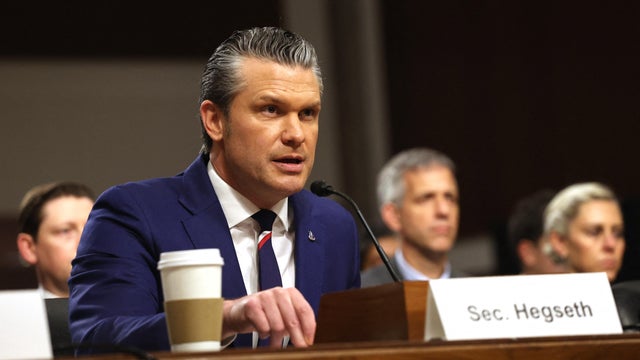
Oil prices hit a 4-year high as Axios reports Trump will hear new options to try to break the Strait of Hormuz standoff with Iran with a new wave of attacks.

President Trump gave his endorsement to the United Arab Emirates' decision to leave the Organization of the Petroleum Exporting Countries, or OPEC, on Wednesday. "The Daily Report" breaks it down.

Brent crude surged past $126 a barrel early Thursday, while U.S. gasoline prices jumped to $4.30 a gallon.

President Trump said again on Thursday that oil and gas prices will drop after the war with Iran is over. But for now, they are back to levels last seen around the start of the war in Ukraine during the Biden administration. Jo Ling Kent reports from Los Angeles.
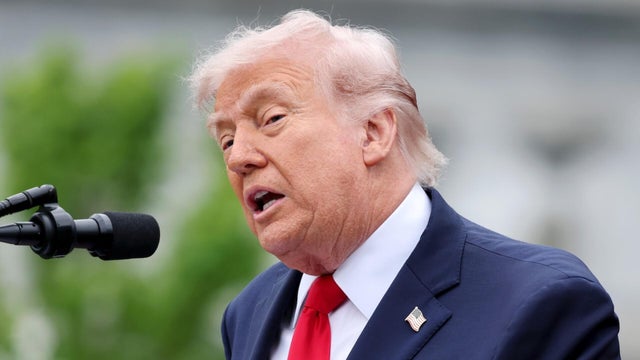
American drivers are paying $1.32 more per gallon than they did before the Iran war. Hopes of a quick end continue to fade as U.S. and Iranian leaders remain defiant. CBS News political reporter Zak Hudak has more on what could come next.

President Trump says Iran's economy is on the brink of collapse as a stalemate plays out in the Strait of Hormuz, driving global oil and gas prices up. CBS News' Nancy Cordes reports.

The waiver lets international ships carry goods between U.S. ports and is aimed at lowering energy prices.

Oil prices continue rising as the Trump administration unenthusiastically mulls an Iranian offer to reopen the Strait of Hormuz but delay nuclear talks.

The average cost of a gallon of gasoline hit $4.18 on Tuesday, up $1.20 since the conflict in the Middle East started on Feb. 28.

UAE officials said the decision to depart the OPEC oil cartel comes after an "extensive review" of the country's oil production policy.

On average, domestic airfare is up about 18% compared to last year. A key factor is the surging fuel costs for airlines amid the war with Iran. Now, several low-cost carriers have asked the government for help as they grapple with the high cost of fuel. Kris Van Cleave spoke with Southwest's CEO about the impact of fuel costs.
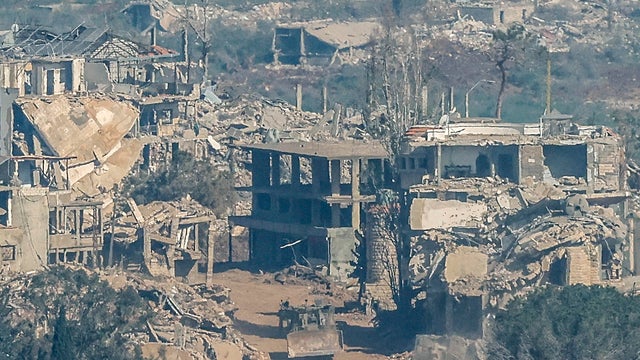
Energy prices keep rising with no sign of progress toward a deal to end the U.S.-Iran standoff and Hezbollah rejecting the Lebanon ceasefire.
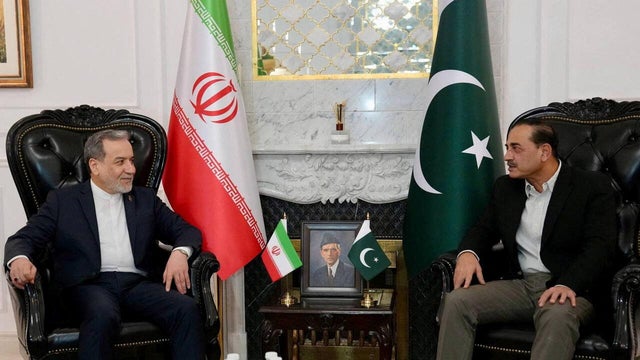
Iranian Foreign Minister Abbas Araghchi returned to Islamabad on Sunday, where he participated in talks focused on ending the war with the U.S., Iranian state media reported.

Airlines worldwide are taking extraordinary measures to keep flying and in business as they face soaring costs, much of it driven by the conflict with Iran. Ian Lee reports from Burbank, California.

Chevron CEO Mike Wirth spoke with "Face the Nation" moderator Margaret Brennan about what he would need to see to feel confident sending a ship through the Strait of Hormuz.
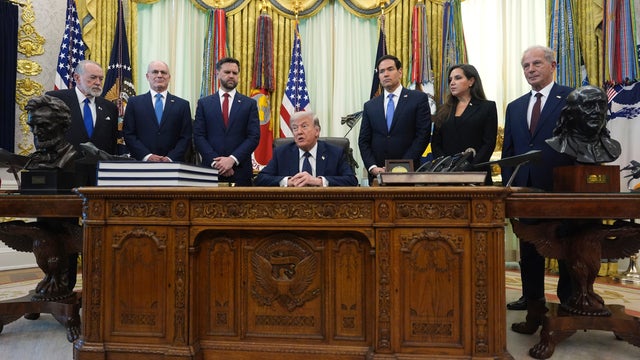
Following a second round of peace talks in Washington, President Trump announced that the Israel-Lebanon ceasefire had been extended by three weeks.