OLIVIA GAZIS:
00:01:05
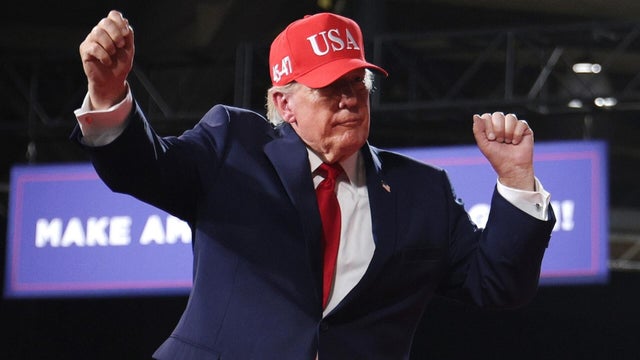
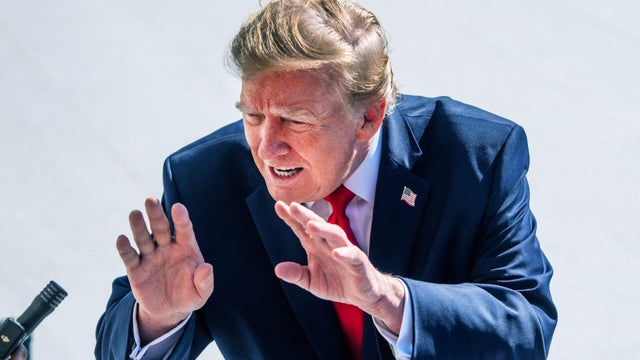
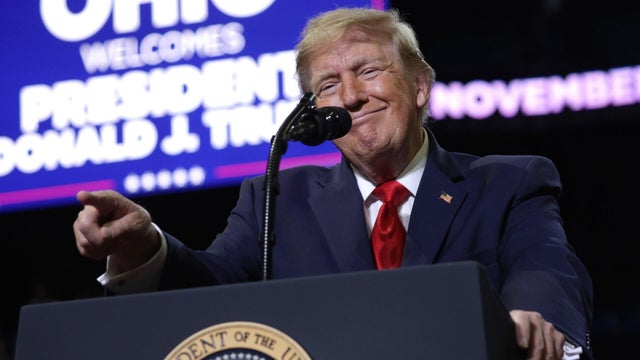
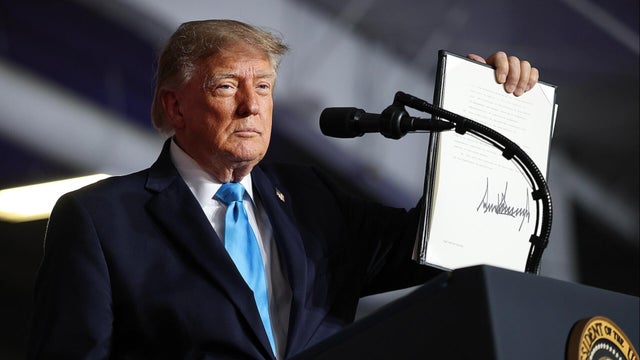
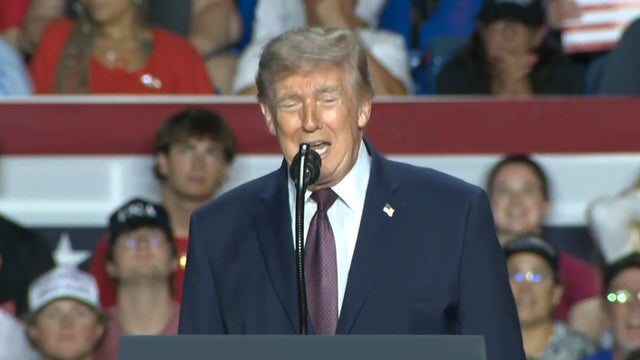
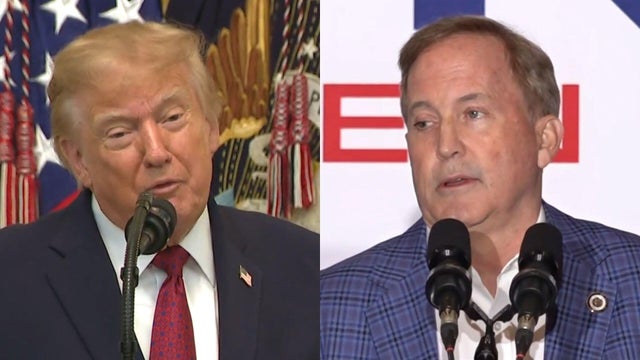
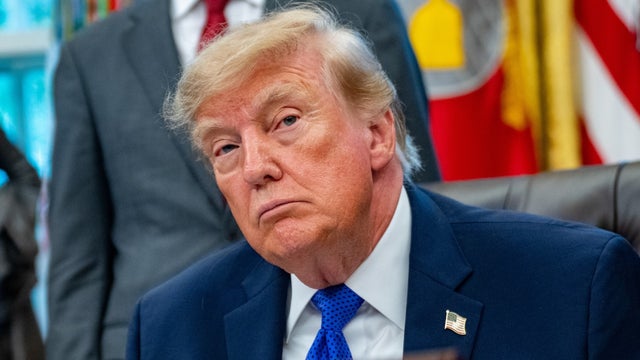
Soon after word emerged Friday of a new Iranian proposal sent through Pakistan, President Trump made clear there's still no deal in sight. We just had a conversation with Iran. Let's see what happens. But I would say that I am not happy. [INTERPOSING VOICES] Their leadership is very disjointed, very argumentative with each other.
OLIVIA GAZIS:
00:01:27
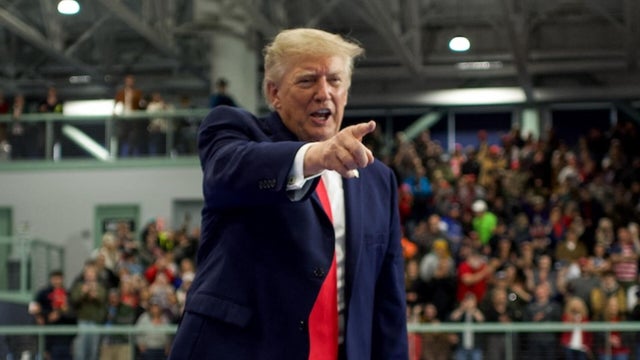
With talks stalled, the president floated a stark alternative, renewed military strikes, even as his administration notified Congress that hostilities were, quote, "terminated." I mean, do we want to go and just blast the hell out of them and finish them forever, or do we want to try and make a deal? I mean, those are the options.
REPORTER:
00:01:48
Do you want to go blast the hell out of him and finish them forever? I'd prefer not. On a human basis, I'd prefer not, but that's the option.
OLIVIA GAZIS:
00:01:55
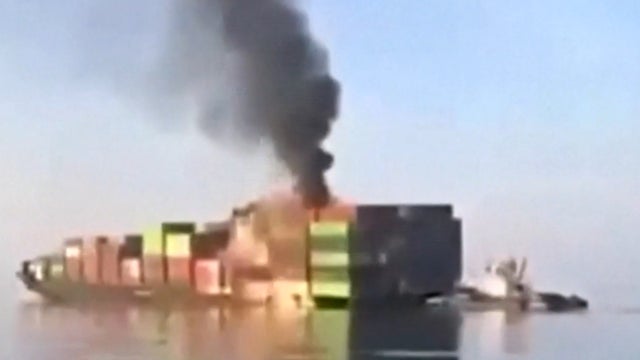
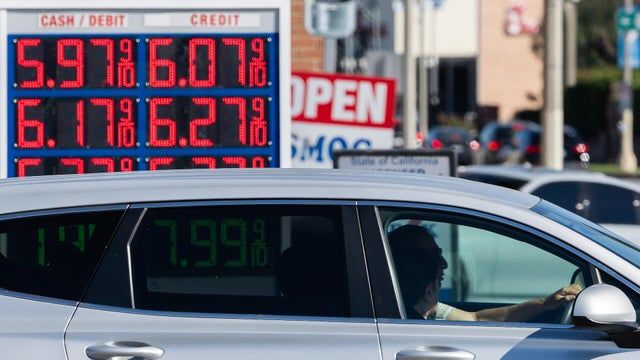
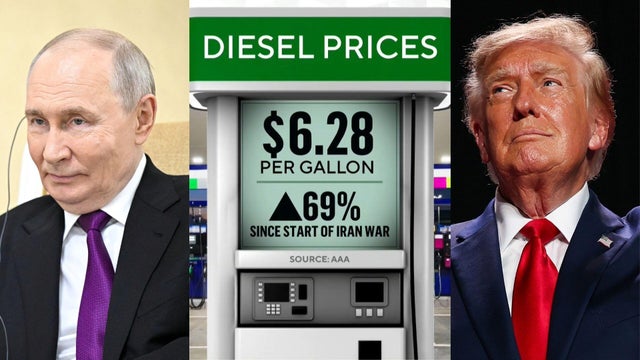
While a deal seems to be out of reach for now, the Strait of Hormuz remains closed, a chokehold for global energy supplies, driving prices higher across the country and around the world. I think it's pinching the pocket of everybody around here, especially all the working class for sure-- anybody, really, for that matter.
OLIVIA GAZIS:
00:02:13
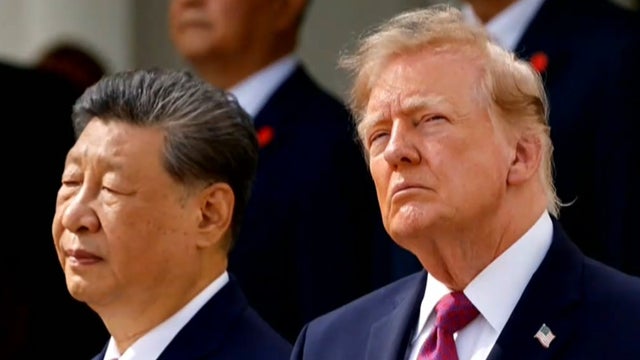
The economic strain is also showing up politically. With gas prices at their highest levels in four years, polling shows support for military action in Iran at historic lows. We're going to get this thing done properly. We're not going to leave early and then have the problem arise in three more years. And the president also following through on prior threats against NATO allies for, as he put it, failing to pull their weight in helping secure the Strait of Hormuz. Yesterday, the US announced it would withdraw 5,000 troops from Germany, whose chancellor said earlier this week that the US had been humiliated by Iranian leadership. Adriana. Olivia, thank you so much.