HPV vaccines slash cervical cancer rates up to 87%, study finds
If more people get HPV vaccines and regular screenings, "cervical cancer will become a rare disease," one of the study's authors says.
Watch CBS News
If more people get HPV vaccines and regular screenings, "cervical cancer will become a rare disease," one of the study's authors says.
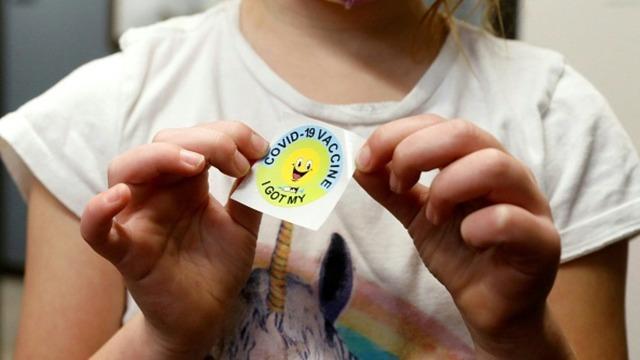
The CDC unanimously recommended Pfizer's low dose COVID-19 vaccine for kids ages 5 to 11. Drugstores like CVS and Walgreens are already setting up appointments, but some parents are hesitant about getting their kids vaccinated. Family medicine physician and CEO of CFP Physicians Group Dr. Adrian Burrowes joins CBSN's Lana Zak to discuss.
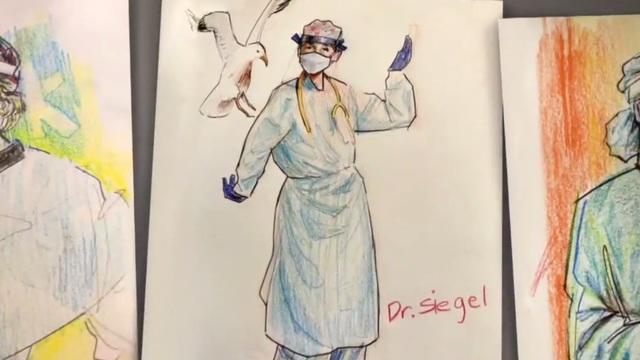
A 17-year-old suffering from the coronavirus-related inflammatory syndrome that’s been plaguing children found an artistic way to get through his treatment. David Vargas sketched his doctors and nurses in full PPE during his hospital stay. Meg Oliver reports.

A remarkable mural has sprung up in San Francisco to honor health care workers fighting the coronavirus pandemic. Its message: How we care shapes who we are. Jamie Yuccas takes a look.

Millions of Americans facing unemployment over pandemic lockdowns are also struggling with the loss of their health care. Many are choosing to abstain from needed medical procedures because they cannot afford them without insurance. Anna Werner explains what Americans looking for other ways to get insured can do and speaks to Senator Mark Warner about lawmakers' efforts to help.
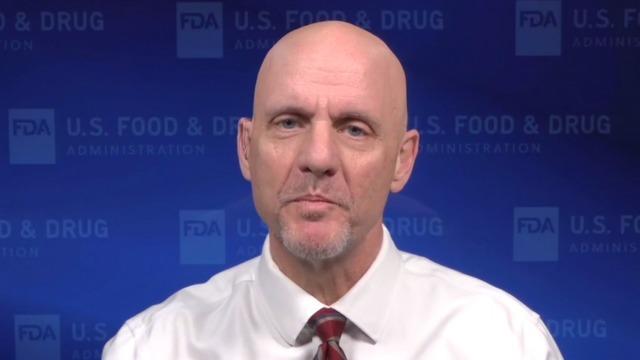
New COVID-19 testing revealed that the first coronavirus fatality happened at least three weeks earlier than the reported Washington state death on February 29. Though the current U.S. death toll is over 45,000, the actual number is feared to be much higher because of a shortage of testing kits. Soon, first responders and health care workers will receive the first FDA authorized at-home test. FDA commissioner Dr. Stephen Hahn joins "CBS This Morning" to discuss the test.

As the coronavirus outbreak spread throughout New York City's hospitals, 47-year-old Bevin Strickland, of High Point, North Carolina, got up off her couch and put herself on the frontlines to help. Steve Hartman talked with a woman who is no ordinary hero.

United Airlines pilot Jim Crail, who is married to a nurse, fought back emotions when he learned some of the passengers set to be on his flight were medical workers volunteering to help the coronavirus crisis in New York. A social media video shows Crail asking people at the airport to applaud the professionals. Kris Van Cleave reports on the touching moment, and on several carriers offering free flights to medical personnel.
Nearly 9,300 health care workers have been infected by the coronavirus as of last week, according to a new CDC study. At least 27 have died. Also hard-hit is a pork processing plant in South Dakota, where nearly 440 employees of the now-closed facility have tested positive, along with over 100 people they have come in contact with. Despite the state's rising cases, Governor Kristi Noem has not ordered people living in the hardest-hit counties to stay at home. David Begnaud provides an update on how the rest of the country is battling the pandemic.

Defense Secretary Mark Esper joins "CBS This Morning" to discuss the military's role in aiding the country through the coronavirus pandemic. In addition to health care workers, service members are on the front lines providing support to overwhelmed hospitals. Esper also reacts to the fallout from the recent firing of Navy aircraft carrier Captain Brett Crozier, who sent a letter that was later leaked about the severity of the virus threat on his ship.

PPE shortages have been blamed for the deaths of health care workers and have led to protests across the country as the coronavirus pandemic continues to infect thousands. California said it was frustrated with the federal response to the shortage in personal protective equipment, and recently signed its own agreement to buy the valuable equipment for its health care workers on the front lines. Dr. Jon LaPook examines the PPE supply chain and speaks to a former health official about what the country should do.
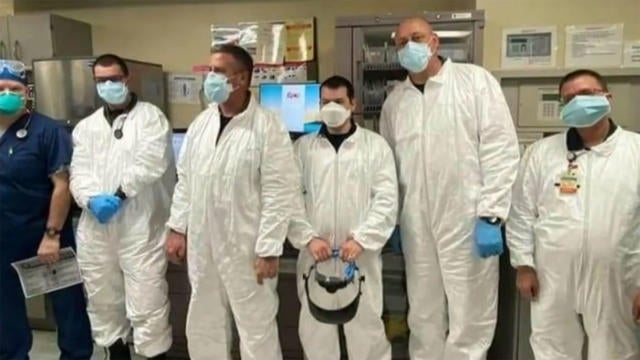
As hard-hit New York begins to show signs of a flattening virus curve, other hotspots around the country are seeing COVID-19 cases skyrocket. Illinois saw their confirmed cases rise by 1,000 in just a single day, while Michigan's largest hospital system reported 1,500 workers showing coronavirus symptoms. Meanwhile, hospital workers say they are being warned not to speak to the media about their hazardous work conditions. David Begnaud reports on the developing outbreaks from New York.

Megan Pfeiffer, a veteran paramedic, shared a video diary of what she calls "battlefield triage" at the country's epicenter in New York City.
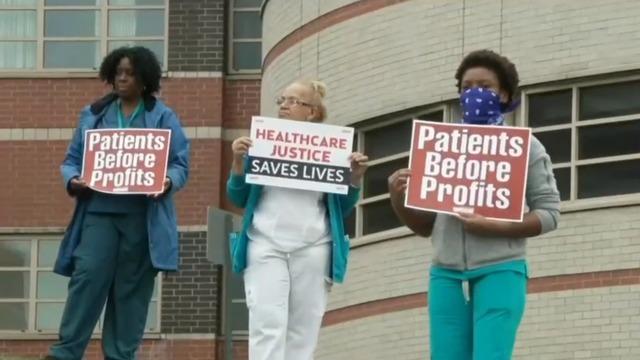
On this National Doctors' Day, there are urgent calls for help from doctors and nurses. Hundreds have caught the virus while treating patients. President Trump said on Monday that he's considering hazard pay for health care workers. Jonathan Vigliotti reports.

An increase in requests for drugs that could help treat coronavirus has led to a shortage for others who normally rely on the medications. Those with the autoimmune disease Lupus have been hit particularly hard. Carter Evans reports.
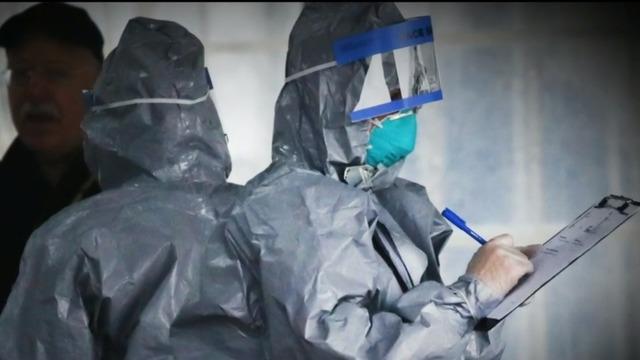
The Pentagon is distributing one million masks and 2,000 ventilators to healthcare workers fighting the spread of coronavirus. President Trump has also called on all hospitals and dentists to delay elective procedures for the time being. Dr. Tara Narula reports.
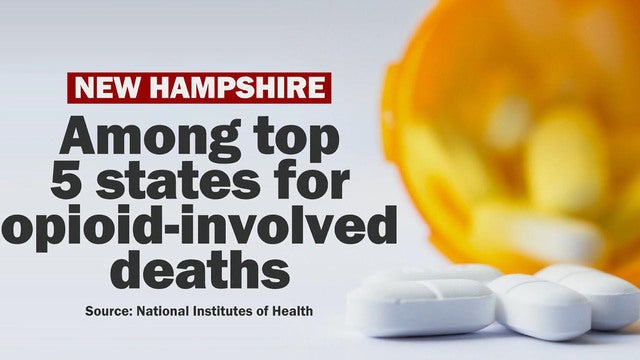
CBSN's Elaine Quijano sits down with UNH political science professor Dante Scala and Politico reporter Trent Spiner to discuss the issues most important to New Hampshire primary voters. Health care, especially the opioid epidemic, and climate change are among voters' top priorities.

Some public health professionals say America has a broken relationship with COVID math. Leslie Bienen, who co-authored a recent article that offers insight into how the country can improve the reporting of pandemic-related numbers and a faculty member at OHSU Portland State School of Public Health, joins CBSN to discuss.

Some nursing students opposed to receiving a COVID-19 vaccine are now putting their careers at risk amid vaccine mandates imposed on health care workers. Michelle Andrews, a contributing writer for Kaiser Health News, joins CBSN with more on how college nursing programs are handling the uncertainty.

House Democrats delayed a vote on the bipartisan infrastructure deal for a second time, as progressive and moderate Democrats continue negotiating the larger bill. That multi-trillion dollar proposal focuses on addressing climate change and several social programs. Jennifer Shutt, budget and appropriations reporter for CQ Roll Call, joined CBSN with the latest on Capitol Hill.

Fort McCoy officials said Afghan refugees now have ample access to clothing, English classes and health care at the base after reports that there was not enough food and clothing when evacuees first arrived. Nancy Chen reports.

The World Health Organization and Red Cross are warning of dire health and humanitarian crises unfolding in Afghanistan as the country deals with declining financial assistance. It comes as the U.S. marks one month since pulling troops out of Afghanistan. CBS News foreign correspondent Imtiaz Tyab joined CBSN to discuss.

The CDC is predicting deaths from COVID-19 will likely decrease in the coming weeks. It comes as Pfizer and BioNTech submits their data to the FDA on a pediatric COVID-19 vaccine. Dr. Adam Brown, an emergency physician and the COVID national task force chair at Envision Healthcare, joined CBSN's Lana Zak to discuss the rest of the day's COVID-19 headlines.

Cox Medical Center Branson said that workplace assaults have tripled in the past year.

About 16% of the state's health care workers are not fully vaccinated.