Here's what's keeping Minnesota mosquitoes under control for now
Dry conditions have prevented many of the floodwater mosquitoes that typically dominate Minnesota summers from hatching.
Watch CBS News
Dry conditions have prevented many of the floodwater mosquitoes that typically dominate Minnesota summers from hatching.
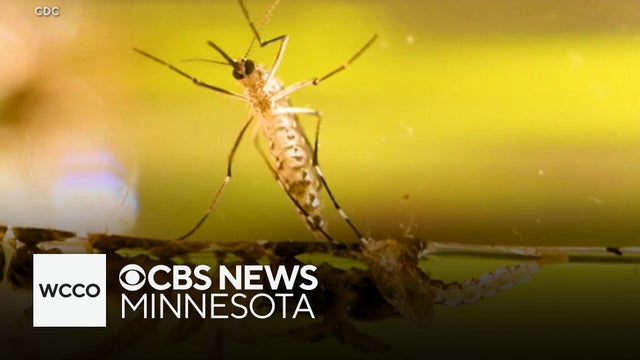
If you've noticed fewer mosquitoes so far this year, you're not imagining it. Dry weather conditions have kept populations down across the Twin Cities.
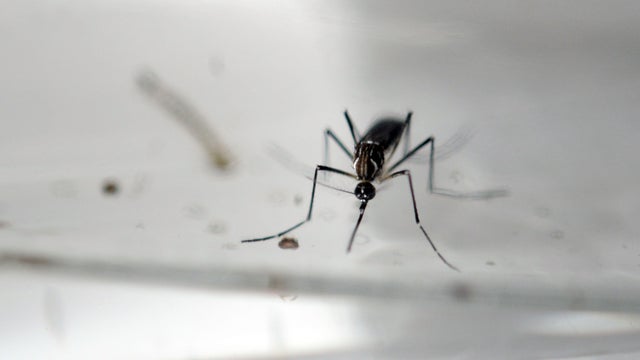
The number of human-biting mosquitoes in and around the Twin Cities metro was low, according to surveillance done by the Metropolitan Mosquito Control District on Wednesday.
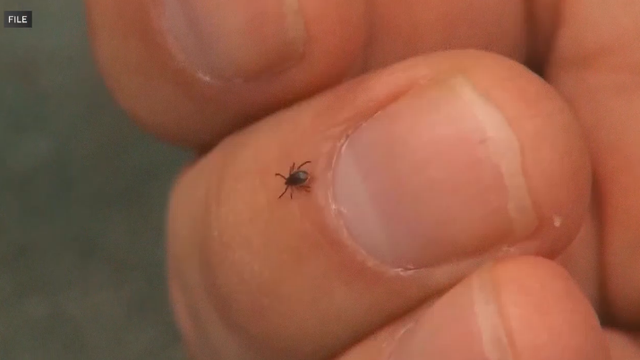
Tick season appears to be off to a fast start across the country, with the Centers for Disease Control and Prevention reporting nearly 100 ER visits for bites in April. That's the most for April since 2017.
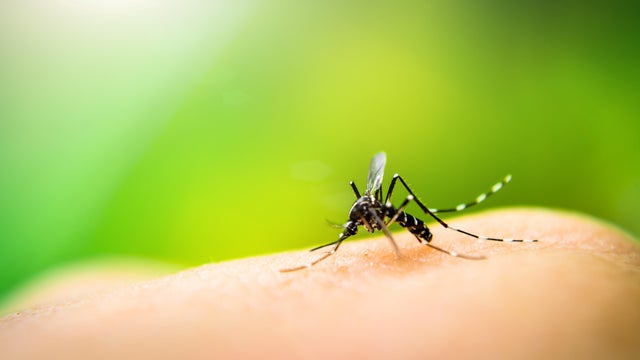
The Metropolitan Mosquito Control District released its latest forecast for the mosquito season, predicting a slow start before a spike in early July.
The Metropolitan Mosquito Control District released its latest forecast for the mosquito season. Ashley Grams shares their predictions
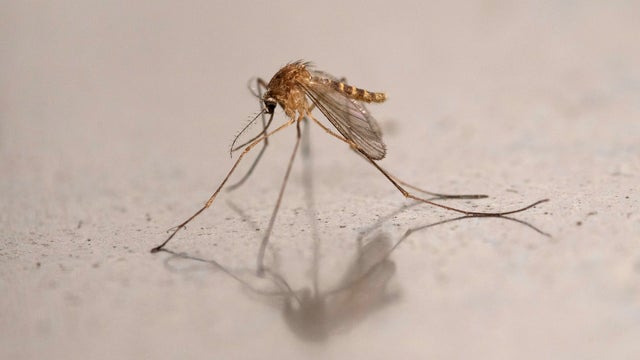
The Metropolitan Mosquito Control District said there were 47 human cases of West Nile in the Twin Cities last year, much greater than the previous high of 28.

A 37-year-old Montevideo, Minnesota, woman is speaking out about her life-changing experience with West Nile virus amid a rise in reported cases.
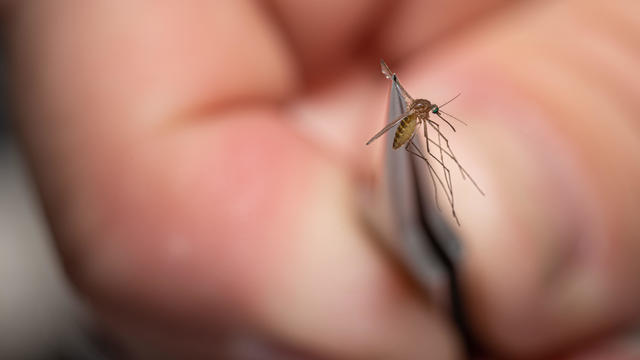
Health leaders are urging Minnesotans to get proactive in preventing the West Nile virus and other mosquito-borne illnesses as summer winds down.
The Wisconsin Department of Health Services reported the case on Monday, though details about the resident's condition weren't released.
Officials say West Nile virus is surging earlier than usual in mosquito populations in the Twin Cities metro.
The University of Minnesota's Raptor Center says a record number of birds are being brought in for injuries. John Lauritsen explains the reasons why and what people can do to help.
On Thursday, the Metropolitan Mosquito Control District said they found mosquitoes in Anoka and Carver counties with West Nile virus.
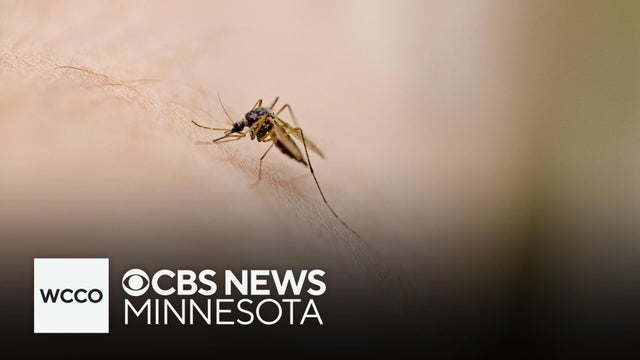
On Thursday, the Metropolitan Mosquito Control District said they found mosquitoes in Anoka and Carver counties with West Nile virus. Frankie McLister talks with a health expert about what you need to know.
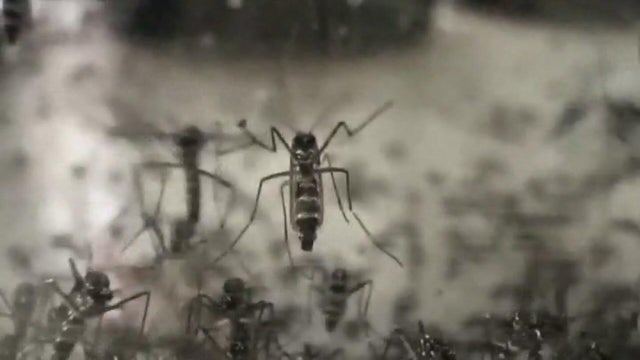
As Minnesotans prepare for backyard barbeques, an uninvited guest is making a strong comeback: mosquitoes.

From boating to grilling, the warmer weather brings many of our favorite outdoor activities. But there can be a pesky side to spring.

The warmer weather brings many of our favorite outdoor activities, but there can be a pesky side to spring.
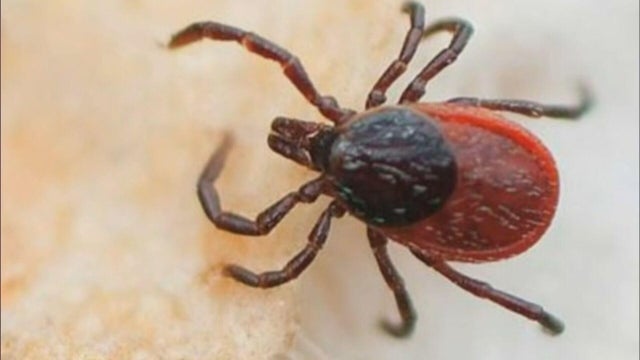
While early predictions have warned of a potential surge in mosquito numbers this summer, some are sounding the alarm on a different bloodsucker – ticks are back in business in parts of Minnesota.
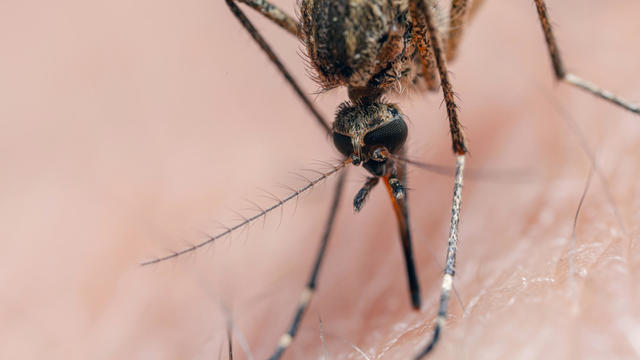
Crews are now out with a new tool to help keep Minnesota's mosquitoes at bay before the season peaks this summer.
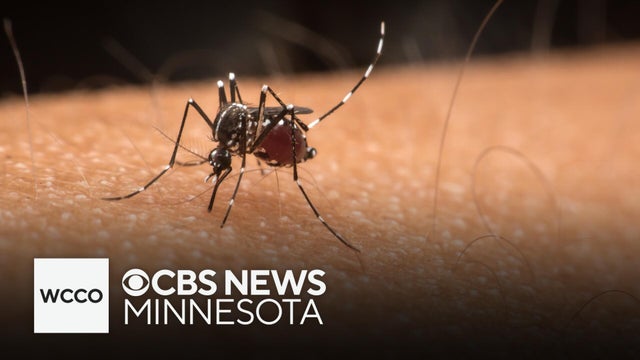
It's only mid-April, but crews are hoping to head off a summer surge in mosquitoes. For the first time this season, teams took to the skies today to combat the bloodthirsty bugs. WCCO's Jason Rantala explains what they've added to their aerial arsenal.
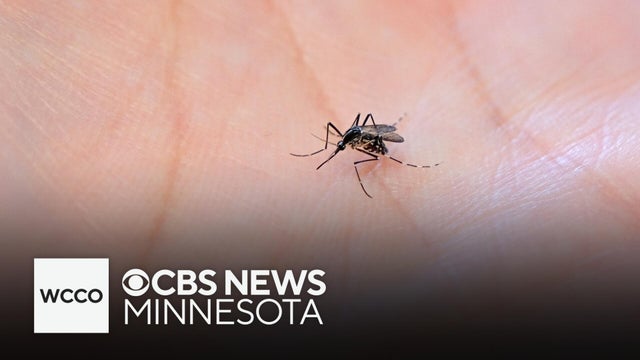
The madness of March may be over, but the mosquito madness is just beginning.
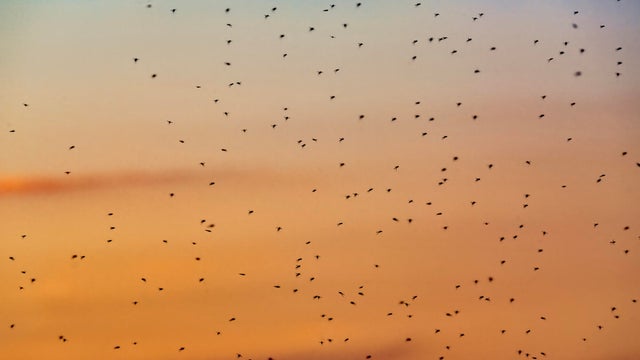
Mosquitoes in Minnesota — a classic yet annoying staple of the state's warm season — may not yet be top of mind for most. Experts, however, are already predicting they could be unavoidable this summer.
Minnesota Department of Health epidemiologist supervisor Elizabeth Schiffman says mosquito-borne diseases peak at the end of summer into early fall.

Summer may be winding down, but don't put away the bug spray just yet. Mosquito-borne diseases are common and this year there is something new. An infection known as "Triple E" is being reported in at least five states, including in Wisconsin. Veronica from Rogers emailed us and wanted to know, how concerned should we be?
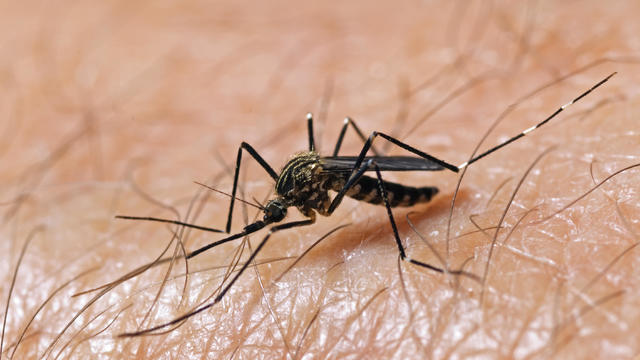
The West Nile virus is transmitted by mosquitoes and late summer is when cases peak.