Voices of the civil rights movement
To mark Martin Luther King Jr's birthday, "Sunday Morning" talks with some of those who were engaged from the very beginning of the civil rights movement, from sit-ins and marches to the Supreme Court.
Watch CBS News
To mark Martin Luther King Jr's birthday, "Sunday Morning" talks with some of those who were engaged from the very beginning of the civil rights movement, from sit-ins and marches to the Supreme Court.
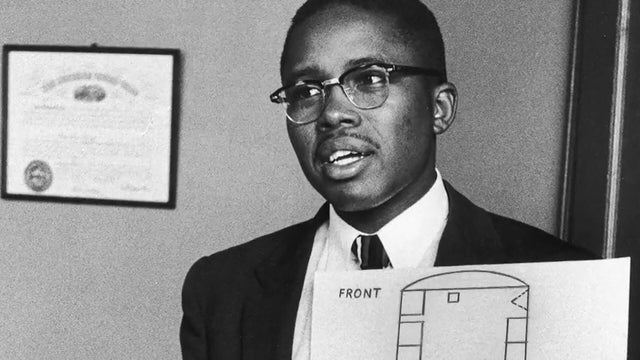
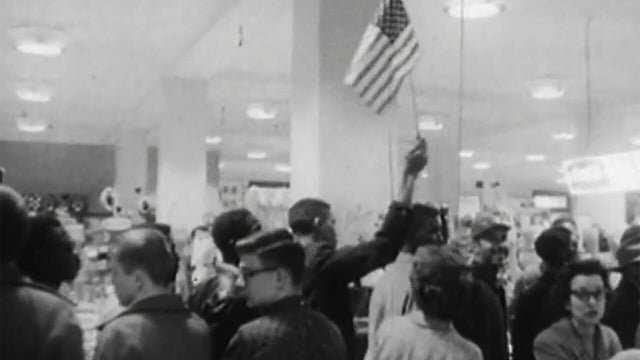
As we mark Martin Luther King Jr's birthday, Martha Teichner talks with some of those who were engaged from the very beginning of the civil rights movement: Arthenia Joyner, who was a Black high school student who took part in a sit-in at a Whites-only lunch counter in Tampa, Fla.; Jawana Jackson, who as a child participated with her mother in the Selma-to-Montgomery march in the wake of "Bloody Sunday"; and attorney Fred Gray, who won four civil rights cases before the Supreme Court by the age of 35.
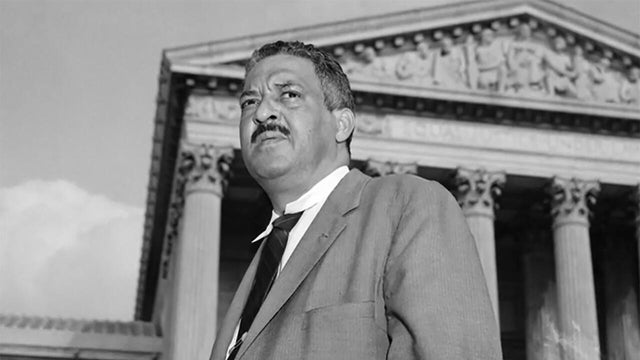
In December 1953, attorney Thurgood Marshall argued before the Supreme Court against racial segregation, leading to a landmark court ruling.
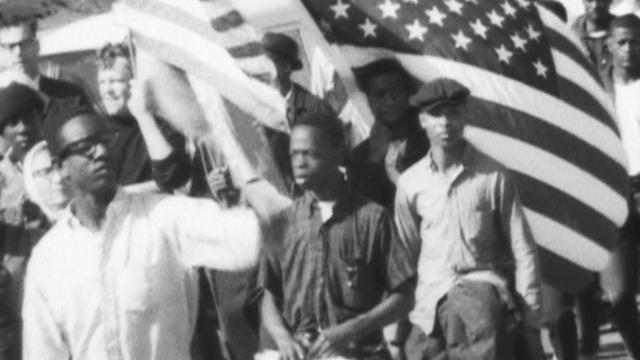
On July 2, 1964, President Johnson signed into law the Civil Rights Act, ending our nation's apartheid. Mark Updegrove, president & CEO of the LBJ Foundation, looks back on a watershed moment in American democracy when segregation was finally made illegal.
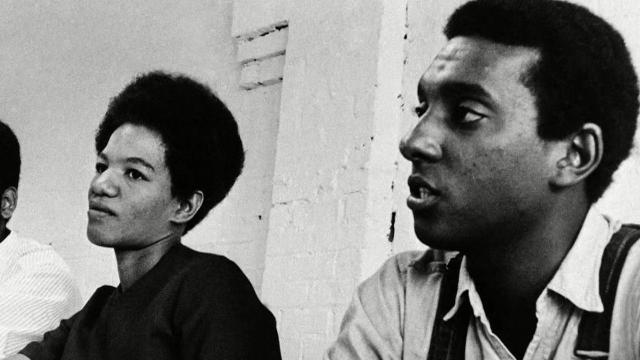
The author of "Saying It Loud: 1966-The Year Black Power Challenged the Civil Rights Movement" examines the birth of Black Power, and the lessons (and warnings) for today's activists.
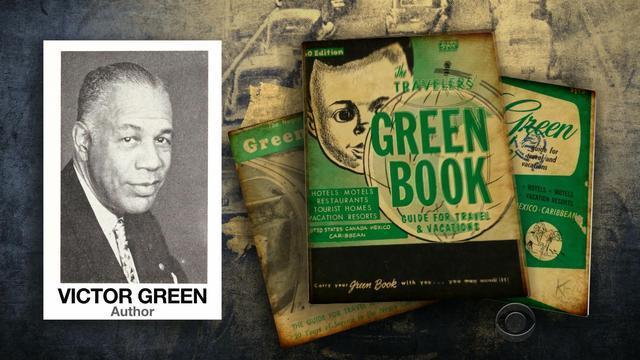
For much of the 20th century, African Americans were routinely refused service at many businesses. Victor Green, a New York City postal worker, created a travel guide called the "The Negro Motorist Green Book" that listed establishments that would not turn them away, reports Mark Strassmann.
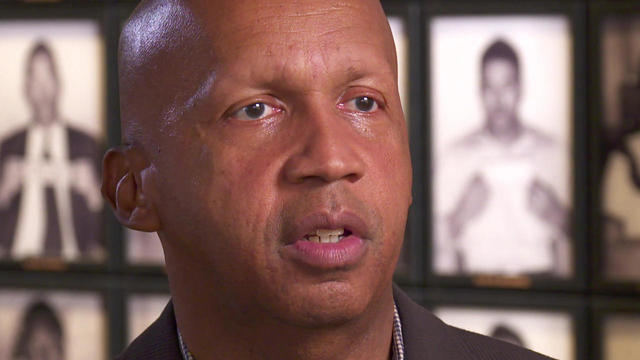
The attorney who helped save 145 wrongly-convicted prisoners from execution talks about his latest project: The Legacy Museum in Montgomery, Ala., educating Americans about the history of slavery and racial violence as a first step in healing.
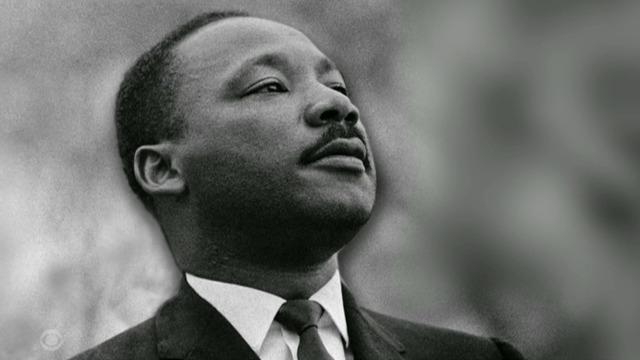
It was 57 years ago that Martin Luther King Jr. led a massive crowd from Selma to Montgomery as they marched for voting rights. At the end of the march, he delivered a powerful speech on the steps of the state Capitol in Montgomery, Alabama.
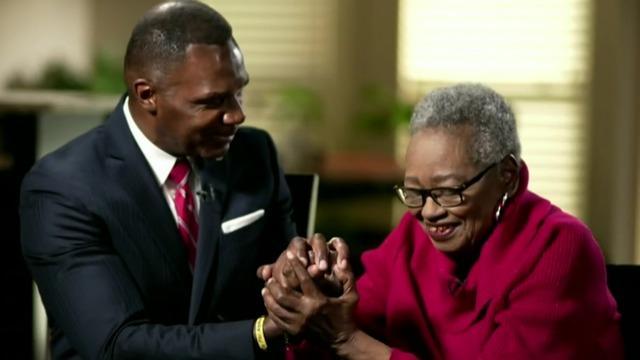
In 1955, Claudette Colvin was arrested in Alabama for refusing to give up her seat on a bus to a White woman. That incident happened nine months before Rosa Parks. "History had me glued to the seat," Colvin says. David Begnaud joins CBSN AM with more about a new development in her story.
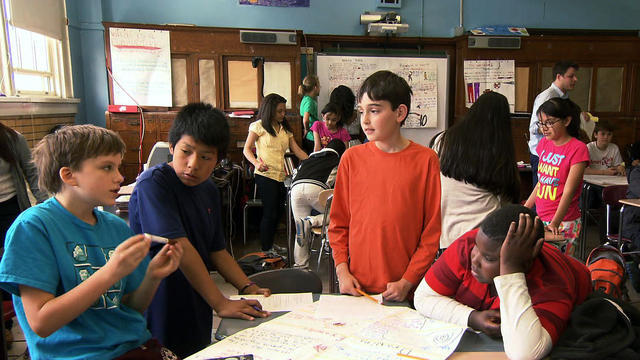
Studies show that even though 60 years have passed since the Supreme Court’s landmark Brown v Board of Education decision, segregation remains widespread in the U.S. One school in New York is trying to buck that trend. Elaine Quijano reports.
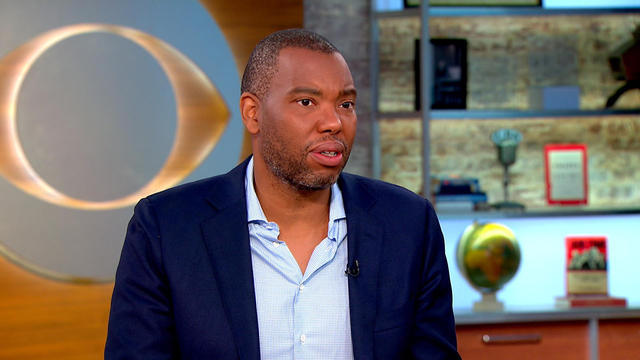
Barack Obama officially became America's first black president in January 2009 at his inauguration. Afterward, the Atlantic's Ta-Nehisi Coates rose to prominence, earning a reputation as one of America's best writers on race. He won awards for his essays, "Fear of a Black President" and "The Case for Reparations." His book, "Between the World and Me," won the National Book Award for nonfiction. Coates joins "CBS This Morning" to discuss his new book, "We Were Eight Years in Power: An American Tragedy."
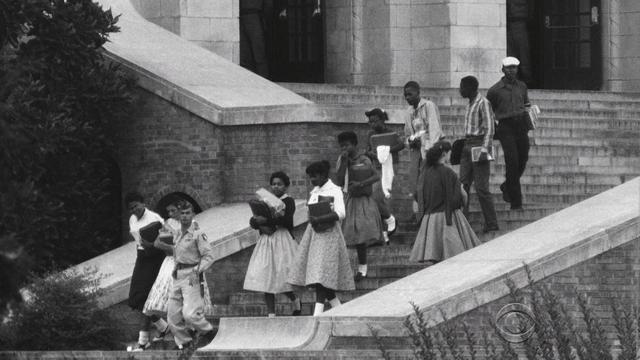
It was 60 years ago Monday that nine African American children entered an all-white high school in Little Rock - after the Supreme Court declared separate schools for blacks and whites unconstitutional. The eight survivors recalled that milestone in civil rights history, and said the battle is not over. Jericka Duncan reports.
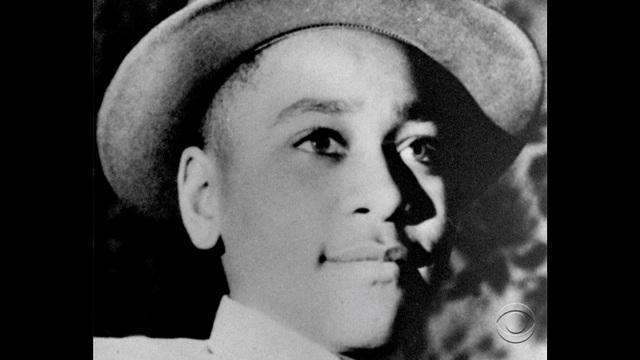
In 1955 Mississippi, a white woman claimed Emmett Till, 14 and black, whistled at her. That led to Till's lynching and death, which sparked the Civil Rights Movement. As Jim Axelrod reports, a new book says the woman changed her story.
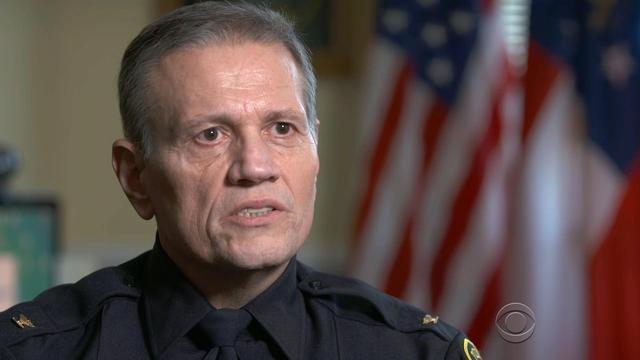
The LaGrange, Georgia, police chief researched the 1940 launching of a local black teenager and decided he needed to apologize for his department's actions back then. In the Jim Crow South, police looked the other way. David Begnaud reports.
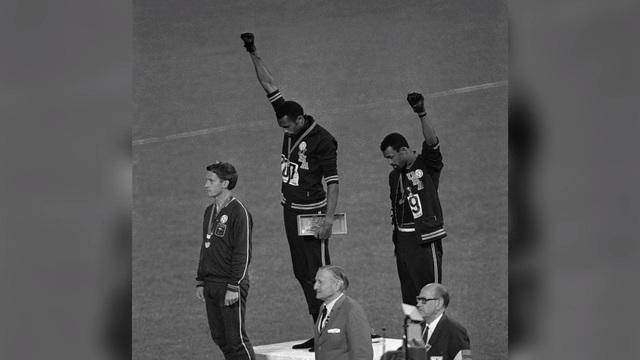
American sprinters Tommie Smith and John Carlos raised their black-gloved fists in protest at the 1968 Olympics while standing on the medal podium for the national anthem. Afterward, they were banished from the Olympic community. But on Thursday, President Obama welcomed the Olympians back, reports Margaret Brennan.
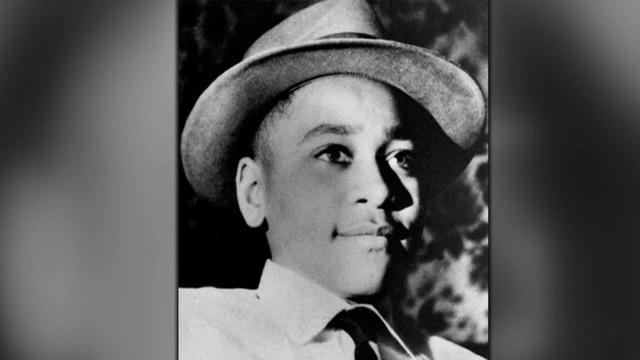
The Smithsonian's Museum of African American History and Culture in Washington, D.C., is now open to the public. One of the museum's most-anticipated exhibits is a casket that carried the body of Emmett Till 61 years ago. It's so sacred visitors are not allowed to take videos or pictures. Michelle Miller reports on the story behind the casket.
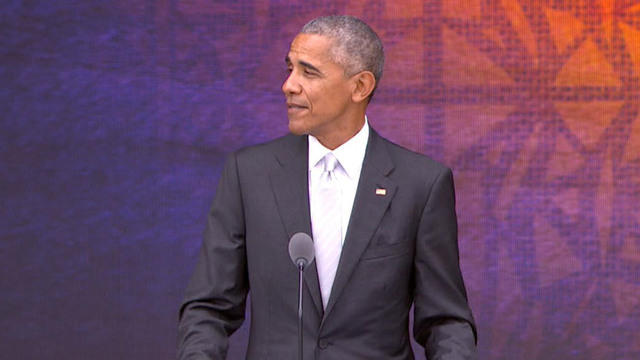
The Smithsonian's National Museum of African American History and Culture opened Saturday to the public. The opening ceremony for the museum, located on the National Mall in Washington, D.C., was punctuated by plenty of powerful moments. Gayle King reports.
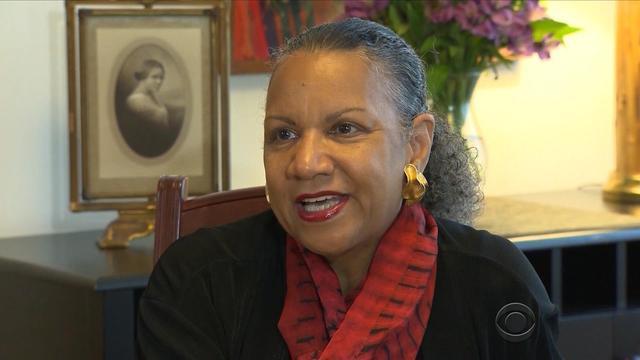
A woman from Washington, D.C., gave the Smithsonian's new National Museum of African American History and Culture treasured family heirlooms linked to one of the first African-American business moguls. Marlie Hall reports.
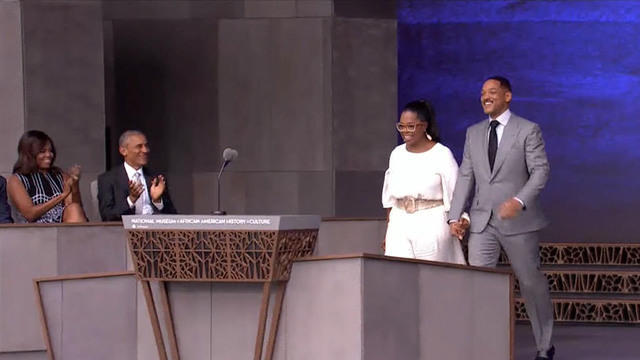
It was a historic day in Washington - the grand opening of the Smithsonian's National Museum of African American History and Culture. Congressman John Lewis, a veteran of the civil rights struggles, said, "This place is more than a building - it's a dream come true." The $540 million museum took more than four years to build. It sits near the Washington Monument. Marlie Hall reports.
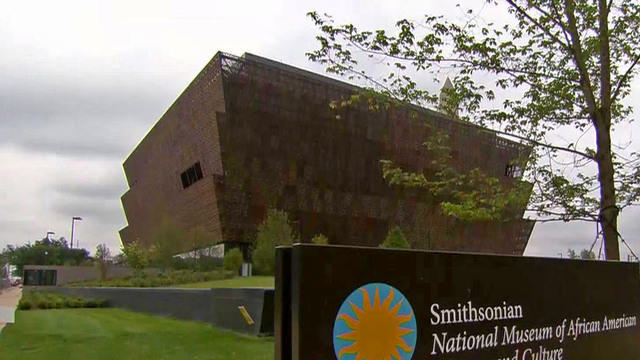
The Smithsonian's National Museum of African American History and Culture officially opens Saturday. President Obama will dedicate the museum in a ceremony in the morning, joined by tens of thousands of people. Marlie Hall gives an early look inside the museum, which was first conceived by black Civil War veterans more than a hundred years ago.
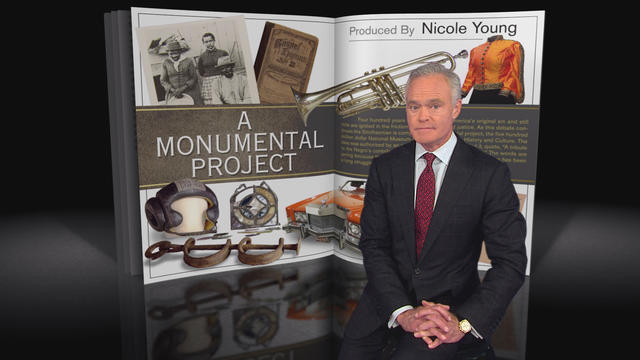
In May 2015, 60 Minutes got a first look at the museum dedicated to African-American history and culture. This weekend, it finally opens in Washington
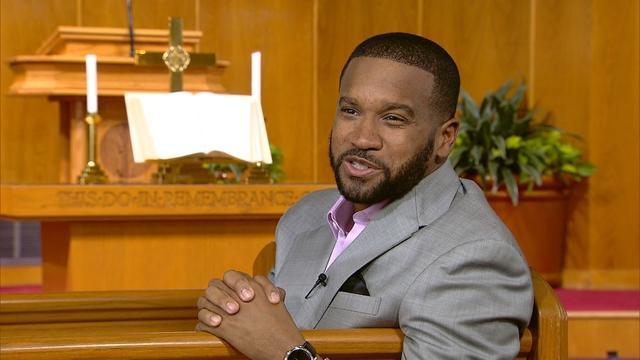
Alfred Street Baptist Church in Alexandria, Virginia, is a founding donor for the Smithsonian's new National Museum of African American History and Culture, committing $1 million in donations to the museum. The senior pastor, Rev. Dr. Howard-John Wesley, tells CBS News about the church's donor base and why the members wanted to get involved in the historic project.
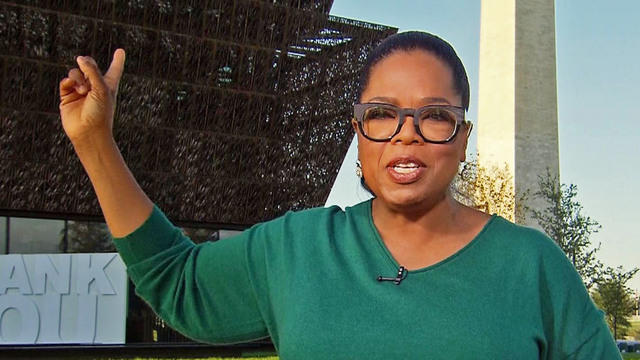
One of earliest supporters for the Smithsonian's National Museum of African American History and Culture was Oprah Winfrey, who donated more than $20 million and is a member of its council. Winfrey joins "CBS This Morning" to share her emotional visit to the museum, and what she hopes visitors will take away.

Rep. John Lewis describes the pace of progress and his experiences fighting racial inequality
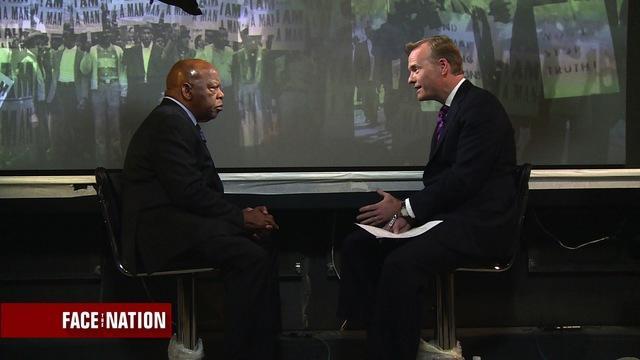
Saturday marks the official opening of the new Smithsonian Museum of African American History and Culture. CBS' "Face the Nation" visited the museum with a man who spent 15 years working on its establishment, Rep. John Lewis, D-Georgia.