Pentagon inspector general says Iran war has caused weapons shortages
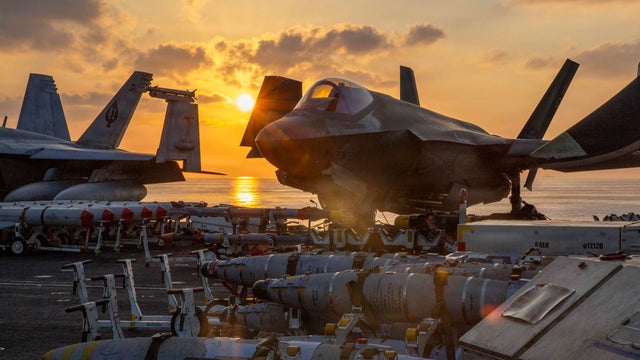
The first-of-its-kind report acknowledges the military's munition shortfall and details some of the losses of American assets so far as part of Operation Epic Fury.
Watch CBS News
The first-of-its-kind report acknowledges the military's munition shortfall and details some of the losses of American assets so far as part of Operation Epic Fury.
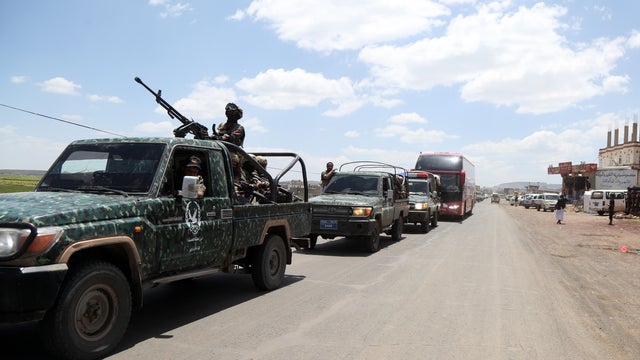
An attack on a Saudi Arabian pipeline and a simmering war between the Saudis and Iran's Houthi allies in Yemen are pushing oil prices up.
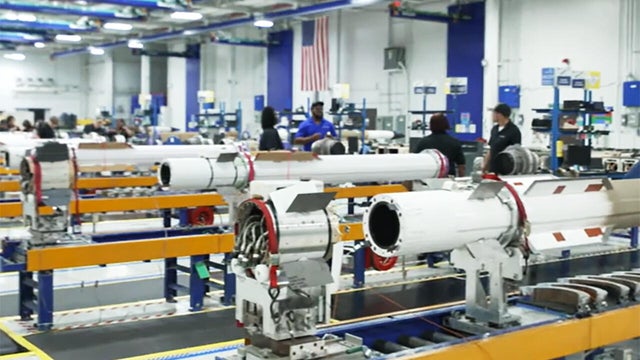
In the early days of the war against Iran, the U.S. fired off thousands of long-range, precision-guided missiles. Now, with a depleted arsenal, the Pentagon seeks to replenish its stockpiles, an effort that will cost billions and take years.

Saudi Crown Prince Mohammed bin Salman has personally pressed President Trump to take military action against the Iran-backed Houthis, sources tell CBS News.
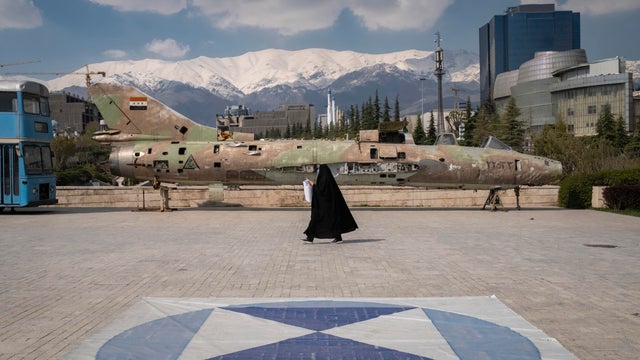
U.S. jets were hit by Iranian missiles while parked at a base in Jordan, sources tell CBS News, while Trump said the war will end "immediately" after midterms.
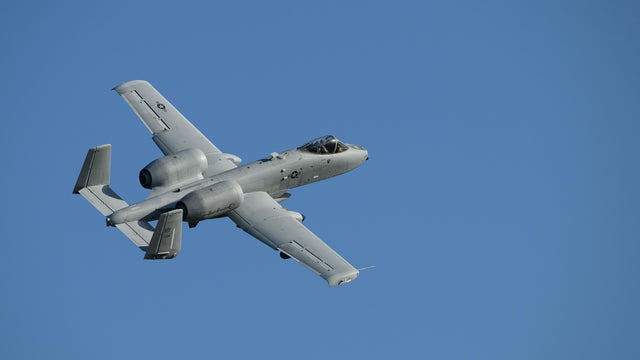
One A-10 Thunderbolt, an attack aircraft known as the Warthog, was struck and lost a wing, according to sources.
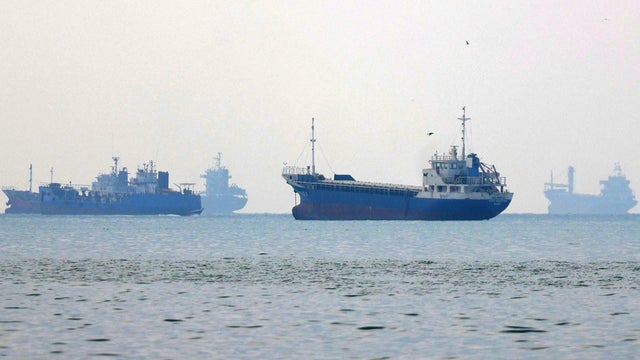
Oil prices are rising steadily with no end in sight to the U.S.-Iran standoff impeding tanker traffic in the Strait of Hormuz.
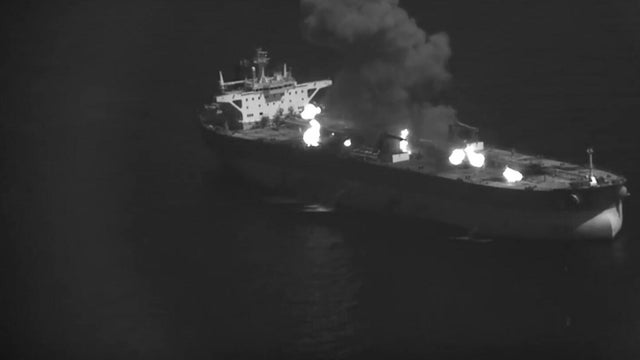
Iran on Sunday threatened a "more painful" response to U.S. strikes on three Iranian oil tankers.

Iran responded to a warning from President Trump with claims of new strikes against U.S. forces in Kuwait and the United Arab Emirates.
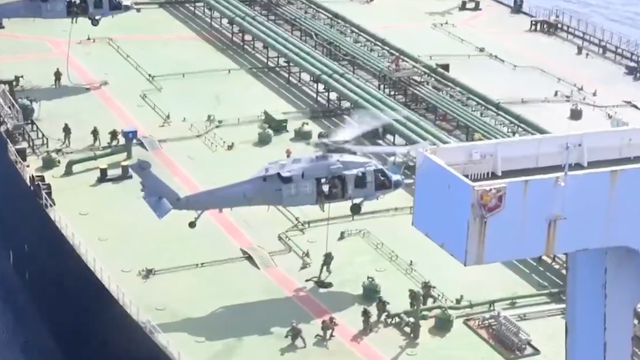
The Justice Department is planning to try to use a legal regime last used during the Spanish-American War to speed up the seizure of ships and their cargo during the Iran conflict.
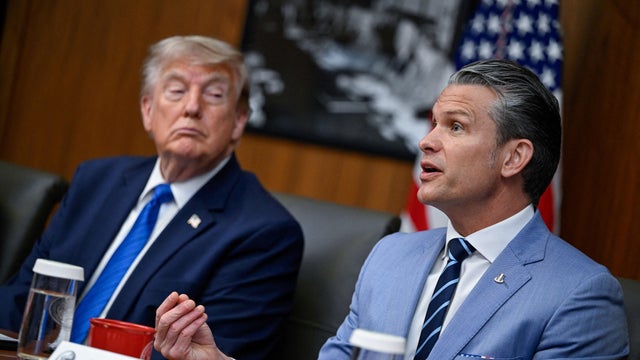
The Pentagon says "Operation Epic Fury" ended on May 5, after an Air Force email last month told service members to stop using the name for ongoing Iran operations.
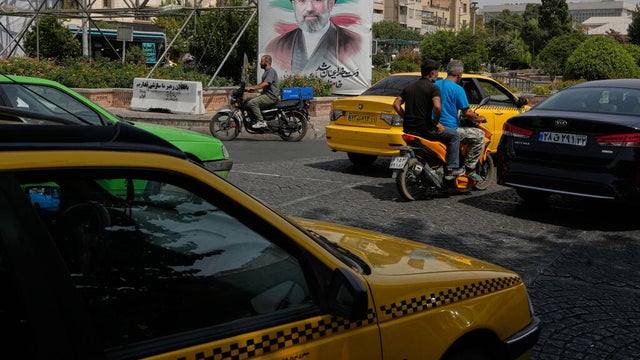
U.S. forces announced new strikes against targets linked to Iran's Revolutionary Guard, marking another round of attacks as the U.S. and Iran return to hostilities.
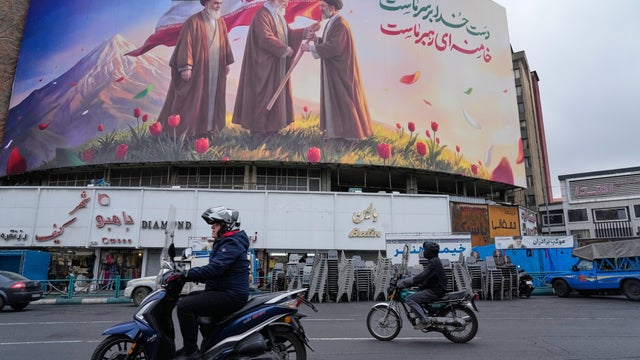
As the war passes the six-month mark, neither side showed any sign of backing down.
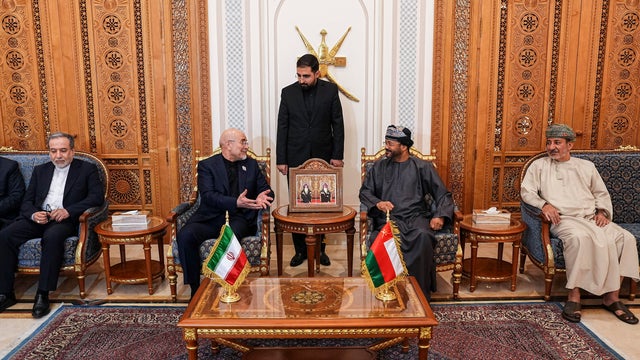
As U.S. economic pressure bites, Iran touts a plan with Oman to get ships moving through the Strait of Hormuz and suggests the next move is Trump's.

Iran's economy minister said the country has been preparing for a long time for the sanctions U.S. Treasury Secretary Scott Bessent described as the "greatest financial offensive" ever.
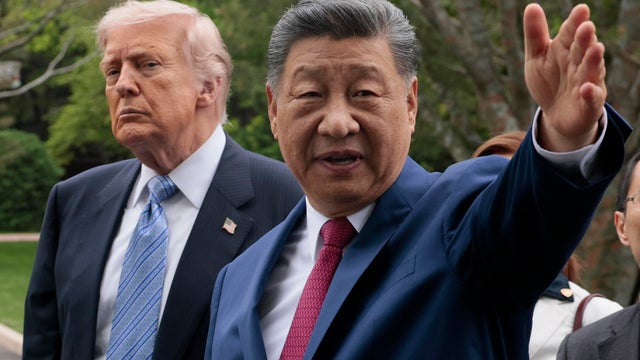
Analysts say without meaningful sanctions against China, Iran will likely survive this latest round of financial punishment.

The Trump administration is trying to pull all economic levers at its disposal to cripple Tehran.
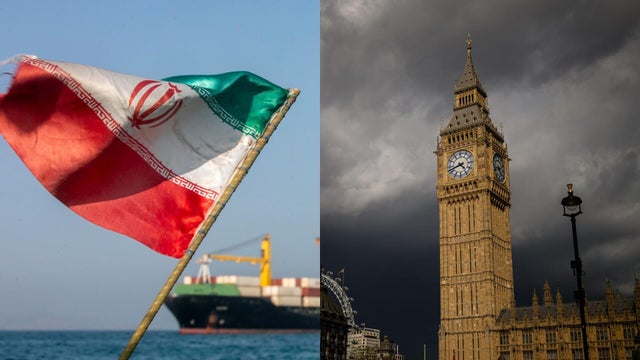
The attack happened the same month Iranian-linked hackers are believed to have targeted the water systems of a dozen U.S. states.
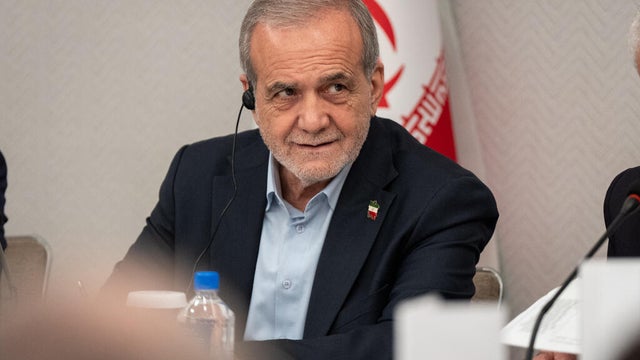
The new head of Iran's supreme national security council issued the warning to countries who join the U.S.'s economic war on Tehran.

The effectiveness of a bolstered economic campaign against Iran may rest largely on one close U.S. ally in the Persian Gulf, the United Arab Emirates.
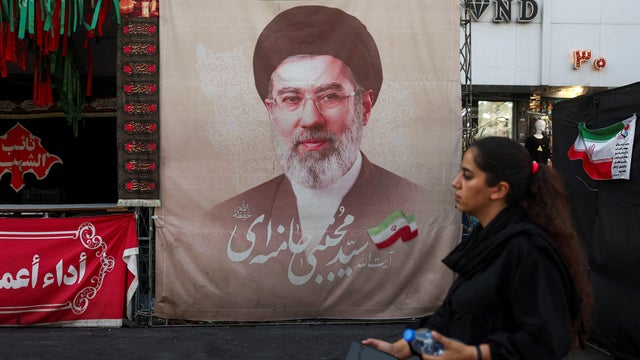
Iranians could soon face up to two years in prison for daring to communicate in any way with a foreign news outlet, embassy or institution.
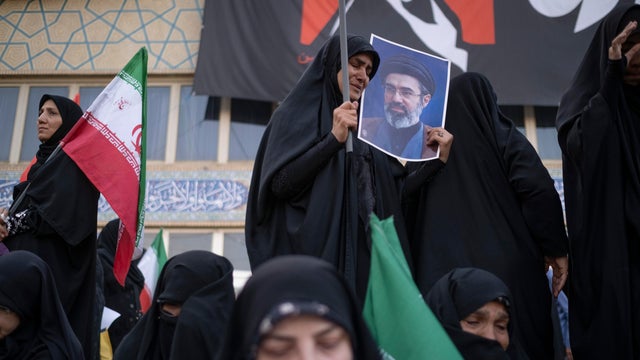
Iran has shrugged off President Trump's threat to hit the Islamic Republic with an "economic D-Day" as a "doubling down on failed policies."

U.S. immigration officials worked with Iran to deport more than 100 Iranians to Iran in 2025, newly released emails show, revealing a working relationship between them despite tensions mounting at the time.
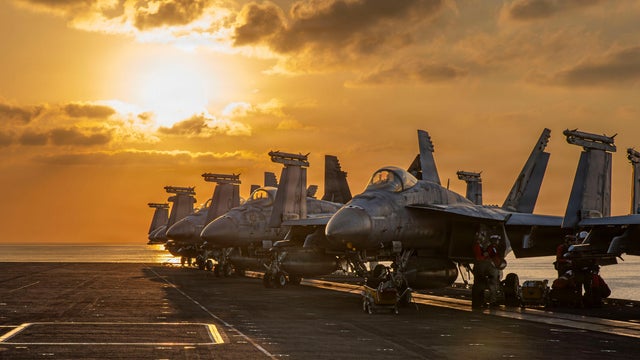
The aircraft carrier and its 5,000 crew members will return to San Diego after an approximately nine-month deployment.
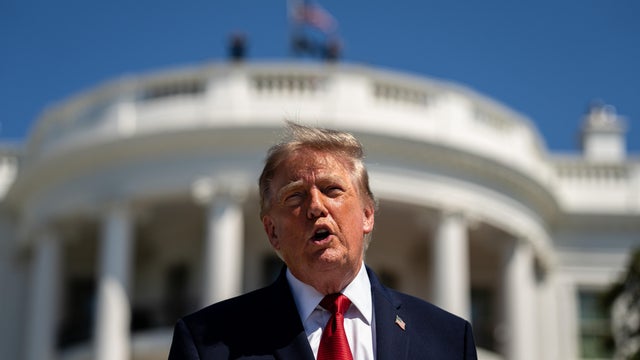
President Trump said Wednesday the U.S. might return to negotiations with Iran eventually, but he said currently "the situation is so good."