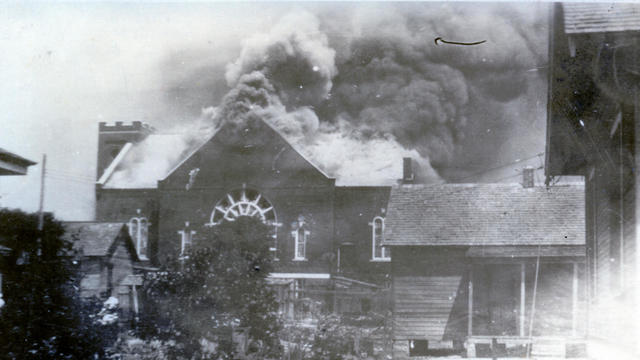
Uncovering the Greenwood race massacre
The first aerial assault on Americans was against Greenwood, a black neighborhood in Tulsa, during a race massacre largely ignored by history. 60 Minutes reports, Sunday.
Watch CBS News
The first aerial assault on Americans was against Greenwood, a black neighborhood in Tulsa, during a race massacre largely ignored by history. 60 Minutes reports, Sunday.

"Racial injustice has been ingrained deeply into local and state governments, and changes MUST be made there," Swift said, sharing an essay by former President Obama.
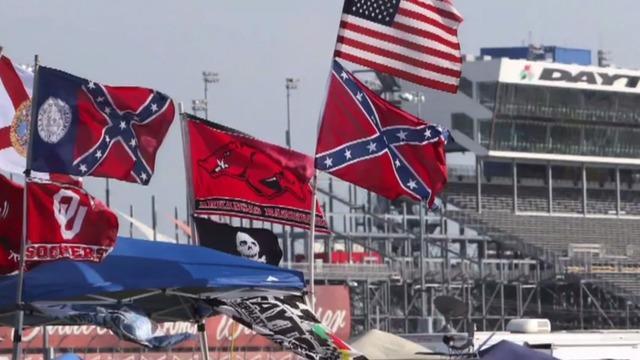
"Props to NASCAR and everybody involved," Wallace said after the ban. "It creates doors and allows the community to come together as one."
As leader Scott Morrison says anti-racism protesters show "great disrespect" amid a pandemic, far-right senator says she's "disgusted" by BLM demonstrations.

Stassi Schroeder, Kristen Doute, Max Boyens and Brett Caprioni will not be returning.

Retailing giant says controversial practice was in place in about a dozen of its 4,700 stores nationwide.
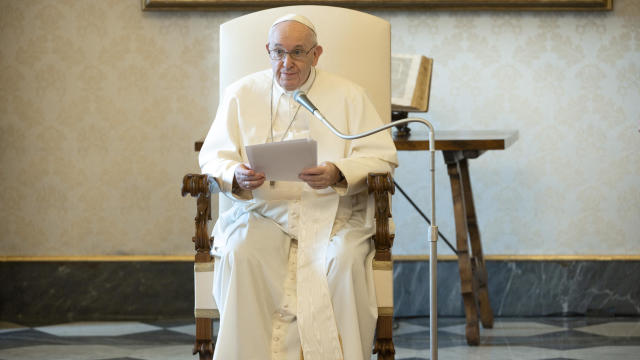
Experts say the Vatican's reaction shows it's behind anti-racism protesters, and is making a statement about where American Catholics should stand.
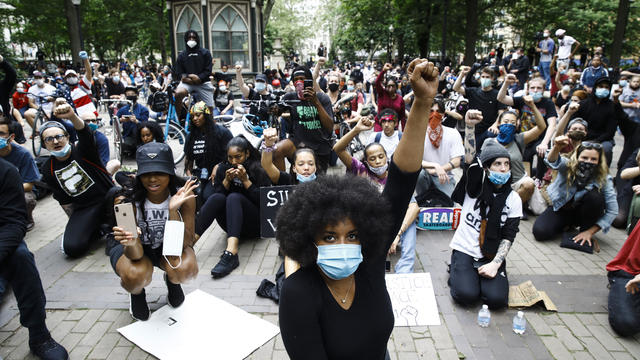
Gayle King anchors a one-hour primetime special as protests grip the nation following the death of George Floyd.
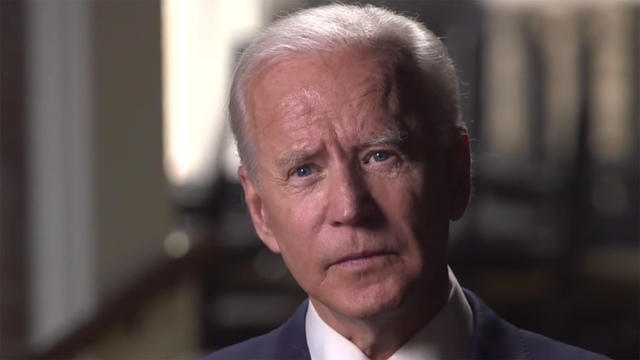
Presumptive Democratic nominee Joe Biden sat down with "CBS Evening News" anchor and managing editor Norah O'Donnell for CBS News' primetime special "Justice for All."
The revision comes against the backdrop of protests around the country against police brutality after the death of George Floyd,
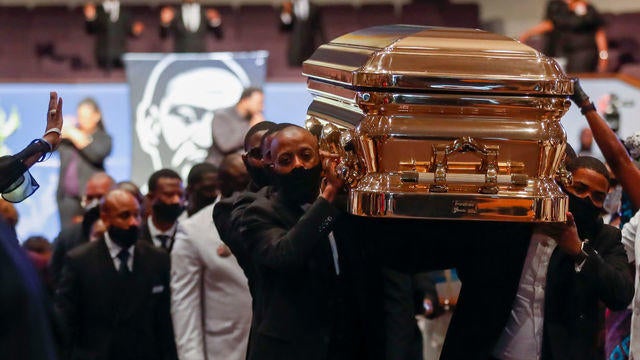
George Floyd was laid to rest following a funeral service in his hometown of Houston, Texas on Tuesday. Family and friends gathered to say their final goodbyes as people nationwide continue to march in his memory. CBS News' Danya Bacchus joined CBSN with more.
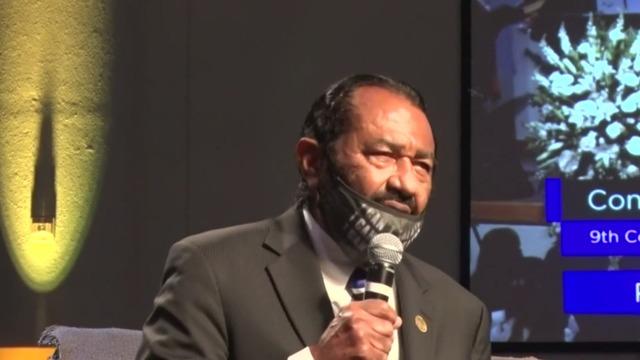
Congressman Al Green of Texas spoke at George Floyd's funeral in Houston, saying Floyd's "only crime" was that "he was born black." Watch his remarks.
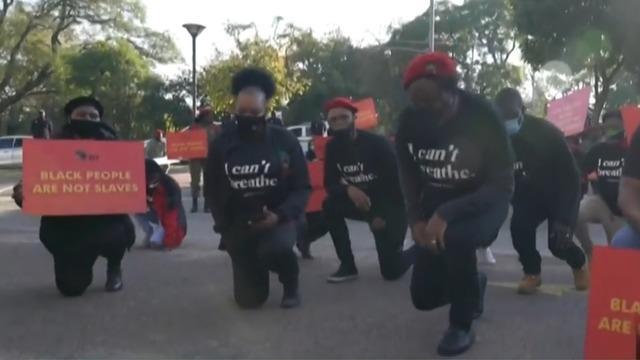
South Africa's struggle to deal with its racist past may hold some important lessons for the United States. CBS News foreign correspondent Debora Patta reports from Johannesburg on how the nation faced the trauma of its history and continues to deal with it.
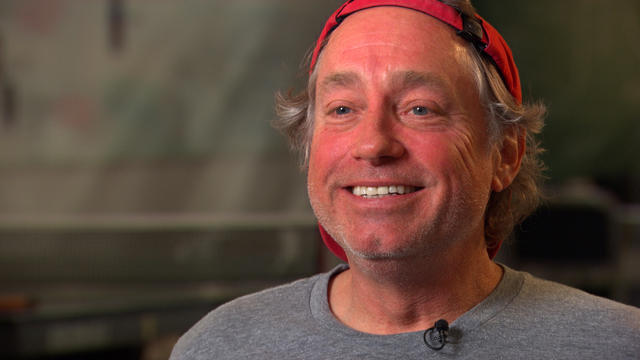
Reebok ending its relationship with the workout brand, while some gyms said they would end their affiliation.
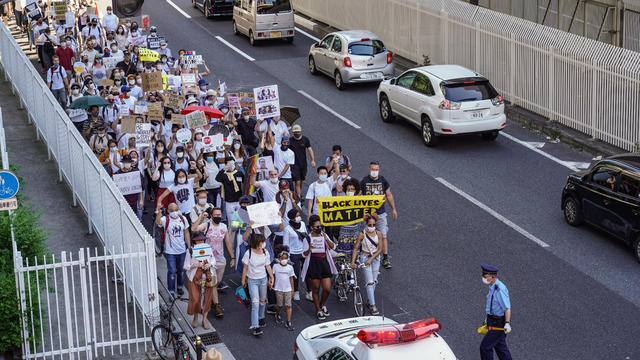
Public broadcaster NHK admits a "lack of consideration" went into producing its video explaining the ongoing protests in America.
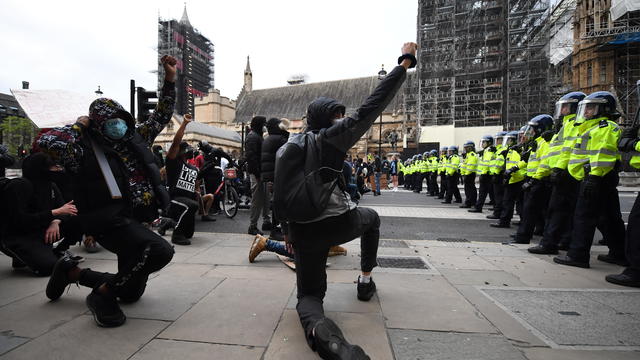
On the U.K. streets, there's been scant opposition to massive demos sparked by George Floyd's killing, but the internet is a very different battleground.
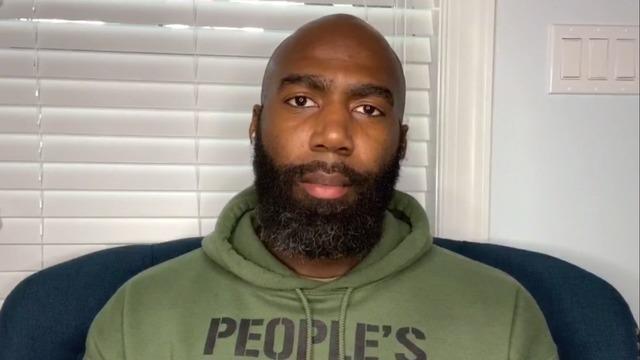
New Orleans Saints safety and former Philadelphia Eagles star Malcolm Jenkins joins "CBS This Morning" to discuss the death of George Floyd, police reform, the NFL and teammate Drew Brees.
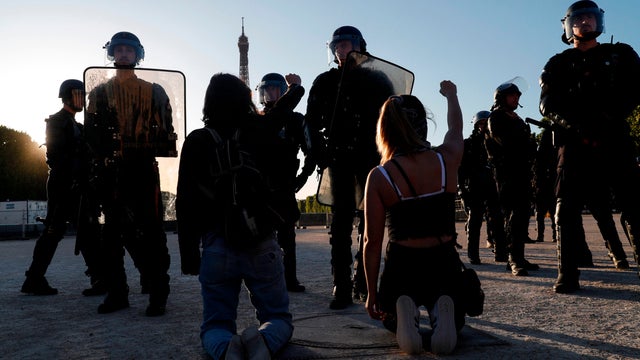
Government announces end of controversial technique along with other changes prompted by deaths people in police custody years before the George Floyd case.

Hundreds of people waited in line at a church in Houston Monday to pay their final respects to George Floyd. The viewing was the last public event before his funeral on Tuesday. CBS News' Danya Bacchus joined CBSN with more on the memorials and protests over Floyd's death.
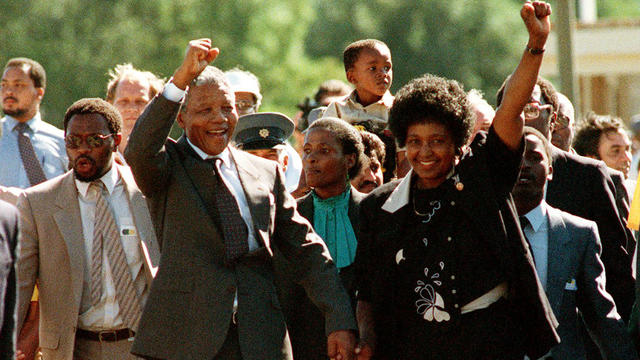
Less than 30 years ago racism was not only legal in South Africa, but the official system of government. It's come a long way, but the journey's not over yet.
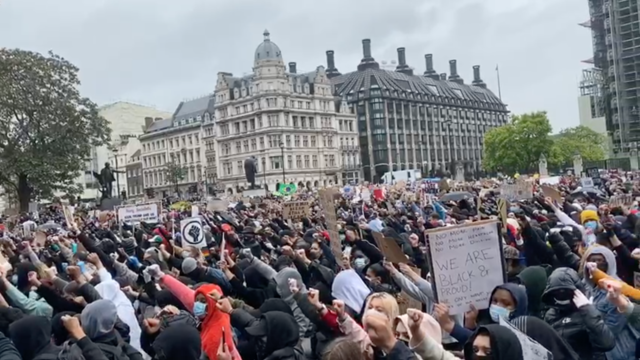
As British protesters stand in solidarity with American demonstrators, they say "the U.K. is not innocent."
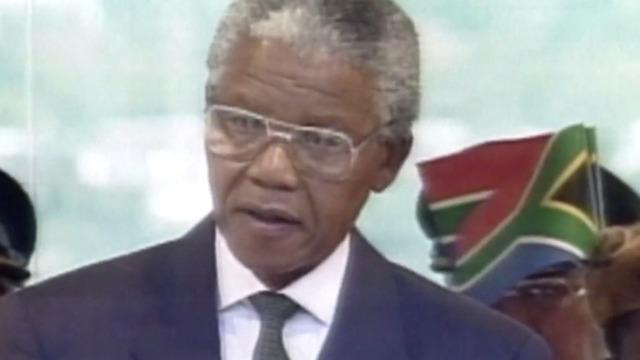
Less than 30 years ago, South African leaders dismantled apartheid, its program of institutional and legalized racism, and the country began to work toward equality. Debora Patta shares how the country's Truth and Reconciliation Commission helped South Africans confront racism but didn't solve problems of economic equality that still challenge black South Africans today.
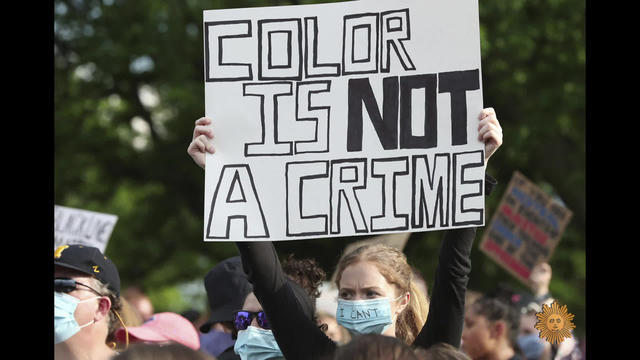
Americans are witnessing a national reckoning about racism, which has permeated all levels of life, producing different standards for whites and people of color. Correspondent Maurice DuBois talks with activists, educators and writers about grappling with the problems of race, white privilege, and the advice parents of African American youths feel they must give to their children to protect them from the police.
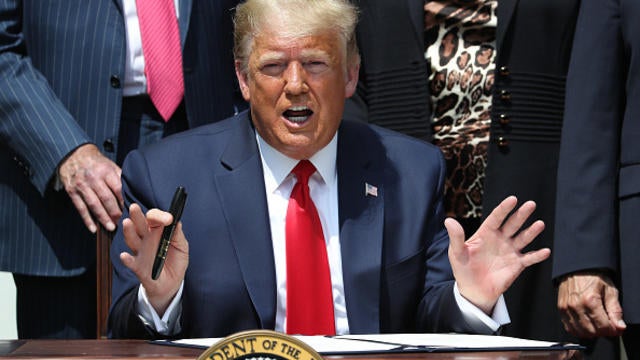
President Trump said Friday that May's jobs report is the first step in the country's comeback from the coronavirus pandemic; and that it will help race relations. CBS News chief Washington correspondent Major Garrett, CBSN political contributor and Democratic strategist Joel Payne and Republican strategist Joseph Pinion join CBSN to discuss.
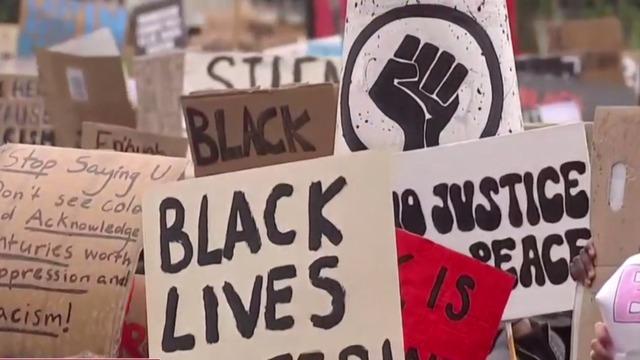
There was an international display of support for the Black Lives Matter movement Saturday. Protesters took to the streets in Europe, Asia, Africa and Australia. Roxana Saberi reports.