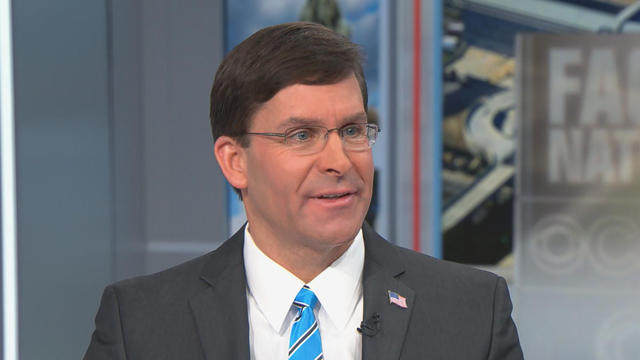
Esper "didn't see" specific evidence showing Iranian threat to 4 U.S. embassies
The defense secretary provides background on what President Trump called an "imminent threat" to U.S. embassies overseas.
Watch CBS News
The defense secretary provides background on what President Trump called an "imminent threat" to U.S. embassies overseas.
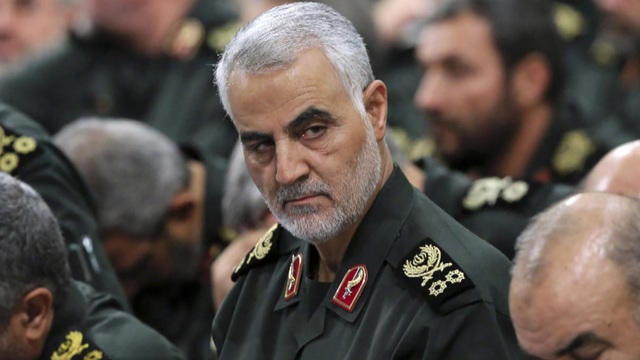
"Face the Nation" moderator Margaret Brennan takes a look back at what brought us to the brink with Iran.
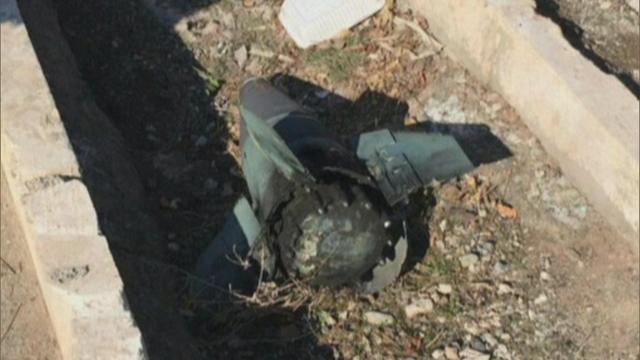
Iran has formally invited the NTSB to send a representative to the Ukraine plane crash site. The NTSB says it will not speculate on the cause of the crash. Kris Van Cleave reports that the Iranian military was on high alert following its air strikes on U.S. forces in Iraq and U.S. officials believe shooting down the passenger jet may have been a mistake made in the heat of the moment.
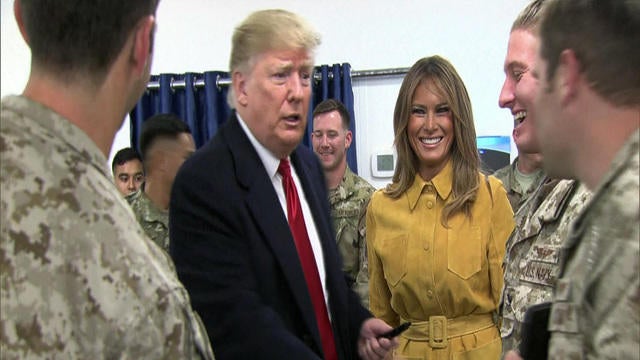
The Pentagon said Iran has launched "more than a dozen" ballistic missiles against two Iraqi military bases housing U.S. troops. As Holly Williams reports from Baghdad, the locations are big bases, where a lot of American money is spent.
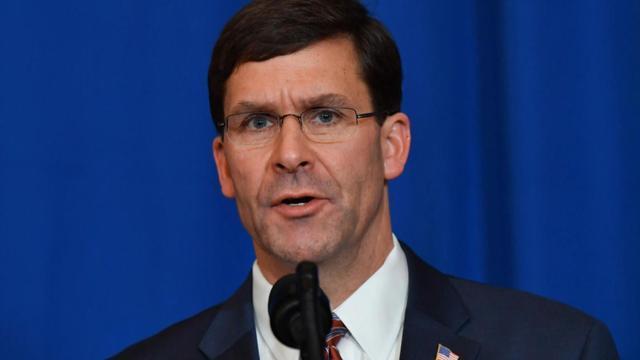
Defense Secretary Mark Esper says the U.S. military will not be leaving Iraq following a non-binding Iraqi parliamentary vote to expel foreign troops from the country. CBS News State Department reporter Christina Ruffini, Politico White House correspondent Anita Kumar, and Los Angeles Times congressional reporter Jennifer Haberkorn spoke to CBSN's "Red & Blue" about the state of U.S. policy foreign policy following the killing of a top Iranian general.
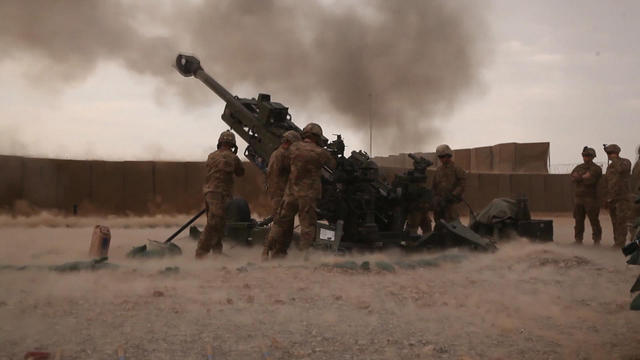
Defense Secretary Mark Esper said the U.S. has no plans to pull American troops out of Iraq. Iraq’s parliament recently voted to expel the 5,000 Americans to protest the Baghdad drone attack that killed Iran’s top general, Qassem Soleimani. David Martin reports.
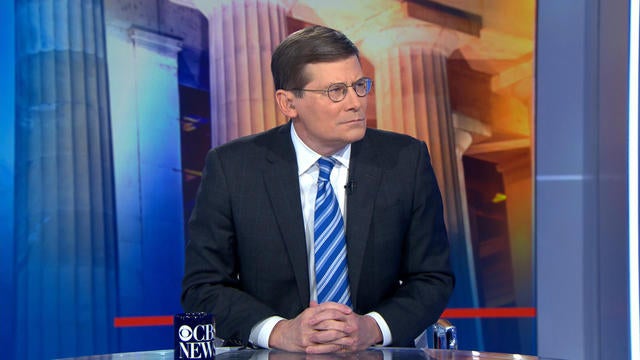
What types of attacks are the U.S. government preparing for and what does it mean now that the Iraqis have voted for the withdrawal of U.S. troops? Michael Morell, a former acting director of the CIA and a CBS News national security contributor, joins "CBS Evening News" to discuss.
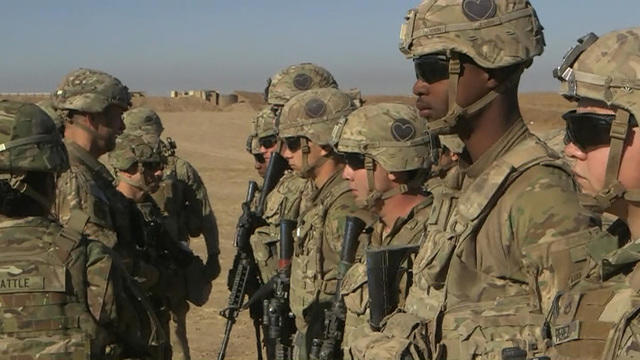
The Iraqi Parliament voted Sunday to demand all U.S. troops be removed from the country following the drone strike last week that killed Iranian General Qassem Soleimani. Now, President Trump is threatening Iraq with economic sanctions. Holly Williams reports from Baghdad.
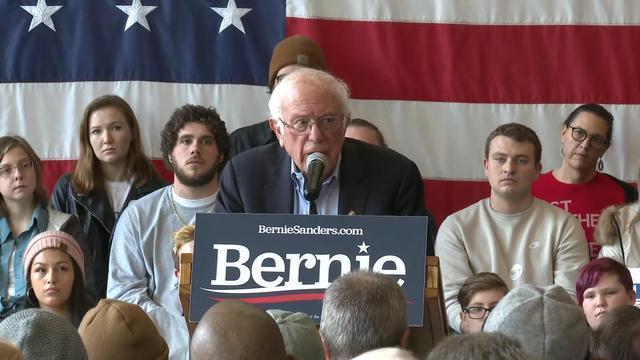
The 2020 Democratic presidential candidates condemned the killing of Soleimani, but some warned that the decision to assassinate him could lead to war. Nikole Killion reports.
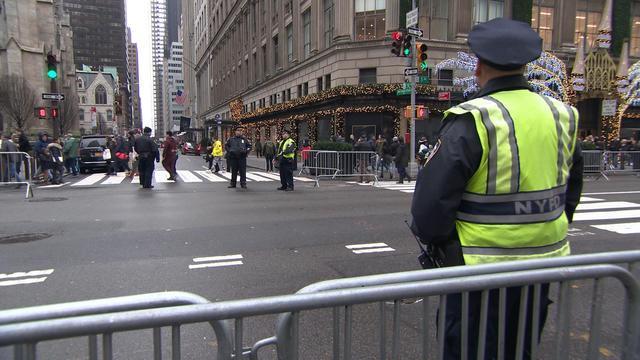
The Department of Homeland Security says it’s looking at potential new threats against the U.S. and that it "stands ready." Local police forces are also working to keep people safe. Kenneth Craig reports.
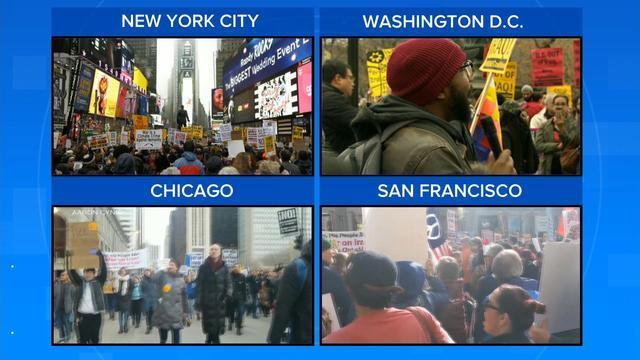
The White House has provided scant evidence for that Iranian military leader Qassam Soleimani was planning an attack and Democrats are demanding to see the intelligence behind the decision to take him out. Some Democrats insist the White House should have consulted Congress about a strike that could pull the U.S. into a war. Paula Reid reports.
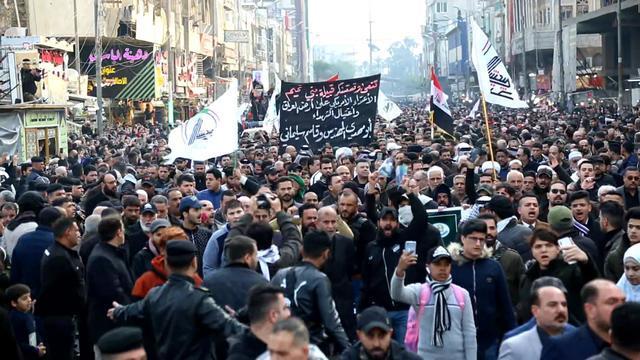
Thousands flooded the streets of Baghdad promising to carry on Qassem Soleimani's legacy. Iran's President Hassan Rouhani promised revenge, saying America "will see the consequences of their mistake not only today but in years to come." Ian Lee reports from Baghdad.
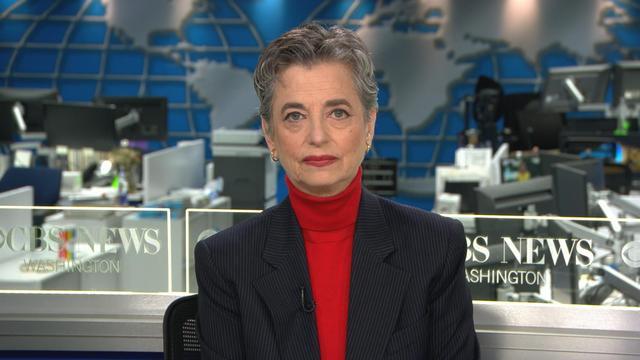
Journalist and Iran expert Barbara Slavin, director of the Atlantic Council's "Future of Iran" initiative, joined "CBS This Morning: Saturday" to discuss the ramifications of President Trump's decision to order an airstrike against Iranian General Qassem Soleimani, because of threatened attacks on Americans.
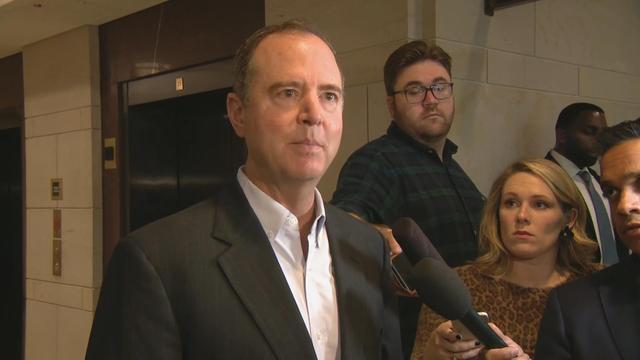
As President Trump explained his decision to order an airstrike against an Iranian general, some Democratic lawmakers complained the White House should have consulted Congress about the far-reaching decision. Paula Reid reports on the reactions in Washington and on the presidential campaign trail.
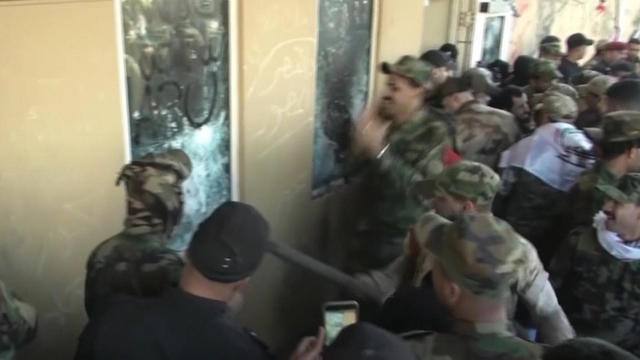
U.S. officials tracked Iranian military leader Qassem Soleimani before he was killed in Iraq. He had just landed in Baghdad on a trip intended to launch a campaign of attacks against Americans. David Martin reports.
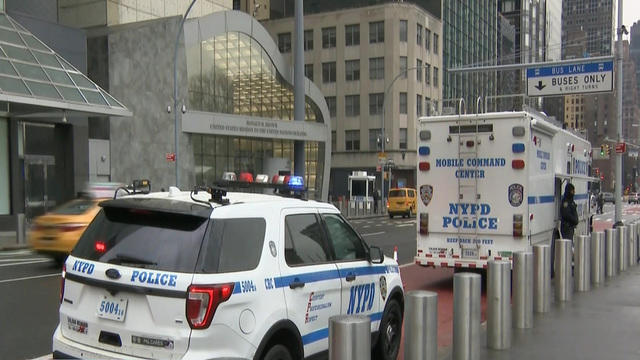
Iran's supreme leader is vowing revenge for the killing of his top general. It's a threat U.S. officials are taking seriously. Jeff Pegues reports.
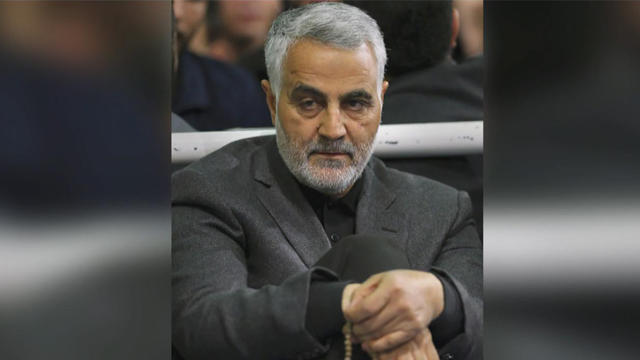
The latest escalation in tensions between the U.S. and Iran following the targeted killing of Qassem Soleimani comes after a series of skirmishes between the two countries in recent months. “Face The Nation” moderator Margaret Brennan joins “CBS This Morning” to discuss the ramifications of Soleimani's assassination.
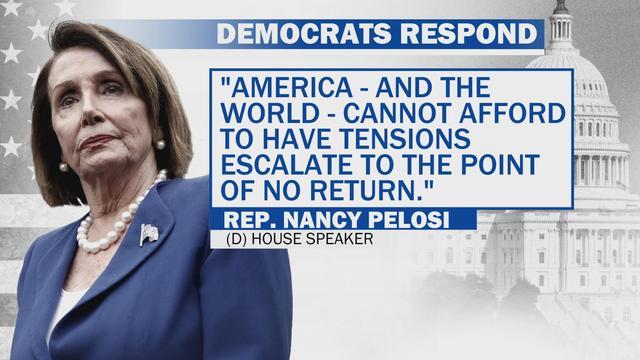
President Trump's decision to authorize the deadly strike on Qassem Soleimani faces criticism from Democrats on the campaign trail and in Congress. Ed O'Keefe reports on how lawmakers are responding from Capitol Hill.
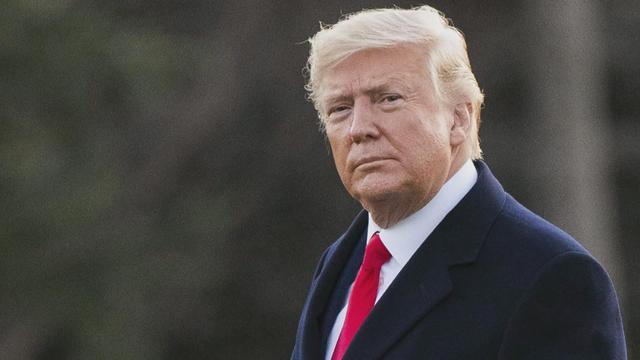
President Trump has not spoken directly about the killing of Qassem Soleimani, but he did tweet an image of an American flag afterward. The president has largely avoided intervention of this sort in favor of isolationist policies, as evidenced by his controversial decision to withdraw U.S. troops from Northern Syria just a few months ago. The move to assassinate Soleimani marks a critical 180-degree turn for the president, and it comes as he campaigns for re-election this year. Major Garrett reports from the White House.
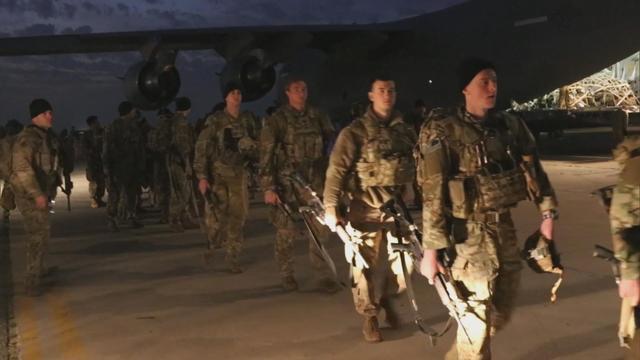
The death of Qassem Soleimani in Baghdad ignited a new chapter of regional tensions. Iran's Supreme Leader Ali Khamenei took to twitter, vowing severe revenge. The State Department issued an urgent warning overnight telling all Americans in Iraq to leave the country immediately. Ian Lee reports from Baghdad.
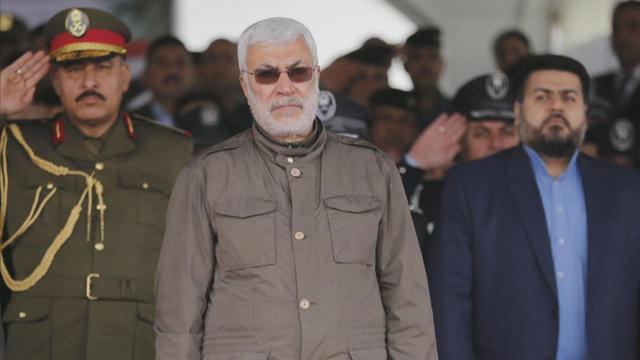
A U.S. airstrike killed one of Iran's most powerful military leaders overnight. The targeted killing of Major General Qassem Soleimani inside Iraq is a dramatic escalation in the confrontation between the U.S. and Iran. Video of the aftermath shows burning wreckage near Baghdad's airport. Soleimani led the powerful Quds Force of the Islamic Revolutionary Guards, blamed for killing hundreds of American troops. Iran said there will be a harsh response. David Martin reports from the Pentagon.
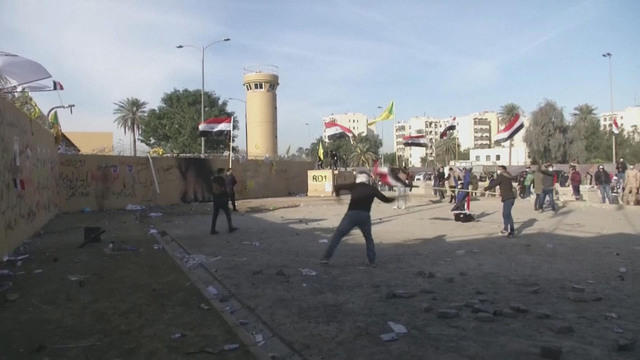
Violence continues outside the U.S. Embassy in Iraq. Demonstrators led by Iranian-backed militias are protesting for a second straight day. The protests followed deadly U.S. airstrikes responding to a militia attack that killed a U.S. contractor. Holly Williams reports.
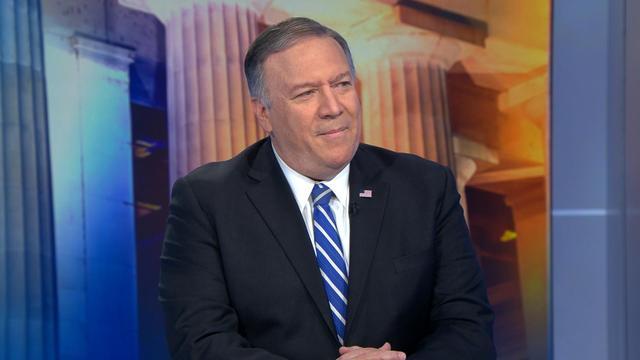
Thousands of angry protesters stormed the U.S. Embassy in Baghdad in response to U.S. airstrikes. In an interview with Major Garrett, Secretary of State Mike Pompeo reacted to the attack.
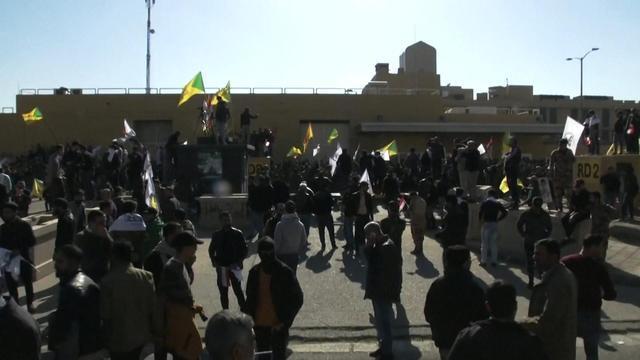
A mob forced its way onto the U.S. Embassy compound in Baghdad. It was retaliation for U.S. airstrikes that killed members of a militia backed by Iran. Holly Williams has the latest.
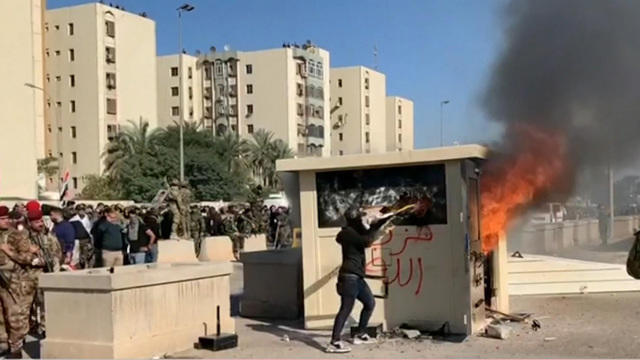
Violent anti-American protesters are attacking the U.S. Embassy in Baghdad. They are angry over deadly U.S. airstrikes this week that killed 25 fighters from an Iran-backed Shiite militia in Iraq. Holly Williams reports.