U.S. economic fallout continues during pandemic
The Dow has jumped 2.2% on Wednesday, making it the biggest monthly gain since 1987. However, the economy is in a tailspin due to the coronavirus outbreak. Weijia Jiang reports.
Watch CBS News
The Dow has jumped 2.2% on Wednesday, making it the biggest monthly gain since 1987. However, the economy is in a tailspin due to the coronavirus outbreak. Weijia Jiang reports.

Thousands of Americans are stuck at sea as the pandemic continues. The CDC is refusing anyone to disembark onto U.S. land for the next three months. Kris Van Cleave explains.

A new poll by the University of Maryland and Washington Post reveals that most Americans will not use smartphone apps to trace who has been exposed to COVID-19. These types of apps are already up and running in Israel. But as Elizabeth Palmer reports, they have caused huge controversy.

Washington D.C.'s iconic eatery Ben's Chili Bowl is one of the capital's most famous destinations. It has served its unique menu to generations of the city's biggest stars. But now, like many other small businesses, Ben's is facing the fight of its life. Nikole Killion reports.
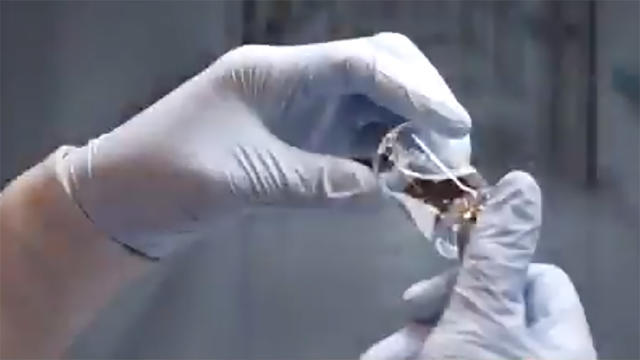
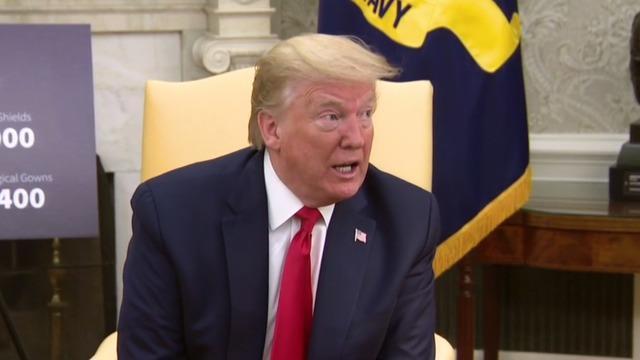
A drug that may shorten the recovery time of hospitalized coronavirus patients is being hailed as a potential breakthrough in the fight against the pandemic. Dr. Anthony Fauci lauded the drug remdesivir's "positive effect in diminishing the time to recovery" for patients in a clinical trial. While the drug is not yet approved, President Trump urged the FDA to get through the process as soon as possible. Ben Tracy reports from the White House, where daily task force briefings have been replaced with economy-focused events.
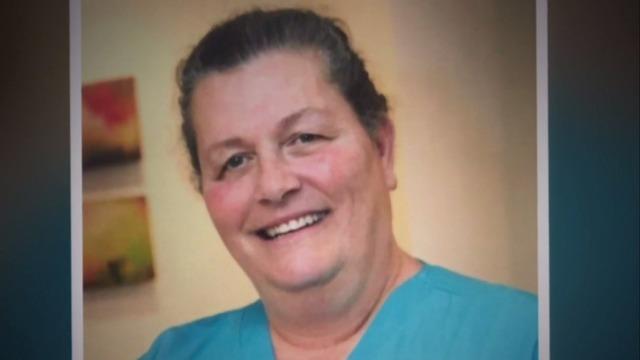
ER Nurse Pamela Orlando worked to treat coronavirus patients until she became one herself, and then documented her fight with the virus until she died on April 16, 24 days after she fell ill. One of her sons, Reid, said he begged his mother not to go to work, but she continued to fight on the front lines. David Begnaud shares her story.
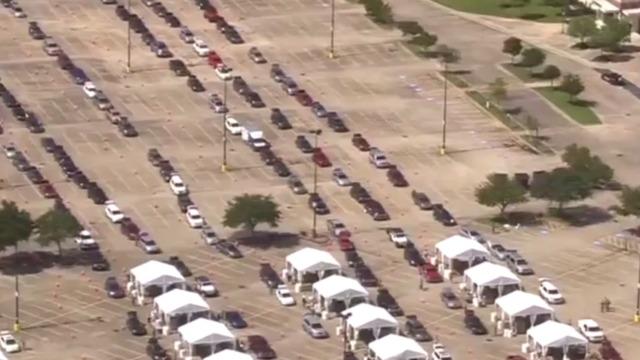
The Houston Food Bank in Texas is the largest in the U.S., and it has seen demand spike after the coronavirus pandemic put many Americans out of work. While they estimate giving out 80 million pounds of food in a normal year, CEO Brian Greene says they now average close to a million pounds per day, and are still not meeting the need. Janet Shamlian visits the food bank to see how severe demand has gotten.
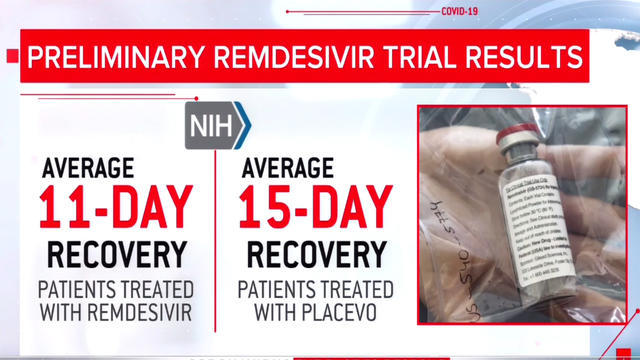
An experimental drug is showing promise in treating the coronavirus. Preliminary results from a clinical trial carried out by the National Institutes of Health found patients taking remdesivir recovered an average of four days sooner than those on a placebo. The FDA may now consider an emergency approval to allow for broad use of the drug, though the findings still need to be peer-reviewed. Dr. Tara Narula spoke to a patient in that study, and a scientist fighting to get more answers.
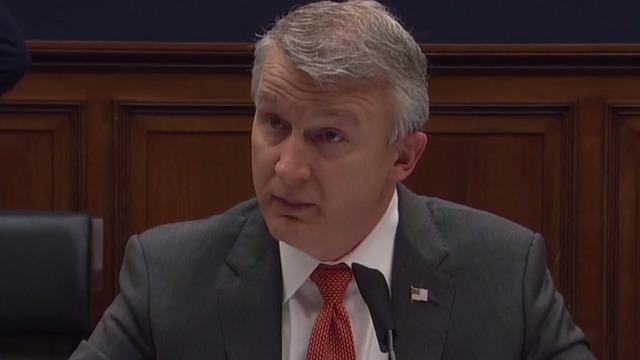
Rick Bright, the top government scientist in charge of developing a vaccine for coronavirus who was ousted last month, issued a stark warning to Congress, saying "time is running out" to address a second outbreak. Nancy Cordes reports.
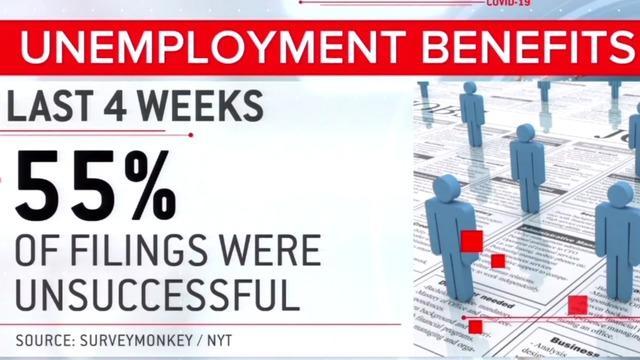
Nearly 36 million jobs have been lost during the coronavirus pandemic. A new report shows that 55% of people filing for benefits were unsuccessful leaving many uncertain of their finances. Mark Strassmann reports.
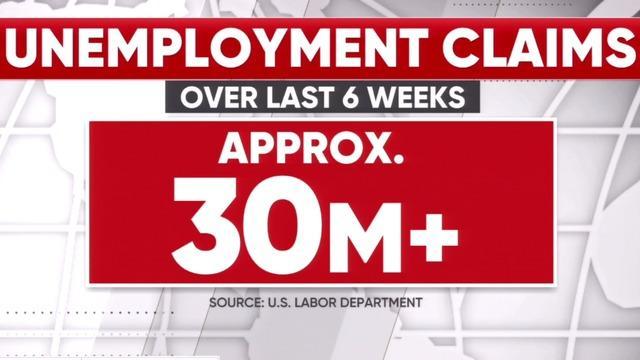
The Labor Department's latest report says roughly 3.8 million Americans filed for unemployment last week. The figure, comparatively lower than the last five weeks, brings the six-week total to 30 million U.S. workers filing jobless claims. The devastating total reflects the coronavirus pandemic's effect on the economy, despite trillions of dollars in stimulus spending. Jill Schlesinger joins "CBS This Morning" to break down the staggering figures.
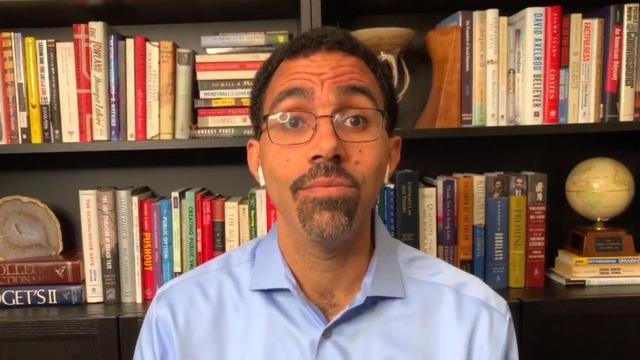
President Trump has said that going back to school during the current academic year is something state governors "should seriously start to consider," despite concerns over the coronavirus. Former Education Secretary John King, who served under President Obama, joins "CBS This Morning" to discuss what needs to be done for schools to be reopened safely.
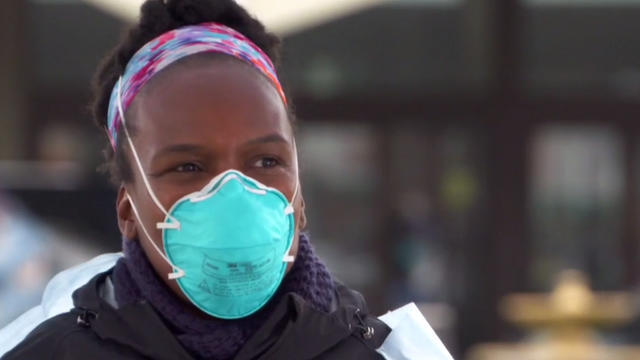
The state of Pennsylvania has so far tested less than 2% of its 12.8 million residents for coronavirus, and for many in Philadelphia, testing can be hard to find. Jericka Duncan speaks to one doctor who was fed up with hearing stories of people being turned away for tests, so she took to the streets to provide free COVID-19 testing to local residents.
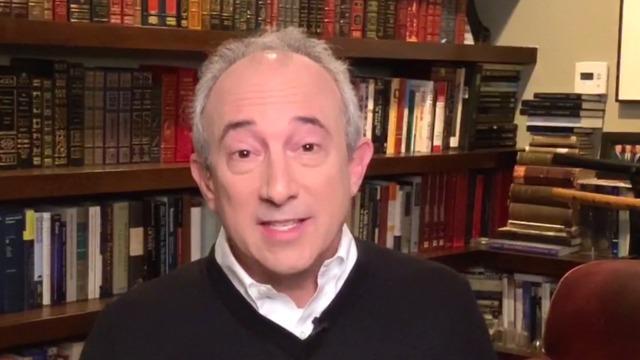
Dr. David Agus on potential breakthroughs in the race for treatments for the coronavirus. A clinical trial shows the antiviral drug, remdesivir, shortens the recovery time of hospitalized COVID-19 patients. And Oxford University scientists think they may have a vaccine by September.
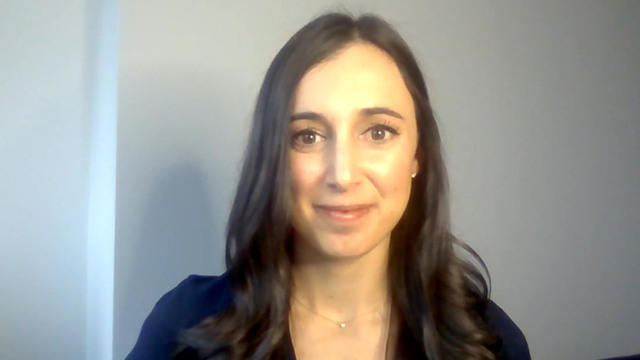
Individual investors — many of whom are first-time traders — are taking advantage of the coronavirus stock market turmoil and opening record numbers of online brokerage accounts, according to the Wall Street Journal. Courtney Dominguez, senior wealth advisor at Payne Capital Management, joins CBSN to share some smart investing strategies during uncertain times.

The coronavirus deaths and cases continue to rise as many states prepare to loosen restrictions. Carter Evans reports.
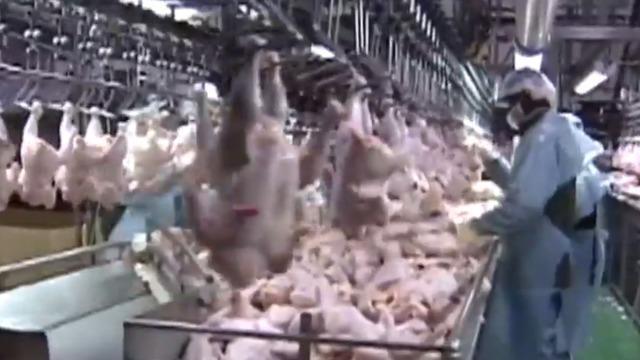
The Tyson food plant in Nebraska produces enough beef in one day to feed 18 million people but the food plant is shutting down its production after workers stopped showing up over concerns of the coronavirus. Nancy Cordes reports.
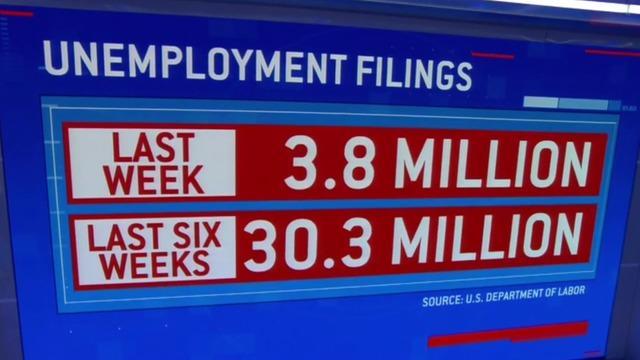
Another 3.8 million workers filed for unemployment benefits last week, bringing the total to 30 million in the last six weeks. Mark Strassmann reports.
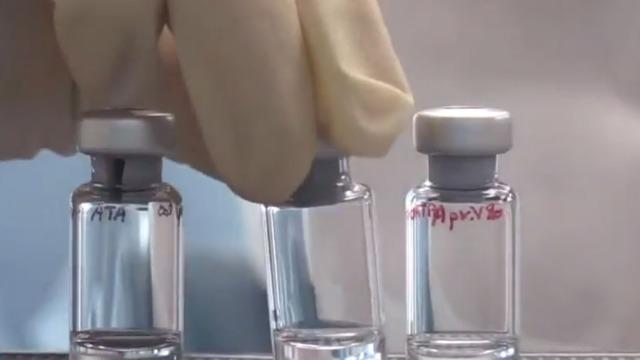
President Trump and White House health officials are optimistic that a vaccine for the coronavirus is expected to be ready by end of the year. Weijia Jiang reports.
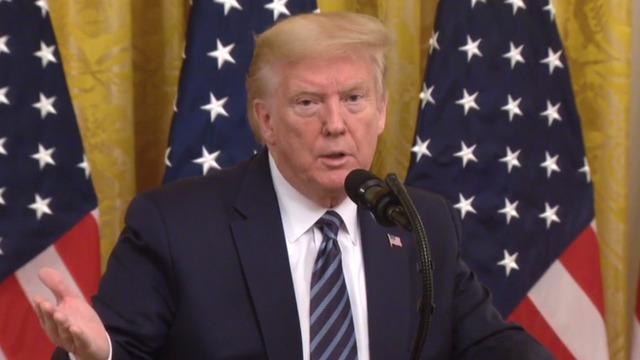
President Trump is going after China, accusing the country of failing to stop the coronavirus from spreading to other countries. Mr. Trump said he is considering new tariffs on China to hold it accountable for the outbreak in the U.S. At the White House Thursday, the president claimed to have seen credible evidence that the virus originated in a Wuhan lab, but gave no further details. Ben Tracy reports on the White House's ongoing response to the pandemic.
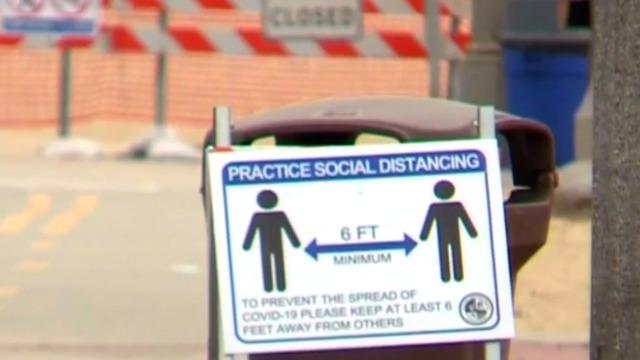
California Governor Gavin Newsom is closing Orange County beaches once again after concerns that crowded beaches would jeopardize public health. The decision was met with frustration from some residents and a local official. Also, Michigan Governor Gretchen Whitmer extended the state's emergency declaration by executive order after the Republican-controlled legislature declined. Carter Evans reports on how states around the country are handling the pandemic, including some that have eased their precautions, like Texas.
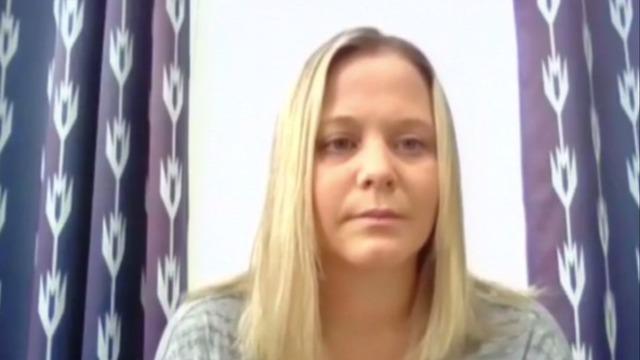
Many parents have said they are overwhelmed by remote learning, with a recent survey finding nearly 50% of parents are struggling to keep kids focused on school work. Meg Oliver speaks to a New York City math teacher who is juggling her students along with her young son's education and the added stress of a health care worker husband on the front lines of the pandemic.
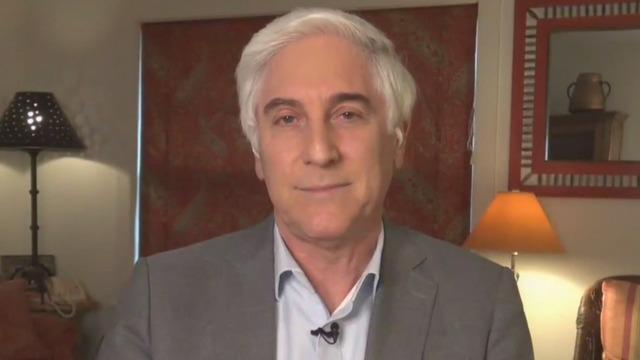
Coronavirus testing and the accessibility of tests have been the subject of conversation across the U.S. as some areas grapple with shortages and others, like New York, roll out ambitious plans for antibody tests. Dr. Jon LaPook joins "CBS This Morning" to talk about diagnostic tests, antibody tests and everything else viewers want to know to stay safe.
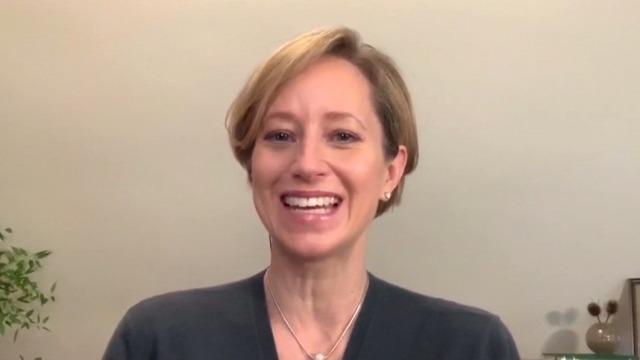
With millions of Americans under stay-at-home orders for weeks now, many are seeing how important personal connections with friends and family are for their mental health. How those connections are maintained has changed dramatically. Psychologist Lisa Damour joins "CBS This Morning" to discuss the pandemic's impact on mental health and how we are interacting with people in the new normal.

The U.S. Air Force Thunderbirds and Navy Blue Angels are planning a salute to honor America's frontline workers fighting the coronavirus pandemic. Kris Van Cleave reports.