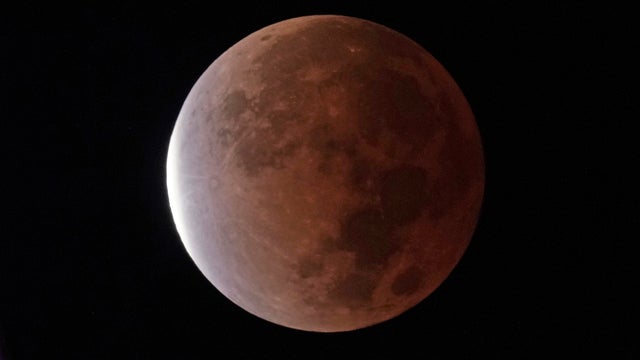
Blood moon will be visible in NYC but clouds may obstruct view
New Yorkers may be able to see the blood moon during the partial lunar eclipse Thursday, but they're going to have to stay up late, and clouds could impact it.
Watch CBS News
New Yorkers may be able to see the blood moon during the partial lunar eclipse Thursday, but they're going to have to stay up late, and clouds could impact it.

About 96% of the moon will pass through Earth's dark shadow, and the Americas will have the best view.
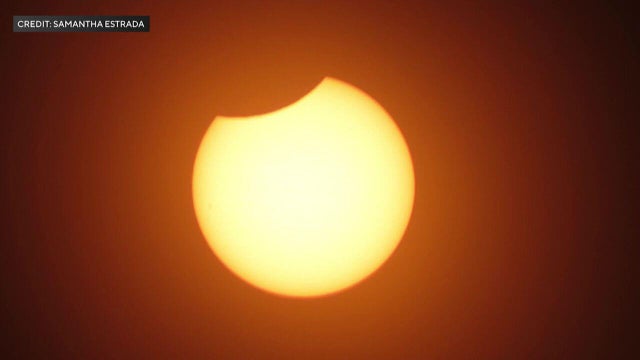
It wasn't a total eclipse, but it was still enough to get a lot of people across the Tri-State Area looking up on Wednesday.

Eclipse chasers from around the world are gathering in Spain for the historic celestial show. CBS News' Rob Marciano reports from Mallorca.

When scientists examined the preserved fragments of a meteorite that crashed in 2024, they found brine-like fluids and key molecules.
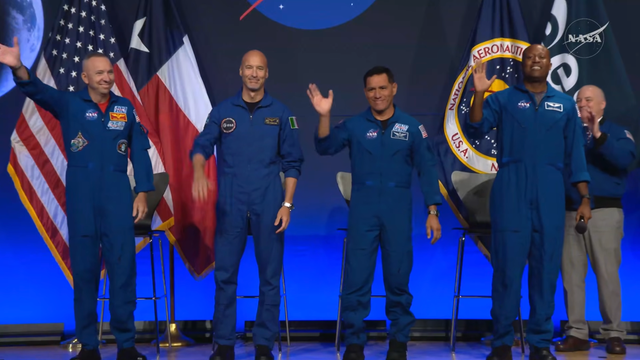
NASA's Artemis III astronauts plan to carry out rendezvous and docking procedures with commercial moon landers being built by SpaceX and Blue Origin.

A powerful New Glenn rocket owned by Jeff Bezos' Blue Origin exploded in a spectacular fireball Thursday. CBS News’ Mark Strassman reports.

The crew of Artemis II stopped by CBS Mornings to talk about their experience, answer questions about space and celebrate with other special guests.
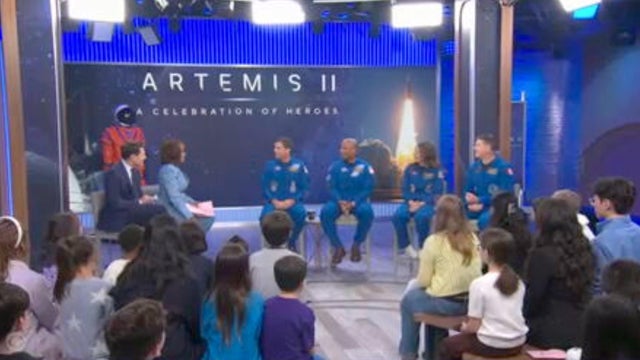
The Artemis II astronauts joined "CBS Mornings" for a live town hall where they took questions from kids just weeks after returning from their historic moon mission.
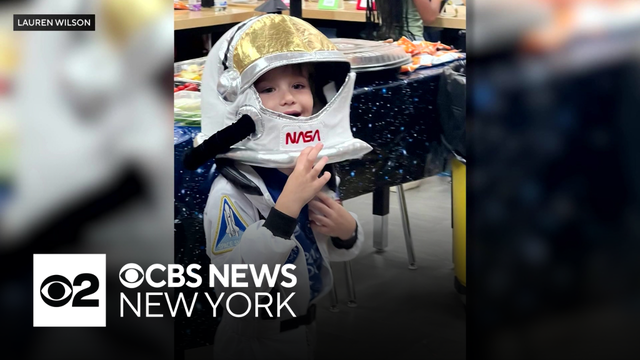
A 5-year-old from Atlanta went viral on launch day and captured hearts around the world. On Friday, he and his parents will meet the astronauts part of the Artemis II mission.
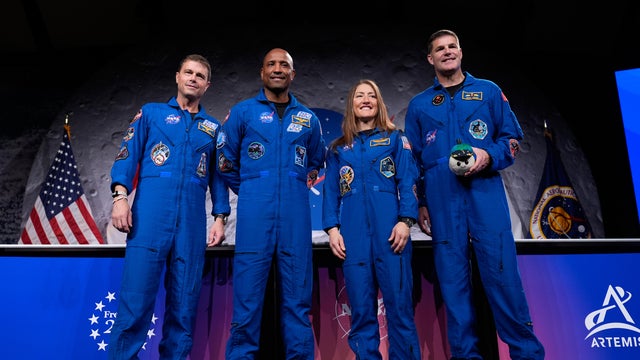
The four Artemis II astronauts struggled to describe the view and overall experience of flying around the moon's far side and witnessing a solar eclipse in deep space.
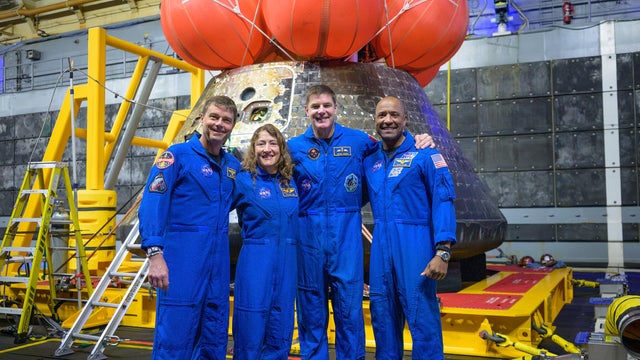
The Artemis II astronauts flew back to the Johnson Space Center in Houston Saturday to cheers and applause from family members and hundreds of NASA workers.

NASA's Artemis II astronauts returned to Earth with a splashdown landing in the Pacific Ocean after making a high-speed reentry through the atmosphere.
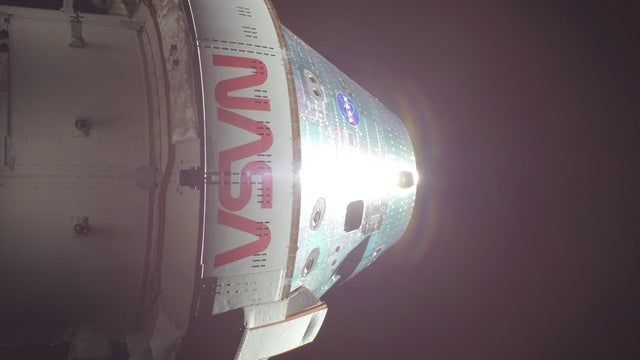
Despite problems during the unpiloted Artemis I reentry, the Artemis II crew is confident their heat shield will protect them during a fiery descent to Earth.
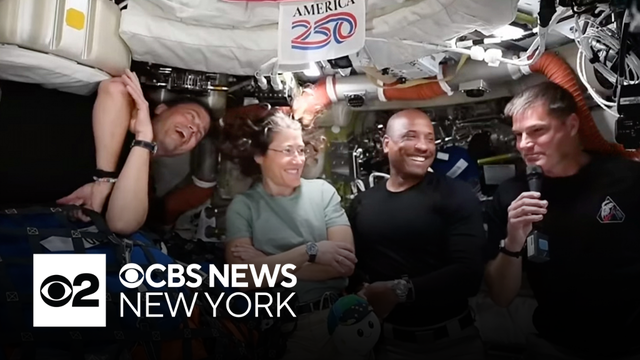
Splashdown is expected to happen on Friday night but it will be one of the most risky parts of the mission.
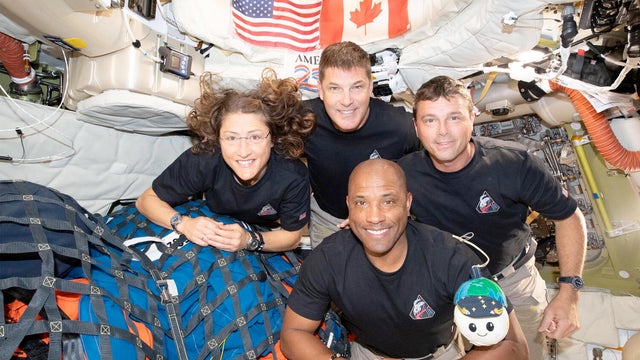
With Artemis II astronauts closing out on-board tests, flight controllers are prepping for reentry and splashdown Friday.
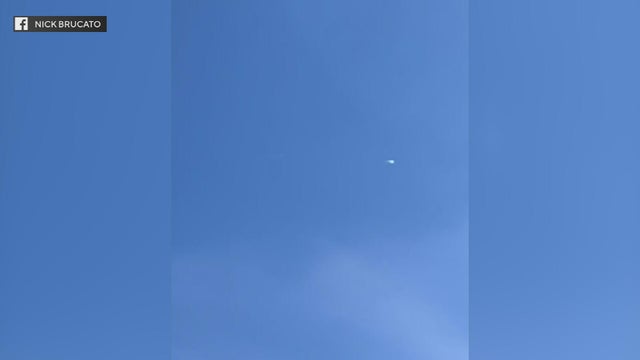
A meteor spotted across multiple states Tuesday afternoon traveled more than 100 miles before disintegrating, NASA said.

The Artemis II team has been sending historic pictures of the moon as they head back to Earth. CBS News' Jarred Hill reports.
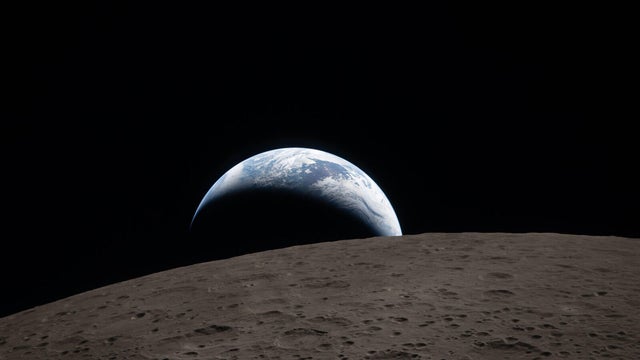
The astronauts aboard Artemis II are the first humans to see some parts of the far side of the moon with the naked eye.

The Artemis II crew made history as they ventured farther from Earth than anyone ever has. They snapped pictures of the far-side of the moon before heading back to Earth.
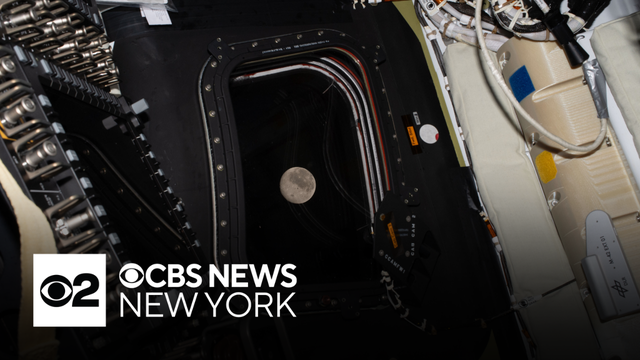
The four astronauts on the Artemis II have now gone farther into space than any other humans. CBS News Bradley Blackburn has the latest on the mission.
The crew of the Artemis II entered the lunar sphere of influence overnight, meaning the pull of the moon is stronger than the pull of Earth. By Monday night, it will make its closest approach to the moon. CBS News' Mark Strassmann reports.

The crew of Artemis II has entered a new phase of its mission as they head to the far side of the moon, where they will lose contact with NASA for a period of time. CBS News' Bradley Blackburn reports.
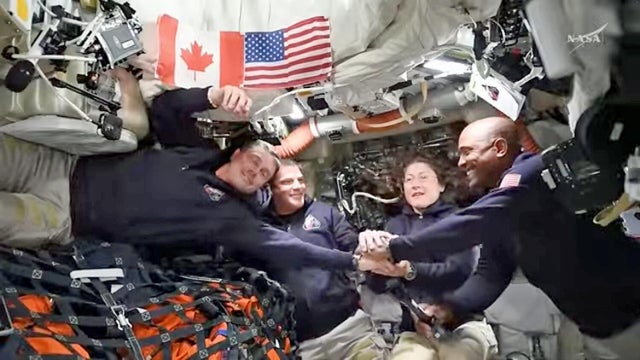
Amid ongoing toilet trouble, the Artemis II astronauts reflected on the wonder of sailing through deep space to the moon.
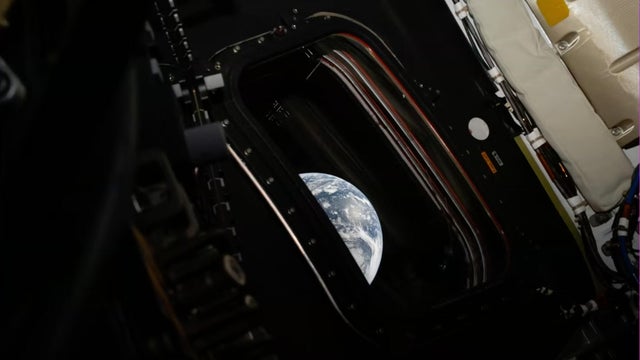
The photo shows the entire planet, as well as the Northern and Southern lights.