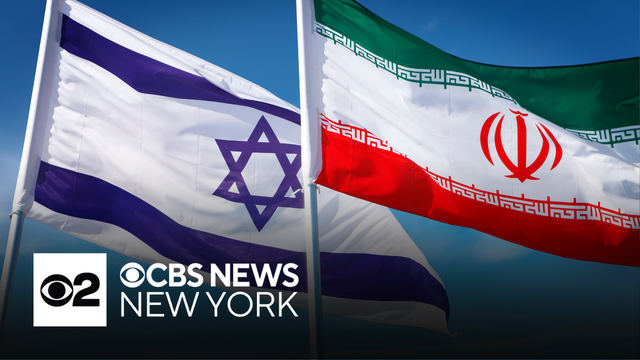
Israel-Iran ceasefire holds
Alan Eyre, Distinguished Diplomatic Fellow at the Middle East Institute joins CBS New York to discuss the ceasefire.
Watch CBS News
Alan Eyre, Distinguished Diplomatic Fellow at the Middle East Institute joins CBS New York to discuss the ceasefire.

Israel drops all war-time restrictions, freeing people to return to their lives under a ceasefire with Iran, but uncertainty over the impact of 12 days of war leaves room for anxiety.
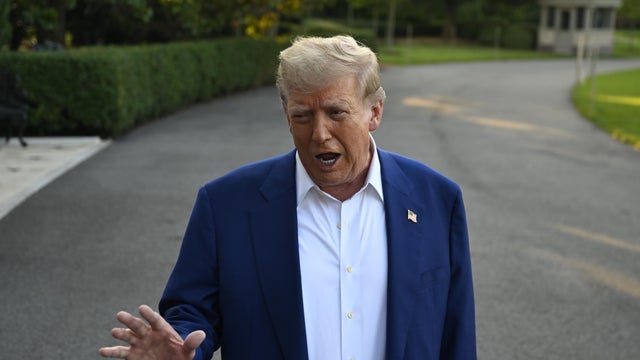
President Trump accused Israel and Iran of violating a ceasefire, but then said it was "in effect" after a phone call with Israel's leader.
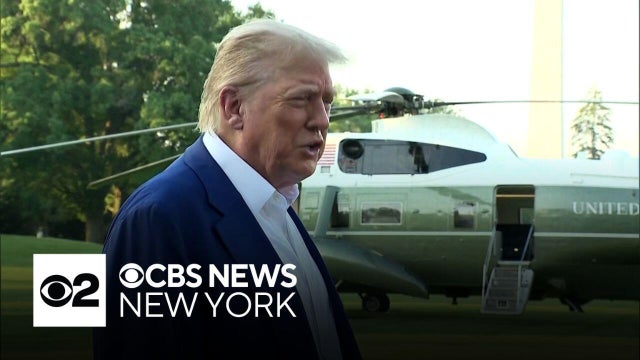
President Trump said the fragile ceasefire between Israel and Iran was back in effect on his way to the NATO summit. CBS News' Erica Brown reports.
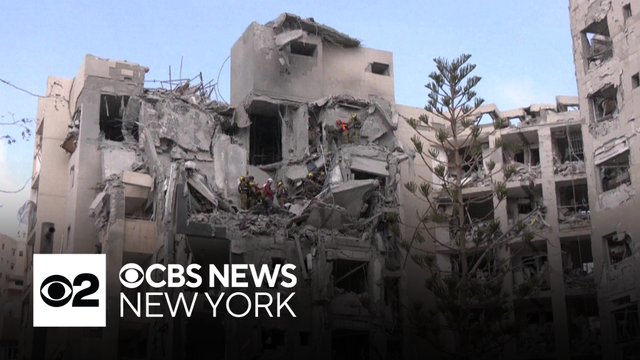
A ceasefire announced early Tuesday morning on social media by President Trump appears to be over. Hours after the announcement, Israeli officials said Iran launched missiles on northern Israel, which Iran denied.

President Trump has indicated that the U.S. was given prior warning of the Iranian strike. U.S. and Qatari authorities said the missiles were intercepted.
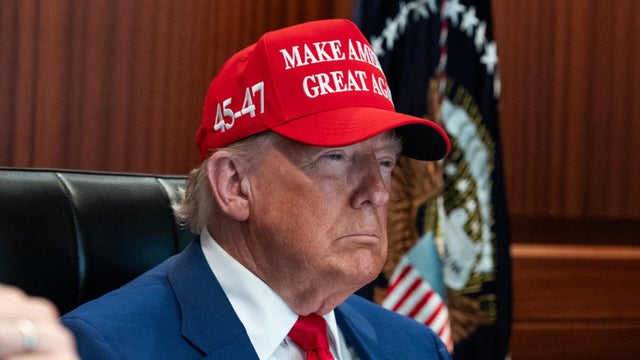
President Trump, Israel and Iran say a ceasefire he announced earlier between the two nations has begun.

However, hours after the president's announcement sirens were heard and alerts were issued in Israel. CBS News New York's Dick Brennan has the latest on the crisis in the Middle East.

Iran launched missiles at the largest U.S. military base in the Middle East in retaliation for strikes on its nuclear facilities. CBS News New York's Tim McNicholas reports.
Alan Eyre, distinguished diplomatic fellow at the Middle East Institute and former member of the U.S. nuclear negotiating team with Iran joins CBS New York to explain what happens next after the attacks.

Iran is vowing to respond after U.S. bombers struck key nuclear sites over the weekend. CBS News' Natalie Brand reports.

A bulletin from the National Terrorism Advisory System warns of a "heightened threat environment" in the U.S. following the military strikes on Iran's nuclear sites.

Trump says U.S. strikes "totally obliterated" 3 Iranian nuclear facilities, but the extent of the damage to Iran's nuclear program remains unclear.
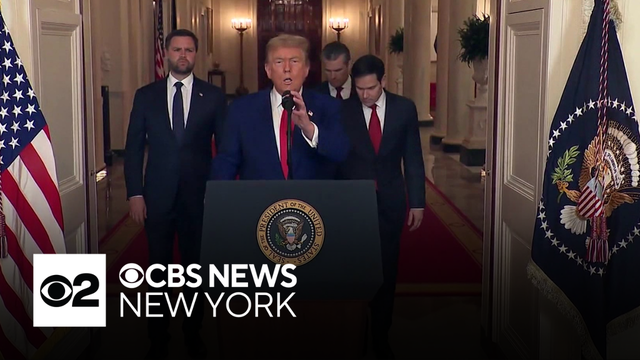
The president is expected to meet with his national security team Monday, two days after the U.S. launched strikes on three Iranian nuclear sites.
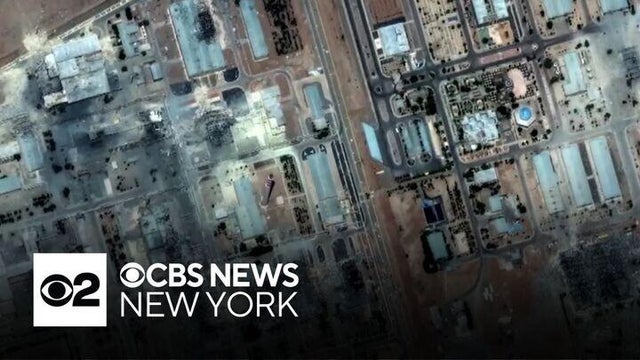
Tehran has vowed to retaliate for the U.S. attack on its nuclear sites. President Trump is raising the possibility of regime change. CBS News New York's Dick Brennan reports.

Operation Midnight Hammer included seven B-2 Spirit bombers, 125 total aircraft and more than 75 precision-guided weapons, the Joint Chiefs chairman said.

The New York City area has the largest Jewish population outside Israel, so it is not surprising that the U.S.'s bombing of Iran became topic number one Sunday among the Democratic mayoral candidates.
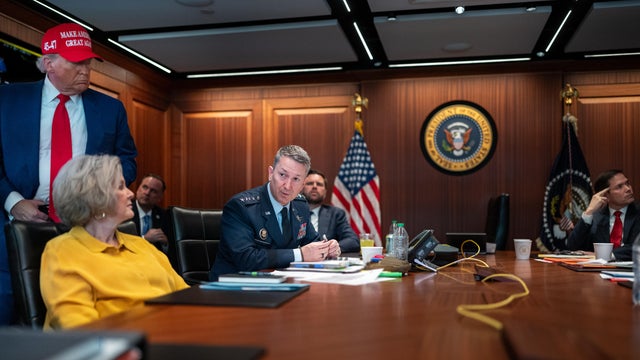
President Trump told the nation that "Iran's key nuclear enrichment facilities have been completely and totally obliterated."
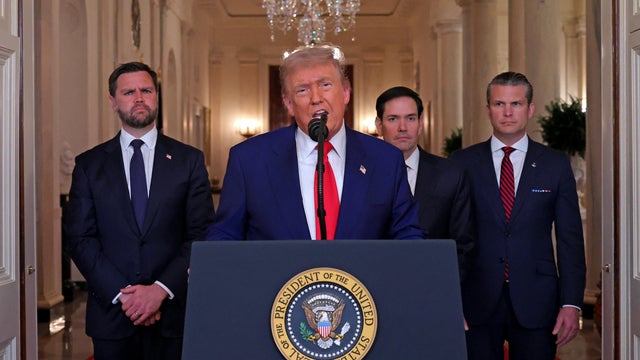
President Trump announced earlier Saturday night that the U.S. had launched strikes against three Iranian nuclear sites.
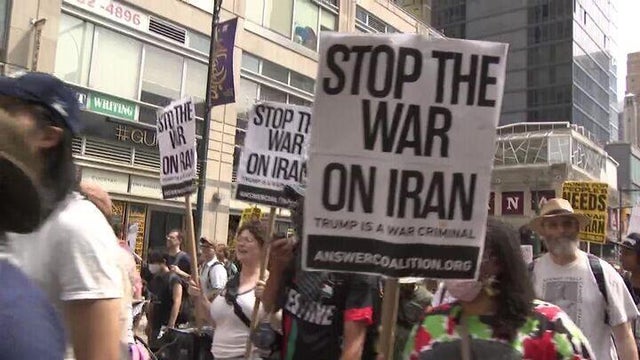
Demonstrators hit the streets across New York City on Sunday in opposition of the United States' bombing of Iran.

Iran said Sunday its military will decide if and when there will be response to the U.S. airstrikes. CBS News New York's Dick Brennan and Adi Guajardo have the story.

Congress members offered a split response after President Trump's announcement that the U.S. had launched strikes on three Iranian nuclear facilities.
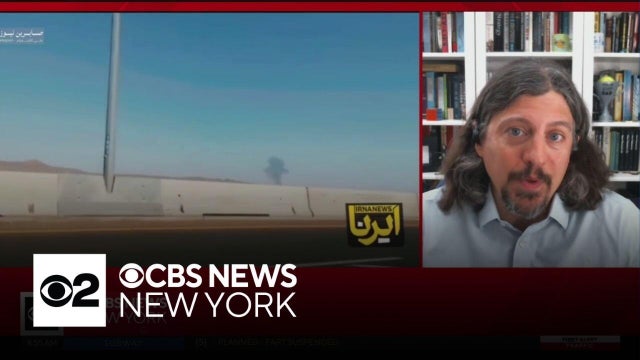
Richard Nephew, senior research scholar at Columbia University's Center on Global Energy Policy, was director for Iranian Affairs during the Obama administration.
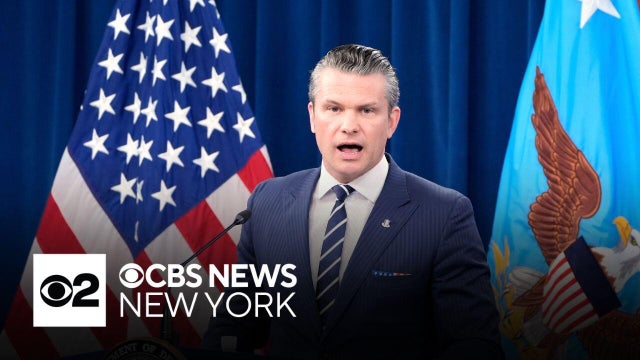
Defense Secretary Pete Hegseth and other senior Pentagon officials held a briefing on U.S. strikes against key Iranian nuclear sites.
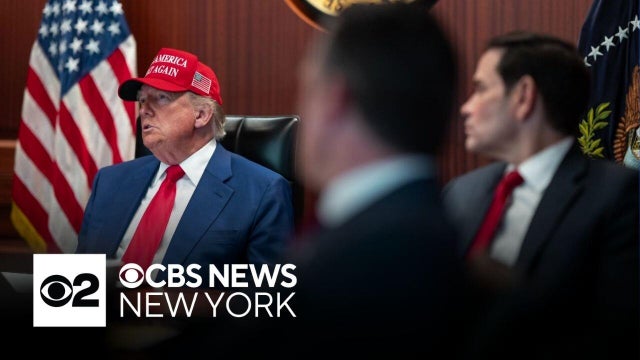
After President Trump announced the U.S. launched strikes in Iran, NYPD said it will deploy additional resources to religious, cultural and diplomatic sites across NYC. CBS News New York's Zinnia Maldonado reports.